Ready to explore this trail?
View Trail Map in AppHours fluctuate throughout the year. Please check the park's website for admission prices and hours: https://powellgardens.org/visit/plan-your-visit/Garden rules and other important things to note are located here: https://powellgardens.org/visit/faq/Dogs are not allowed in the gardens, but the gardens do host a "Doggy Day Out" every year. For more information about the event, visit the garden's events and exhibits page (https://powellgardens.org/events-exhibits/) or call 816-697-2600.
Path Type
Loop
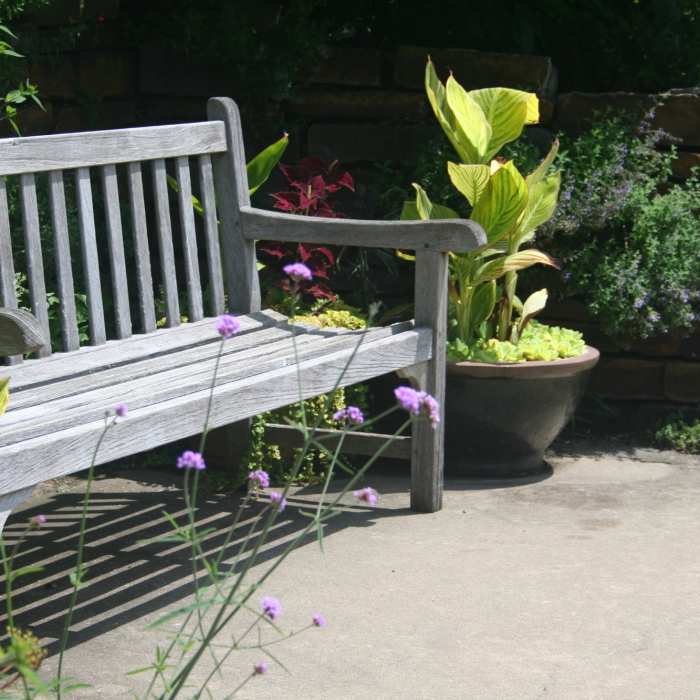
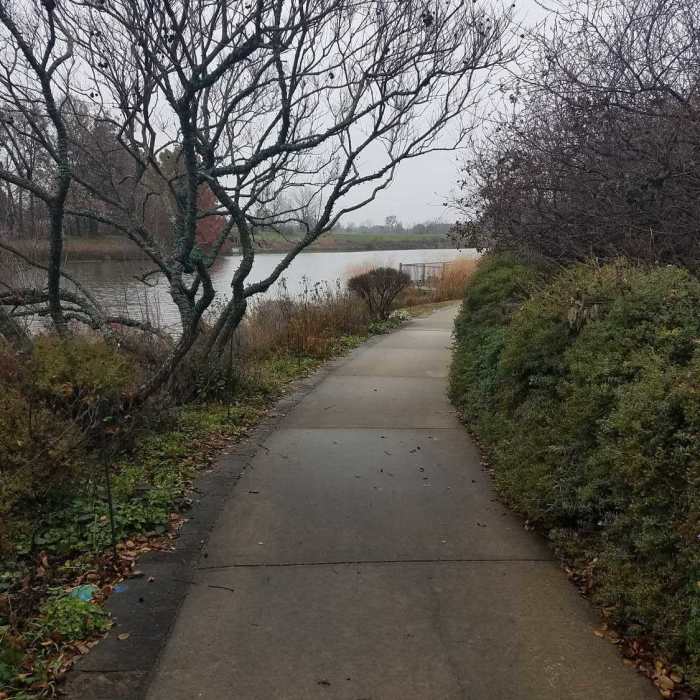
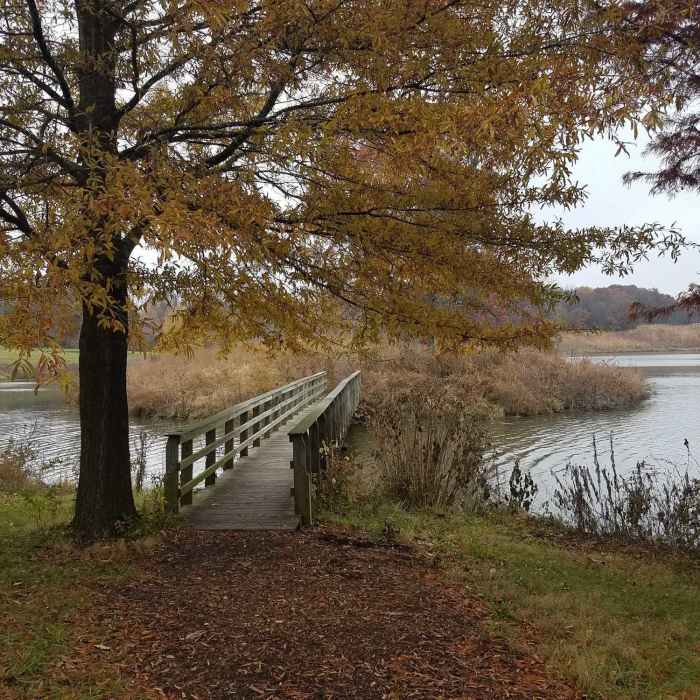
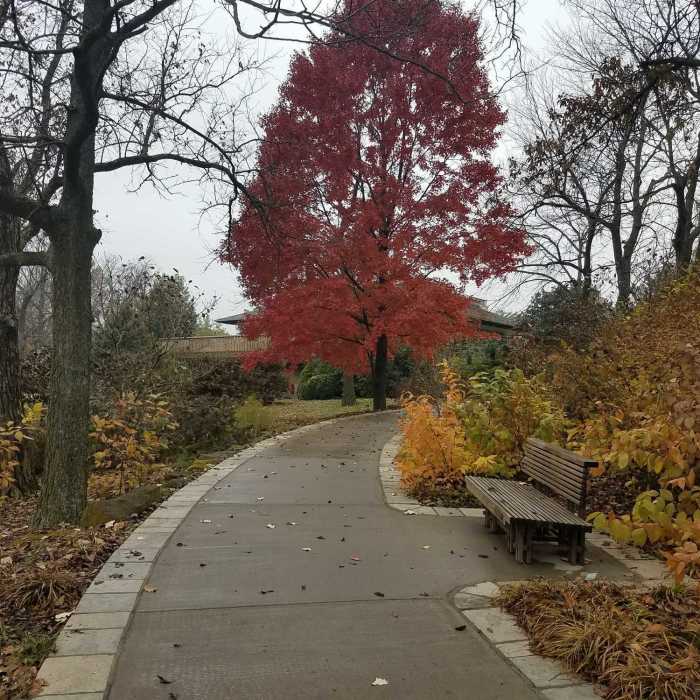
Powell Gardens is known for its spectacular garden displays incorporating native plantings and the Heartland Harvest Garden, the nation's largest edible landscape. Powell Gardens also is known for its contemporary architecture by the architectural firm originally established by Fay Jones, now Maurice Jennings Architects.This hike through Powell Gardens is along a mostly paved path and will take you through seven themed gardens which include the following:- Visitor's Center Grounds, a formal, seasonal garden.- The Island Garden which contains the nation's longest living wall.- The Woodland and Stream Garden which contains peaceful waterfalls, shade from the summertime sun, and beautiful fall colors.- The perennial garden with seasonal perennials, plenty of benches, and a beautiful view of the lake.- Landscaping surrounding the iconic Marjorie Allen Powell Chapel.- The Fountain Garden, featuring seasonal installations.- Heartland Harvest Garden, the nation's largest edible landscape.After you finish your hike, stop back at the Powell Gardens Visitor Center and enjoy a meal at Cafe Thyme, and shop in the Perennial Gifts gift shop. During the warmer months, you can also stop by Refresh in the Heartland Harvest Garden for garden-to-table fare including refreshing, seasonal homemade popsicles.
Powell Gardens' history began in 1948, when George E. Powell, Sr., a prominent Kansas City businessman, acquired the beautiful tract of land that is now Powell Gardens.In 1917, Mr. Powell left the grounds to pursue a career in Kansas City. He, along with his son George Powell Jr., and others, took over ownership of Yellow Transit Freight Lines, now YRC Worldwide, in 1952.In 1969, in keeping with his stewardship philosophy, Mr. Powell donated the 640-acre farm to the Kansas City Area Council of the Boy Scouts of America, who used it as a regional camp until 1984.In 1984, with the University of Missouri's School of Agriculture as a partner, the Powell Family Foundation began developing a horticultural and natural resource facility called Powell Center with a leading botanical consulting firm, Environmental Planning and Design.In 1988, official ties with the University of Missouri ended and Powell Gardens Inc., a non-profit organization, was established.
No Condition Reports
Contributors