Ready to explore this trail?
View Trail Map in AppRestricted access. Access requires advanced approval and accompaniment by authorized staff. There are free ranger-led hikes on weekends in the summer and at other times throughout the year. Tour details can be obtained at the Indiana Dunes Visitor Center at (219) 395-1882. Call to confirm tour dates and times or check the park newspaper, The Singing Sands. You can also find tour dates on the park website at www.nps.gov/indu or www.facebook.com/IndianaDunesNPS.
Path Type
There and Back
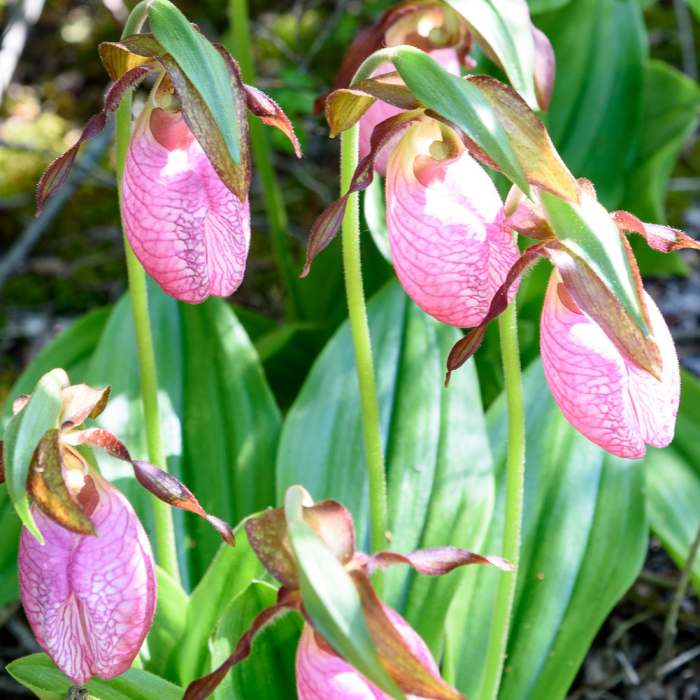
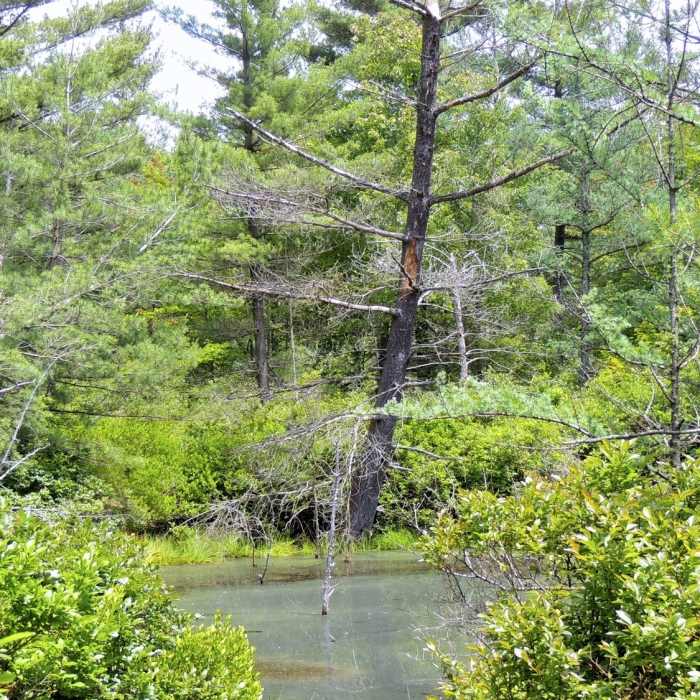
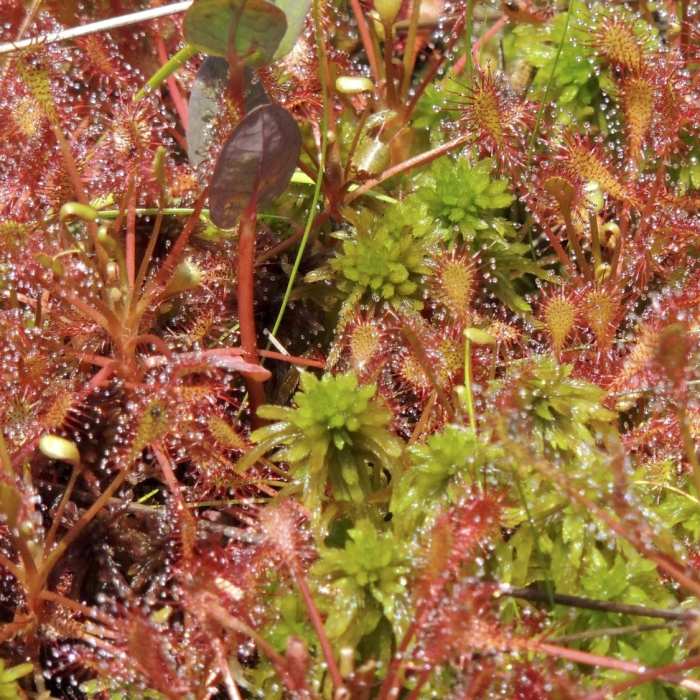
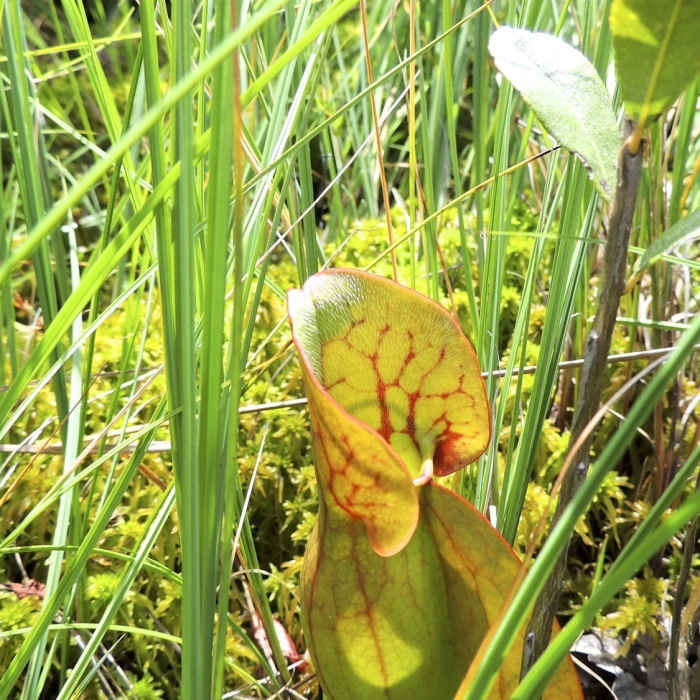
Bogs like Pinhook are relics of our glacial past. Trapped in the pulverized clay and rock left behind by a melting glacier, Pinhook Bog began as a kettle lake. Cut off from ground water, Pinhooks water gradually became acidic. Sphagnum moss, tolerant of acidic waters, formed floating mats that eventually supported carnivorous plants like pitcher plants and sundew, orchids like pink lady's slipper and ferns. Over time, blueberry and holly shrubs colonized this unique acidic bog, eventually giving way to larger trees like tamarack and red maple.
Pinhook Bog is on the National Natural Landmark list.Indiana Dunes National Park (formerly national lakeshore) was established to preserve portions of the Indiana Dunes and other areas of scenic, scientific, historic and recreational value. Up to two million annual visitors enjoy the park's 15,000 acres of wetlands, prairies, sand dunes, oak savannas, forests, and historic sites. The park's 15 miles of beaches hug the southern shore of Lake Michigan from Gary, IN, to Michigan City, IN. For more information, visit https://www.nps.gov/indu/index.htm or https://www.facebook.com/IndianaDunesNPS.
No Condition Reports
Contributors