Ready to explore this trail?
View Trail Map in AppPath Type
Point to Point
The trail heads north across an open meadow. This whole area was thoroughly burned by the fires of 1988. Although some areas of the park will take 100 years or more to recuperate, meadows like this significantly regenerated the following summer. In 1989, scores of news reporters fanned out across this meadow to photograph the spectacular wildflower display of lupine and fireweed and to tell the story of nature's amazing recuperative powers. Today, only a trained eye can spot any remaining effects of the fire.
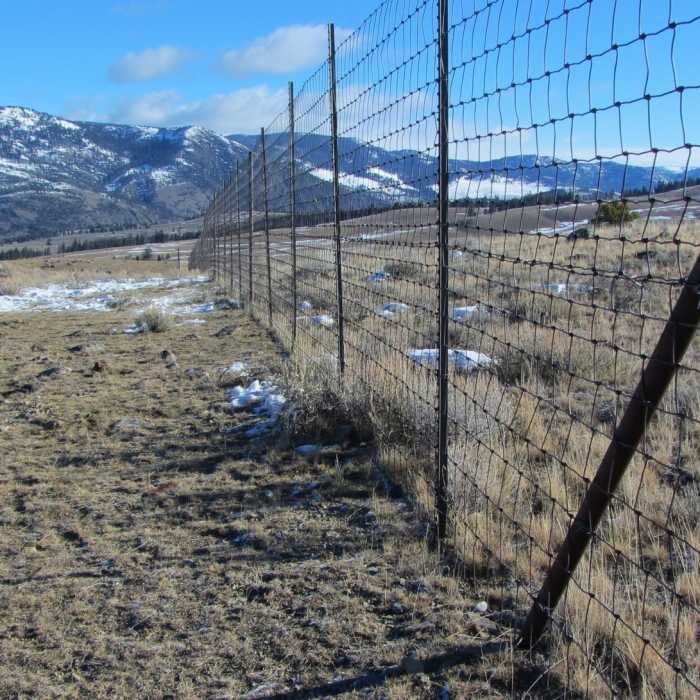
About 0.4 miles from the highway the trail passes a junction with the Blacktail Ponds Spur Trail on the left then climbs a gentle rise. This trail provides fishing access to the ponds and eventually connects with the Lava Creek Trail. Look around for the "elk exclosures" in the area. Park biologists use these fenced-in areas to study the effects of Yellowstone's browsing animals on the native vegetation. Although the fenced-in vegetation is clearly taller, biologists found a surprising thing. In some cases grazing decreased plant diversity, as the taller plants shaded-out the shorter species.
The next 1.5 miles take you over beautiful open meadows (excellent for wildflowers). Along the way, passing a junction with the Rescue Creek Trail on the left at the 0.7 mile mark. Soon our trail joins Blacktail Deer Creek and plunges over 800 feet to the bottom of the Black Canyon of the Yellowstone. Shortly after you begin your descent, listen for a falls on the creek just a few yards to the right (SE) of the trail. This small 20-foot falls is known as "Hidden Falls." Just downstream, notice the rock wall on the opposite side of the creek. It looks like a solid row of fenceposts! This unusual geological formation is called "columnar basalt." Cooling of an ancient lava flow caused the rock to contract and crack into many-sided columns.
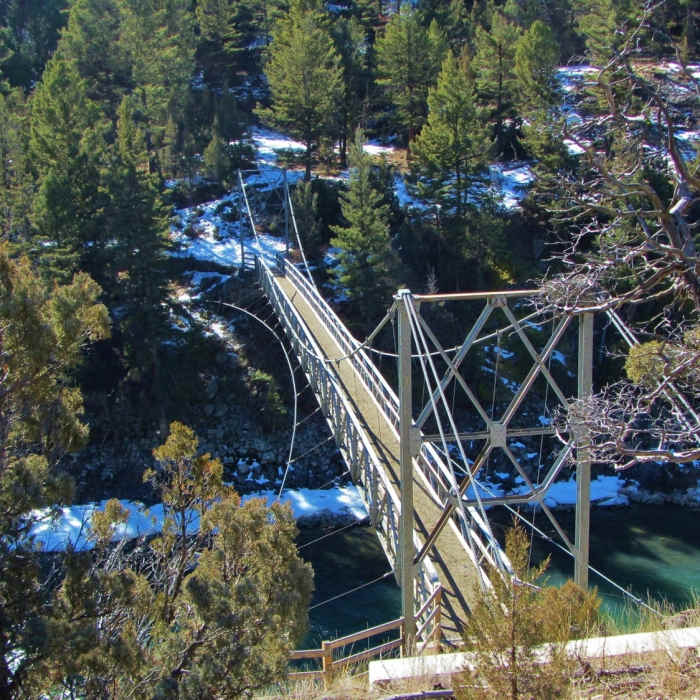
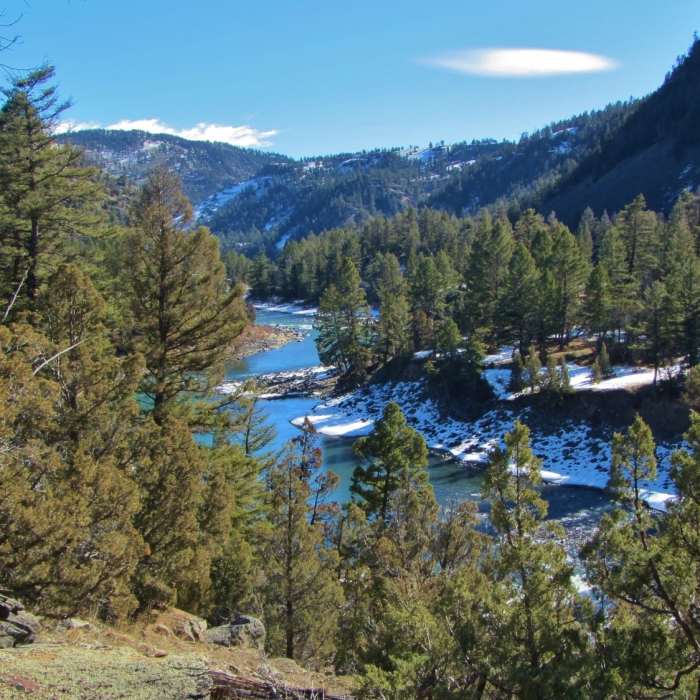
About 4 miles from the trailhead you reach the banks of the mighty Yellowstone River, deep in the heart of the Black Canyon. The trail uses a steel suspension completed in 1936 to cross the river. It was here, near the mouth of Blacktail Deer Creek, that President Teddy Roosevelt camped with naturalist John Burroughs in 1903. In Roosevelt's words, "It was a very pleasant camp... Where our tents were pitched the bottom of the valley was narrow, the mountains rising steep and cliff-broken on either side."
Once across the river the trail scrambles 100 feet up a slope and ends as it joins the Yellowstone River Trail.
Thanks to guidebook author, Tom Carter, for sharing this trail description. To learn more about visiting Yellowstone, check out his book, Day Hiking Yellowstone.
No Condition Reports
Contributors