Ready to explore this trail?
View Trail Map in AppPath Type
Point to Point
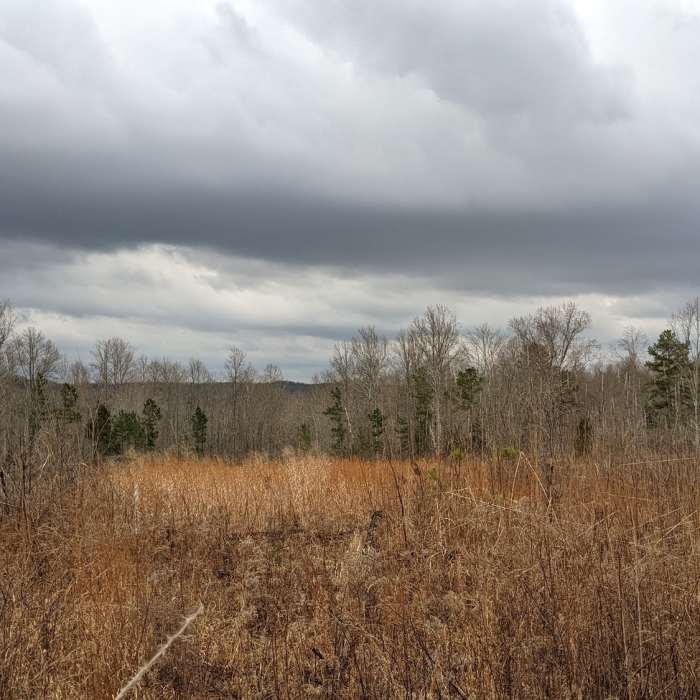
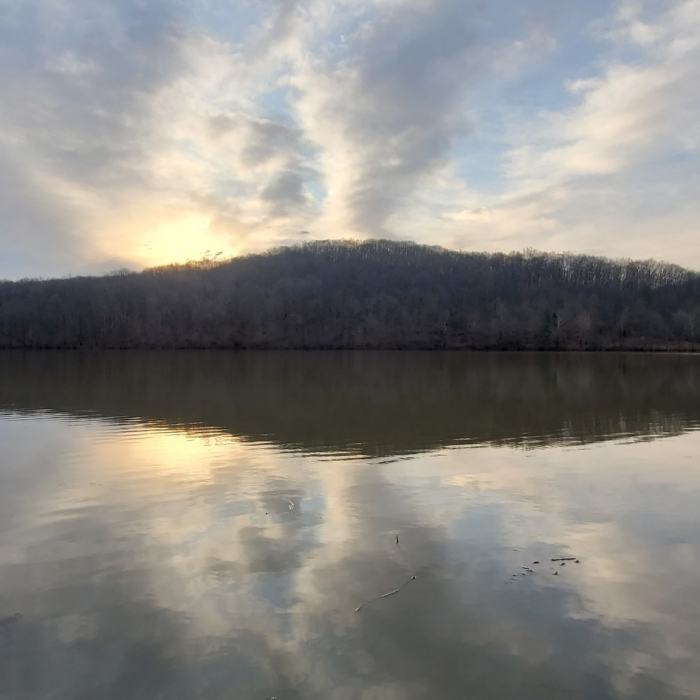
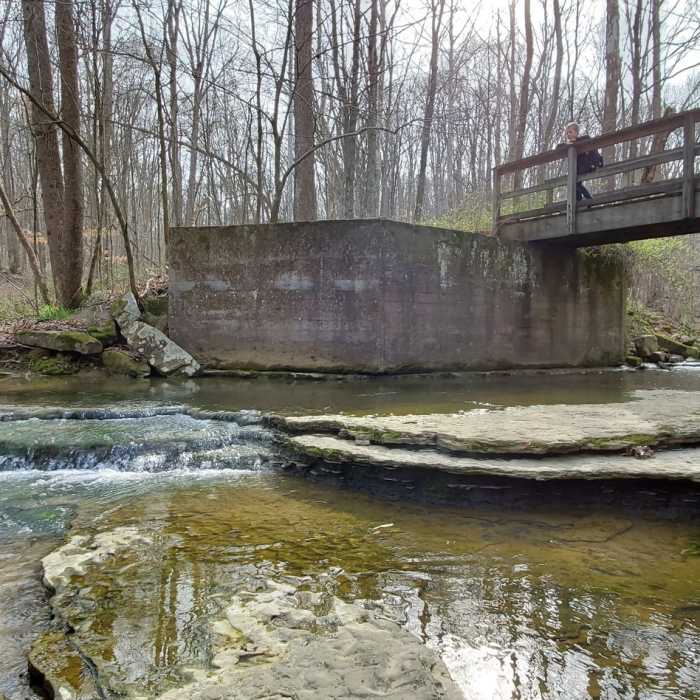
There are multiple parking areas along main road through the park where you can begin your hike. This mapped hike beings at the first parking area on the left after entering the park, and is at the bottom of the hill just past the Lake Celina and campground road. As a national forest, backcountry camping is permitted. There are some frequently used sites along the west, south, and southeastern sections of the trail. There is a well established backcountry camp site just to the east of the Lake Celina Dam, approximately 50 yards or less from where the woods end. Potable water is available during the peak/warm months at restrooms and campgrounds. Unfortunately, the trail only passes near those locations along the north-east side of Lake Celina.The trail is well marked with white diamond blazes.Hiking counter-clockwise will take you uphill rather quickly. At the top, you'll pass through a previously forested area that has been cleared in recent years and re-established in warm-season grasses. Eventually, the trail drops down into a large valley where you'll encounter a few large stream crossings. The largest of which is the Middle Fork of the Anderson River. The river is wide, relatively shallow and rocky, and depending on rainfall, you may find the water knee-deep. There are a few more challenging hills as you wrap around Indian lake, and a larger hill to traverse as you travel between the two lakes on the south side. After crossing the Lake Celina dam, the trail follows the lake's perimeter at a reasonable distance so that you get occasional views of the lake, but are never at risk of sliding into the water. The shoreline is rather steep, and the lake is quite deep. Near the end of the loop, the Two Lakes Trail briefly merges with the Celina Interpretive Trail which splits to the west. Taking a side-hike to the Rickenbaugh house via the Interpretive Trail is worth the effort. Another trail spur leads to the south face campground.The park service map lists the hike as 15.7 miles, but GPS tracking usually tracks less mileage.
A short 1-mile round-trip side-hike to the Rickenbaugh house via the Celina Interpretive Trail is worth it. The two-story sandstone house was built in 1874 and served 4 generations of the Rickenbaugh family before being sold to the forest service in 1968. An informational kiosk is outside to share the history, and the park service occasionally opens the house for tours.
No Condition Reports
Contributors