
Ready to explore this trail?
View Trail Map in AppPath Type
There and Back
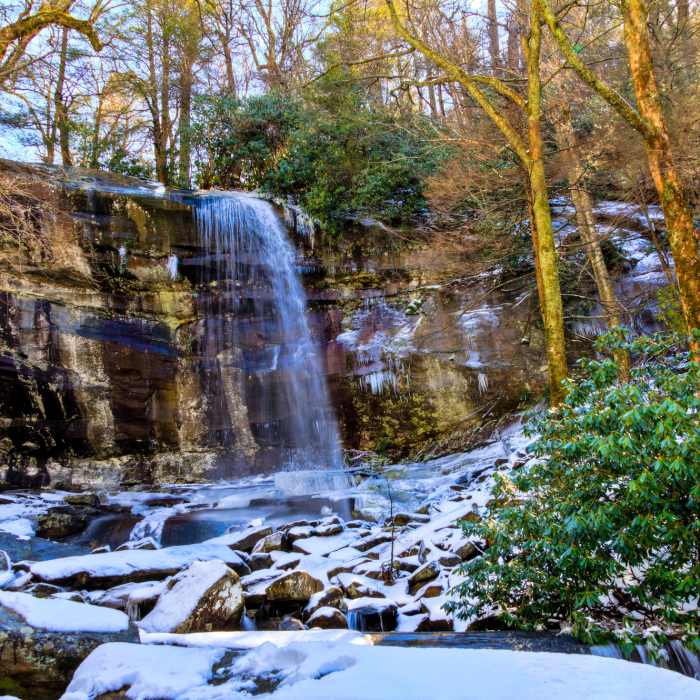
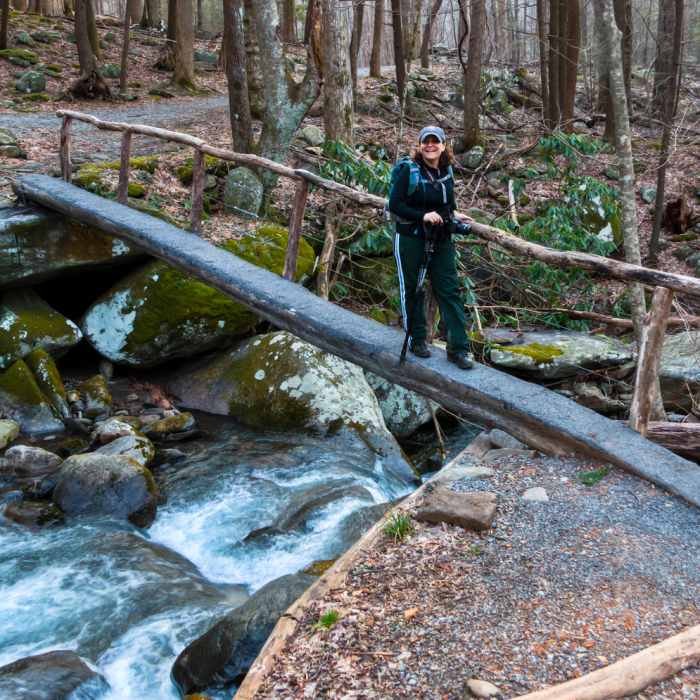
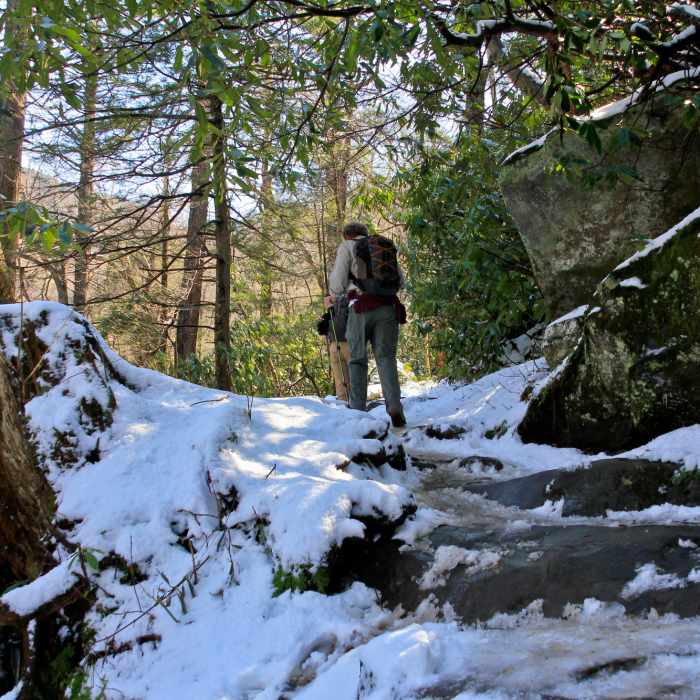
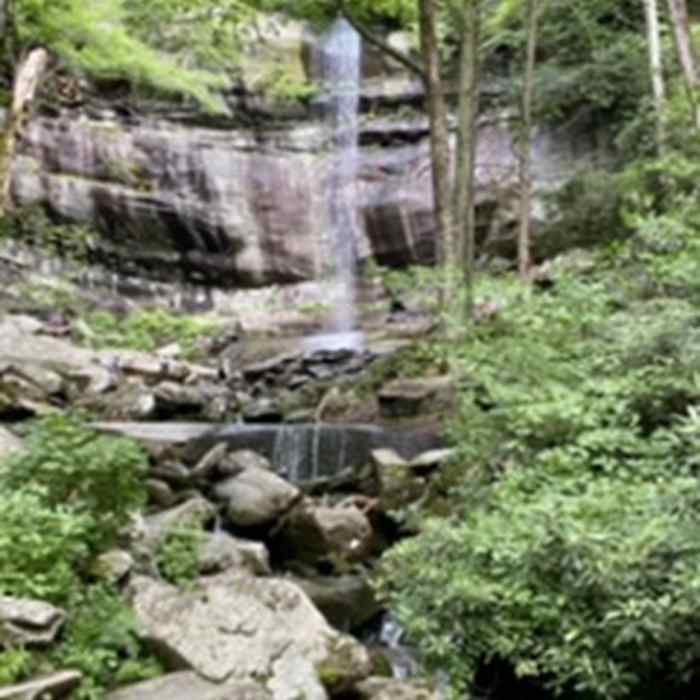
The trail to the falls is a relatively easy, gradual hike with a wide path to hike through. After the falls, the trail becomes more difficult and will require much more effort to get to LeConte which gives it the higher difficulty rating. Proper footwear is highly recommended as the beginning can be fairly rocky, and continuing on the trail beyond the falls will require adequate clothing during colder periods. Hiking in the winter can also create ice formations on the trail so consider traction devices.The trail is a steady climb, passing through a boulder field in the beginning, then continuing on to a fairly wide, packed down path with minimal rocks. The trail has switchbacks on steeper parts of the mountain leading up to the falls making it relatively easy to hike up. You'll cross two footbridges on your way to the falls, one about one mile from the waterfall and another just before the falls.The falls are best viewed after periods of rain. Cold temperatures also provide visitors with beautiful ice formations around the waterfall.It is important to note that visitors should avoid approaching the waterfall on the boulders as they may become slippery. From the falls you may continue on the trail for 4.2 miles to LeConte. Here the trail becomes narrower and steeper, before becoming more moderate again. As you head up higher in elevation, you'll also notice a change in flora, with greater populations in balsam and spruce among other trees. Temperature changes can also be significant and hikers will find themselves feeling colder especially during periods of rain.
No Condition Reports
Contributors