

Ready to explore this trail?
View Trail Map in AppPath Type
Loop
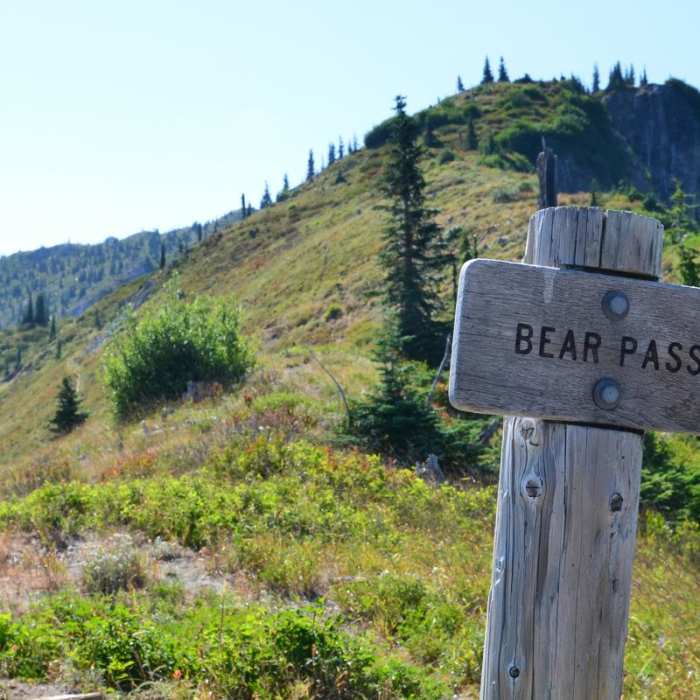
Although Mount St Helens erupted in 1980, the impressive aftermath is still ever present. The Mount Margaret backcountry provides an ominous and humbling glimpse into the power of mother nature. Rugged ridges display completely leveled old-growth forests and erosion. Plant life has made a considerable comeback over the years, however, and a wide variety of wildflowers and vegetation cover the volcanic terrain. This particular trip focuses on an out-and-back section of Lakes Trail #211 and passes by four pristine lakes, three of which include designated campsites. Beginning at the Norway Pass Trailhead, the dusty ash trail immediately begins climbing Boundary Trail #1 up to Norway Pass, which provides a breathtaking view of Mount St. Helens and Spirit Lake. From here, youall head right onto Lakes Trail #211, climbing even higher up to 4,950-foot Bear Pass for unimpeded views of Mount Adams, Mount Rainier, Mount Hood, and Mount St. Helens. Those who would like to make a loop out of this hike can jump onto the Whittier Ridge Trail as well;clockwise travel starting toward Mount Margaret and ending with the Lakes Trail is recommended so that there is more uphill travel in exposed sections. Note that distance, elevation gain, and intense exposure combine to make the Whittier Ridge Trail a serious undertaking that should be thoroughly researched before being integrated into a loop. Youall finally begin your decent to a series of log-filled sapphire lakes, the first of which is Grizzly Lake. From Grizzly Lake the trail takes you to Obscurity Lake, Panhandle Lake, and finally Shovel Lake. If vacancies are available, one could plan a multi-day trip that spends a night at each lake. Camping at Shovel Lake involves an additional 0.5-mile descent to the shoreline, yet the scenery is very much worth the extra effort. If you are feeling adventurous, you can avoid an out-and-back by scrambling up to the rugged Mount Whittier ridge to return to Bear Pass. Note that this portion is highly exposed, with sheer cliffs and rudimentary trails. There are a total of eight reservable backcountry campsites throughout this area, each of which requires a permit and is limited to four campers (Ridge Camp allows eight). Pets and livestock are prohibited in this area to help protect the natural habitat. As a result, wildlife is abundant, and itas very likely you'll see elk, deer, mountain goats, coyotes, black bear, rabbits, and plenty of eastern brook trout. Wildflowers and berries skirt the trail for much of the late spring and summer. Each clearly defined campsite is outfitted with a level tent pad, grey water sump, and a compostable toilet. Note that water is not present until later in the hike, so itas highly advised that you carry plenty with you.
No Condition Reports
Contributors