Ready to explore this trail?
View Trail Map in AppPath Type
There and Back
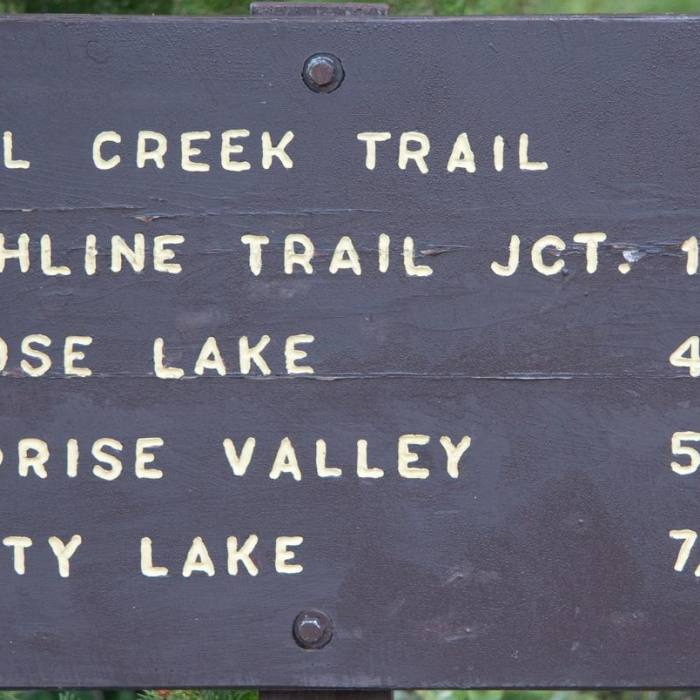
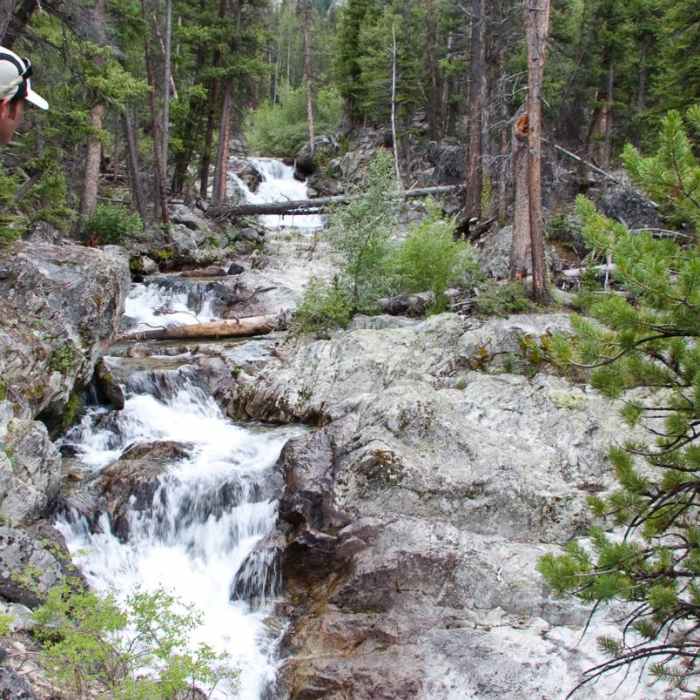
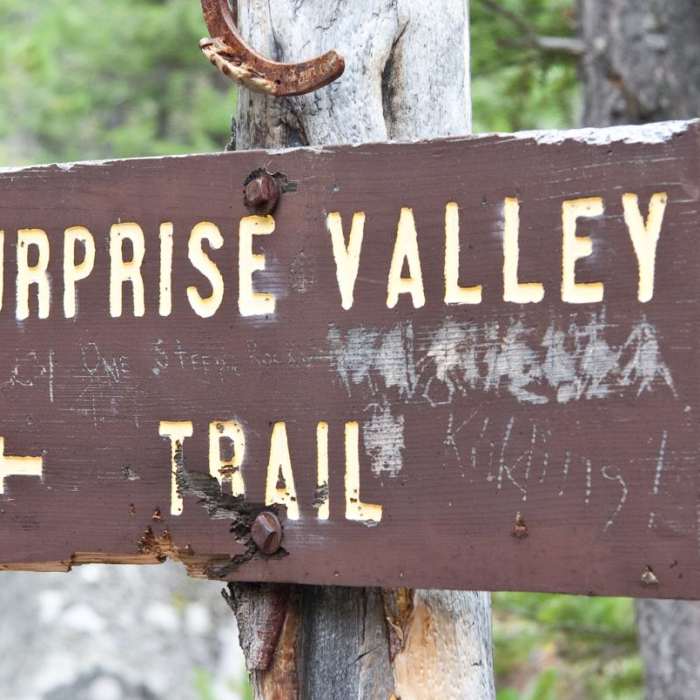
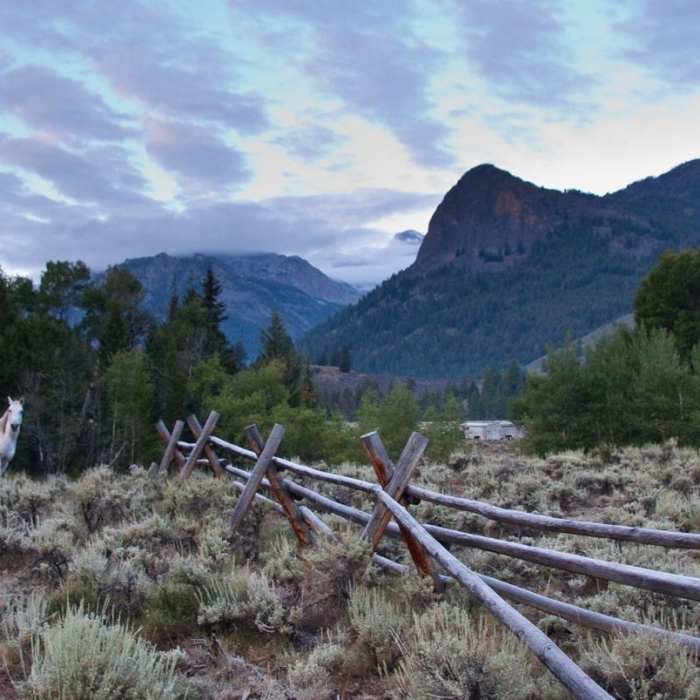
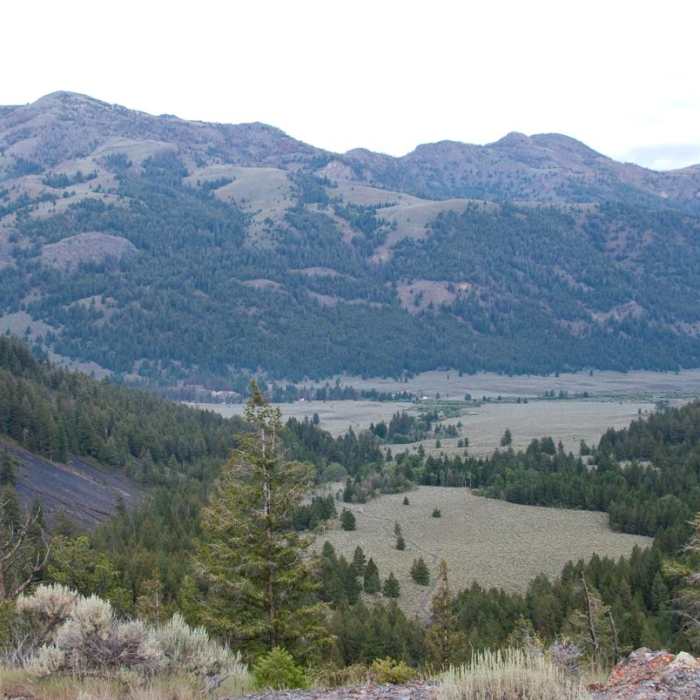
Fall Creek Canyon Overview Fall Creek Canyon is a tributary of the Wildhorse Creek Canyon complex that drains the north side of the 12,000-foot Pioneer Mountain Crest. Though Wildhorse itself is longer and bigger than Fall Creek, a four-wheel drive road climbs nearly to the head of that canyon. The Fall Creek headwaters, by contrast, can only be reached via a 7-mile trail, making it feel much more remote than the Wildhorse Cirque. The entire Wildhorse complex has experienced extensive mountain glaciation. The rivers of ice draining Wildhorse and Fall Creek merged together and extended down canyon to the mouth of the East Fork of the Big Lost River. At times the Wildhorse Glacier dammed the East Fork, forming a massive glacial lake that backed all the way up to the Copper Basin glaciers. Fall Creek Canyon The first 2 miles of the Fall Creek Trail crosses large, open sage-covered benches and terraces that were formed by the outwash of receding glaciers. There is a secluded waterfall hidden behind Point 7,666 about a mile into the hike. It pours through a limestone gorge just upstream from the waterfall accessed by the Fall Creek Falls hike. The underlying geology in the lower canyon is one of broken sedimentary rock that forms steep talus slopes that drop all the way to the valley floor. Near the junction with the Left Fork of Fall Creek the canyon turns to the south and offers tantalizing glimpses of the higher elevation terrain. After another mile of relatively open terrain along a willow-choked creek the trail finally enters a shady forest with moss-covered boulders dispersed among the large Douglas fir trees. A second set of cascading falls can be heard from the trail between the junction to Moose Lake and Surprise Valley. Beyond the Surprise Valley junction the trail sees less use and begins to fade into the landscape after 1.5 miles. As they climb up the Fall Creek Canyon, hikers cross a geologic boundary between the younger sedimentary rocks found near the trailhead. Rocks in the upper canyon consist of clean white granite, swirled metamorphic gneiss, and a variety of compact meta-sedimentary sandstones and quartzites. These more resistant rocks form impressive headwalls and ridgelines at the head of the cirque. Hiking distances and ascents are as follows: aC/ From Fall Creek Trailhead to Left Fork junction: 1.8 miles, 443 feet. aC/ From Fall Creek Trailhead to Moose Lake junction: 2.8 miles, 580 feet. aC/ From Fall Creek Trailhead to Surprise Valley junction: 3.2 miles, 840 feet. aC/ From Fall Creek Trailhead to end of the trail junction: 4.9 miles, 1,360 feet. Additional Adventures The Fall Creek Trail is the access to three different hikes up tributary canyons. These are the Left Fork of Fall Creek, Moose Lake, and Surprise Valley (which also connects over to Betty Lake in Broad Canyon). Off-Trail Hiking Angel Lake is an enticing punchbowl suspended in a tiny basin 1,600 feet above the valley floor. Though it may be easier to climb up and over from Moose Lake, competent off-trail hikers could access this from the Fall Creek drainage. Technical Climbing While there are no known routes that have been established in Fall Creek Canyon, there is plenty of rock with potential for technical routes. The most notable is the 1,600-foot northeast ridge of Peak 11,419. Reference: All content excerpted from Exploring Sun Valley - A Comprehensive Guide to the Boulder, Pioneer, and Smoky Mountains by Idaho River Publications.
No Condition Reports
Broad Canyon: Betty, Goat + Baptie Lakes and the Surprise Valley Divide
Broad Canyon: Betty, Goat + Baptie Lakes and the Surprise Valley Divide
Contributors