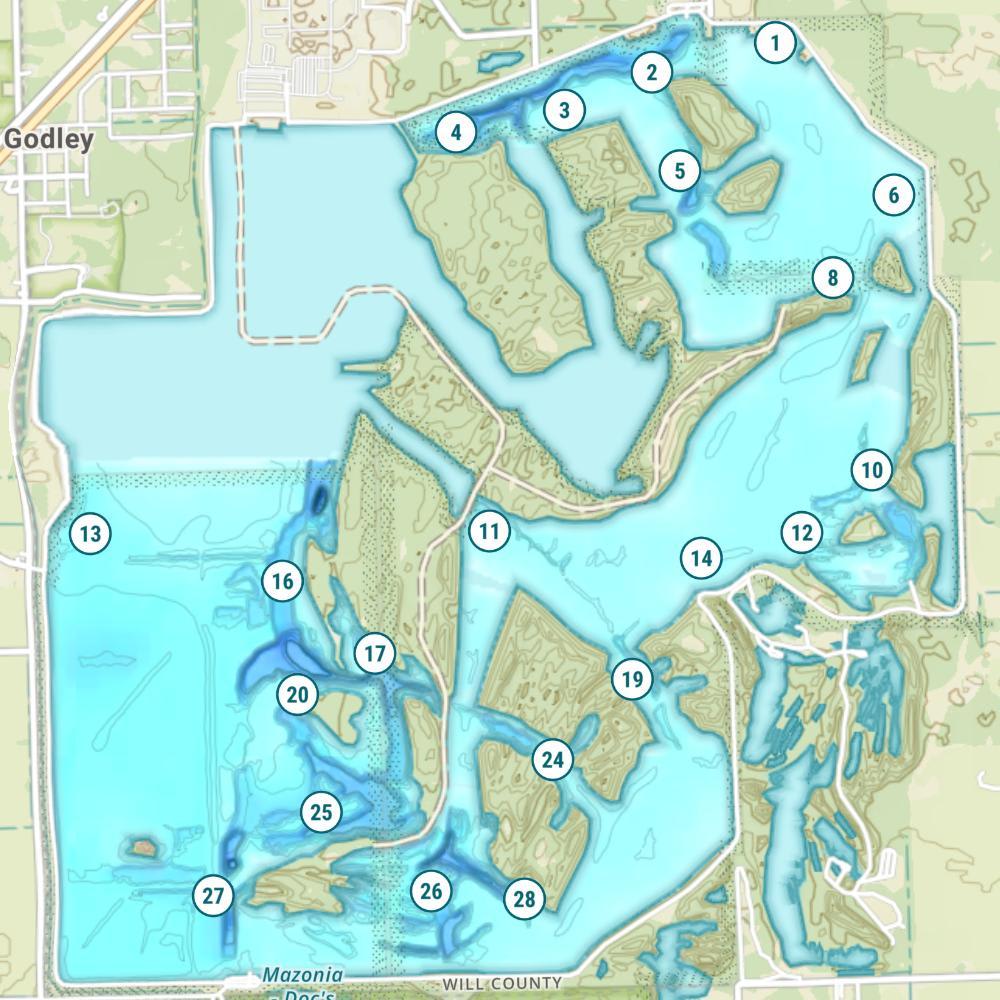
Braidwood Power Plant Cooling Pond

Braidwood Power Plant Cooling Pond

Size
2,542ac
Boat Launch
Yes
Carry-in Launch
No
Toilet
No
Boat Dock
No
Species in Braidwood Power Plant Cooling Pond
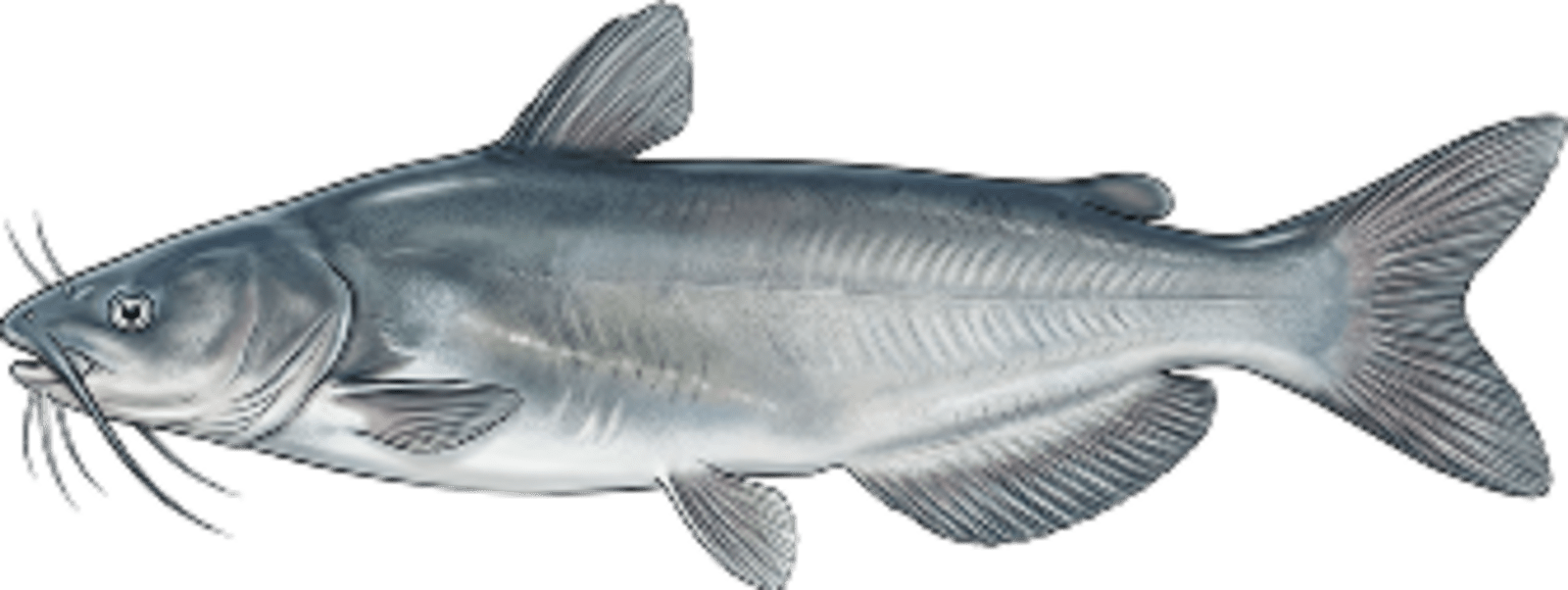
Blue catfish
Blue catfish
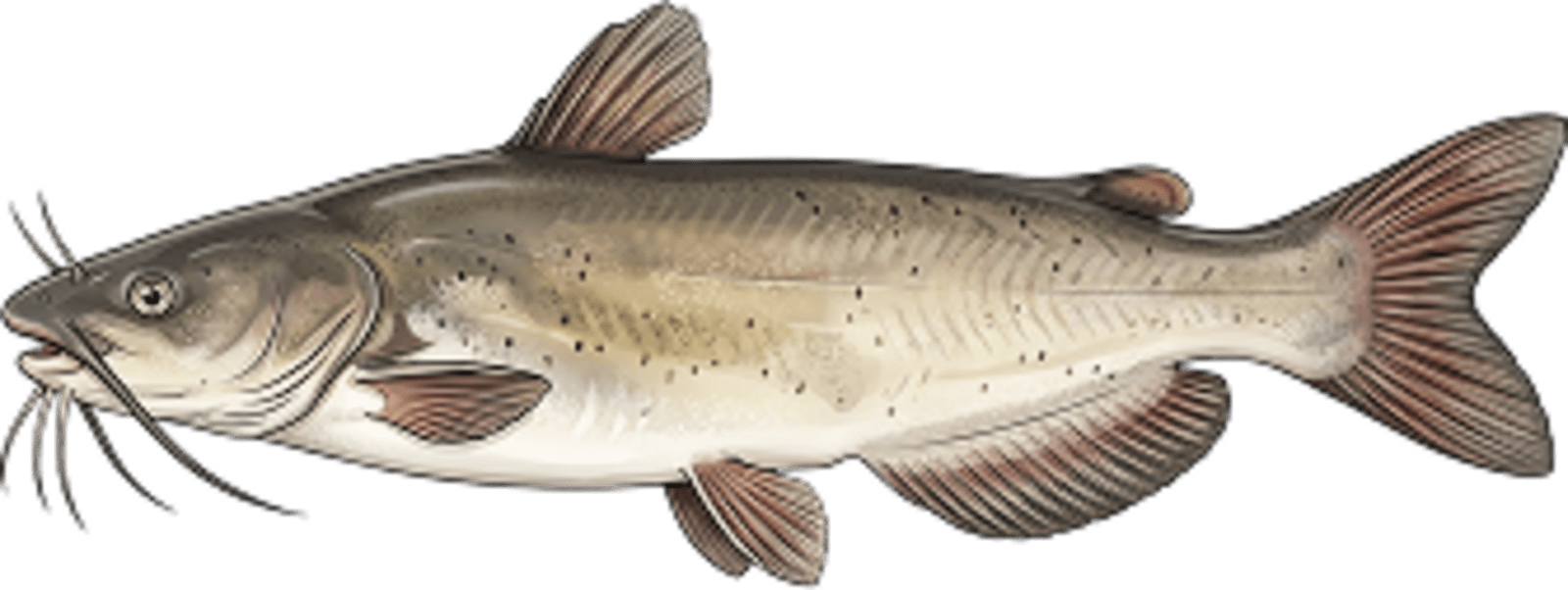
Channel catfish
Channel catfish
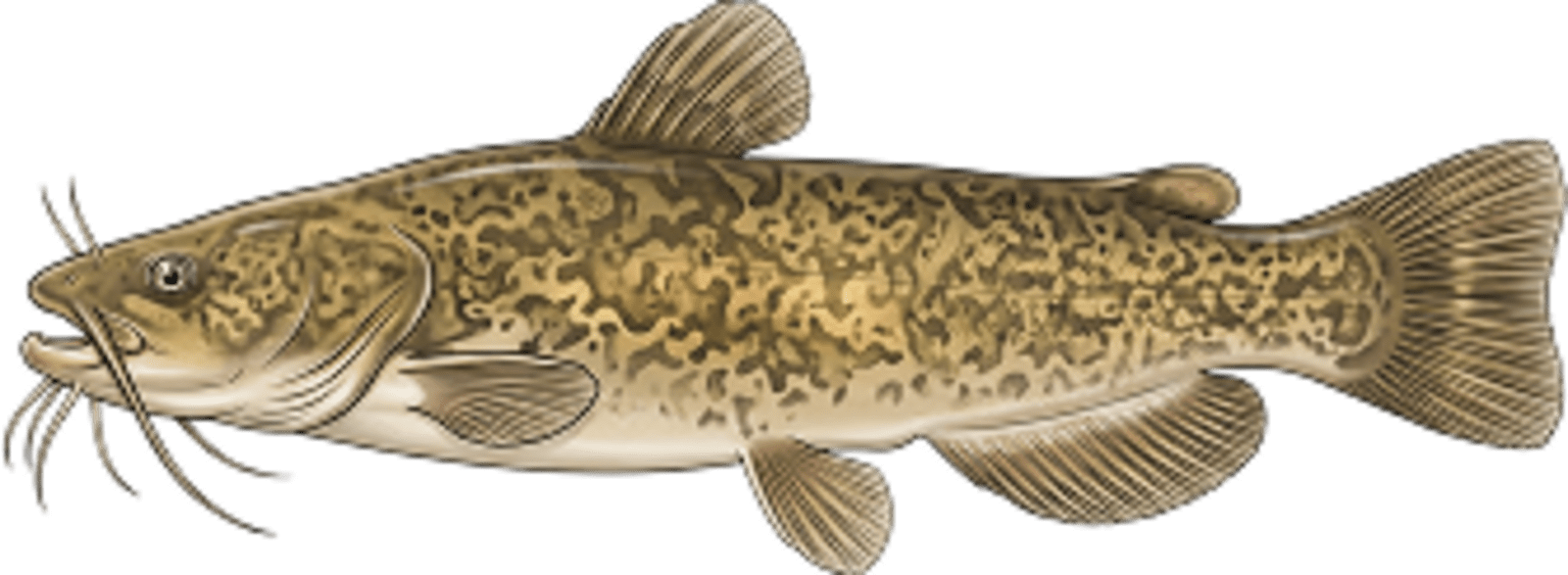
Flathead catfish
Flathead catfish
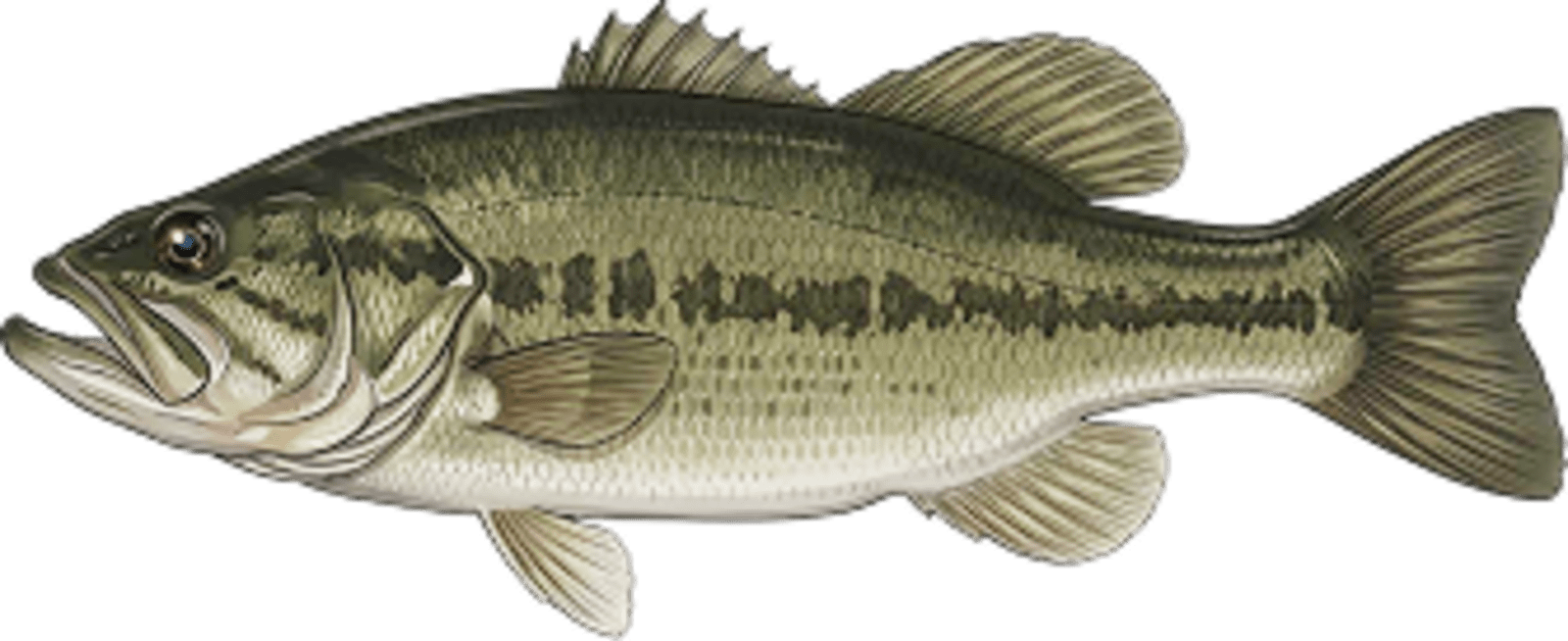
Largemouth bass
Largemouth bass
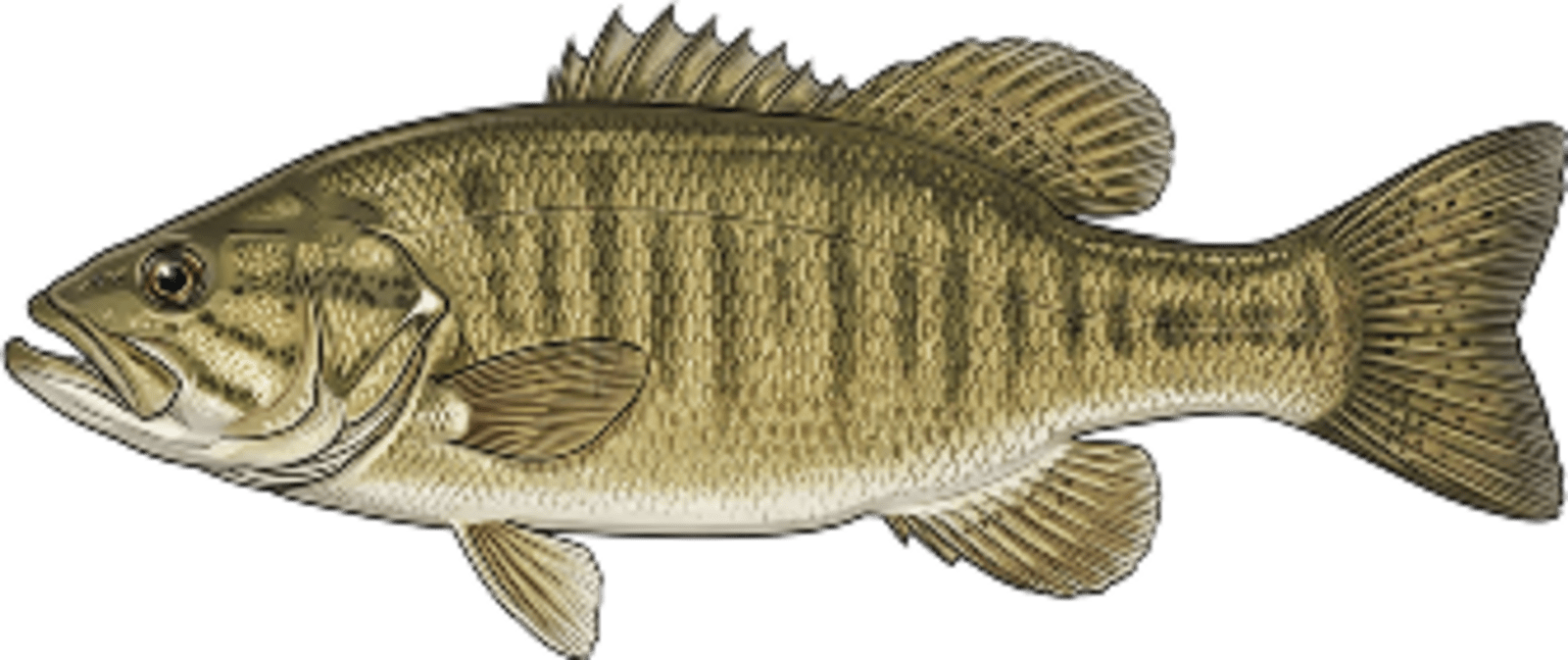
Smallmouth bass
Smallmouth bass
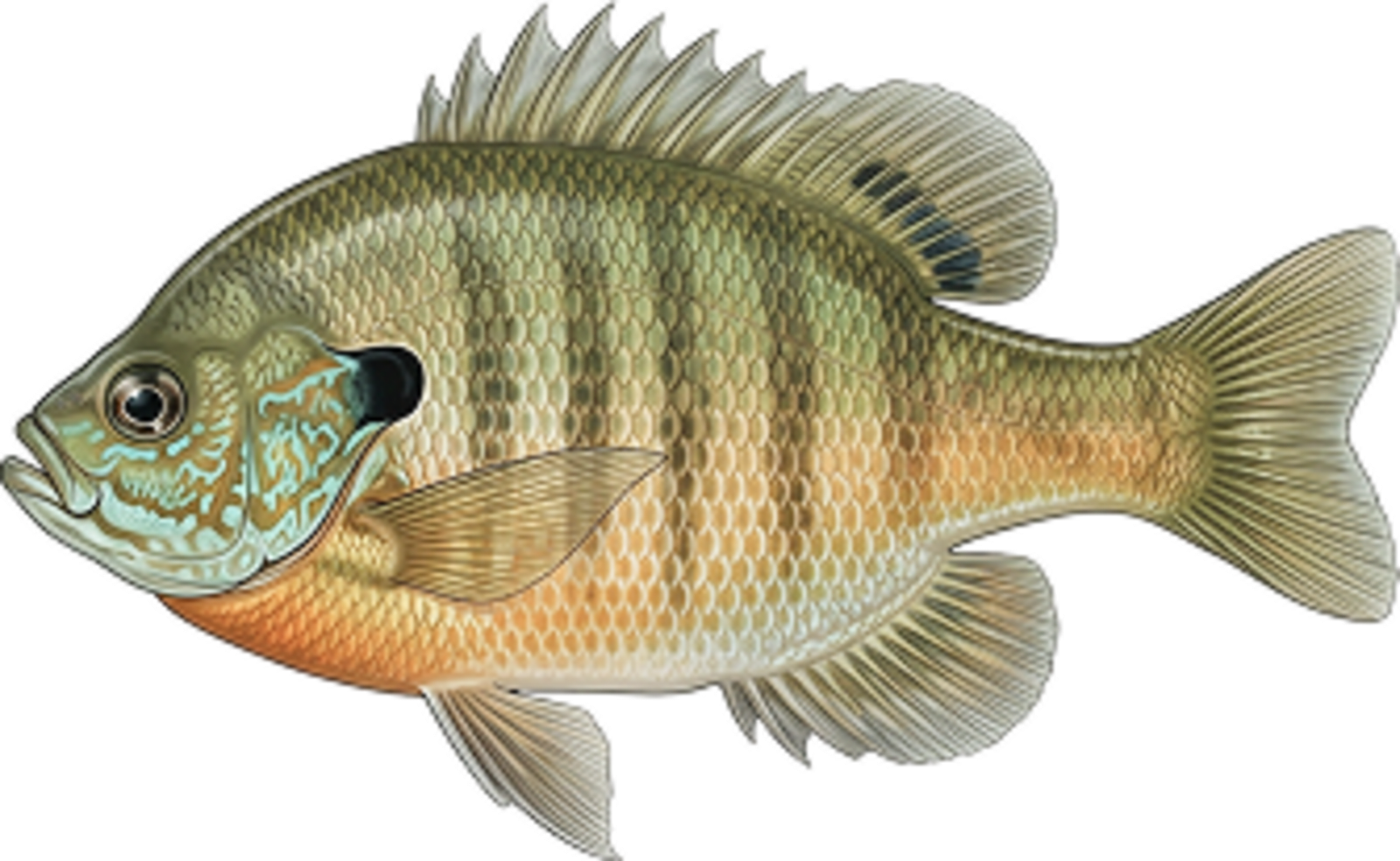
Bluegill
Bluegill
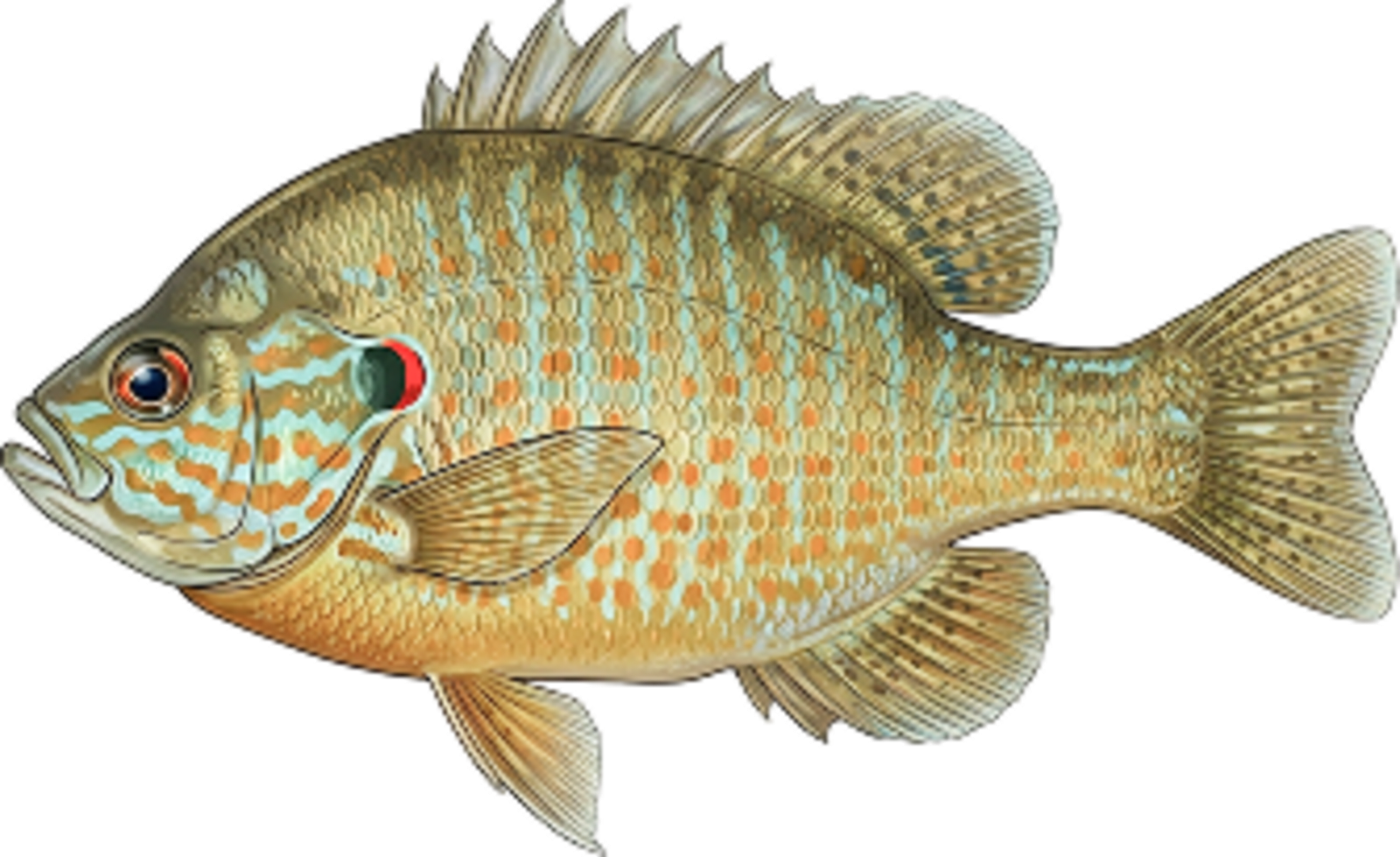
Pumpkinseed
Pumpkinseed
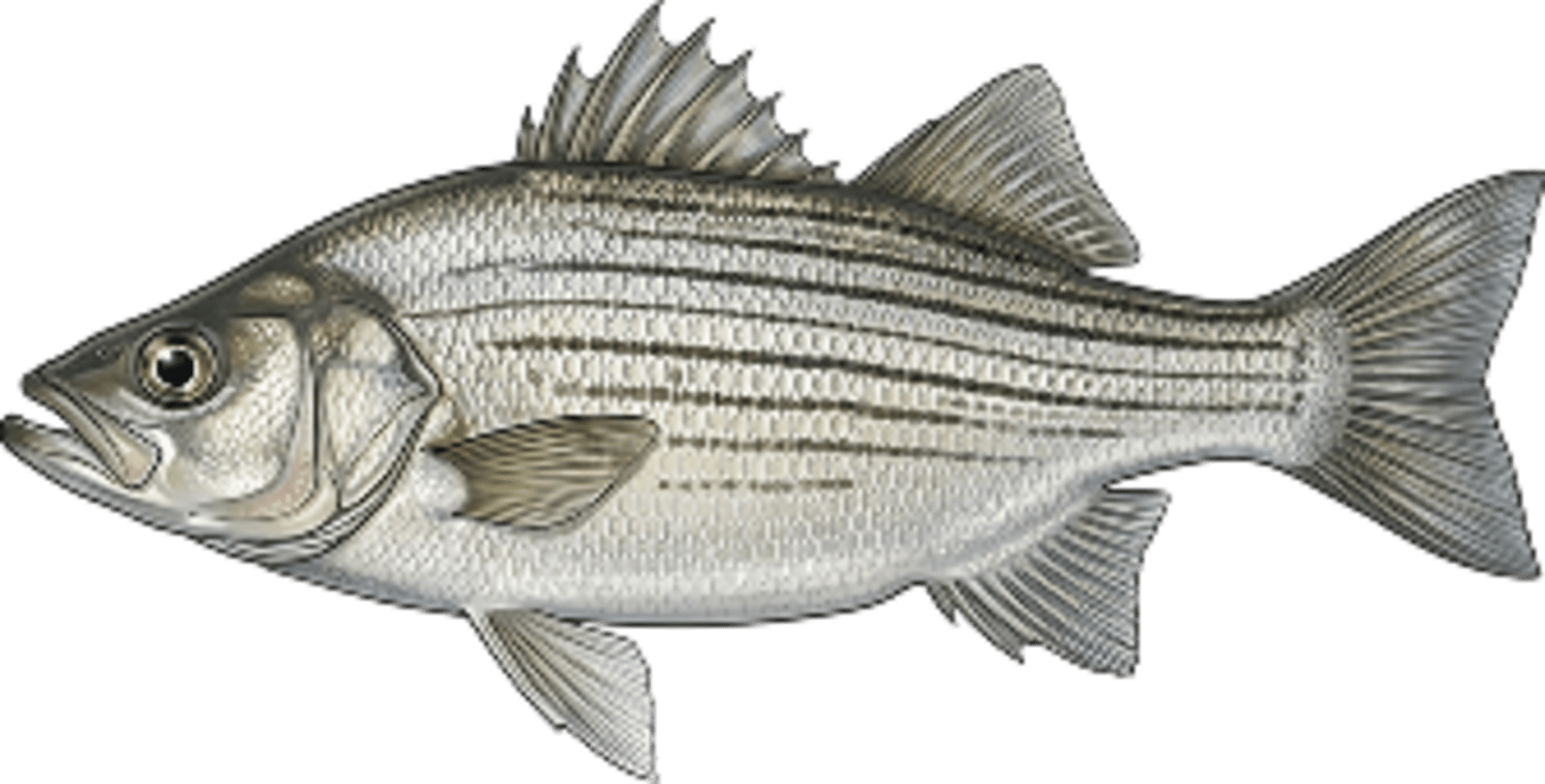
White bass
White bass
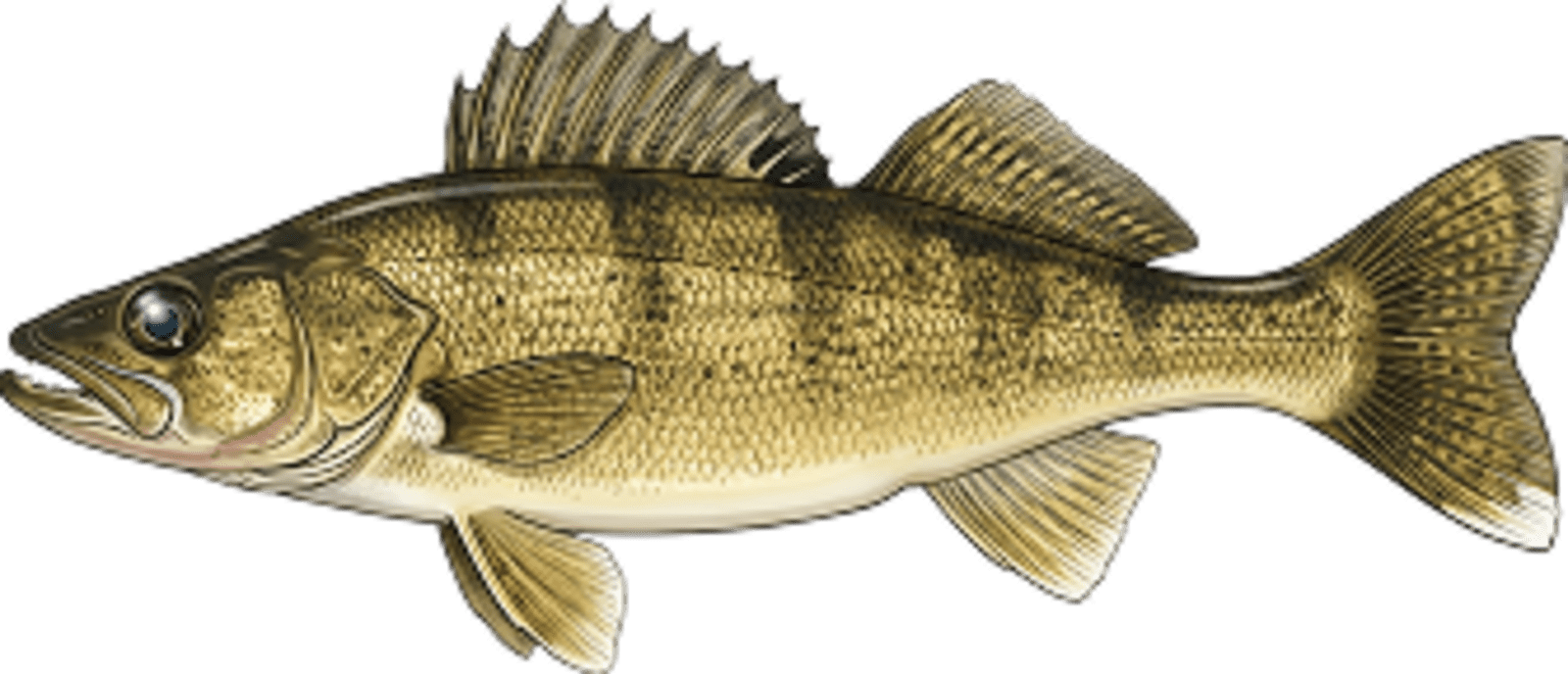
Walleye
Walleye
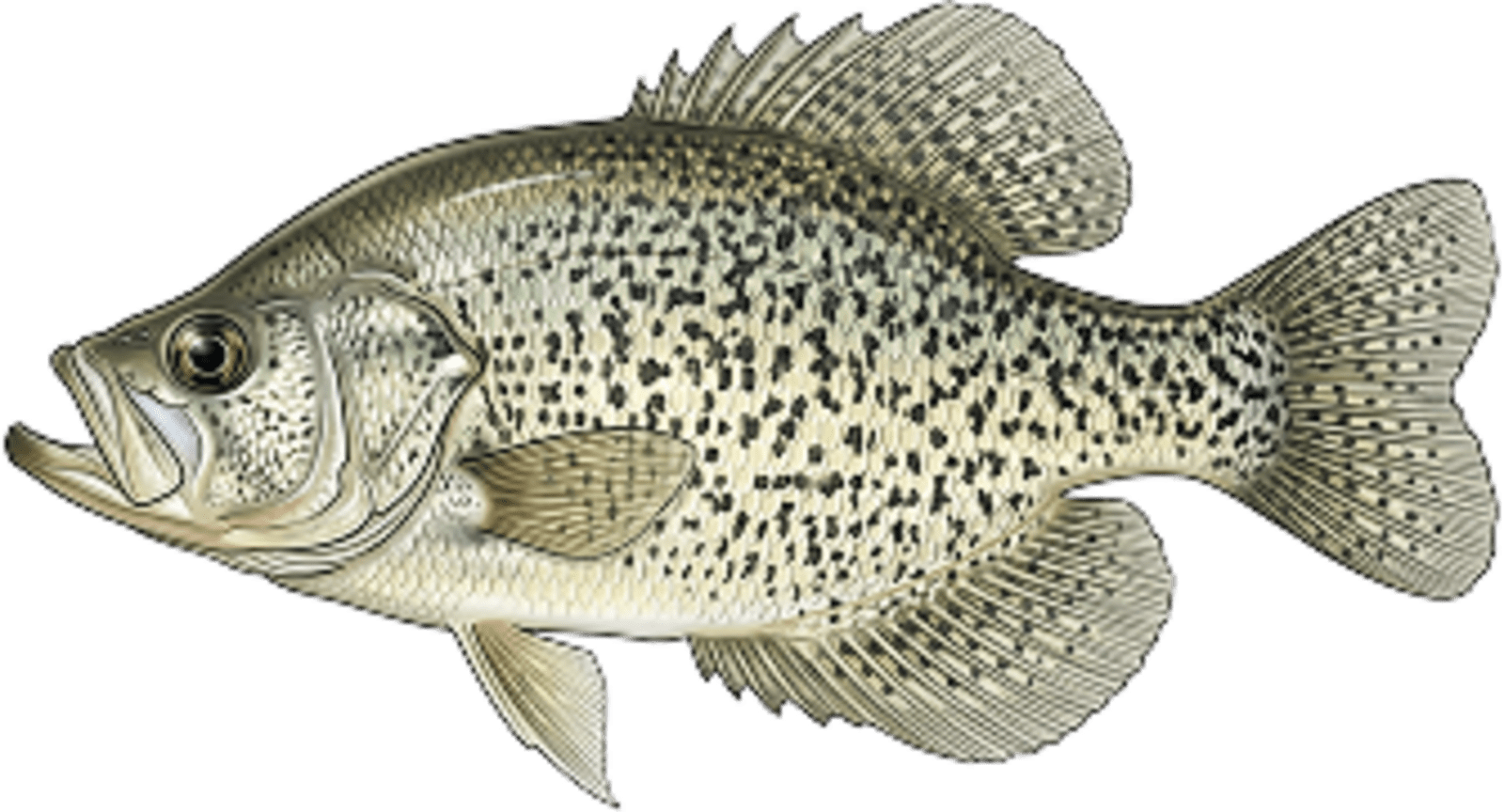
Crappie
Crappie
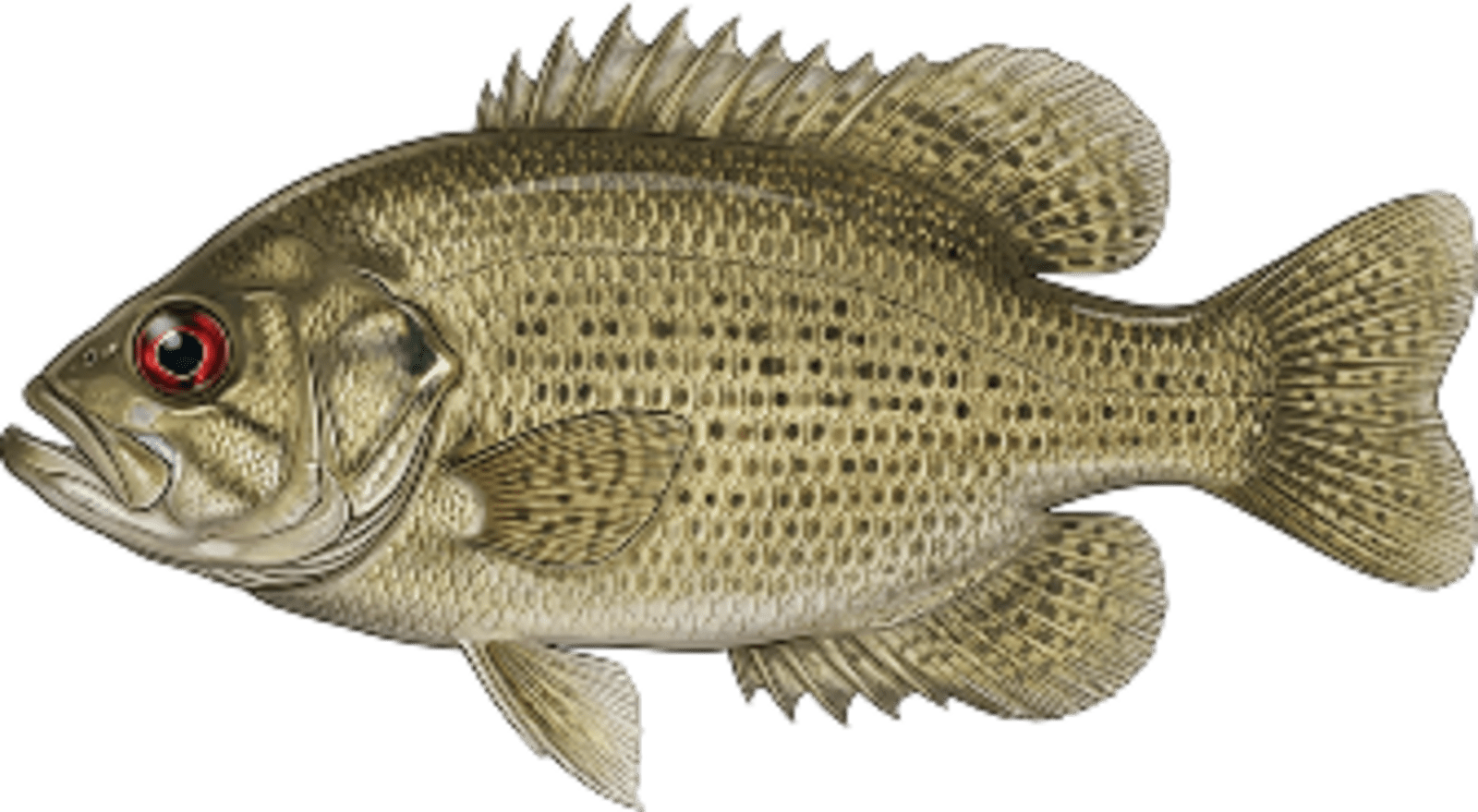
Rock bass
Rock bass
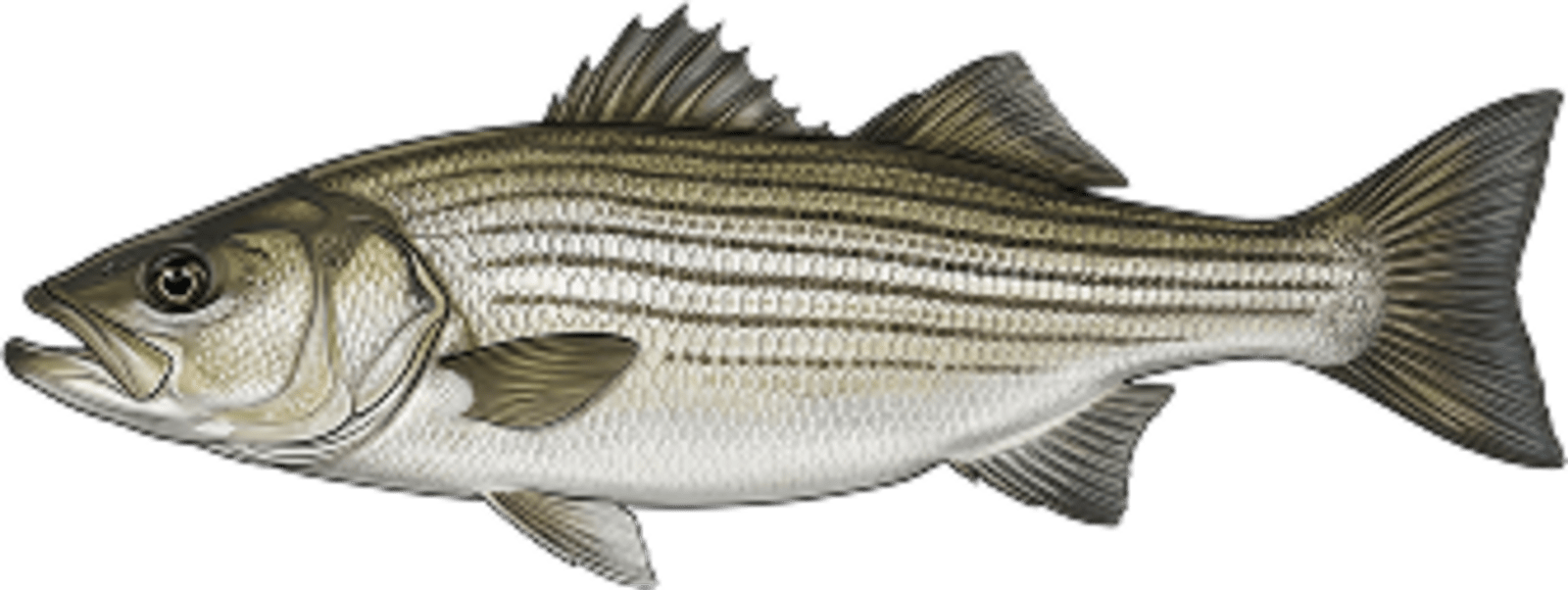
Striped Bass
Striped Bass

Overview

Largemouth, catfish and crappie provide most of the action. Flooded strip pits offer interesting structure.

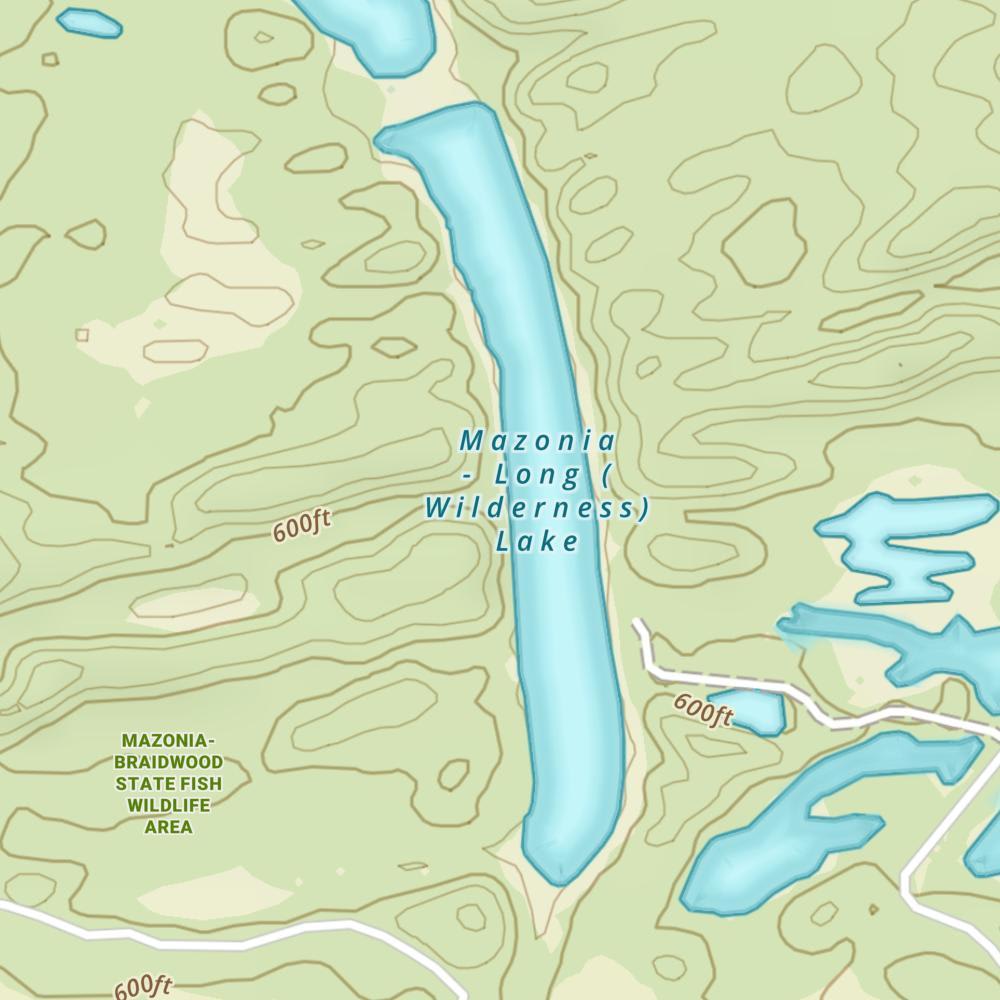
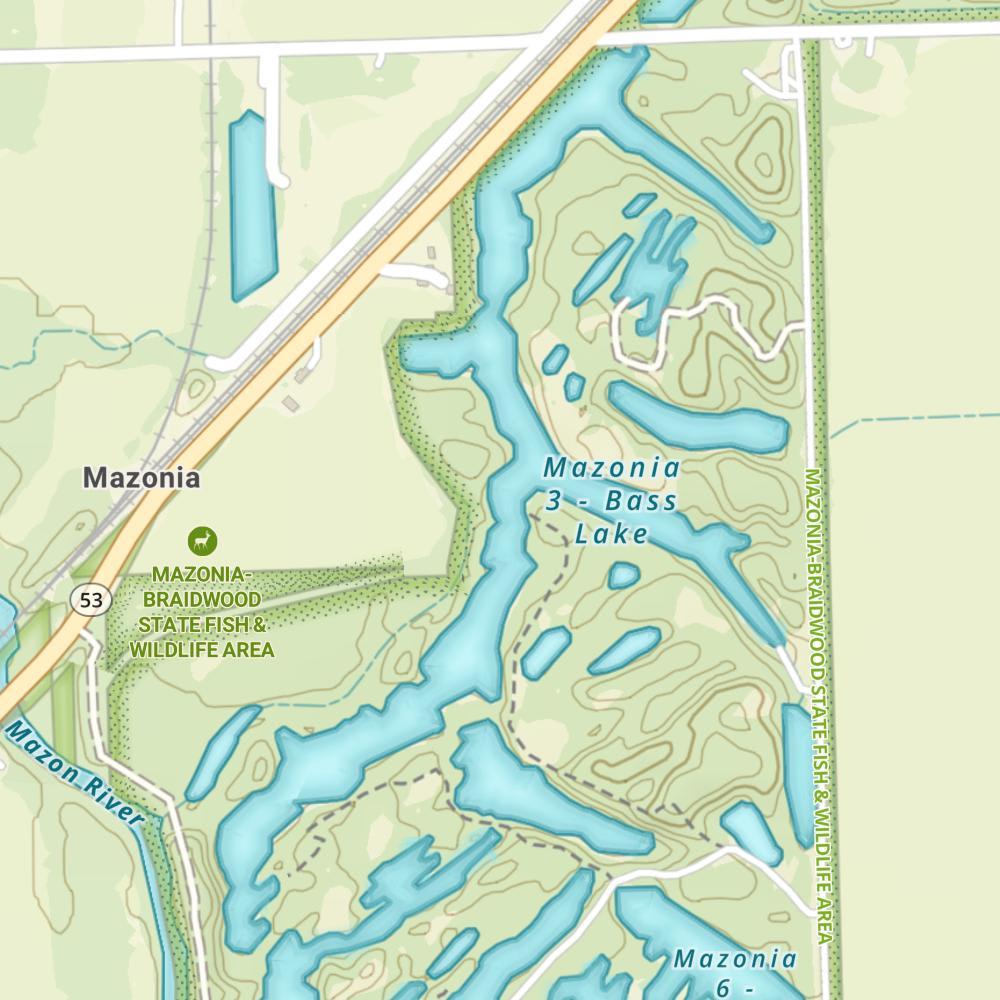
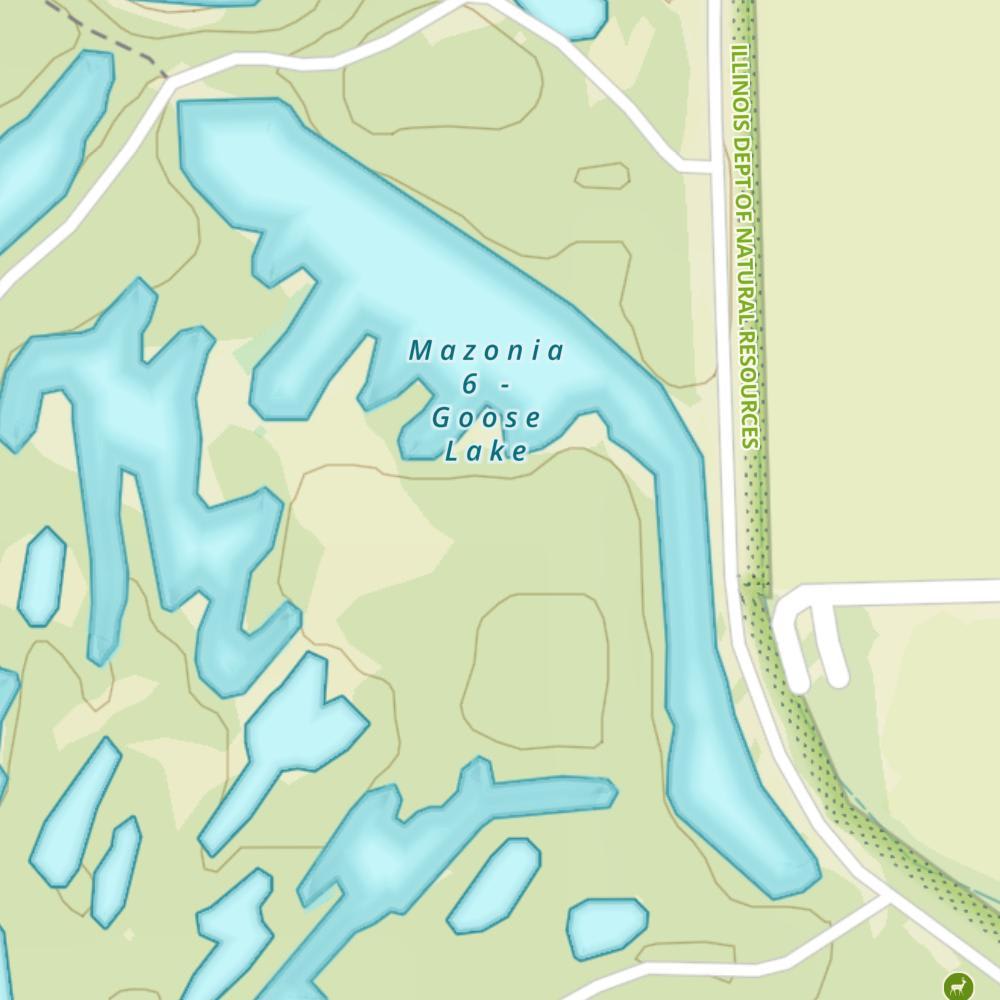
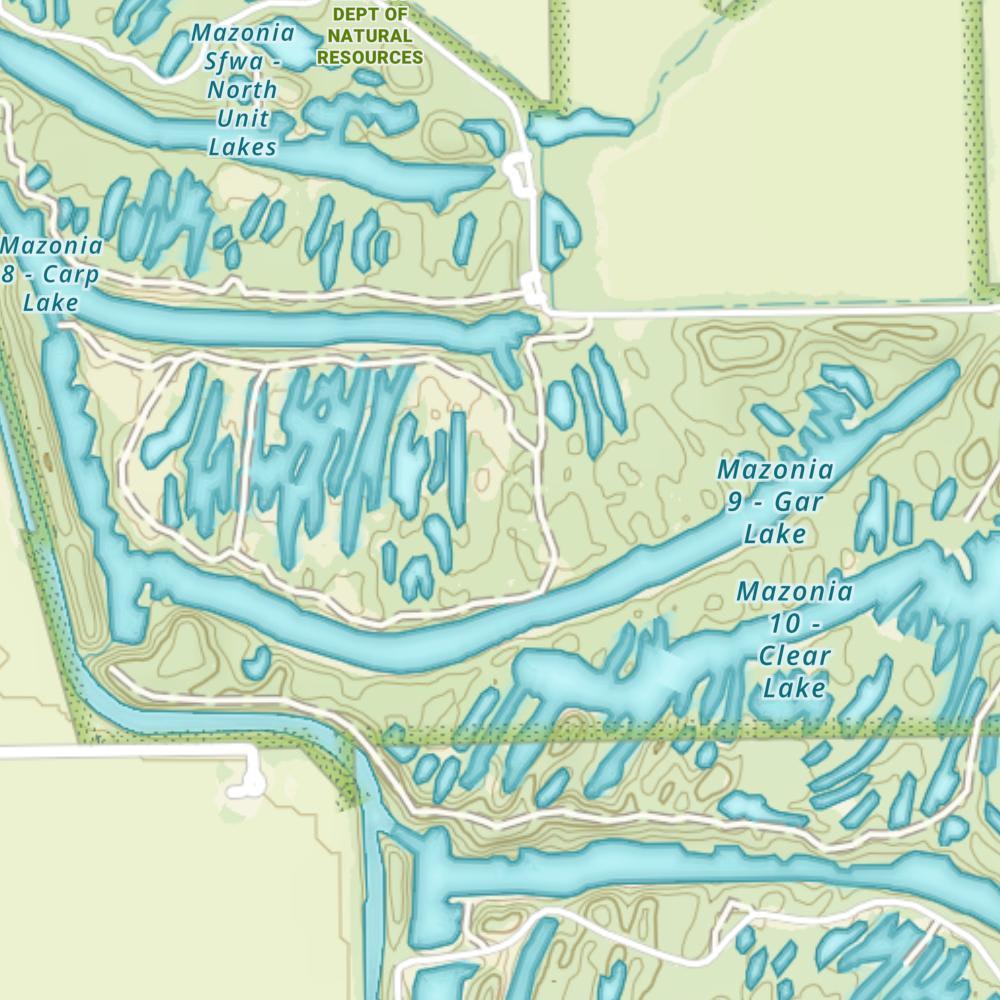
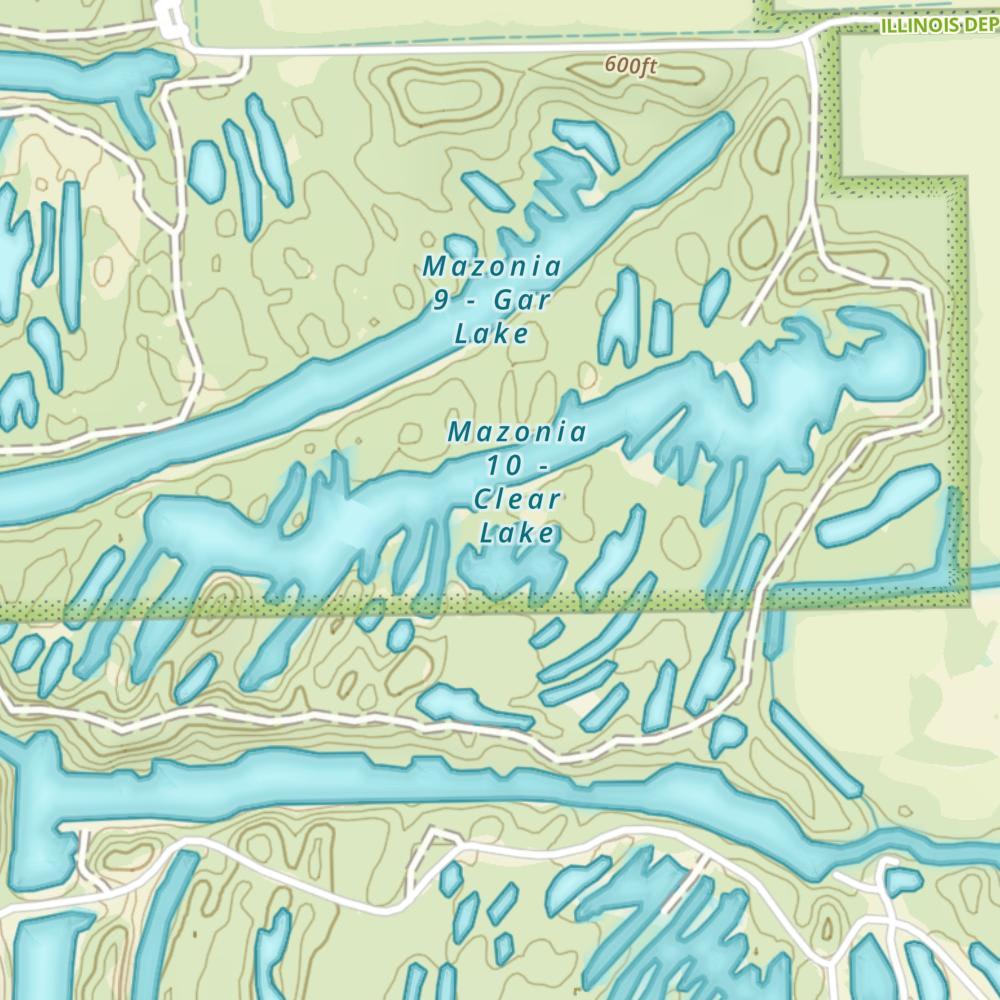
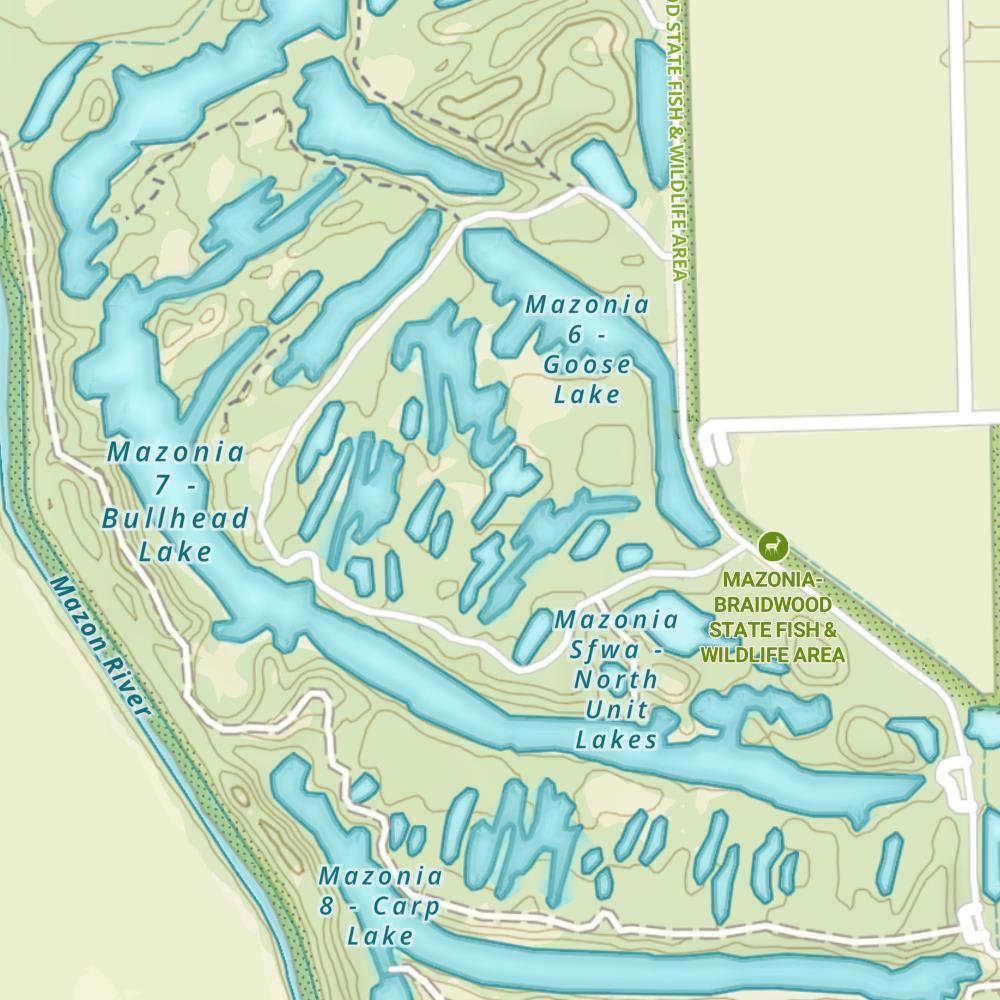
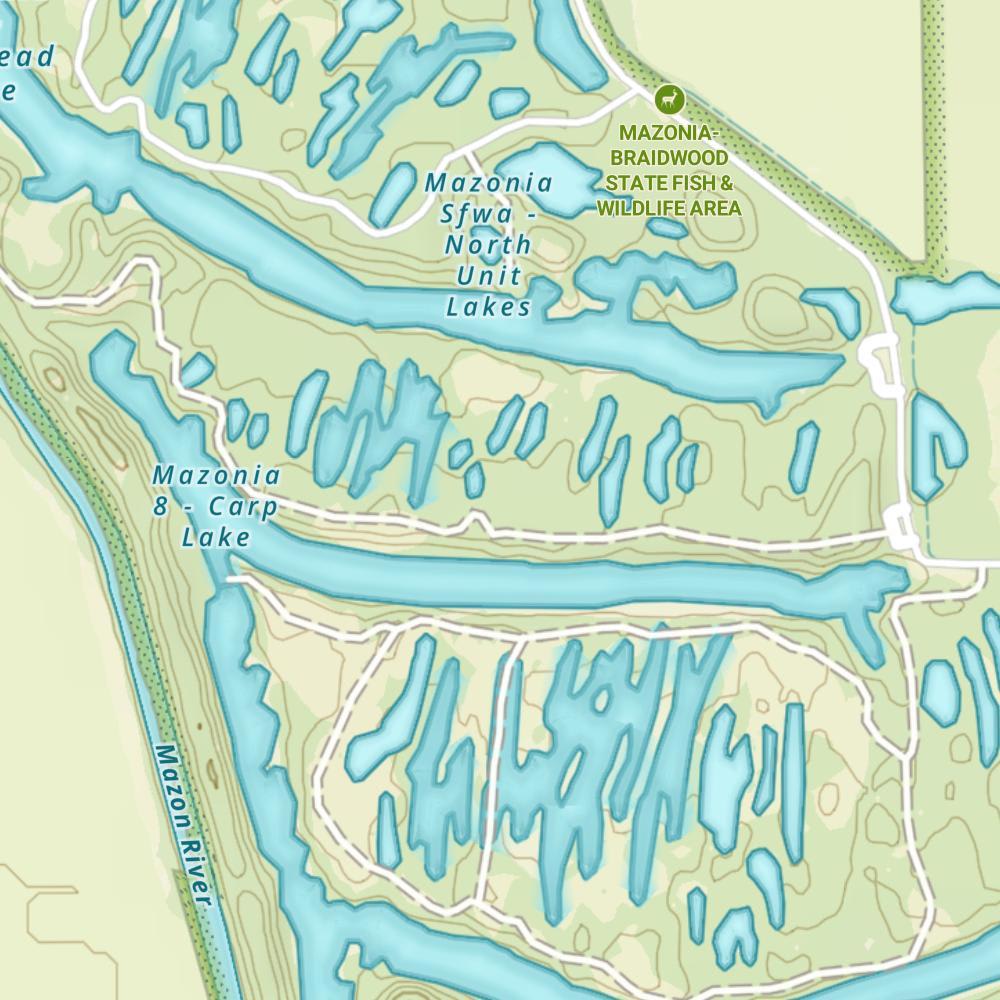
Braidwood Power Plant Cooling Pond Map

Features

Braidwood Lake is a partially perched (elevated above the surrounding terrain to catch wind) cooling reservoir owned by Commonwealth Edison. The lake consists of a series of old strip mine pits that were connected when the surrounding land was diked and flooded. Recreational and biological management is governed by the Illinois Department of Natural Resources. The lake was filled in 1981 and the powerplant, capable of producing 2,240 megawatts of electrical power, was placed on line during 1988. Braidwood was opened for recreational use on October 7, 1991. The only water sport allowed is sporting fishing. About ¾ of the dike is open for use as a walking and bicycling trail. Fishing is allowed from March 1 until 10 days before the opening of waterfowl season. Check state hunting regulations for that date as it may vary from year to year. Accesses are open at 6:00 a.m. and all boats must be off the lake by sunset. There is no horsepower limit but there is a 40 mph speed limit. Buoys identify restricted waters and all islands are off limits (except for emergencies). Tying boats off to buoys is not permitted. All boats must be powered by a gasoline engine and should be at least 14 feet in length. A special flag system is employed at each ramp that indicates projected wind speed for that day. A green flag indicates wind speeds of 0-12 mph, yellow 12-20 mph, and red is for speeds over 20 mph. If the wind is projected to be in excess of 25 mph, the accesses will be closed for that day. Special length and creel limits are in effect. Two pole and line fishing only. The daily limit for bass is 1 fish with a minimum length of 18 inches. For further information, contact Braidwood State Fish and Wildlife Area at 815-237-0063.

Forage

The dominant forage is gizzard shad. The shad have a comparatively early spawn as a result from the warm water. This allows shad to grow to more than 7 inches during the first year and remove them as a food source by late summer. Other important forage includes threadfin shad, brook silverside, emerald shiner, spotfin shiner, sand shiner, bluntnose minnow, green sunfish, bluegill and young-of-the-year of all species.

Seasonal Movements

As with most cooling lakes, many species tend to move toward warm WATER during winter and away from it during summer. When the generators are on-line, walleye tend to move into locations of slightly heavier current, like necked-down areas between islands.
Waterbody poster background

logo

Get Your Line in the Right Water

Quickly find the best places to fish and plan your day right.

Fish Species

Blue catfish
fish
9-35 in
Length Range
17 in
Length Range
2023
Surveyed
Abundance (CPUE)
Unknown
2023
Surveyed
NA
Catch Method
Understanding Abundance

Abundance ratings are based on Catch Per Unit Effort (CPUE) measurements conducted by the MN DNR, and represent a snapshot of a species population at a given point in time.

Source: Minnesota Department of Natural Resources. Survey cadence may vary by state and water body.
Species Lengths
2021
Sep
2023
Sep
Bluegill
fish
9-35 in
Length Range
17 in
Length Range
2023
Surveyed
Abundance (CPUE)
Unknown
2023
Surveyed
NA
Catch Method
Understanding Abundance

Abundance ratings are based on Catch Per Unit Effort (CPUE) measurements conducted by the MN DNR, and represent a snapshot of a species population at a given point in time.

Source: Minnesota Department of Natural Resources. Survey cadence may vary by state and water body.
Species Lengths
2021
Sep
2023
Sep
Channel catfish
fish
9-35 in
Length Range
17 in
Length Range
2023
Surveyed
Abundance (CPUE)
Unknown
2023
Surveyed
NA
Catch Method
Understanding Abundance

Abundance ratings are based on Catch Per Unit Effort (CPUE) measurements conducted by the MN DNR, and represent a snapshot of a species population at a given point in time.

Source: Minnesota Department of Natural Resources. Survey cadence may vary by state and water body.
Species Lengths
2021
Sep
2023
Sep
Crappie
fish
No survey data
Abundance (CPUE)
No abundance data
Understanding Abundance

Abundance ratings are based on Catch Per Unit Effort (CPUE) measurements conducted by the MN DNR, and represent a snapshot of a species population at a given point in time.

Source: Minnesota Department of Natural Resources. Survey cadence may vary by state and water body.
Species Lengths
No Survey Data
Flathead catfish
fish
9-35 in
Length Range
17 in
Length Range
2023
Surveyed
Abundance (CPUE)
Unknown
2023
Surveyed
NA
Catch Method
Understanding Abundance

Abundance ratings are based on Catch Per Unit Effort (CPUE) measurements conducted by the MN DNR, and represent a snapshot of a species population at a given point in time.

Source: Minnesota Department of Natural Resources. Survey cadence may vary by state and water body.
Species Lengths
2021
Sep
2023
Sep
Largemouth bass
fish
9-35 in
Length Range
17 in
Length Range
2023
Surveyed
Abundance (CPUE)
Unknown
2023
Surveyed
NA
Catch Method
Understanding Abundance

Abundance ratings are based on Catch Per Unit Effort (CPUE) measurements conducted by the MN DNR, and represent a snapshot of a species population at a given point in time.

Source: Minnesota Department of Natural Resources. Survey cadence may vary by state and water body.
Species Lengths
2021
Sep
2023
Sep
Pumpkinseed
fish
5-6 in
Length Range
6 in
Length Range
2021
Surveyed
Abundance (CPUE)
Unknown
2021
Surveyed
NA
Catch Method
Understanding Abundance

Abundance ratings are based on Catch Per Unit Effort (CPUE) measurements conducted by the MN DNR, and represent a snapshot of a species population at a given point in time.

Source: Minnesota Department of Natural Resources. Survey cadence may vary by state and water body.
Species Lengths
2015
Sep
2021
Sep
Rock bass
fish
5-8 in
Length Range
7 in
Length Range
2014
Surveyed
Abundance (CPUE)
Unknown
2014
Surveyed
NA
Catch Method
Understanding Abundance

Abundance ratings are based on Catch Per Unit Effort (CPUE) measurements conducted by the MN DNR, and represent a snapshot of a species population at a given point in time.

Source: Minnesota Department of Natural Resources. Survey cadence may vary by state and water body.
Species Lengths
2014
Sep
Smallmouth bass
fish
9-35 in
Length Range
17 in
Length Range
2023
Surveyed
Abundance (CPUE)
Unknown
2023
Surveyed
NA
Catch Method
Understanding Abundance

Abundance ratings are based on Catch Per Unit Effort (CPUE) measurements conducted by the MN DNR, and represent a snapshot of a species population at a given point in time.

Source: Minnesota Department of Natural Resources. Survey cadence may vary by state and water body.
Species Lengths
2021
Sep
2023
Sep
Striped Bass
fish
No survey data
Abundance (CPUE)
No abundance data
Understanding Abundance

Abundance ratings are based on Catch Per Unit Effort (CPUE) measurements conducted by the MN DNR, and represent a snapshot of a species population at a given point in time.

Source: Minnesota Department of Natural Resources. Survey cadence may vary by state and water body.
Species Lengths
No Survey Data
Walleye
fish
No survey data
Abundance (CPUE)
No abundance data
Understanding Abundance

Abundance ratings are based on Catch Per Unit Effort (CPUE) measurements conducted by the MN DNR, and represent a snapshot of a species population at a given point in time.

Source: Minnesota Department of Natural Resources. Survey cadence may vary by state and water body.
Species Lengths
No Survey Data
White bass
fish
5-6 in
Length Range
6 in
Length Range
2021
Surveyed
Abundance (CPUE)
Unknown
2021
Surveyed
NA
Catch Method
Understanding Abundance

Abundance ratings are based on Catch Per Unit Effort (CPUE) measurements conducted by the MN DNR, and represent a snapshot of a species population at a given point in time.

Source: Minnesota Department of Natural Resources. Survey cadence may vary by state and water body.
Species Lengths
2021
Sep