Size
NA
Boat Launch
Carry-in Launch
Toilet
No
Boat Dock
Species in Birch Branch
Overview
Crappie, large and smallmouth bass, walleye and bluegill top the fishing popularity list here. Catfish and white bass are present but underfished. National tournaments target the walleye. 24,900 acres
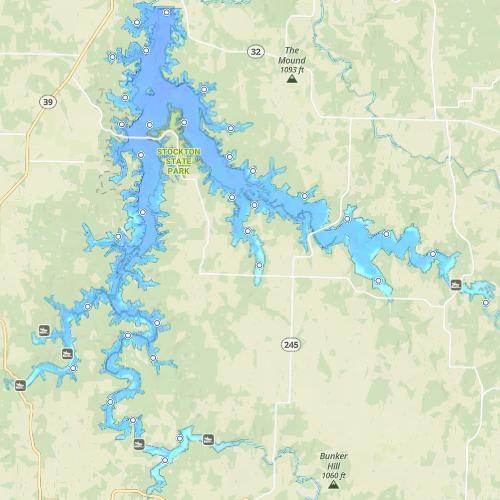
Birch Branch Map
Features
Stockton Lake offers excellent fishing for a wide variety of species. While not as well known as the more famous lakes of Missouri's Ozarks region, this U.S. Army Corps of Engineers impoundment attracts thousands of visitors annually. Public use areas and parks enhance outdoor recreation opportunities.Crappie, largemouth bass, smallmouth bass, walleye and bluegill top the fishing popularity list, although catfish and white bass are available and underfished. The walleye fishery has been recognized by a national tournament series.The entire upper end of the Little Sac River Arm, upstream from the Highway 245 bridge, is closed to all hunting and fishing from October 15 to January 15. No-wake buoys have been placed near marinas and no-boat buoys are located near swimming areas. When wind speed is predicted to exceed 25 miles per hour, boaters are advised to stay off the main lake.
Forage
Gizzard shad comprise the bulk of the forage base. Other important species include brook silversides, green sunfish, juvenile bluegill, various shiner species and minnows. Crayfish are also significant prey for gamefish.
Seasonal Movements
During March and April, walleye migrate up both river arms and to the face of the dam to spawn. In April and May, white bass move into flowing creeks to reproduce.

Get Your Line in the Right Water
Quickly find the best places to fish and plan your day right.
Top Fish Species
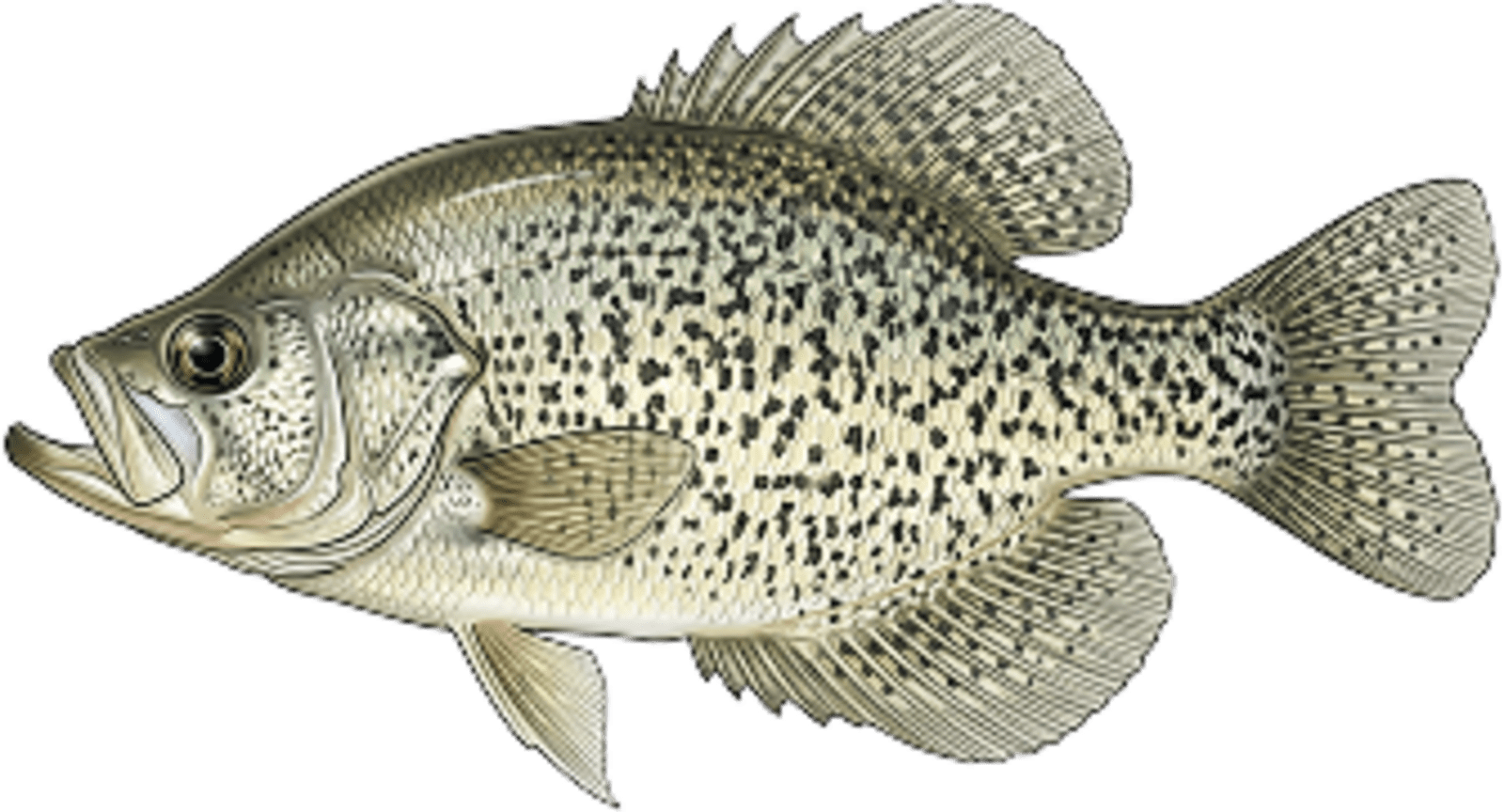
Crappie
No survey data
Abundance (CPUE)
Understanding Abundance
Abundance ratings are based on Catch Per Unit Effort (CPUE) measurements conducted by the MN DNR, and represent a snapshot of a species population at a given point in time
Source: Minnesota Department of Natural Resources. Survey cadence may vary by state and water body.Species Lengths