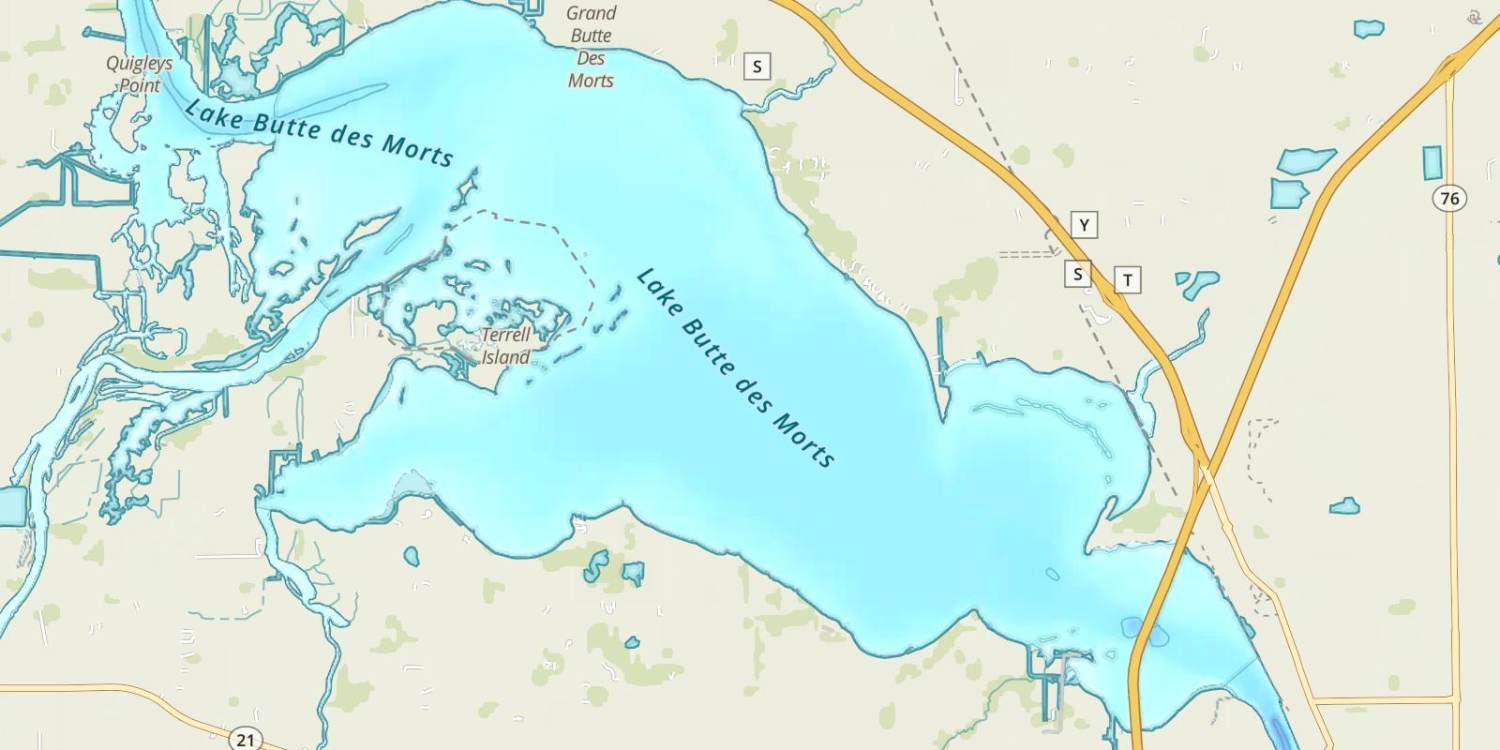
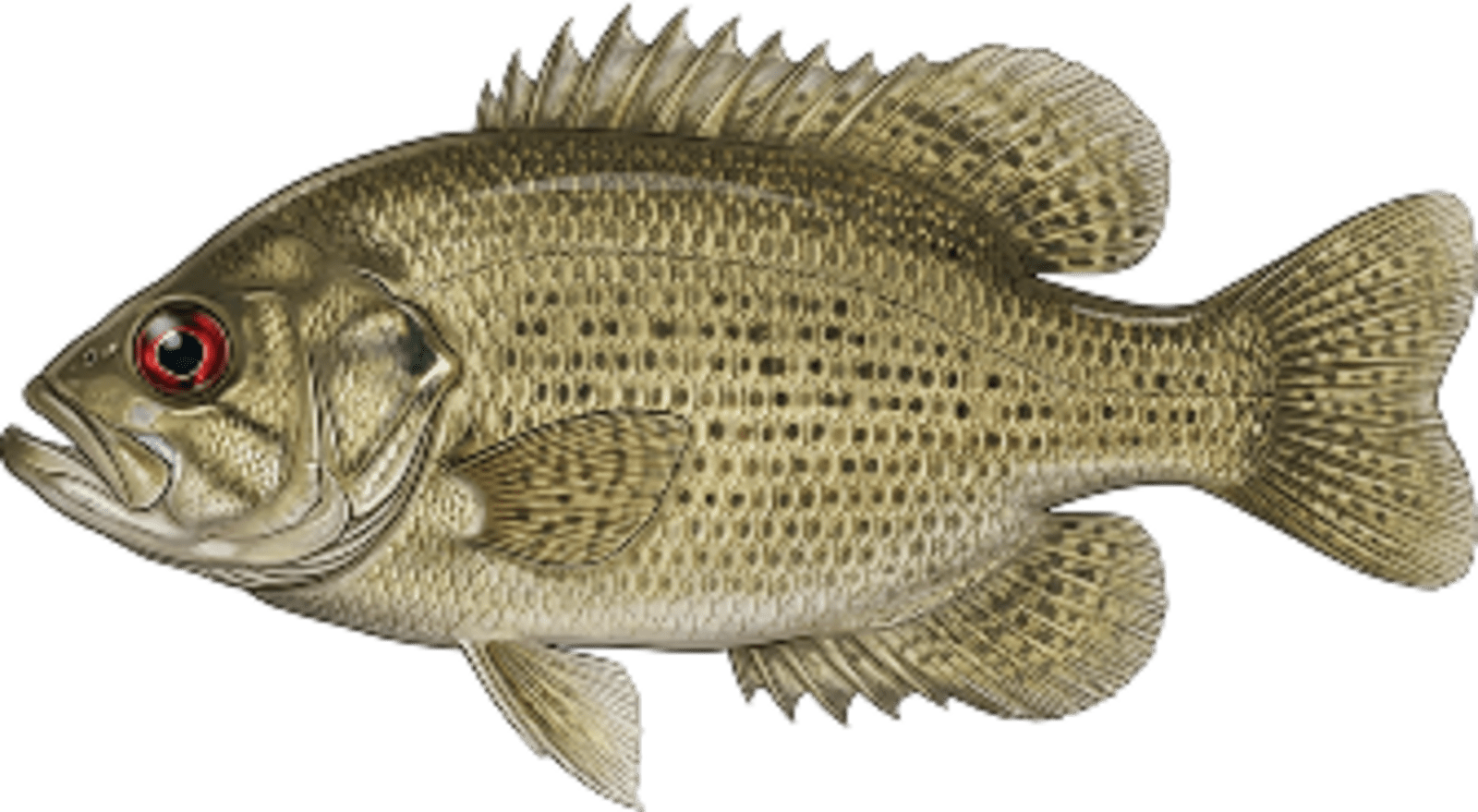
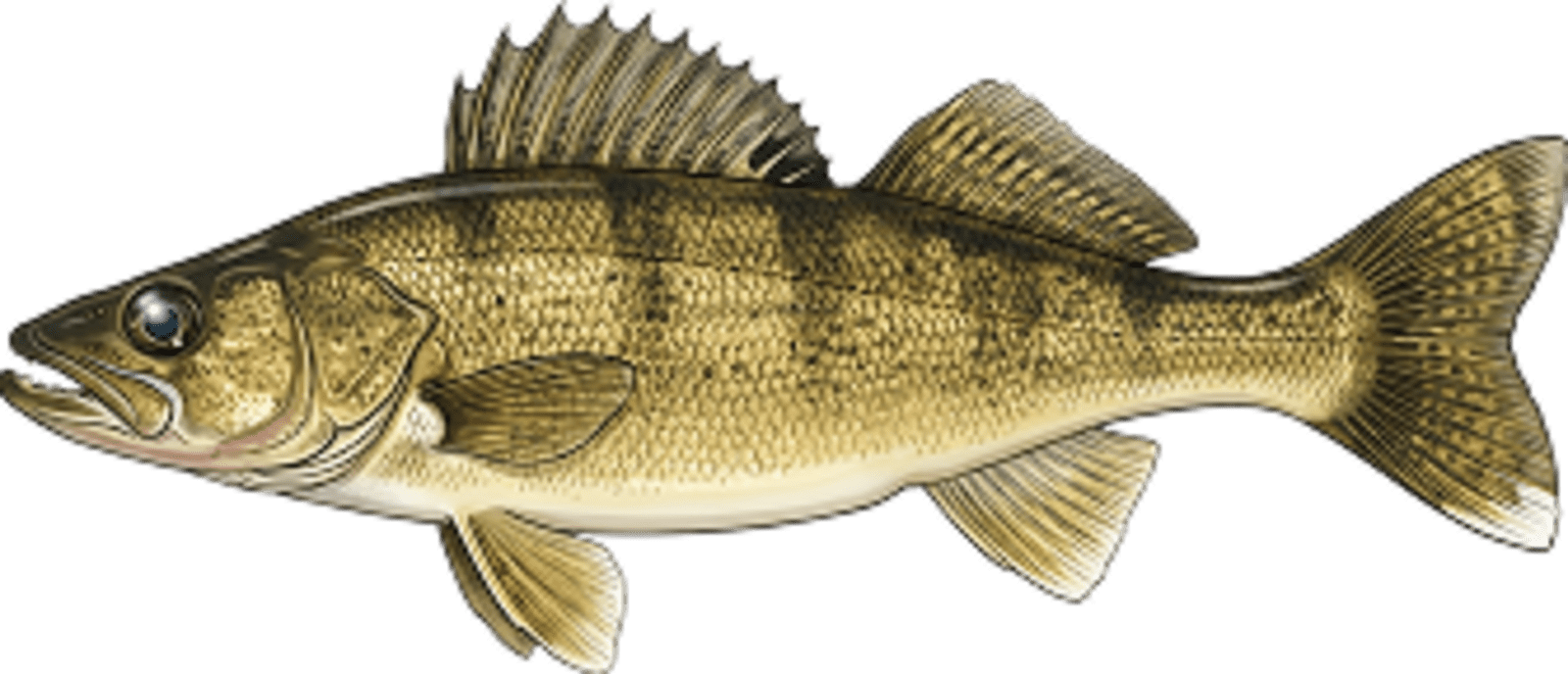
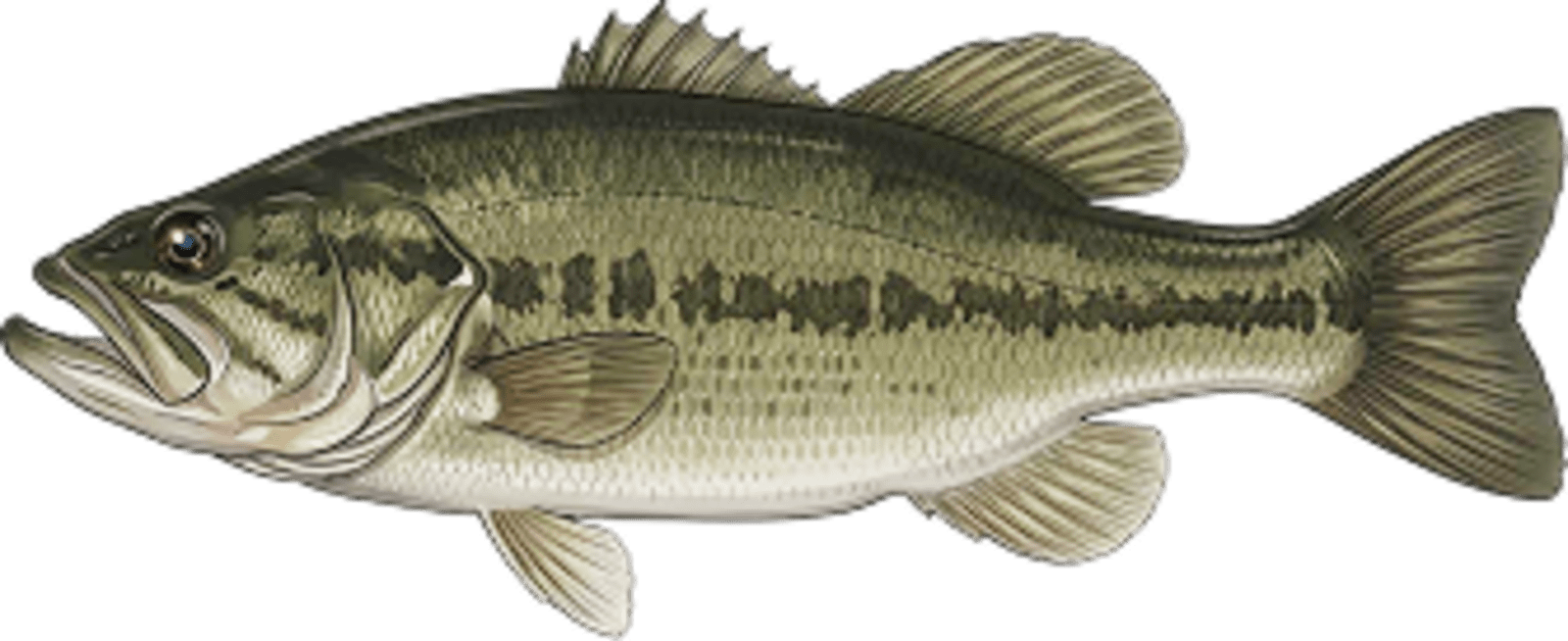
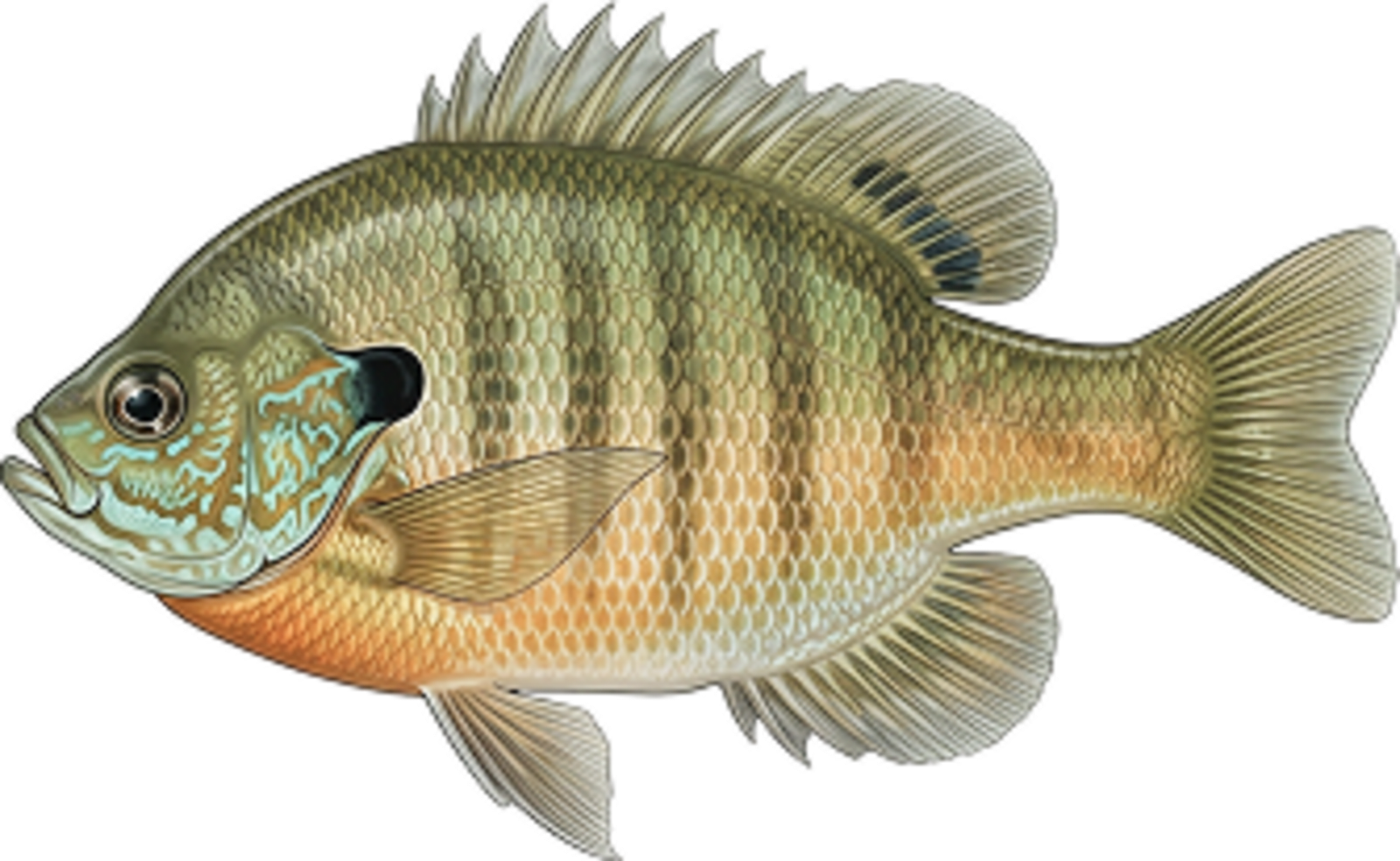
Overview
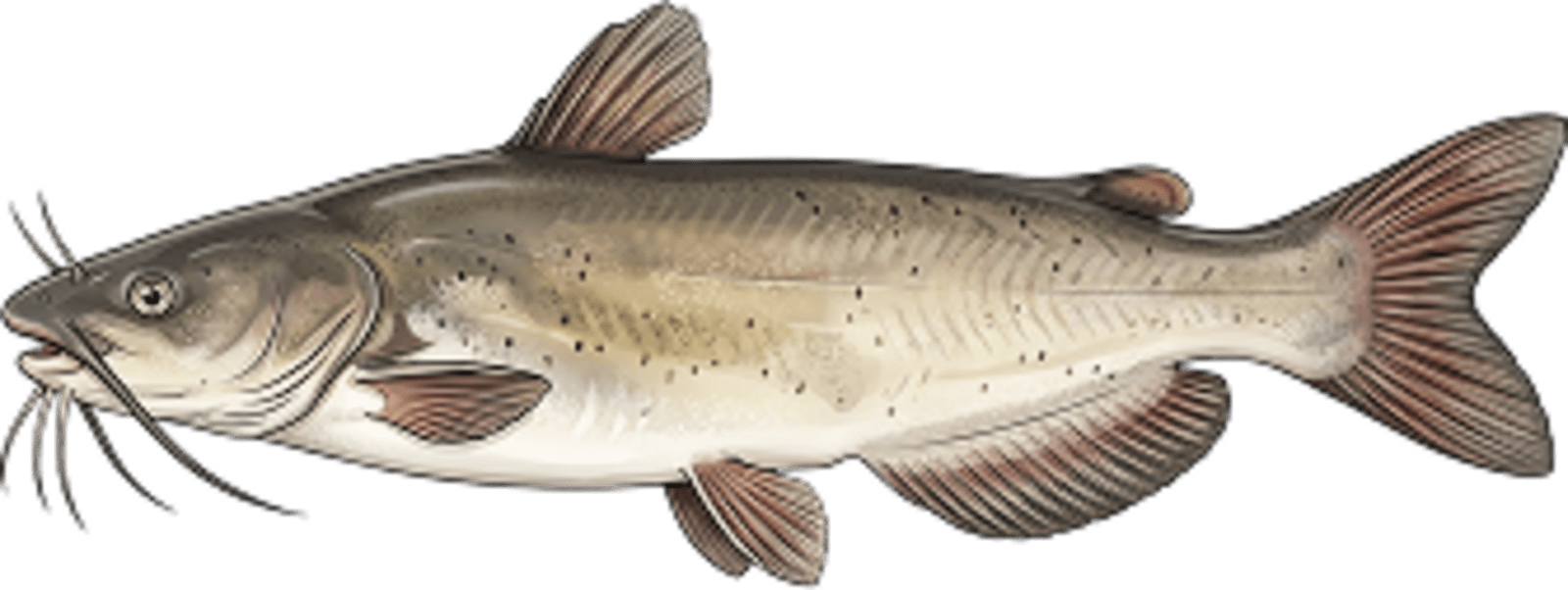
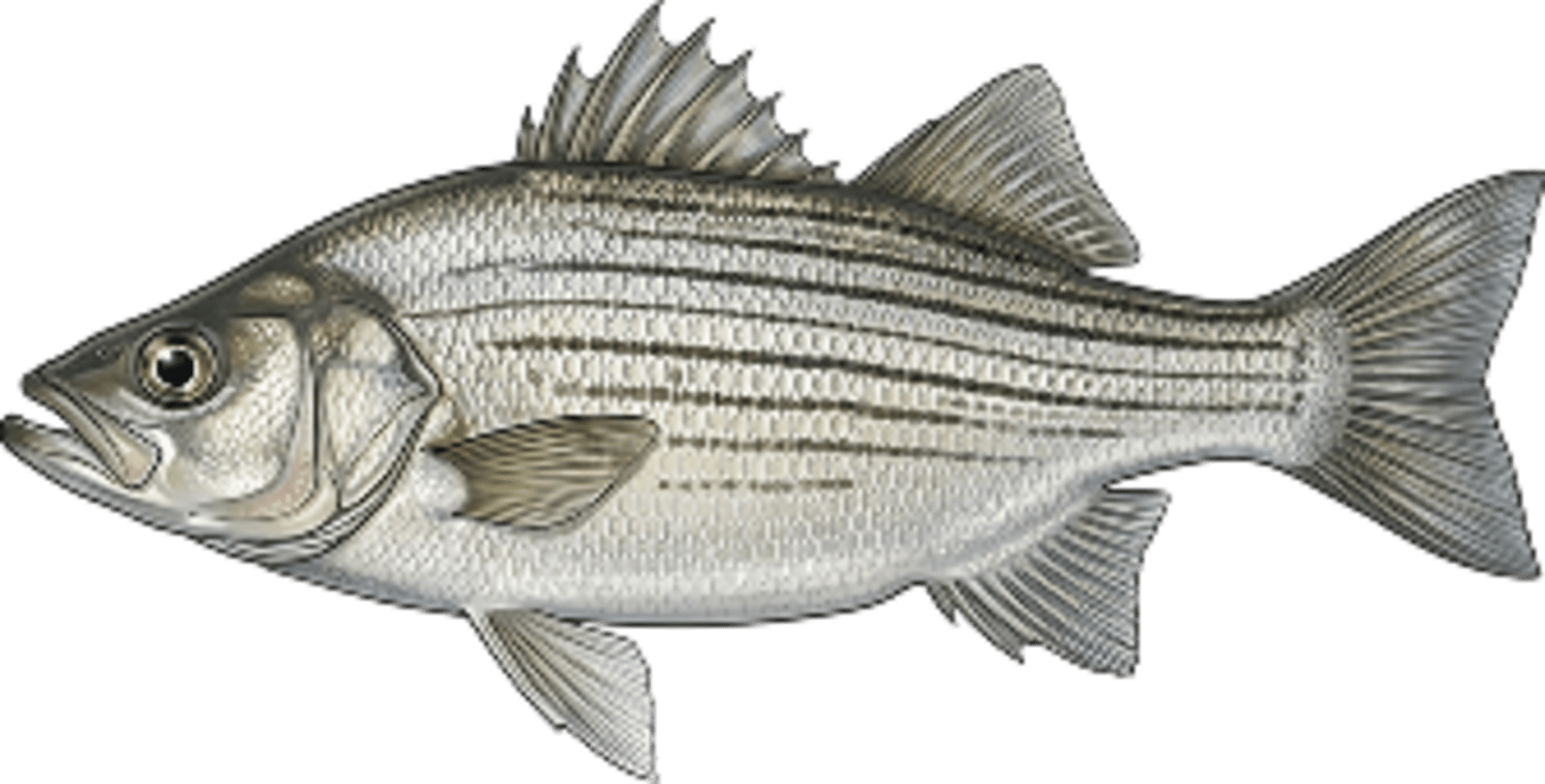
The upriver lakes of the vast Winnebago system. The annual spring runs of walleye and white bass are particularly famous and attract thousands of anglers each year. Fishery boasts nearly 20 species of gamefish and panfish. Featured species include, walleye, white bass, channel catfish. 27,466 acres
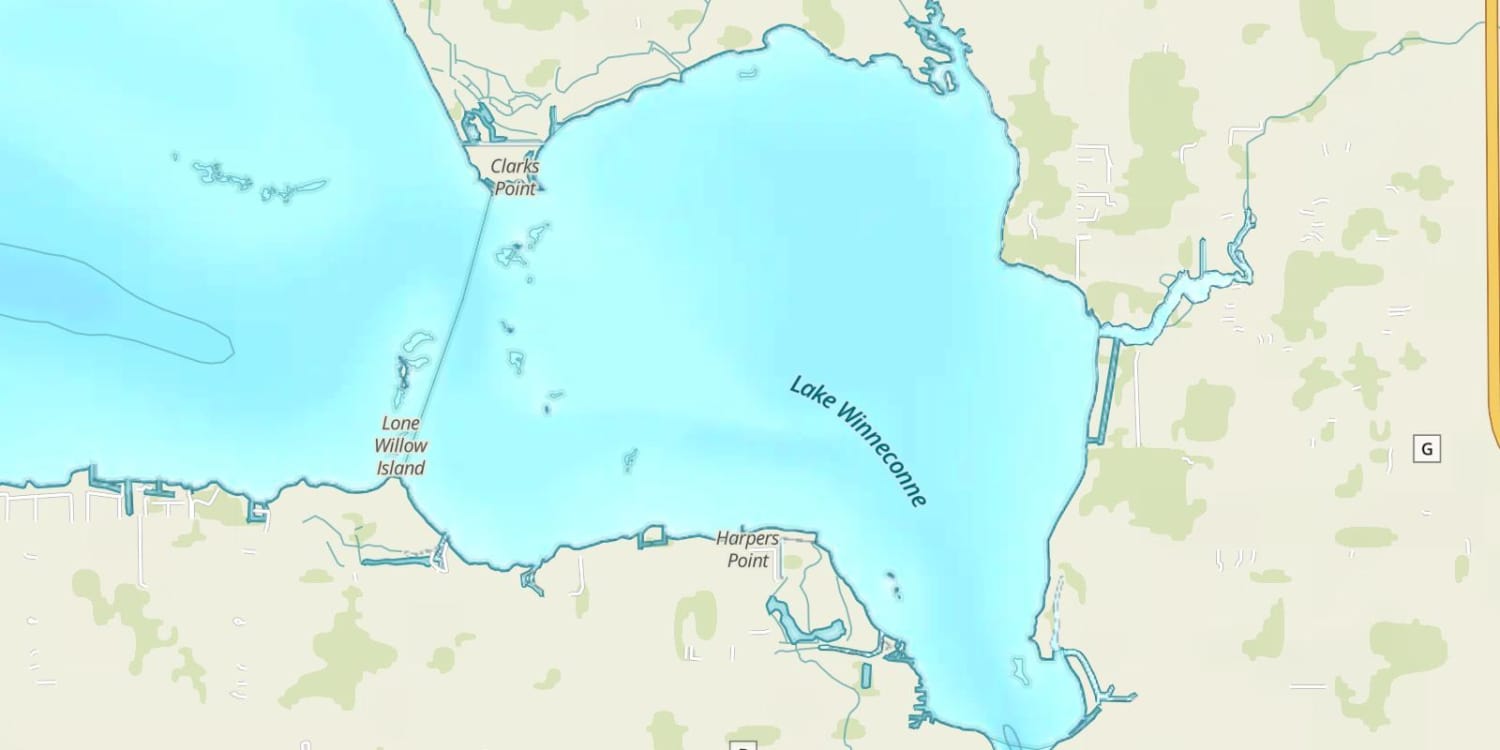
Lake Winneconne Map
Fishing Regulations
Special Fishing Regulations: This lake has special fishing regulations that differ from statewide or border water regulations for those species identified below and take precedence. Regulations listed below are currently in place. Visit the fishing regulations page for links to upcoming regulations for specific lakes.
Special Waterbody Regulations
- Bag limits are for fish caught in all lakes in the WINNEBAGO CHAIN including CINCOE LAKE, LAKE BUTTE DES MORTS, LAKE POYGAN, LAKE WINNEBAGO, PARTRIDGE CROP LAKE, PARTRIDGE LAKE Catch and release fishing for largemouth and smallmouth bass is open year round unless otherwise noted. Motor Trolling is allowed with up to 3 hooks, baits, or lures, per angler. Open all year for all species except muskellunge, northern pike, flathead catfish and lake sturgeon.
Special Species Regulations
- Bluegill: See Panfish
- Bowfin: See Rough Fish
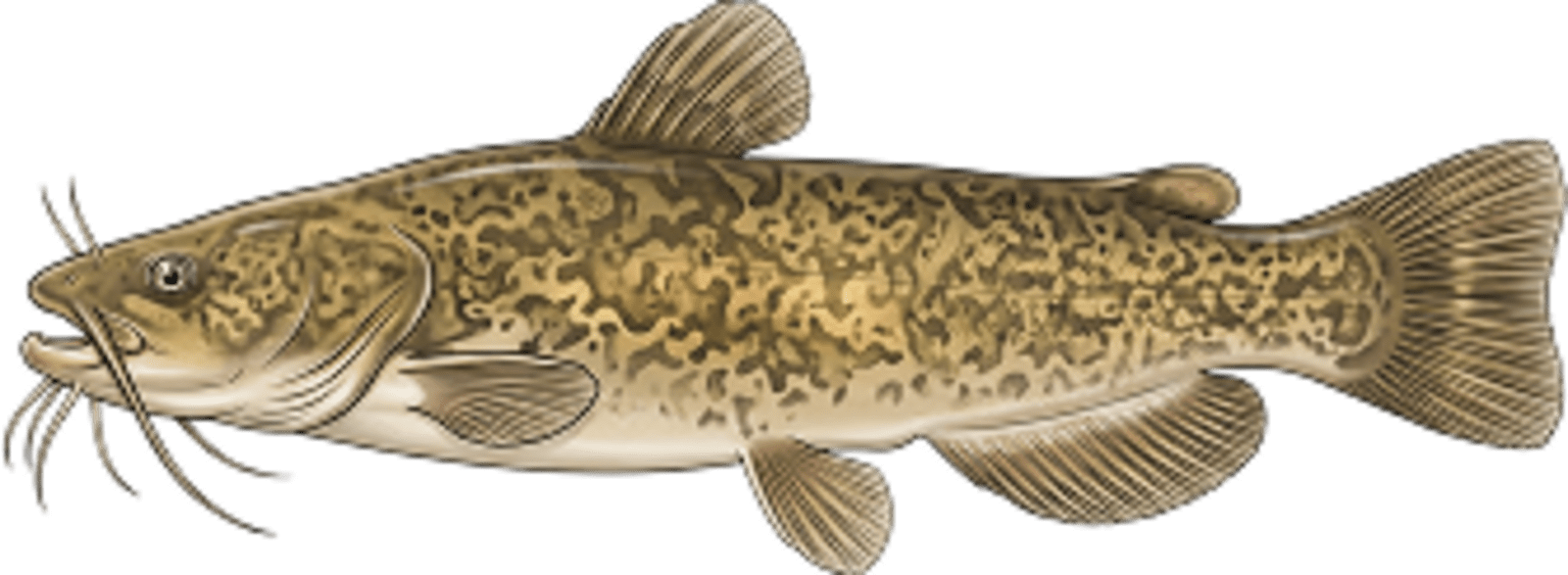
- Bullheads: Open all year: No minimum length limit and the daily bag limit is unlimited
- Catfish: Open all year: See specific species regulations in this group
- Channel catfish: Open all year: No minimum length limit and the daily bag limit is 25 in total, but only 24 if one flathead catfish is included
- Cisco and whitefish: Open all year: No minimum length limit and the daily bag limit is 10
- Crappies: See Panfish
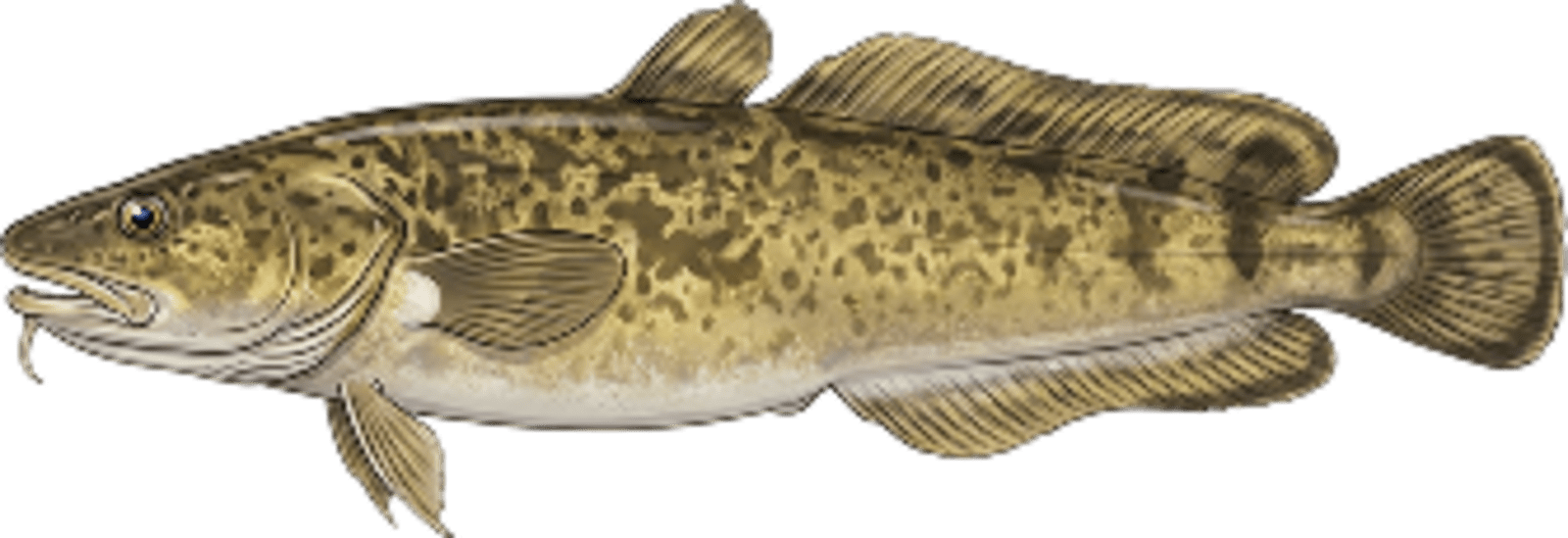
- Flathead catfish: May 2, 2026 to September 30, 2026: The minimum length is 30, but flathead catfish from 36” to 42” may not be kept.The daily bag limit is 1
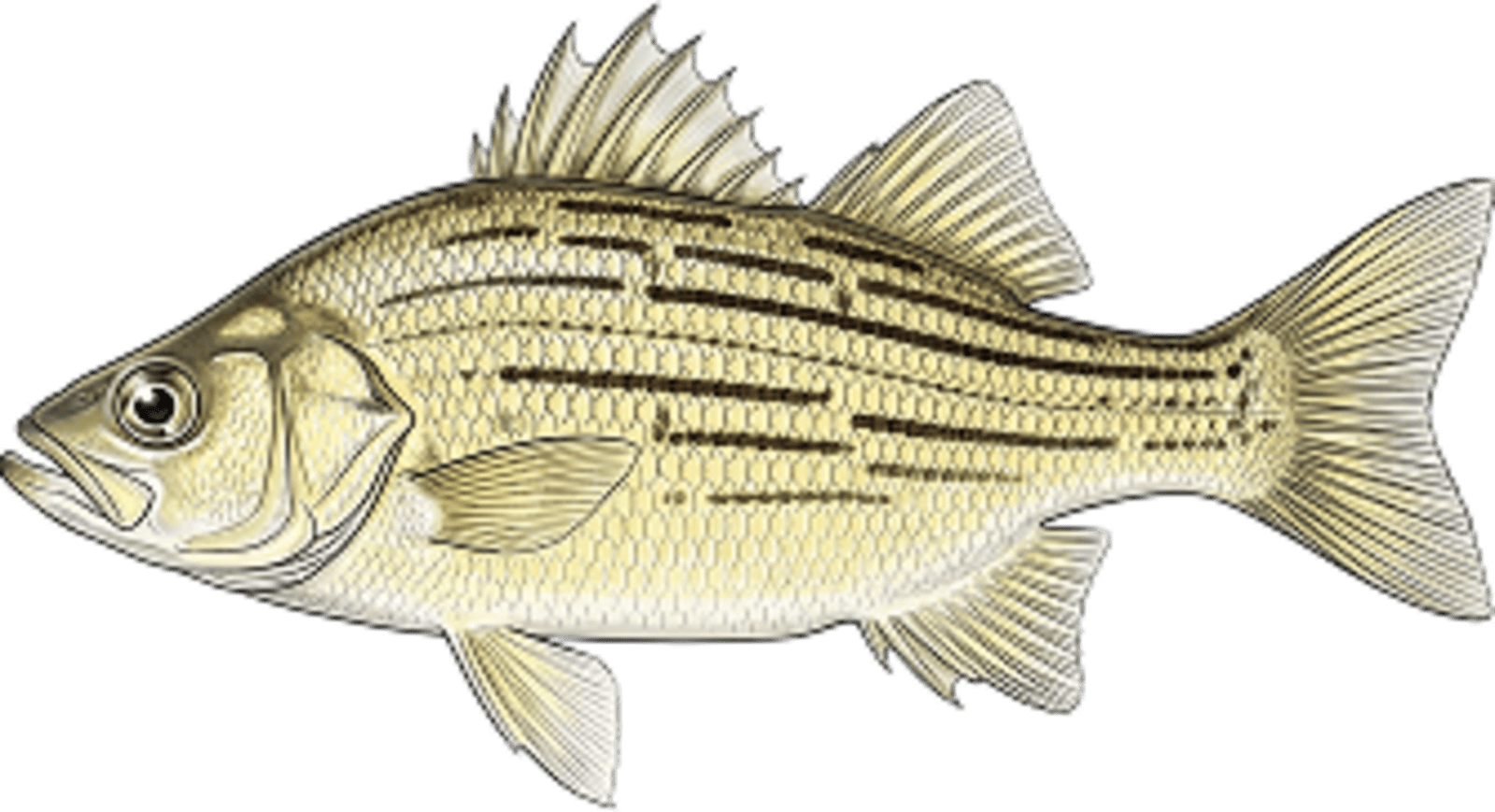
- Hybrid, Striped, Yellow, and White Bass: See Rock, Yellow and White Bass
- Lake sturgeon: Closed. No fishing allowed.
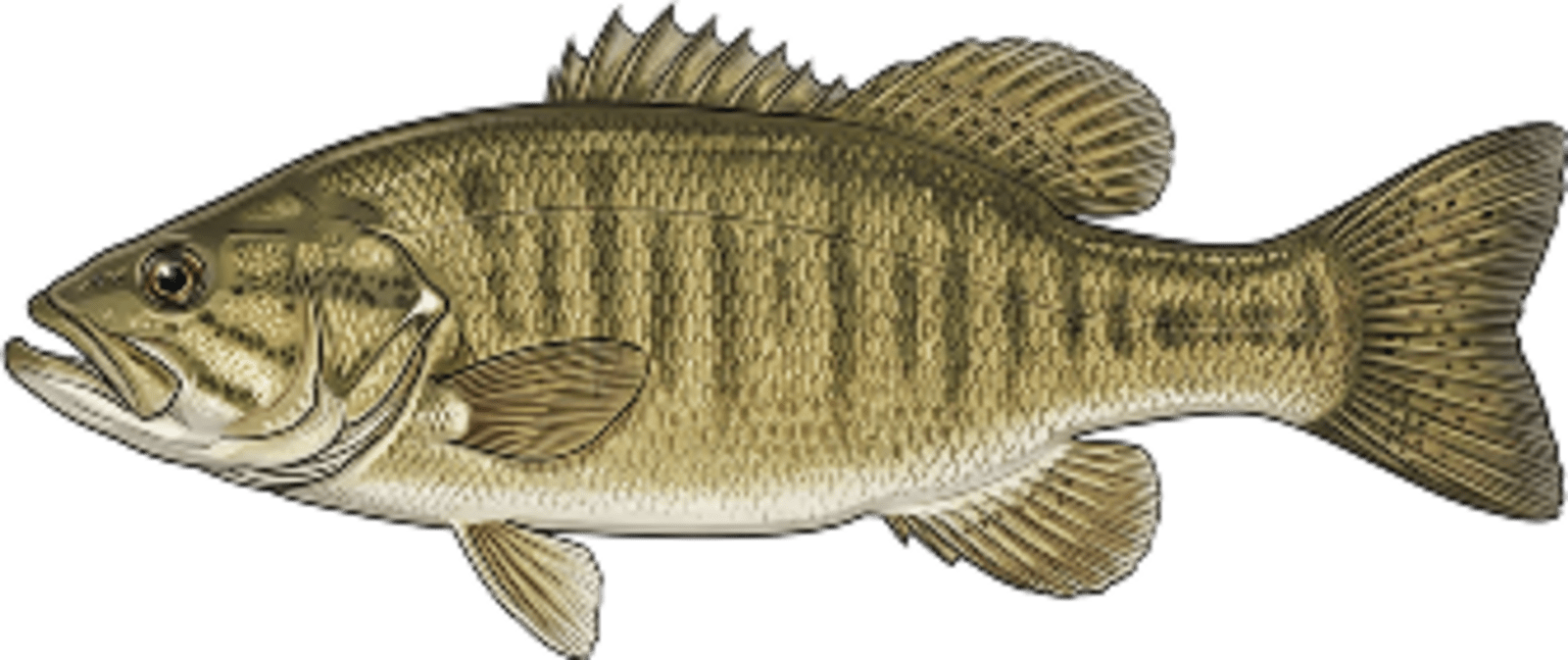
- Largemouth bass and smallmouth bass: Open all year: The minimum length limit is 14” and the daily bag limit is 5
- Largemouth bass: See Largemouth and Smallmouth Bass
- Longnose gar: See Rough Fish
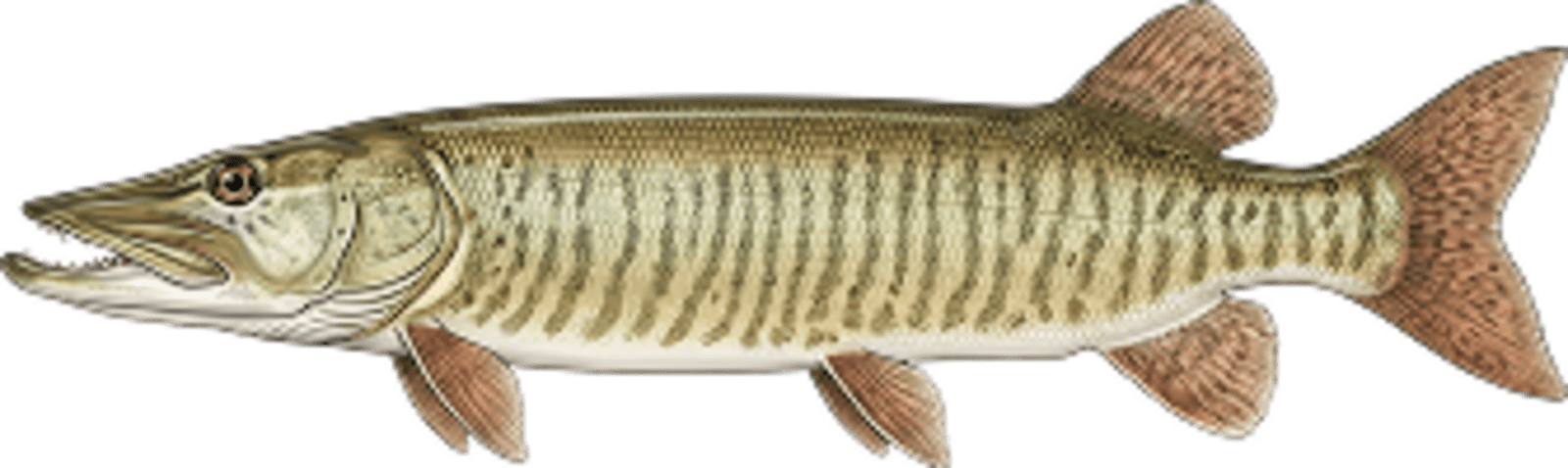
- Muskellunge and hybrids: May 2, 2026 to December 31, 2026 on open water: The minimum length limit is 50” and the daily bag limit is 1
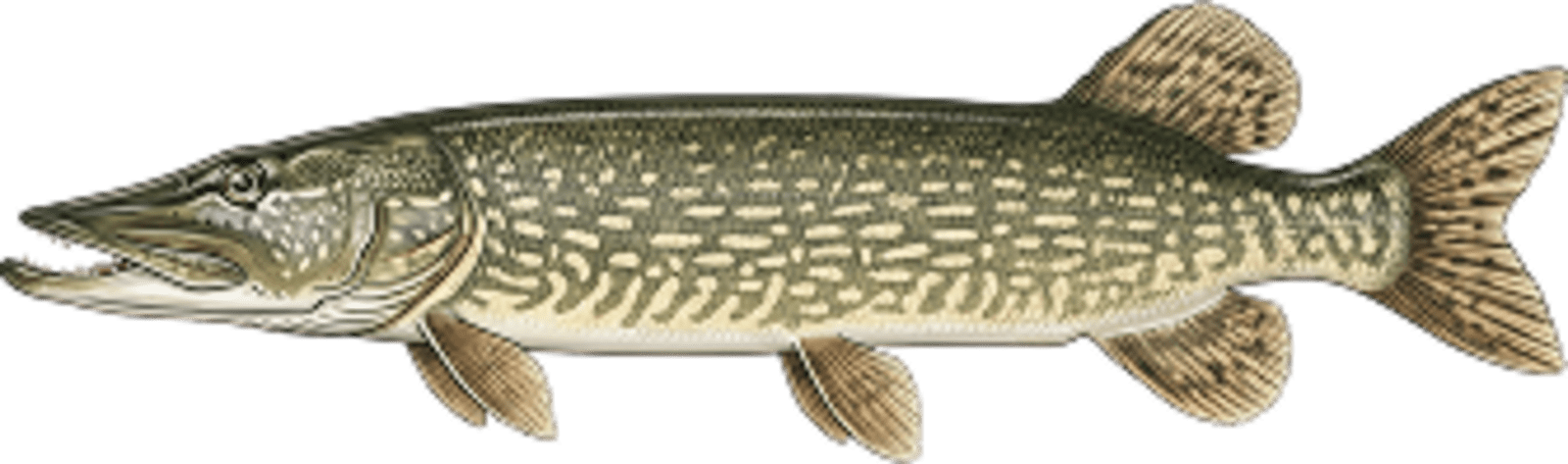
- Northern pike: May 2, 2026 to March 7, 2027: The minimum length limit is 26” and the daily bag limit is 2
- Paddlefish: Closed. No fishing allowed.
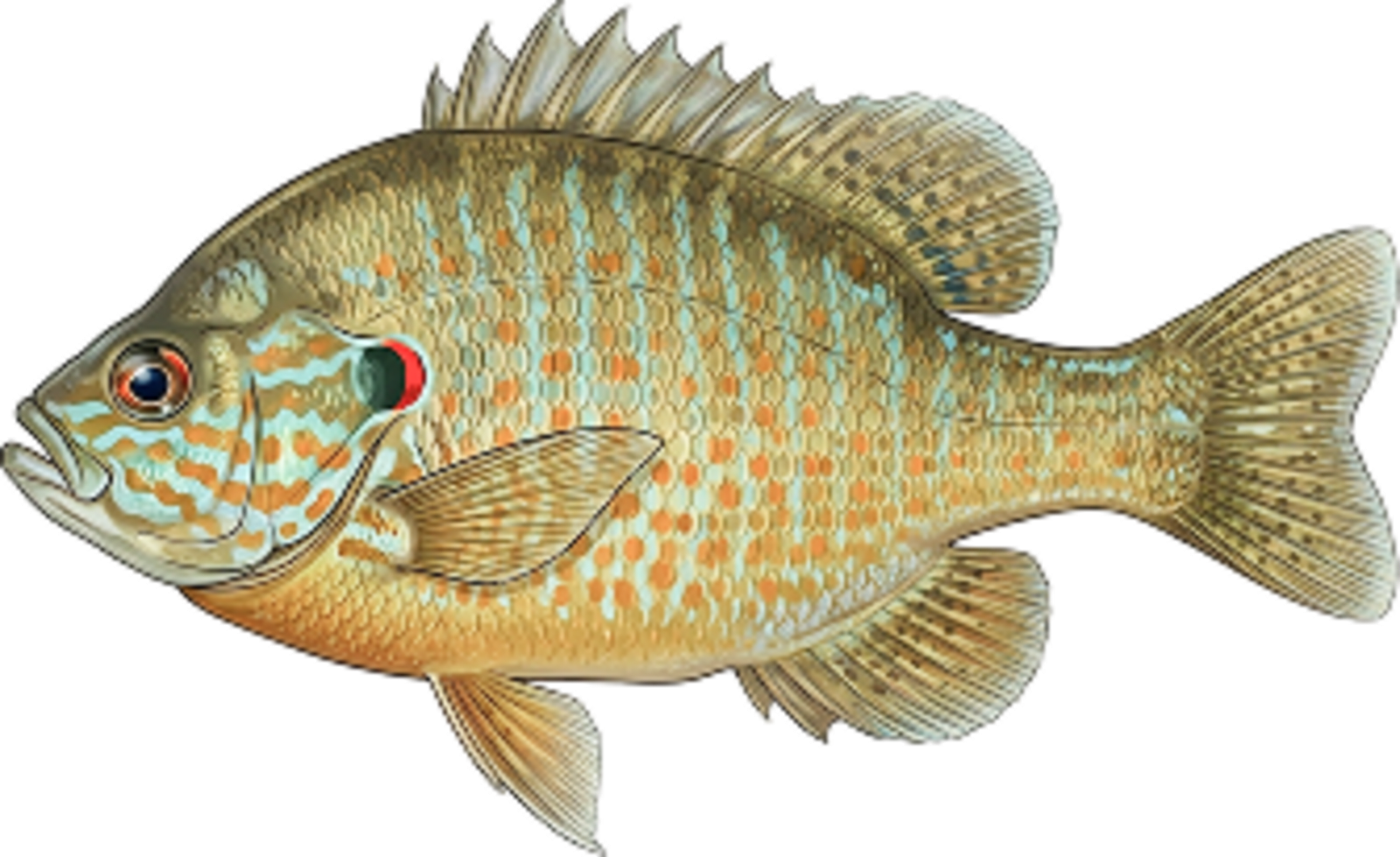
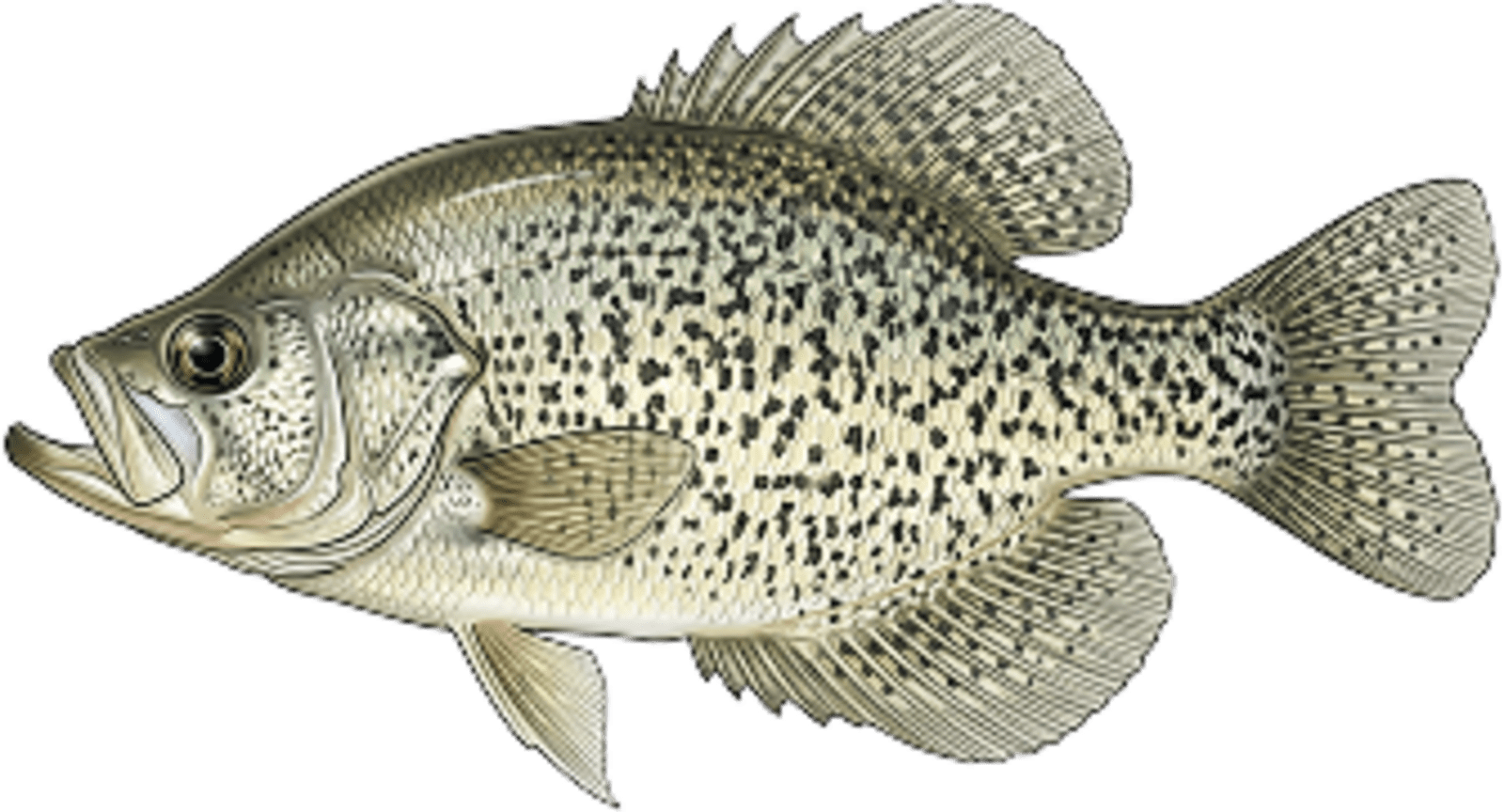
- Panfish: Open all year: No minimum length limit and the daily bag limit is 25
- Rock, Yellow, and White Bass: Open all year: No minimum length limit and the daily bag limit is unlimited
- Rough fish: Open all year: No minimum length limit and the daily bag limit is unlimited
- Round goby: Open all year: The daily bag limit is 0. One may be killed and transported to a WDNR Office
- Ruffe: Open all year: The daily bag limit is 0. One may be killed and transported to a WDNR Office
- Sauger and hybrids: Open all year: The daily bag limit is 1
- Shortnose gar: See Rough Fish
- Shovelnose sturgeon: Closed. No fishing allowed.
- Smallmouth bass: See Largemouth and Smallmouth Bass
- Trout and salmon: See Trout regulations layer
- Urban waters gamefish: This waterbody is not considered an urban water, Urban Waters Gamefish regulations do not apply
- Walleye: See Walleye, Sauger, and Hybrids
- Walleye, Saugers, and Hybrids: Open all year: No minimum length limit and the daily bag is 3, only one of which may be a sauger or hybrid
- White perch: Open all year: The daily bag limit is 0. One may be killed and transported to a WDNR Office
Features
Forage
Seasonal Movements

Get Your Line in the Right Water
Quickly find the best places to fish and plan your day right.
Top Fish Species
Abundance ratings are based on Catch Per Unit Effort (CPUE) measurements conducted by the MN DNR, and represent a snapshot of a species population at a given point in time
Source: Minnesota Department of Natural Resources. Survey cadence may vary by state and water body.