Size
NA
Boat Launch
Carry-in Launch
Toilet
No
Boat Dock
Species in North Branch Pelican River
Overview
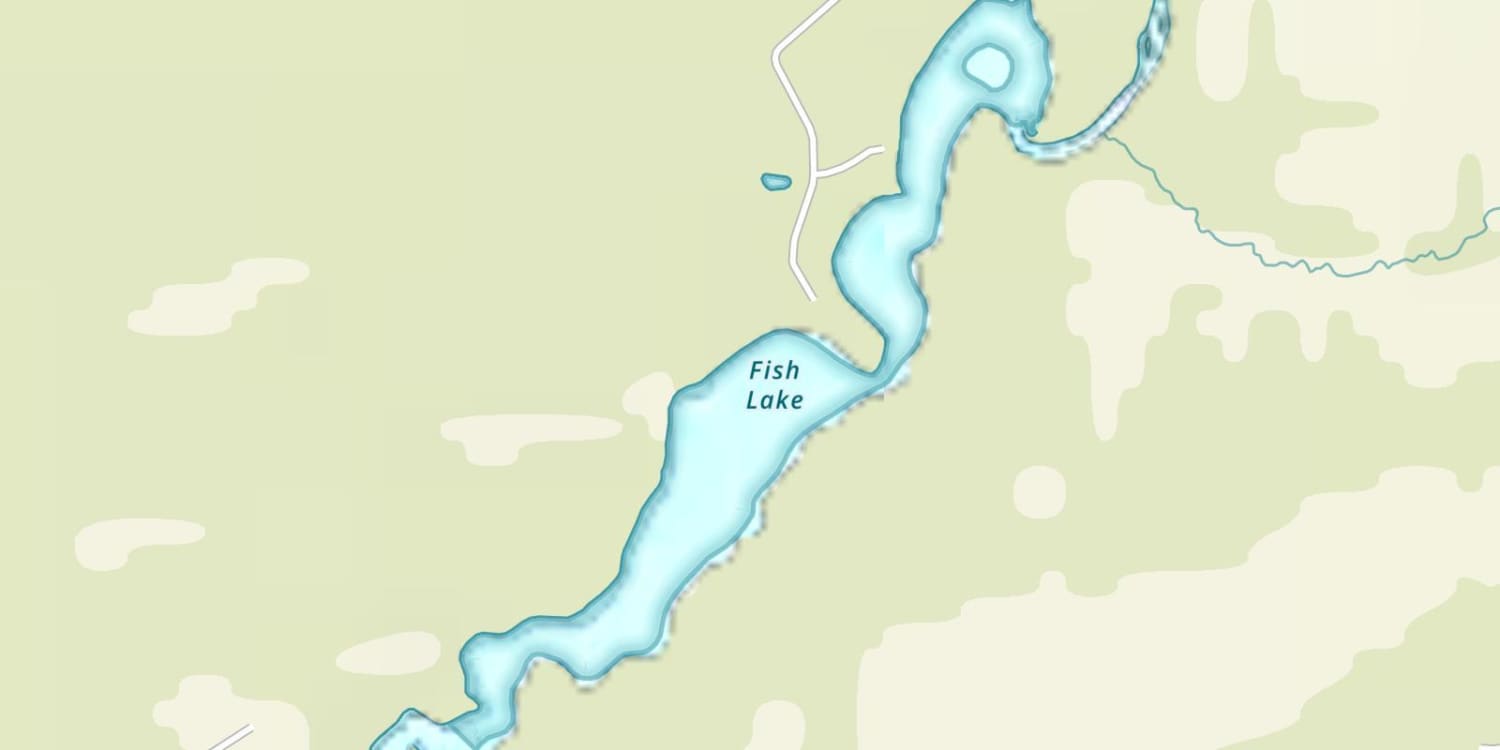
North Branch Pelican River Map
Features
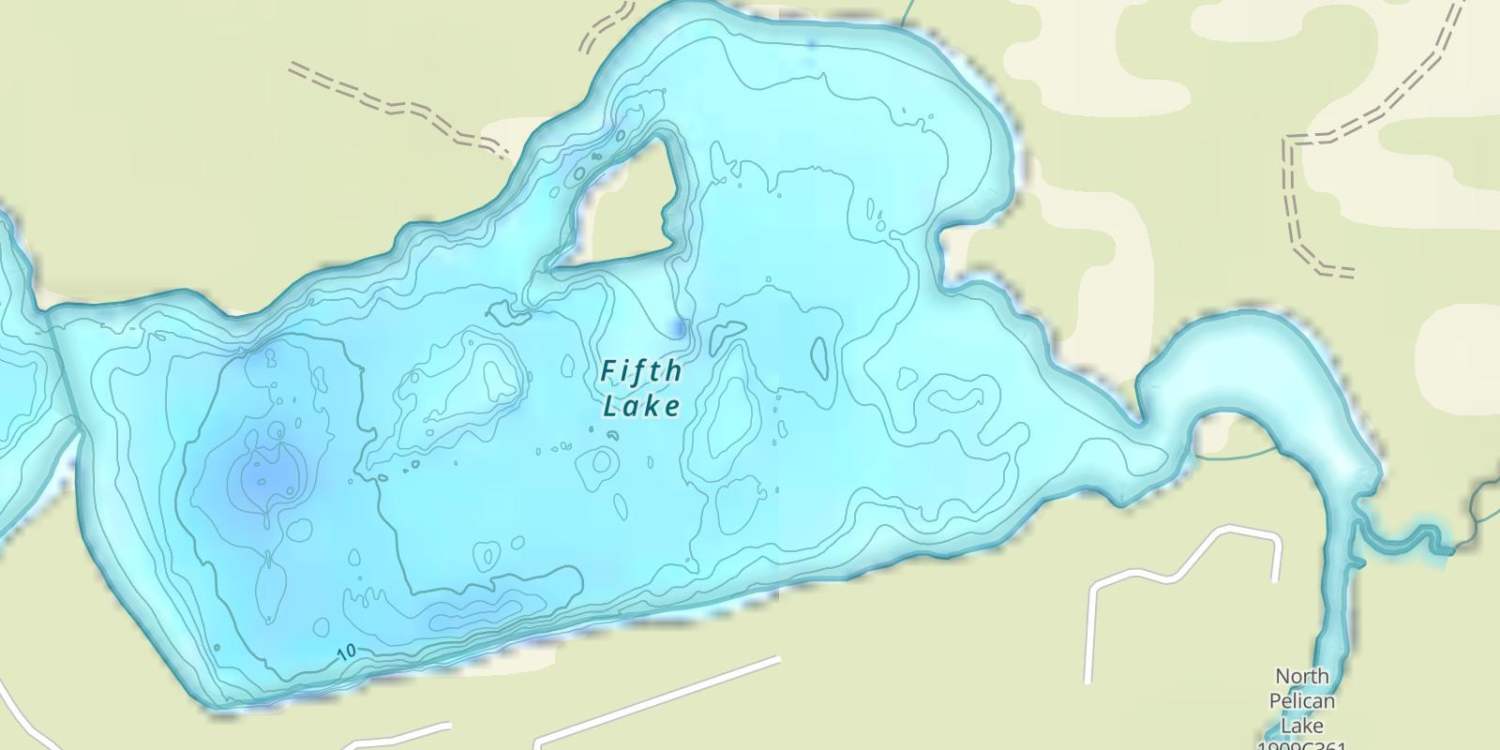
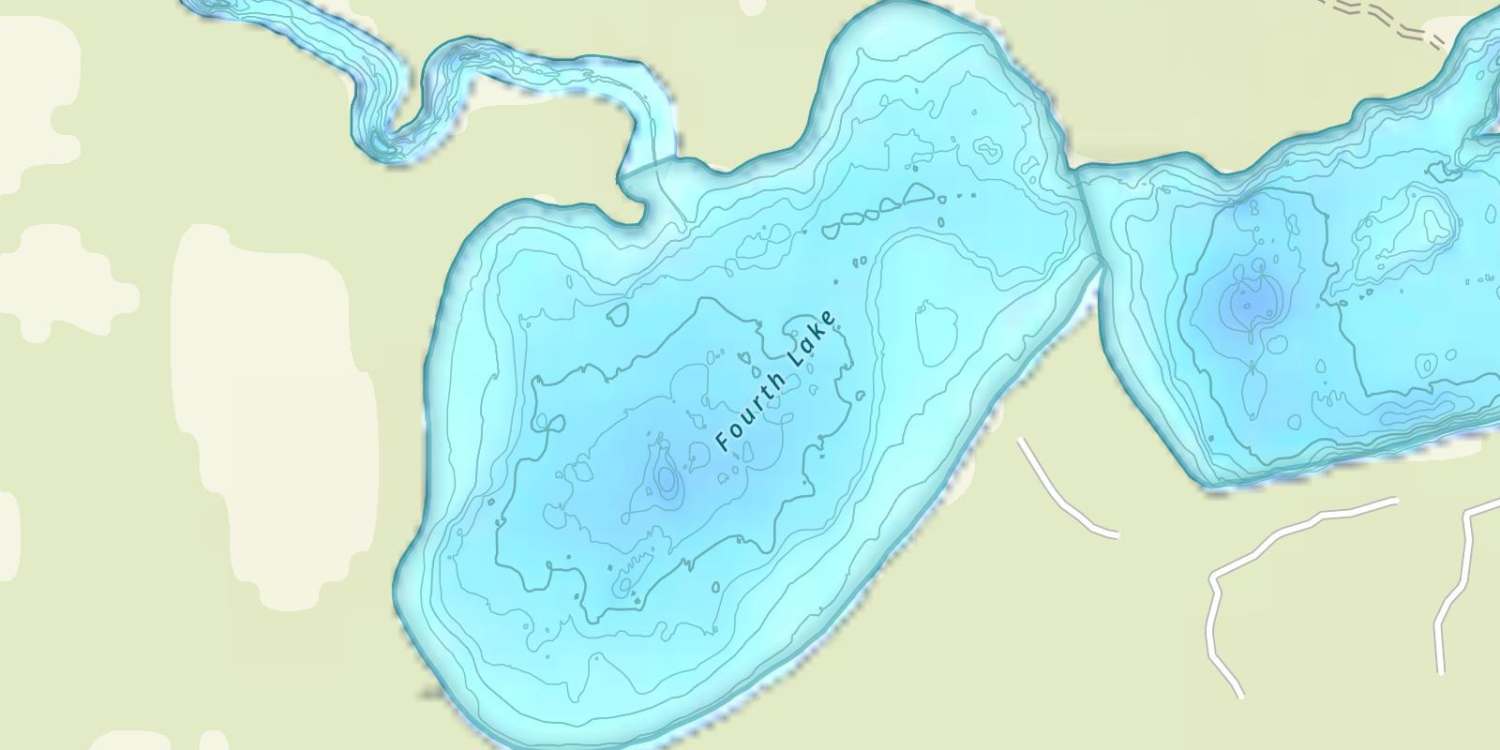
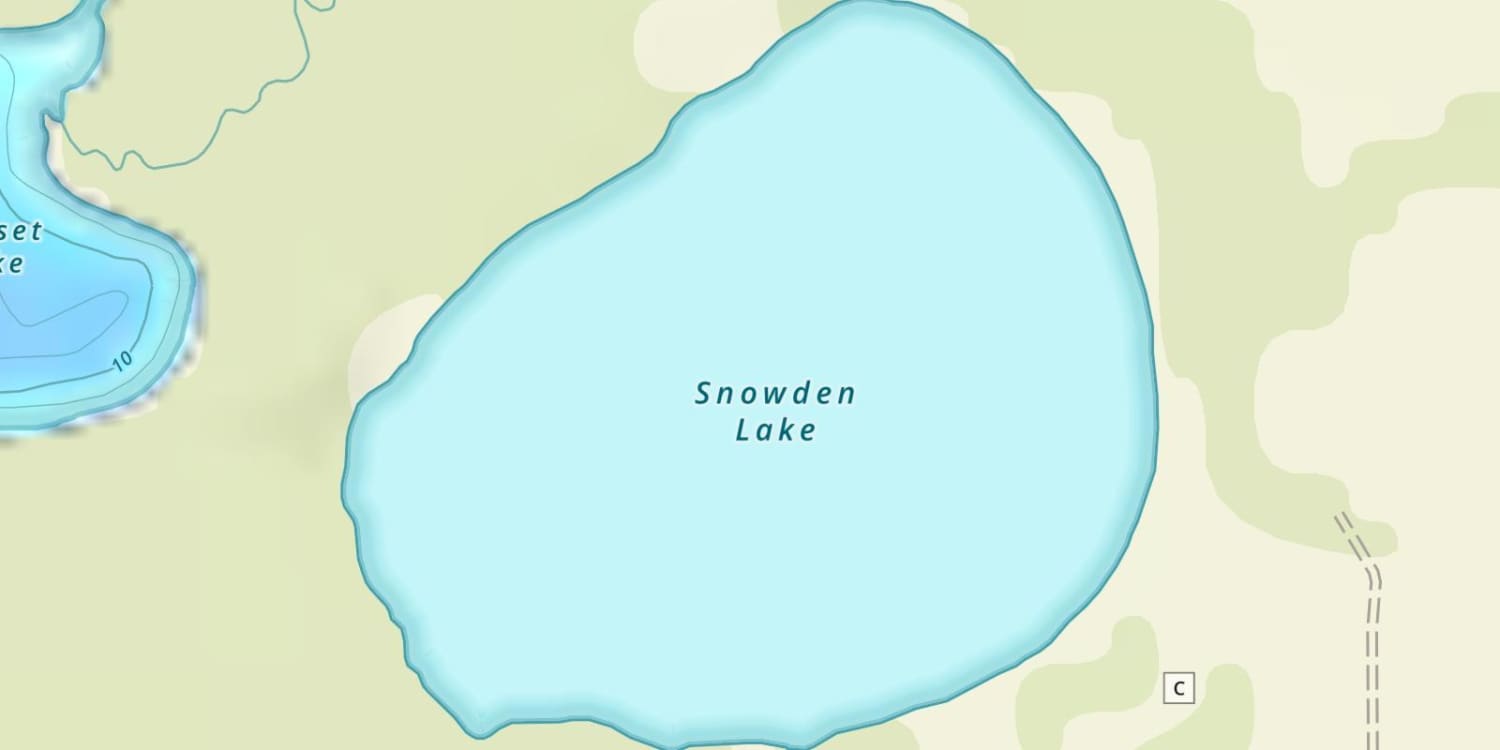
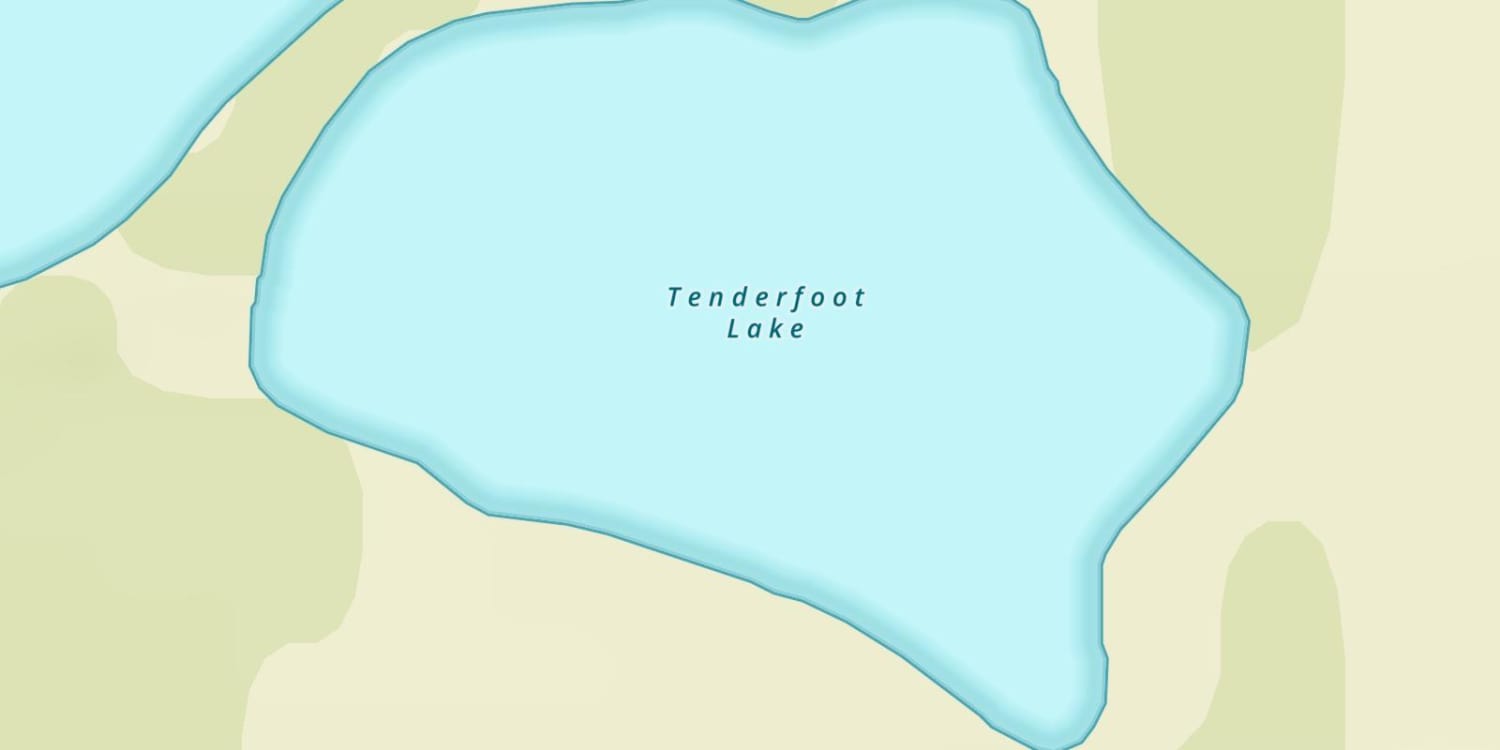
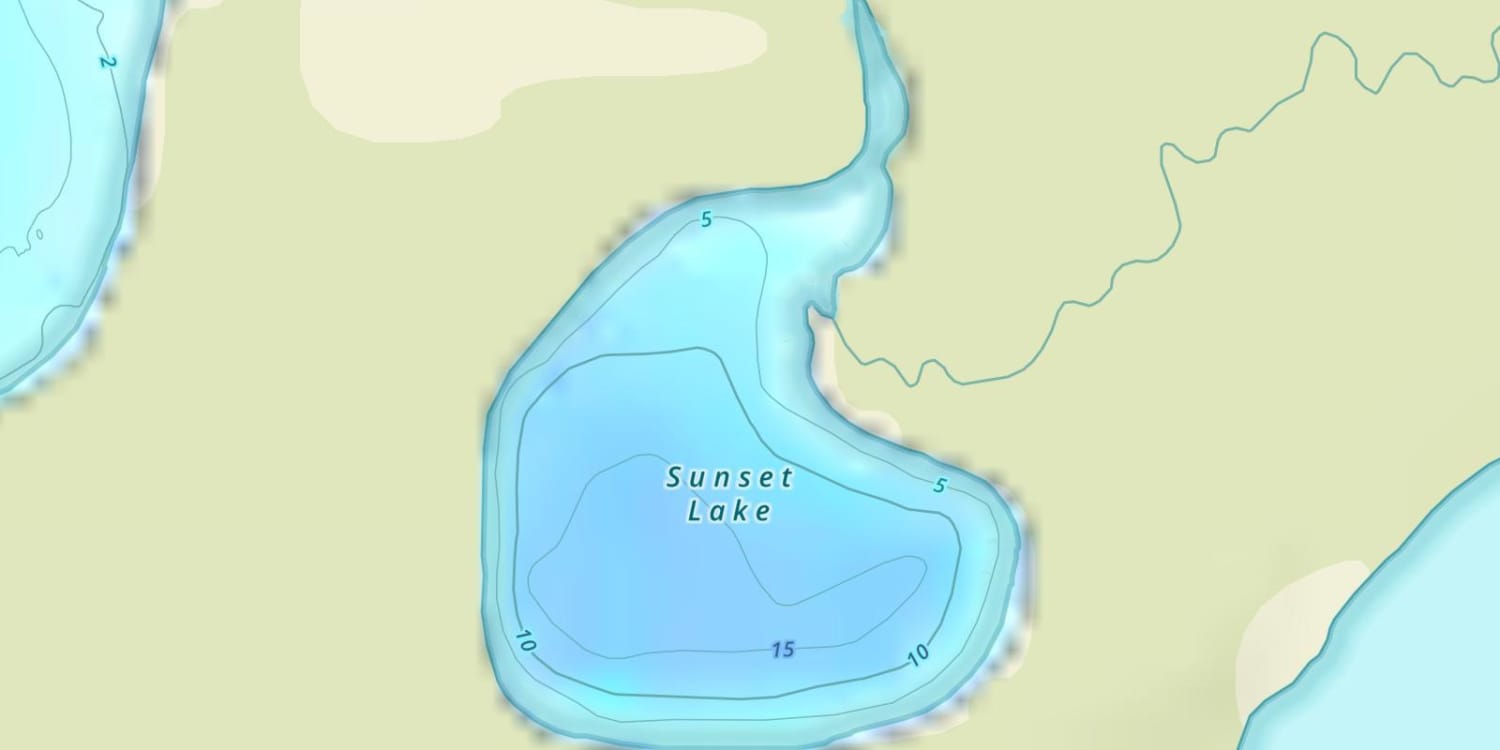
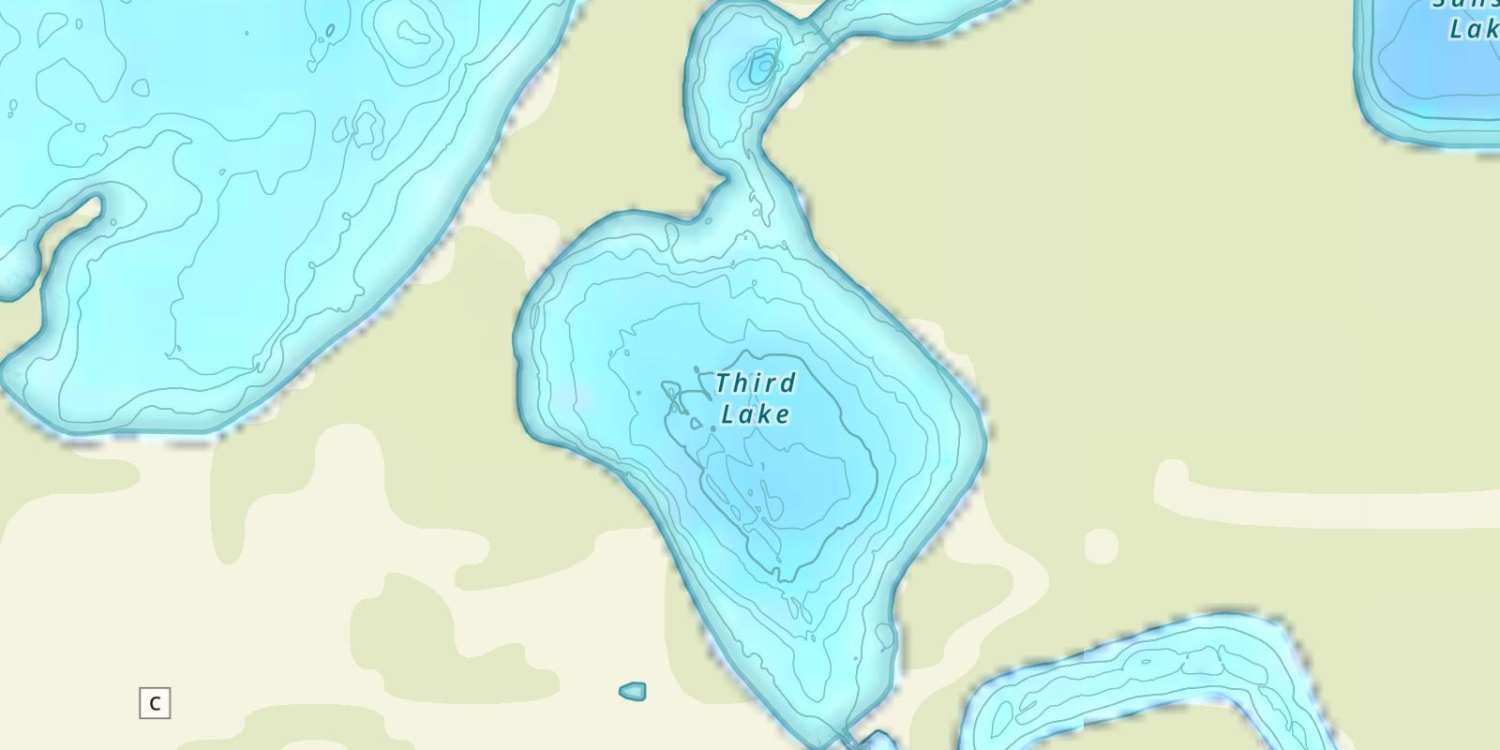
The Moen Chain consists of 5 interconnected bodies of water, Moen Lake, Second Lake, Third Lake, Fourth Lake and Fifth Lake. The channels connecting the lakes are big enough for boat traffic and offer good fishing. Even though the Moen Chain can receive a lot of fishing pressure, fishing can be outstanding. With the average depth of 14.8- feet, the chain is relatively shallow. The shallowness of the lake means 3 things, weeds can grow relatively fast and thick (depending on water clarity), water warms up fast and locks up with ice fast during the winter. With the chain being relatively shallow, finding a fishing pattern can be easy. For example, if the fish are biting on a weedline with a certain bottom composition, you can replicate it in a different areas.
Forage
The primary forge species for this chain are small panfish, golden shiner, white sucker and redhorse sucker.
Seasonal Movements
After ice out, the walleye will make their spawning run to the Pelican River, Gudegast Creek and Twins Lake Creek. Shortly after that the muskie and northern pike will make their way to shallow marshy bays. After game fish season opens, the smallmouth, largemouth and crappie will be spawning on rocky, hard bottom or lightly weedy, shallow bays. When the water temperatures get into the high 60’s, low 70’s, the bluegill will make their way to the shallows to spawn. Look for hard or rocky bottoms.
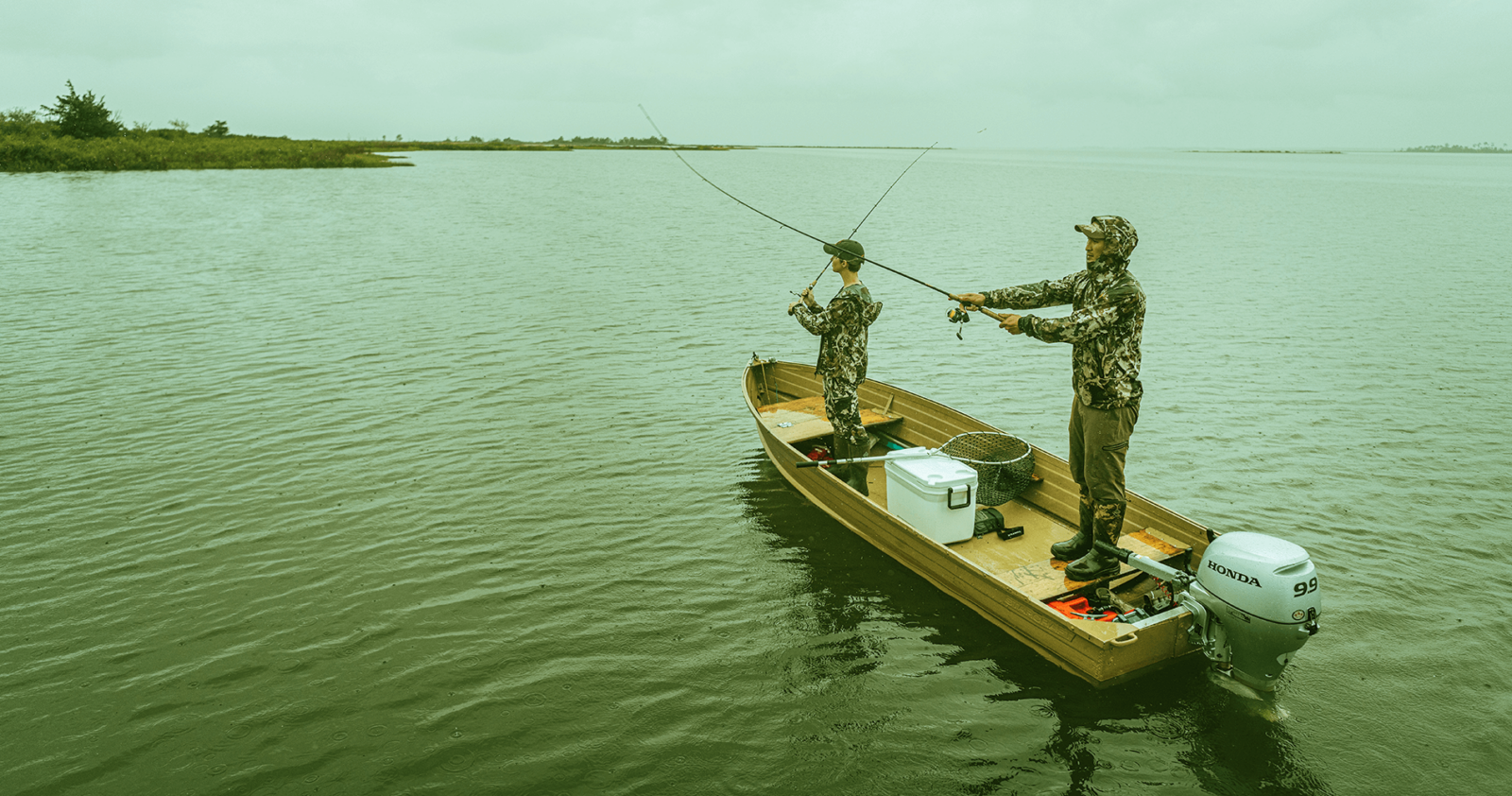

Get Your Line in the Right Water
Quickly find the best places to fish and plan your day right.
Top Fish Species
Muskellunge
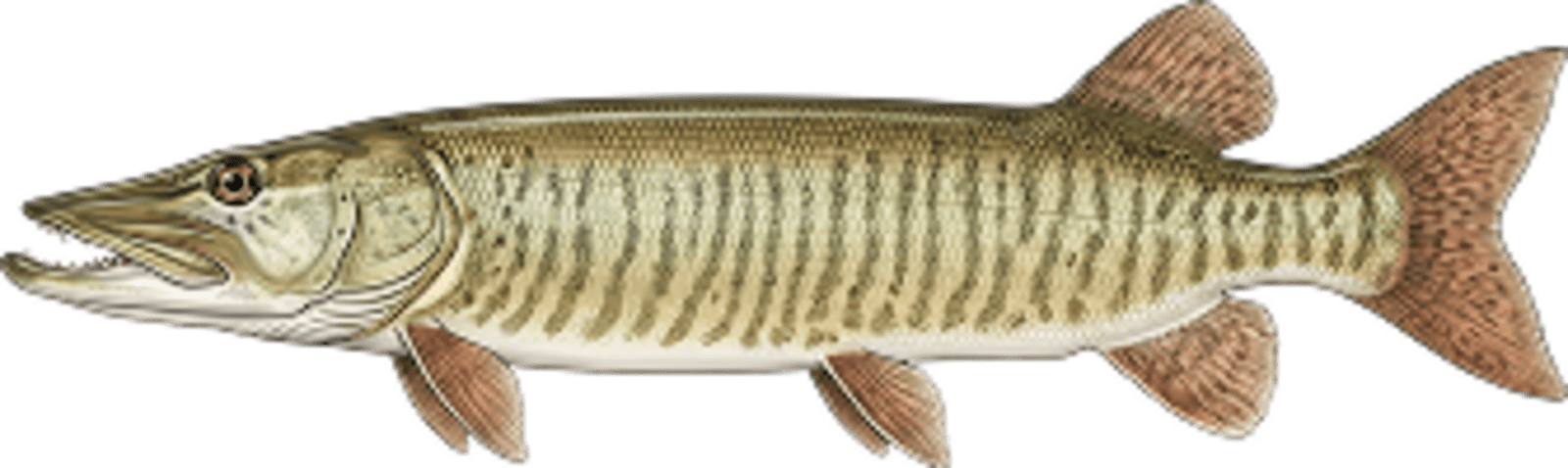
No survey data
Abundance (CPUE)

Understanding Abundance
Abundance ratings are based on Catch Per Unit Effort (CPUE) measurements conducted by the MN DNR, and represent a snapshot of a species population at a given point in time
Source: Minnesota Department of Natural Resources. Survey cadence may vary by state and water body.Species Lengths