Lake Wissota

Lake Wissota

Size
4,834ac
Boat Launch
Yes
Carry-in Launch
No
Toilet
No
Boat Dock
No
Species in Lake Wissota
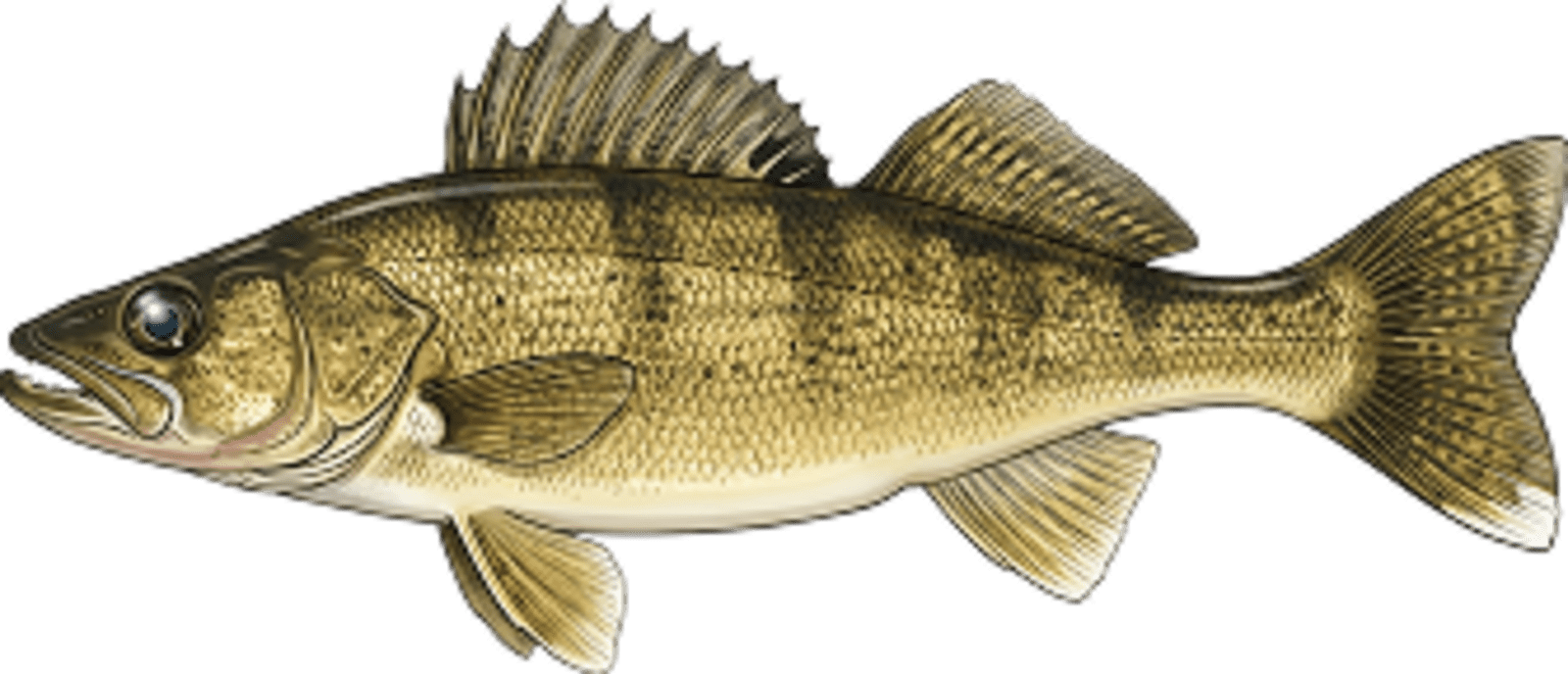
Walleye
Walleye
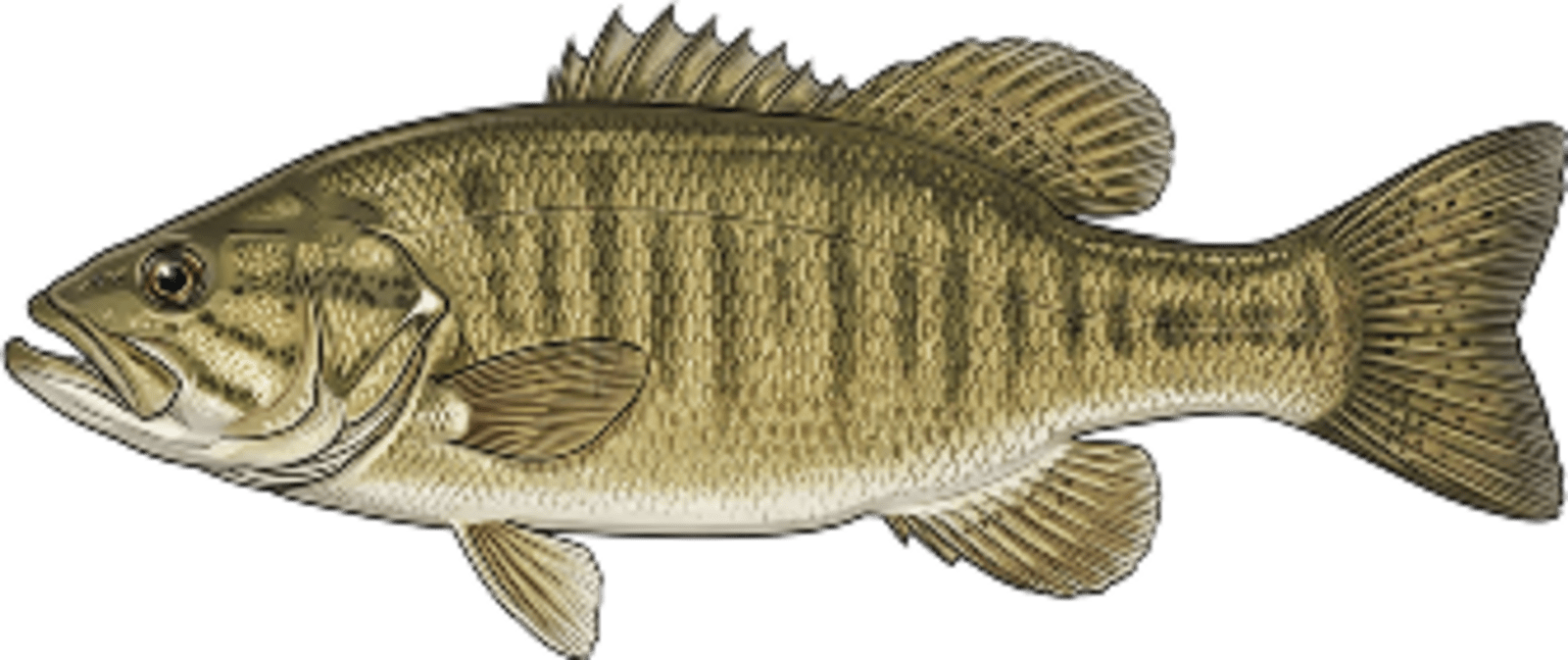
Smallmouth bass
Smallmouth bass
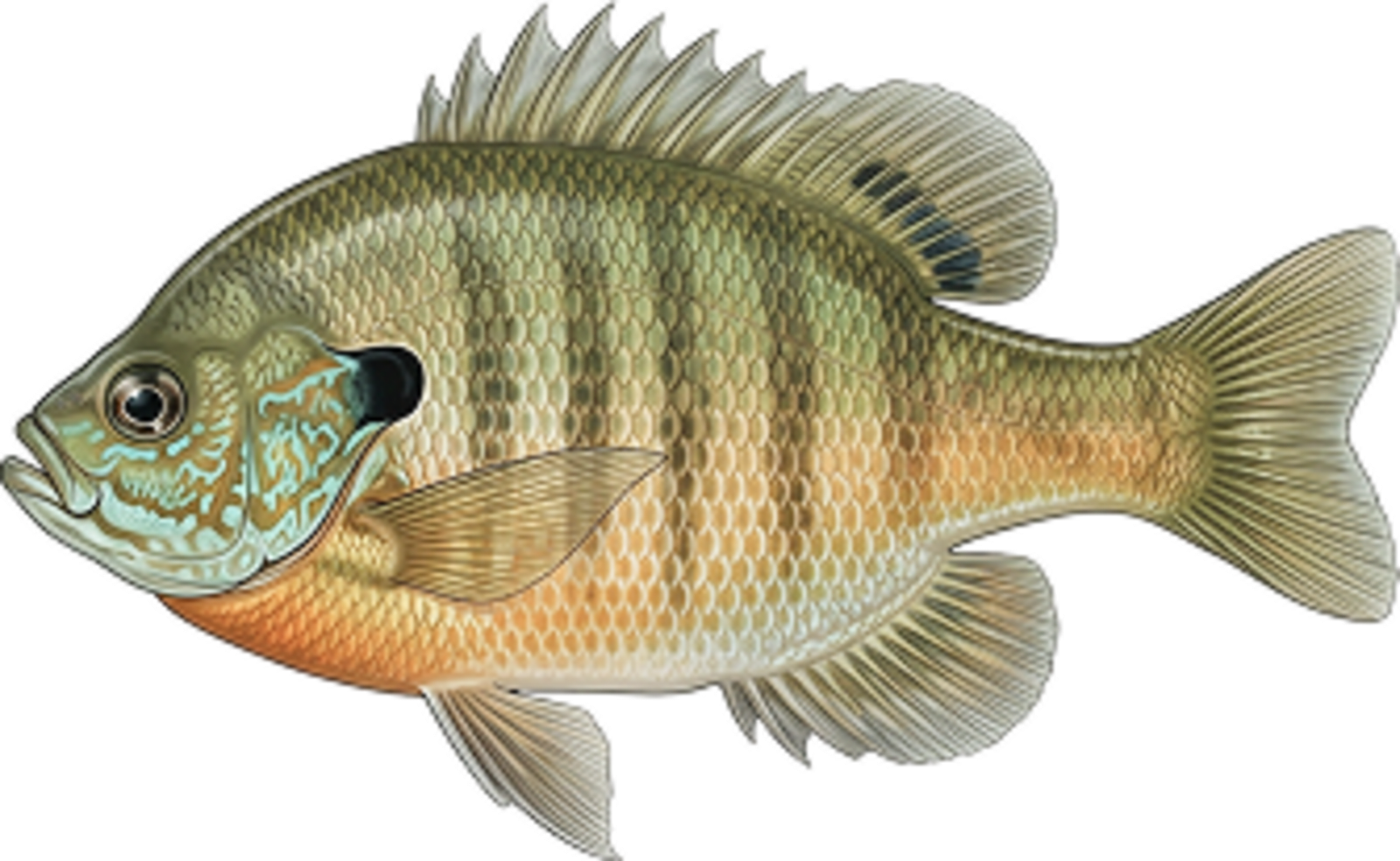
Bluegill
Bluegill
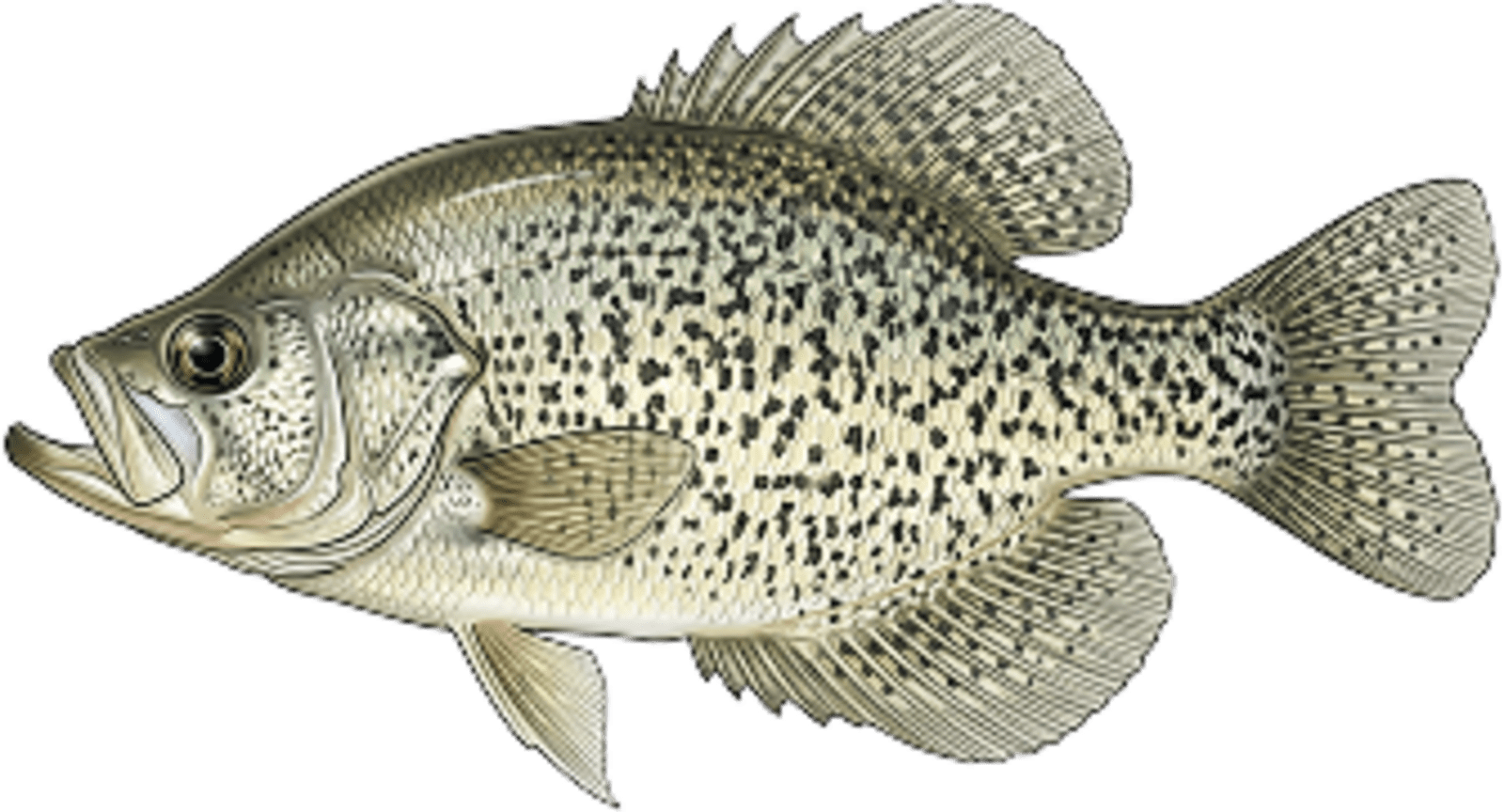
Crappie
Crappie
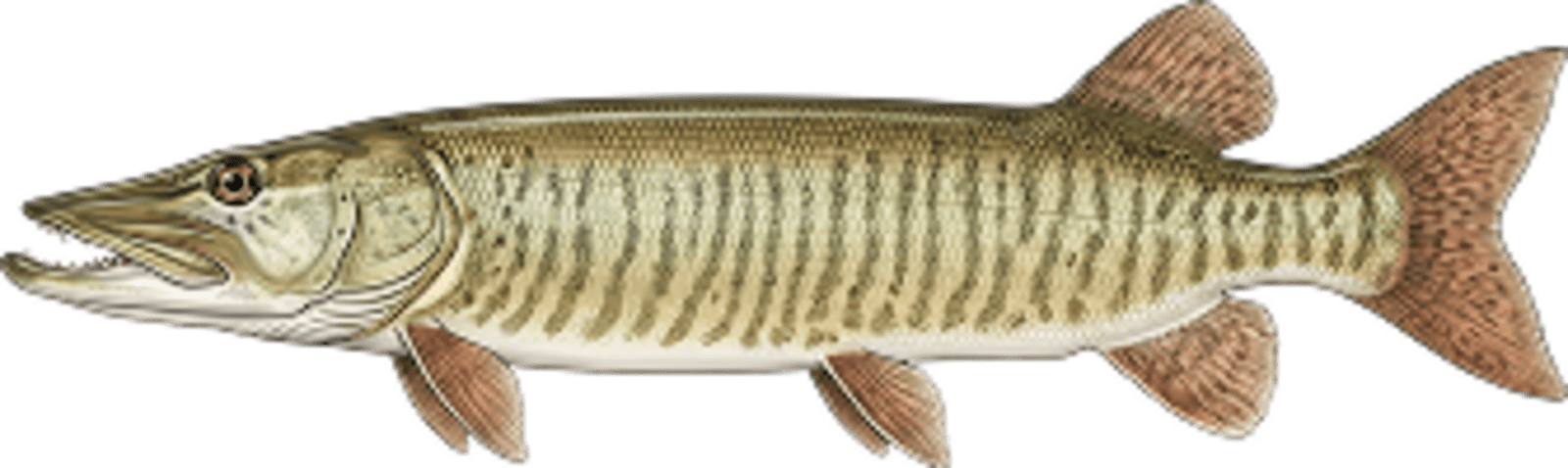
Muskellunge
Muskellunge
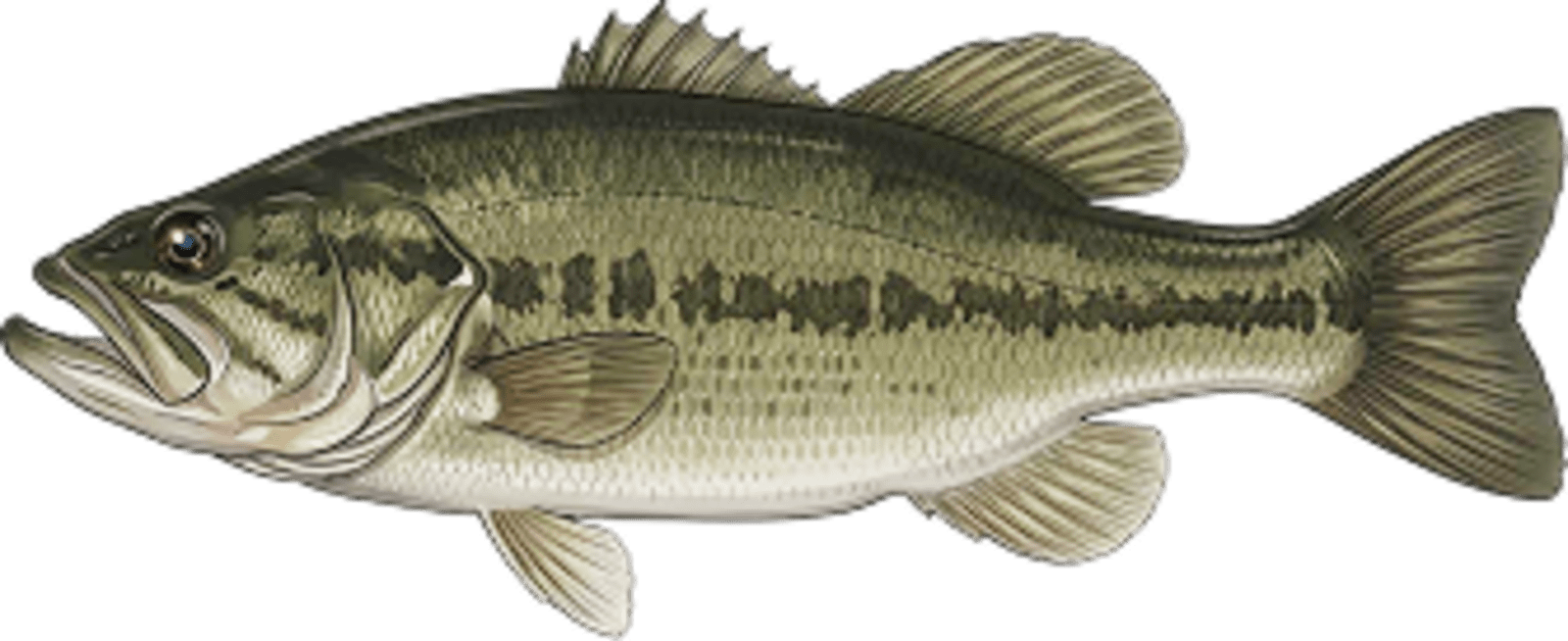
Largemouth bass
Largemouth bass
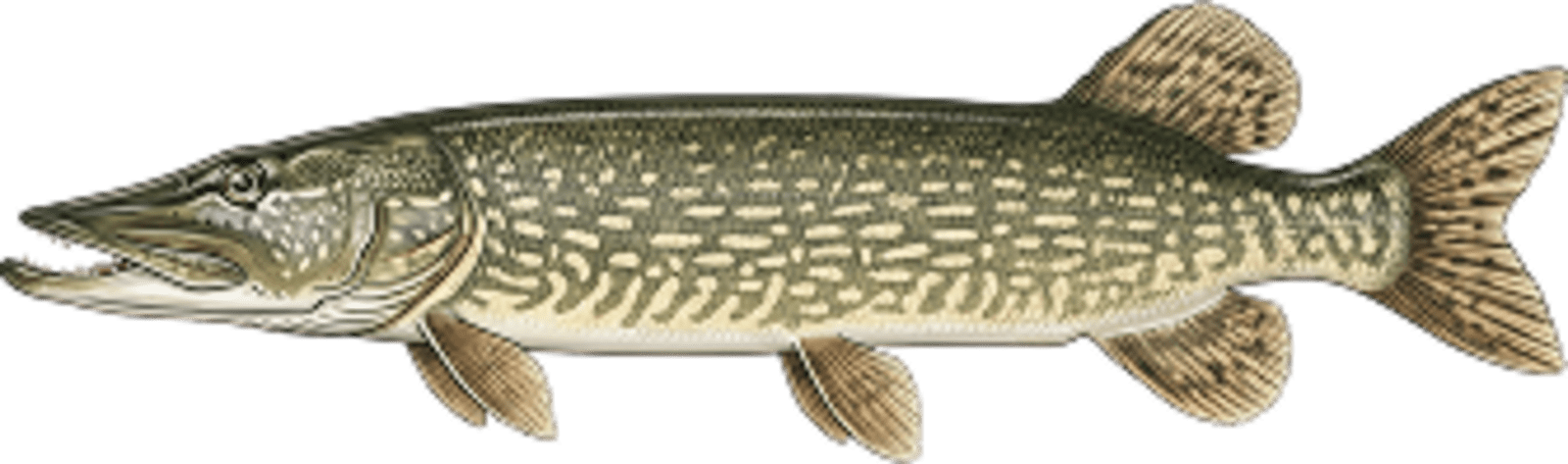
Northern pike
Northern pike
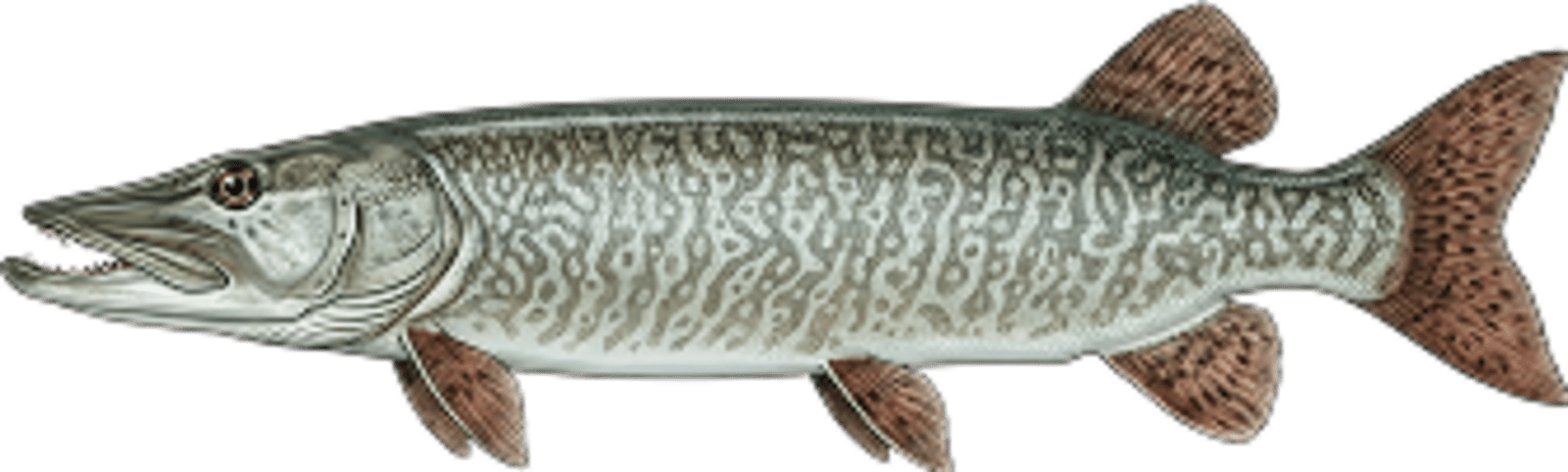
Tiger muskellunge
Tiger muskellunge
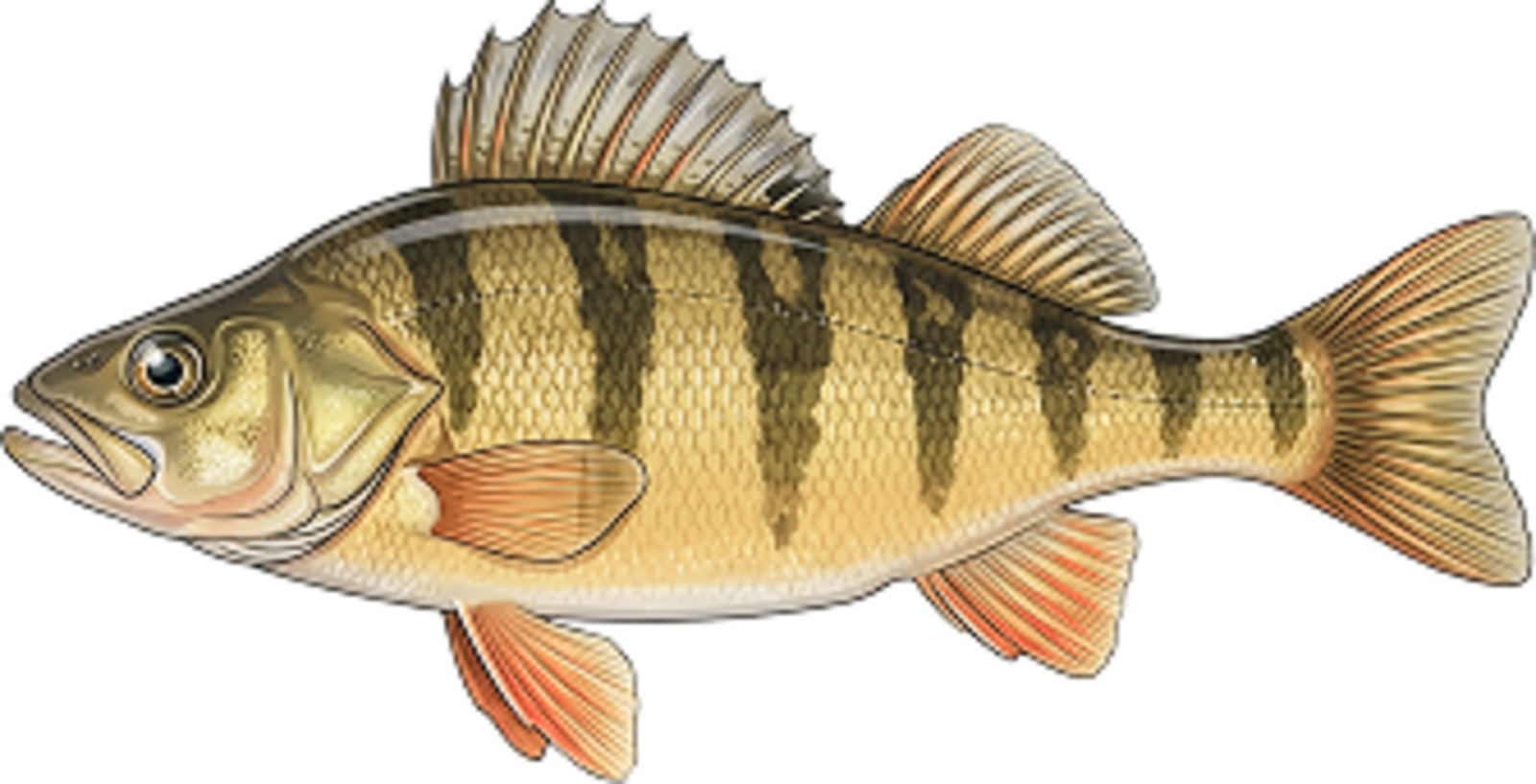
Perch
Perch
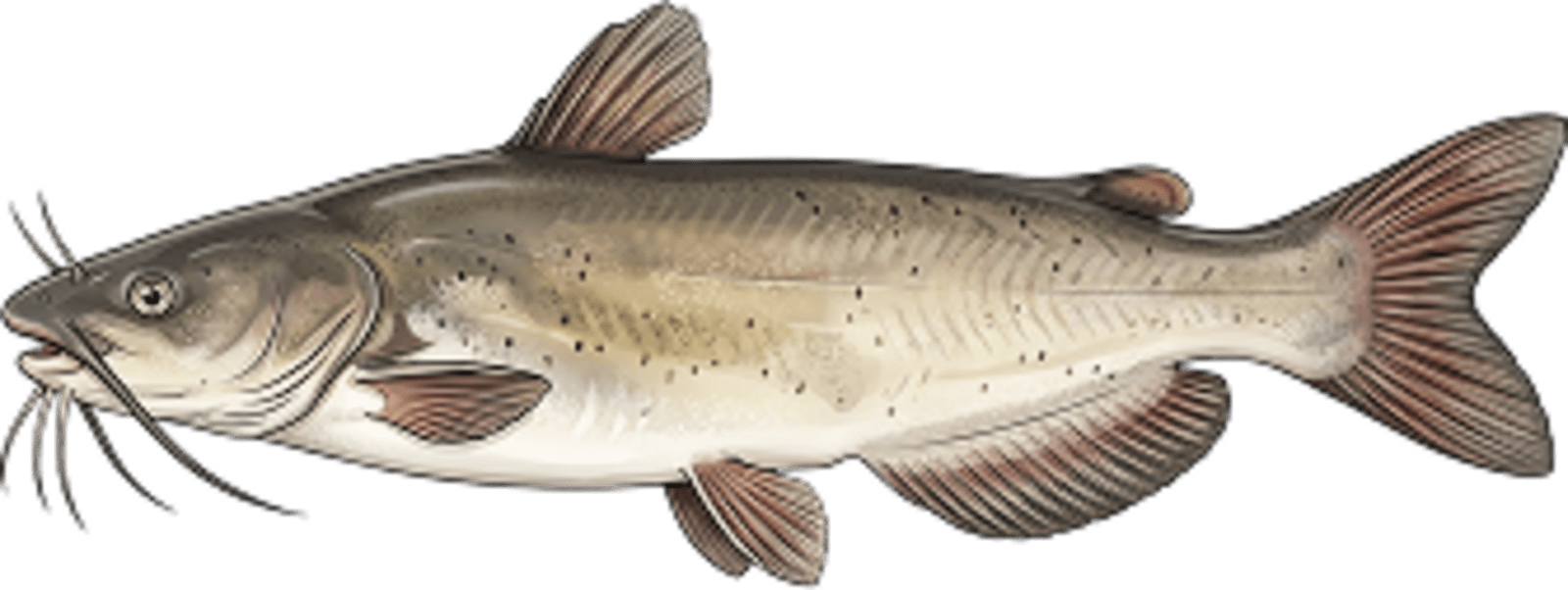
Channel catfish
Channel catfish
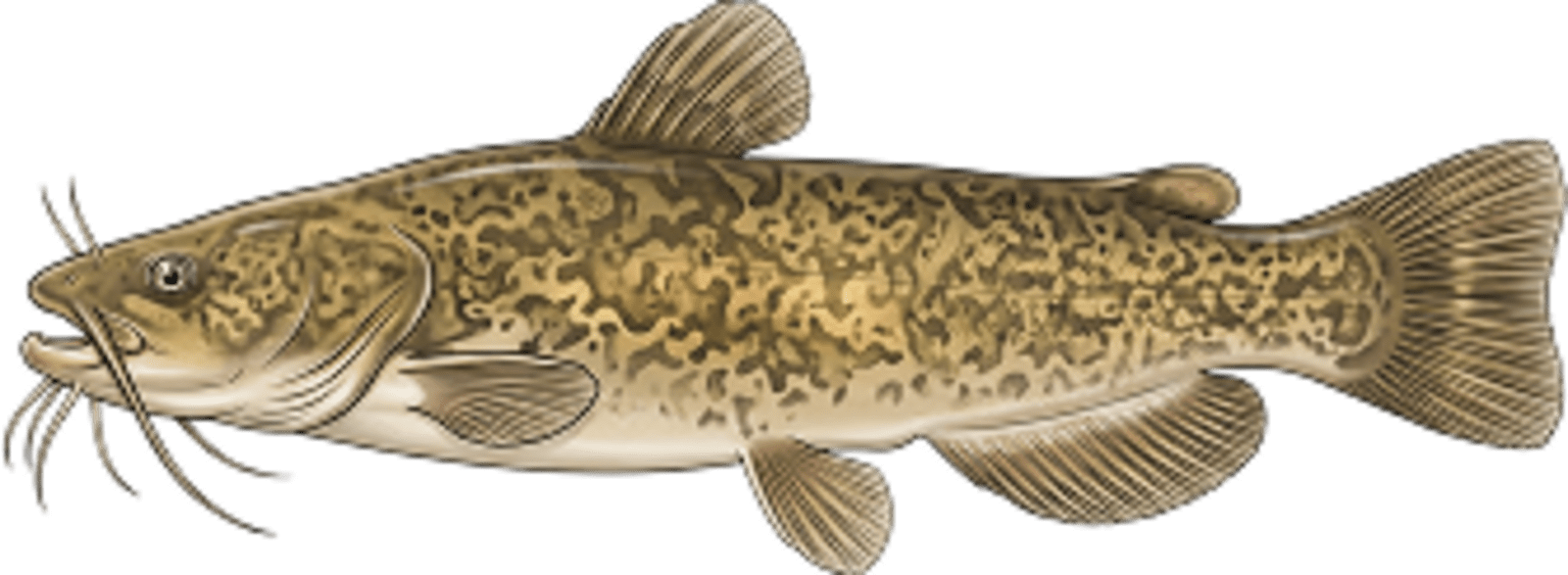
Flathead catfish
Flathead catfish
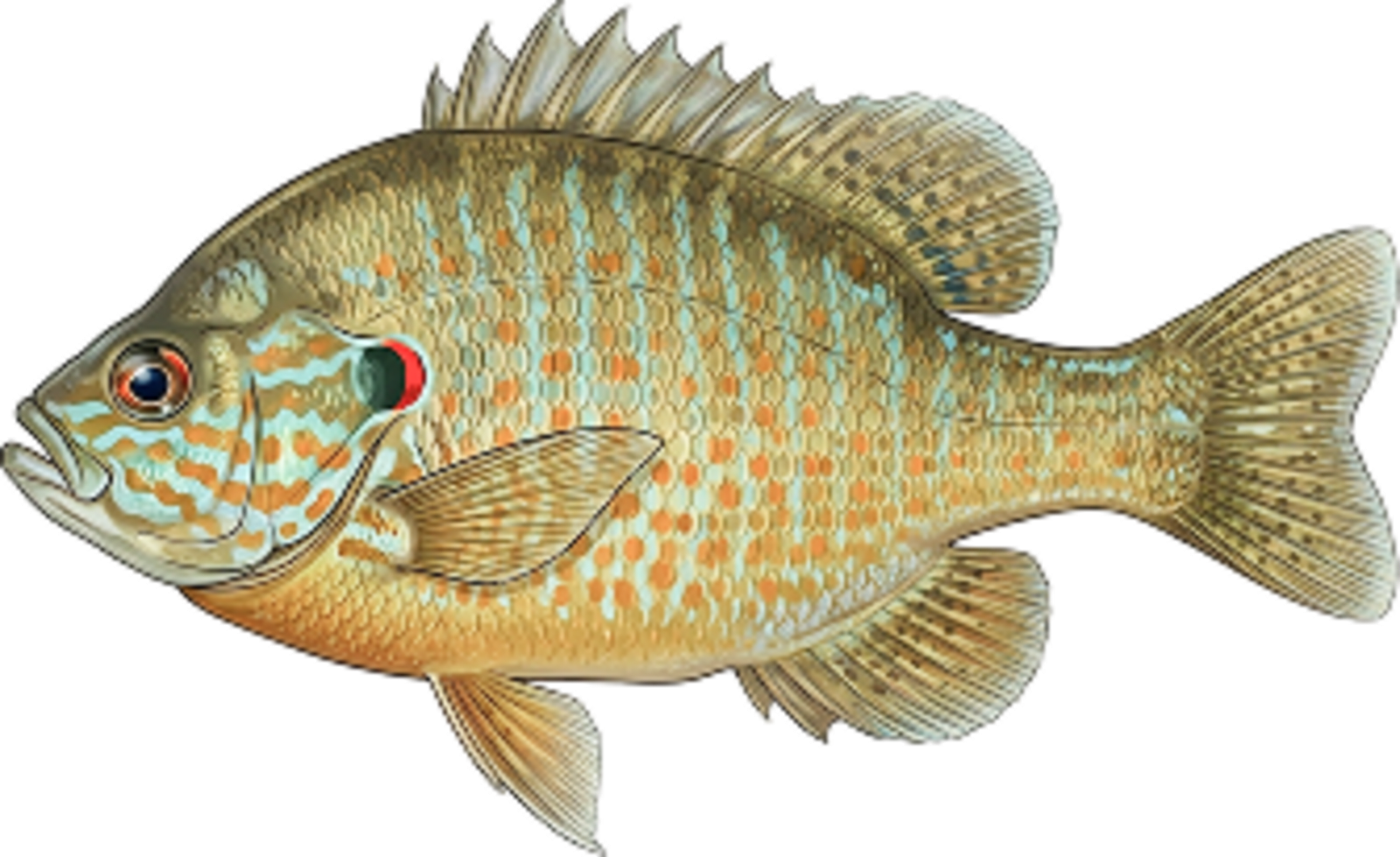
Pumpkinseed
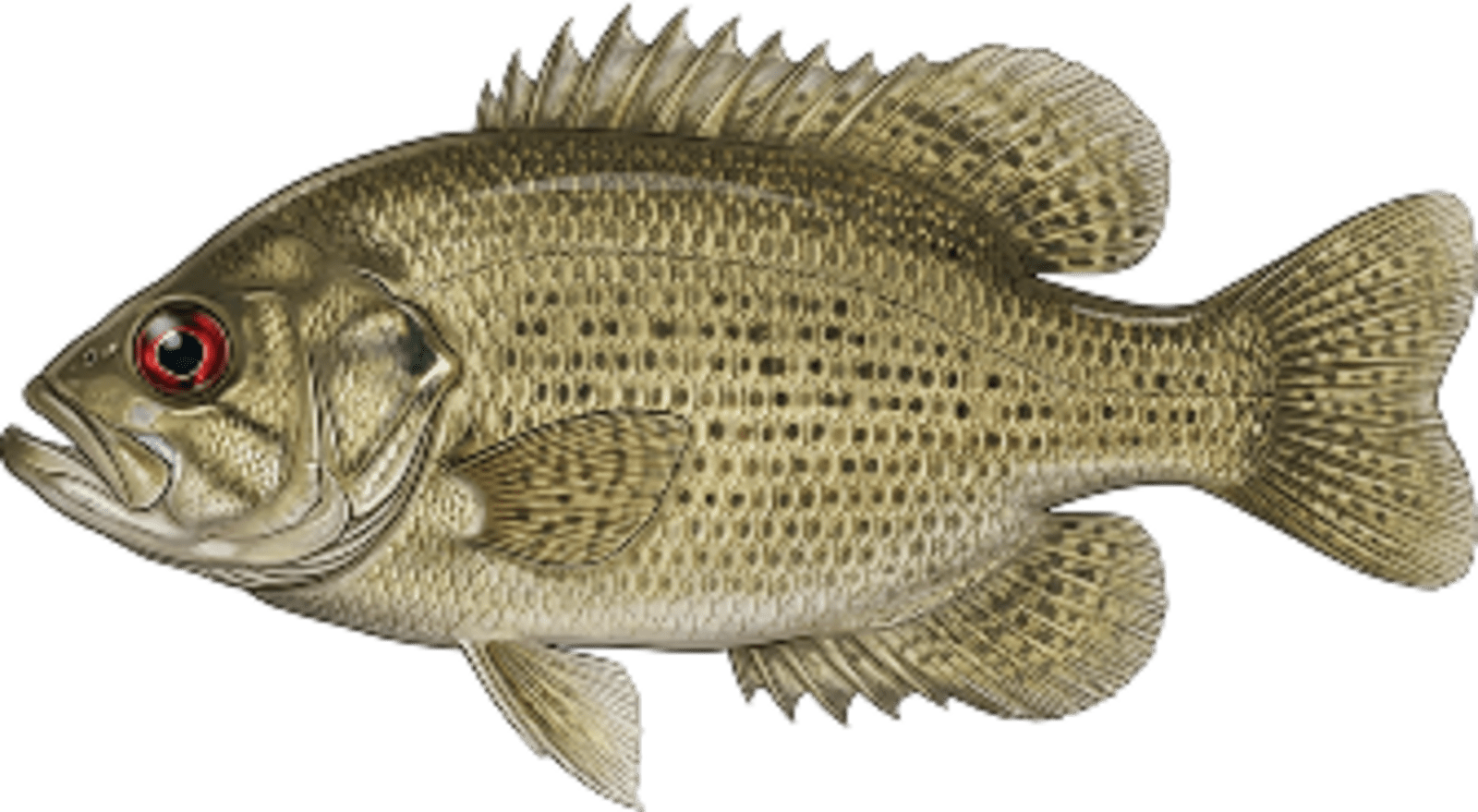
Pumpkinseed
Rock bass
Rock bass
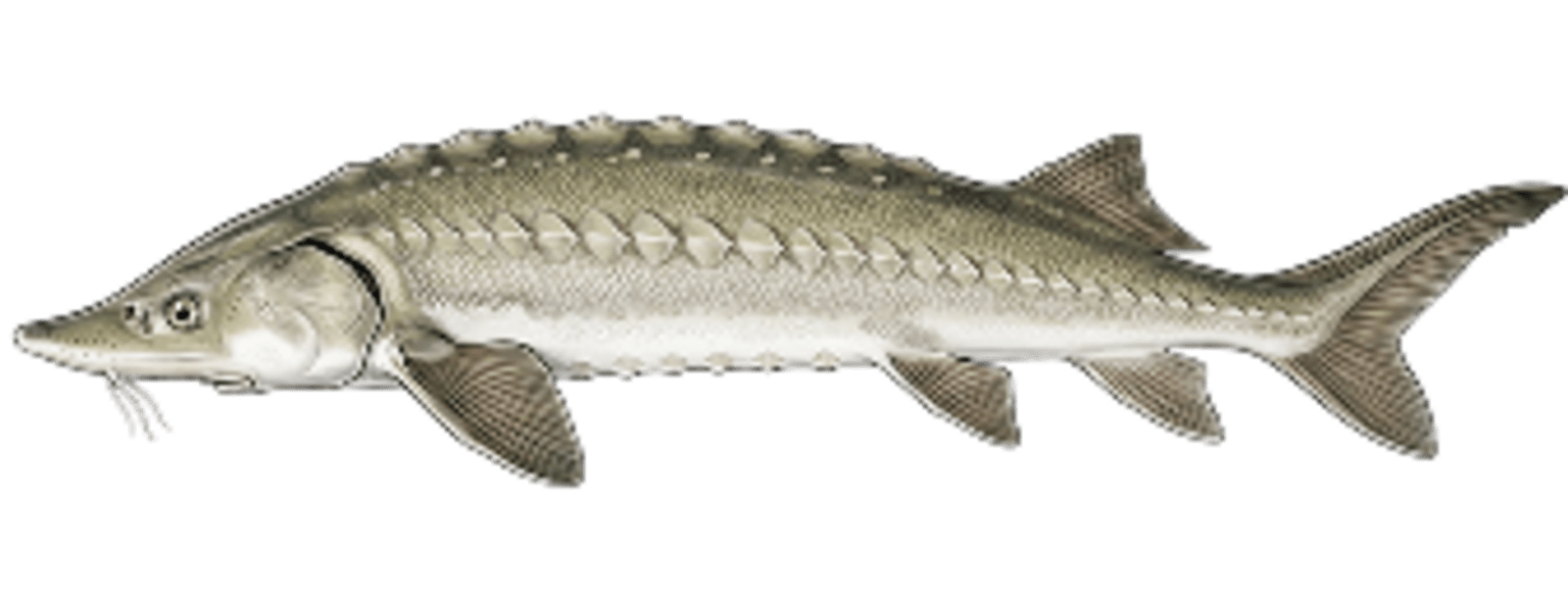
Sturgeon
Sturgeon

Overview

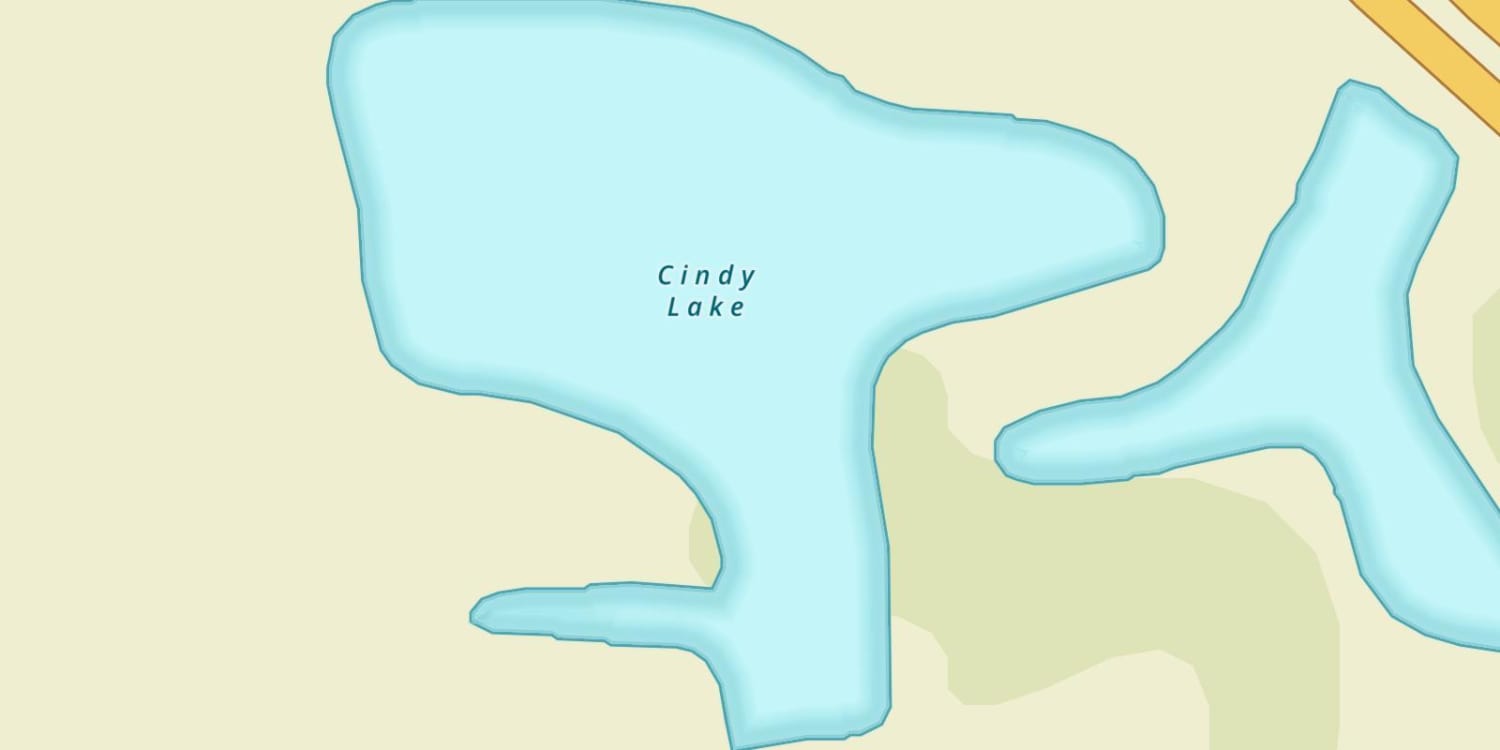
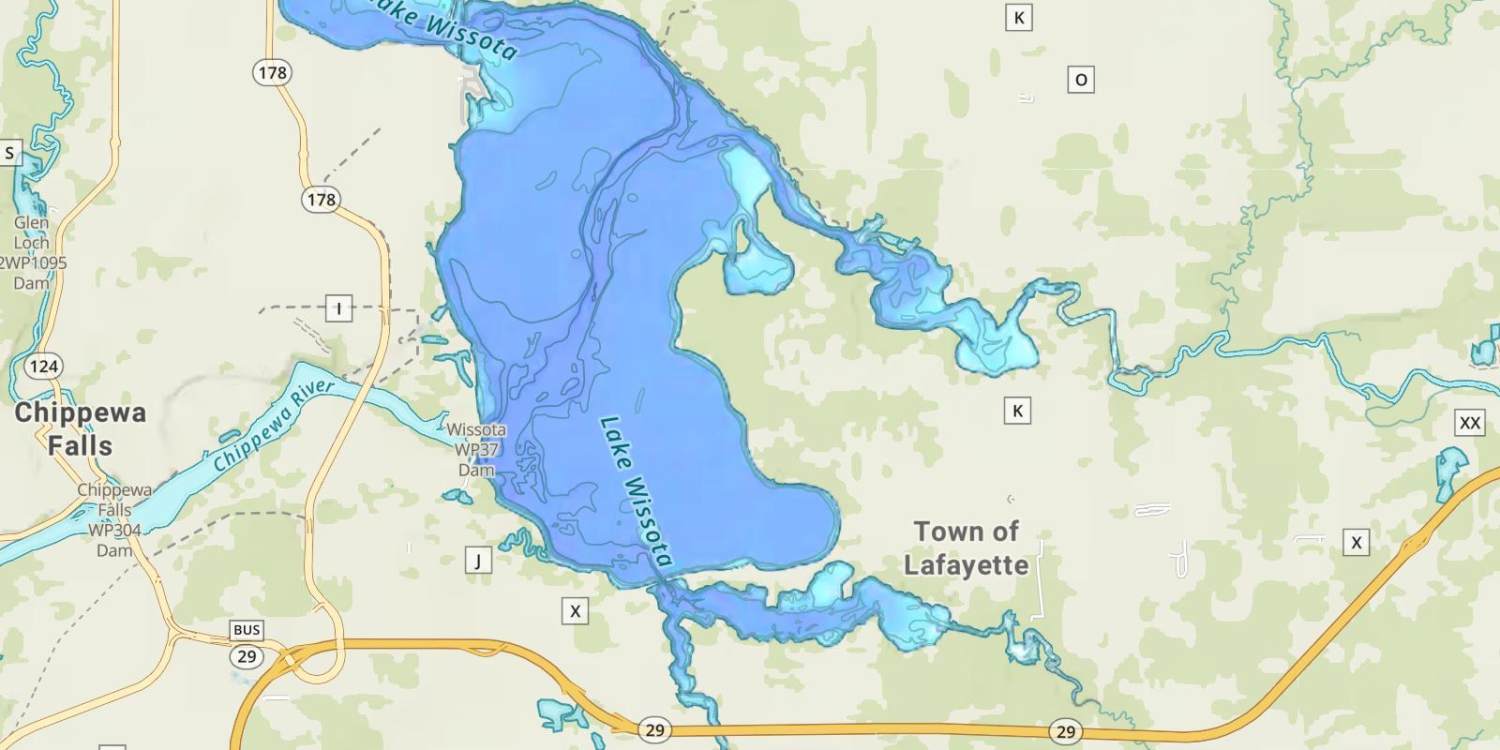
In northwestern Wisconsin, just east of Chippewa Falls and north of Highway 29.

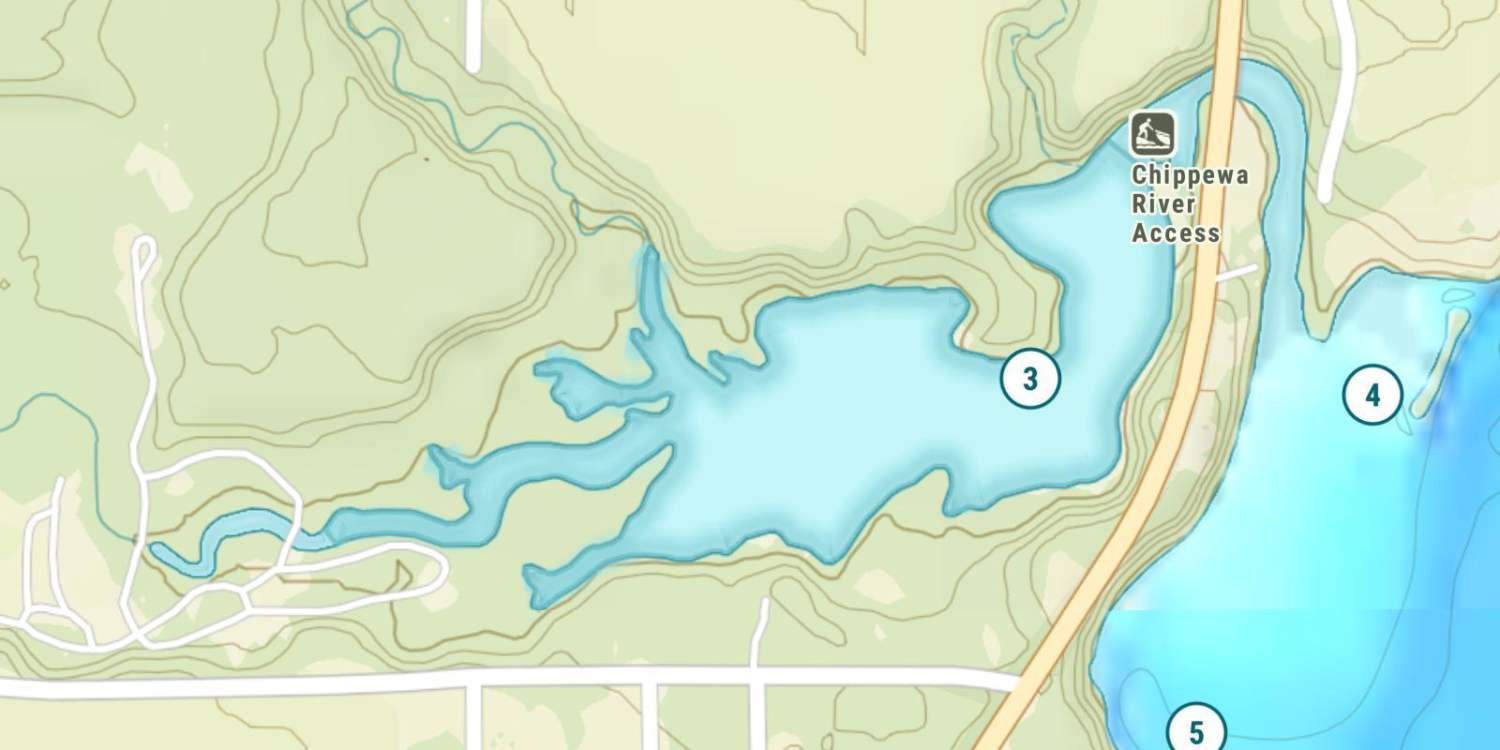
Lake Wissota Map

Fishing Regulations

Special Fishing regulations: This lake has special fishing regulations that differ from statewide or border water regulations for those species identified below and take precedence. Regulations listed below are currently in place. Visit the fishing regulations page for links to upcoming regulations for specific lakes.

Special Waterbody Regulations

  • Catch and release fishing for largemouth and smallmouth bass is open year round unless otherwise noted. Motor Trolling is allowed with up to 3 hooks, baits, or lures, per angler.

Special Species Regulations

  • Flathead catfish: See Catfish.
  • Panfish: Open all year: No minimum length limit and the daily bag limit is 25
  • Walleye, Saugers, and Hybrids: May 3, 2025 to March 1, 2026: The minimum length is 13”, but walleye, sauger, and hybrids from 16” to 24” may not be kept, and only 1 fish over 24” is allowed. The daily bag limit is 3
  • Bullheads: Open all year: No minimum length limit and the daily bag limit is unlimited
  • Catfish: Open all year: No minimum length limit and the daily bag limit is 10
  • Cisco and whitefish: Open all year: No minimum length limit and the daily bag limit is 10
  • Lake sturgeon: September 6, 2025 to September 30, 2025: All sturgeon taken with hook and line must be tagged and registered. The minimum length is 60” and season limit is 1 fish
  • Muskellunge and hybrids: May 24, 2025 to December 31, 2025: The minimum length limit is 50” and the daily bag limit is 1
  • Northern pike: May 3, 2025 to March 1, 2026: No minimum length limit and the daily bag limit is 5
  • Largemouth bass and smallmouth bass: May 3, 2025 to March 1, 2026: The minimum length limit is 14” and the daily bag limit is 5
  • Largemouth bass: See Largemouth and Smallmouth Bass.
  • Smallmouth bass: See Largemouth and Smallmouth Bass.
  • Paddlefish: Closed. No fishing allowed.
  • Rock, Yellow, and White Bass: Open all year: No minimum length limit and the daily bag limit is unlimited
  • Rough fish: Open all year: No minimum length limit and the daily bag limit is unlimited
  • Round goby: Open all year: The daily bag limit is 0, one may be killed and possessed for transport to a WDNR Office
  • Ruffe: Open all year: The daily bag limit is 0, one may be killed and possessed for transport to a WDNR Office
  • Shovelnose sturgeon: Closed. No fishing allowed.
  • Trout and salmon: See Trout regulations layer.
  • White perch: Open all year: The daily bag limit is 0, one may be killed and possessed for transport to a WDNR Office
  • Bluegill: See Panfish.
  • Bowfin: See Rough Fish.
  • Channel catfish: See Catfish.
  • Crappies: See Panfish.
  • Hybrid, Striped, Yellow, and White Bass: See Rock, Yellow and White Bass.
  • Longnose gar: See Rough Fish.
  • Sauger and hybrids: See Walleye, Sauger, and Hybrids.
  • Shortnose gar: See Rough Fish.
  • Urban waters gamefish: This waterbody is not considered an urban water, Urban Waters Gamefish regulations do not apply.
  • Walleye: See Walleye, Sauger, and Hybrids.

Features

Nestled in the northwestern portion of Wisconsin, Lake Wissota is located just east of Chippewa Falls, WI and north of Highway 29. The reservoir was created in 1915 to provide flood control and provide a source of hydroelectric power along the Chippewa River. The lake offers a number of shore fishing sites along Highway X and provides anglers many opportunities throughout the year. Lake Wissota State Park on the northeast end of the lake provides great camping facilities along with day-use areas. Boaters unfamiliar with the Chippewa River between Lake Wissota and Jim Falls Dam should exercise caution when navigating this area. Stumps, flooded timber and shallow rock bars pose serious navigational hazards.

Forage

Yellow perch, emerald shiners and a variety of other minnow species provide excellent forage for most species, especially walleye. Redhorse and suckers are heavily utilized by larger gamefish species, like the muskie and northern pike.

Seasonal Movements

Starting in late fall, walleye move up the Chippewa River and congregate below the Jim Falls Dam. Yellow River, Paint Creek and Stillson Creek experience a similar migration. During early spring, muskie and northern pike move into the major tributaries to spawn. A smaller, less-noted migration of walleye and muskies occurs in spring when muskie and walleye move downstream into the Chippewa Falls Flowage.
Waterbody poster background

logo

Get Your Line in the Right Water

Quickly find the best places to fish and plan your day right.

Fish Species

Bluegill
fish
7-20 in
Length Range
12 in
Length Range
2024
Surveyed
Abundance (CPUE)
Low
2024
Surveyed
Electro
Catch Method
1
0Statewide Range849.0614

Lake Wissota Bluegill abundance

Average range for similar lakes

Understanding Abundance

Abundance ratings are based on Catch Per Unit Effort (CPUE) measurements conducted by the MN DNR, and represent a snapshot of a species population at a given point in time.

Source: Minnesota Department of Natural Resources. Survey cadence may vary by state and water body.
Species Lengths
2019
May
2024
May
Trophy Potential
This lake has a history of supporting trophy sized bluegill based on past surveys.
Survey YearLargest Fish (in)
20199
Channel catfish
fish
19-23 in
Length Range
21 in
Length Range
2018
Surveyed
Abundance (CPUE)
Unknown
2018
Surveyed
Trapnet
Catch Method
Understanding Abundance

Abundance ratings are based on Catch Per Unit Effort (CPUE) measurements conducted by the MN DNR, and represent a snapshot of a species population at a given point in time.

Source: Minnesota Department of Natural Resources. Survey cadence may vary by state and water body.
Species Lengths
2017
Oct
2018
Oct
Crappie
fish
7-20 in
Length Range
12 in
Length Range
2024
Surveyed
Abundance (CPUE)
Below Avg.
2024
Surveyed
Electro
Catch Method
7
0Statewide Range84.8403

Lake Wissota Crappie abundance

Average range for similar lakes

Understanding Abundance

Abundance ratings are based on Catch Per Unit Effort (CPUE) measurements conducted by the MN DNR, and represent a snapshot of a species population at a given point in time.

Source: Minnesota Department of Natural Resources. Survey cadence may vary by state and water body.
Species Lengths
2019
May
2024
May
Flathead catfish
fish
25-26 in
Length Range
26 in
Length Range
2017
Surveyed
Abundance (CPUE)
Unknown
2017
Surveyed
Trapnet
Catch Method
Understanding Abundance

Abundance ratings are based on Catch Per Unit Effort (CPUE) measurements conducted by the MN DNR, and represent a snapshot of a species population at a given point in time.

Source: Minnesota Department of Natural Resources. Survey cadence may vary by state and water body.
Species Lengths
2015
Apr
2017
Oct
Largemouth bass
fish
7-8 in
Length Range
8 in
Length Range
2021
Surveyed
Abundance (CPUE)
Low
2021
Surveyed
Electro
Catch Method
0.4167
0Statewide Range83.5649

Lake Wissota Largemouth bass abundance

Average range for similar lakes

Understanding Abundance

Abundance ratings are based on Catch Per Unit Effort (CPUE) measurements conducted by the MN DNR, and represent a snapshot of a species population at a given point in time.

Source: Minnesota Department of Natural Resources. Survey cadence may vary by state and water body.
Species Lengths
2019
Oct
2021
Oct
Muskellunge
fish
8-16 in
Length Range
10 in
Length Range
2024
Surveyed
Abundance (CPUE)
Below Avg.
2024
Surveyed
Trapnet
Catch Method
0.0068
0Statewide Range0.0648

Lake Wissota Muskellunge abundance

Average range for similar lakes

Understanding Abundance

Abundance ratings are based on Catch Per Unit Effort (CPUE) measurements conducted by the MN DNR, and represent a snapshot of a species population at a given point in time.

Source: Minnesota Department of Natural Resources. Survey cadence may vary by state and water body.
Species Lengths
2024
Apr
2024
Oct
Northern pike
fish
16-32 in
Length Range
24 in
Length Range
2024
Surveyed
Abundance (CPUE)
Low
2024
Surveyed
Trapnet
Catch Method
0.0191
0Statewide Range0.3447

Lake Wissota Northern pike abundance

Average range for similar lakes

Understanding Abundance

Abundance ratings are based on Catch Per Unit Effort (CPUE) measurements conducted by the MN DNR, and represent a snapshot of a species population at a given point in time.

Source: Minnesota Department of Natural Resources. Survey cadence may vary by state and water body.
Species Lengths
2019
Apr
2024
Apr
Perch
fish
7-20 in
Length Range
12 in
Length Range
2024
Surveyed
Abundance (CPUE)
Unknown
2024
Surveyed
Trapnet
Catch Method
Understanding Abundance

Abundance ratings are based on Catch Per Unit Effort (CPUE) measurements conducted by the MN DNR, and represent a snapshot of a species population at a given point in time.

Source: Minnesota Department of Natural Resources. Survey cadence may vary by state and water body.
Species Lengths
2019
May
2024
May
Pumpkinseed
fish
6-7 in
Length Range
7 in
Length Range
2006
Surveyed
Abundance (CPUE)
Unknown
2006
Surveyed
Trapnet
Catch Method
Understanding Abundance

Abundance ratings are based on Catch Per Unit Effort (CPUE) measurements conducted by the MN DNR, and represent a snapshot of a species population at a given point in time.

Source: Minnesota Department of Natural Resources. Survey cadence may vary by state and water body.
Species Lengths
2005
Oct
2006
Oct
Rock bass
fish
5-10 in
Length Range
7 in
Length Range
2015
Surveyed
Abundance (CPUE)
Unknown
2015
Surveyed
Trapnet
Catch Method
Understanding Abundance

Abundance ratings are based on Catch Per Unit Effort (CPUE) measurements conducted by the MN DNR, and represent a snapshot of a species population at a given point in time.

Source: Minnesota Department of Natural Resources. Survey cadence may vary by state and water body.
Species Lengths
2015
Apr
2015
May
Smallmouth bass
fish
7-20 in
Length Range
12 in
Length Range
2024
Surveyed
Abundance (CPUE)
Above Avg.
2024
Surveyed
Electro
Catch Method
16
0Statewide Range80.5292

Lake Wissota Smallmouth bass abundance

Average range for similar lakes

Understanding Abundance

Abundance ratings are based on Catch Per Unit Effort (CPUE) measurements conducted by the MN DNR, and represent a snapshot of a species population at a given point in time.

Source: Minnesota Department of Natural Resources. Survey cadence may vary by state and water body.
Species Lengths
2021
Oct
2024
May
Trophy Potential
This lake has a history of supporting trophy sized smallmouth-bass based on past surveys.
Survey YearLargest Fish (in)
202419
201918
201719
Sturgeon
fish
No survey data
Abundance (CPUE)
No abundance data
Understanding Abundance

Abundance ratings are based on Catch Per Unit Effort (CPUE) measurements conducted by the MN DNR, and represent a snapshot of a species population at a given point in time.

Source: Minnesota Department of Natural Resources. Survey cadence may vary by state and water body.
Species Lengths
2015
Apr
Tiger muskellunge
fish
16-32 in
Length Range
24 in
Length Range
2024
Surveyed
Abundance (CPUE)
Unknown
2024
Surveyed
Trapnet
Catch Method
Understanding Abundance

Abundance ratings are based on Catch Per Unit Effort (CPUE) measurements conducted by the MN DNR, and represent a snapshot of a species population at a given point in time.

Source: Minnesota Department of Natural Resources. Survey cadence may vary by state and water body.
Species Lengths
2015
Apr
2024
Apr
Walleye
fish
8-16 in
Length Range
10 in
Length Range
2024
Surveyed
Abundance (CPUE)
Outlier
2024
Surveyed
Electro
Catch Method
209.2857
0Statewide Range75.60845

Lake Wissota Walleye abundance

Average range for similar lakes

Understanding Abundance

Abundance ratings are based on Catch Per Unit Effort (CPUE) measurements conducted by the MN DNR, and represent a snapshot of a species population at a given point in time.

Source: Minnesota Department of Natural Resources. Survey cadence may vary by state and water body.
Species Lengths
2024
May
2024
Oct