Size
NA
Boat Launch
Carry-in Launch
Toilet
No
Boat Dock
Species in Mud Creek
Overview
These 10 bodies of water are dominated by muskie and walleye. Quality perch, crappie and smallmouth available.
Mud Creek Map
Features
The 9 lakes of the Eagle River Chain comprise nearly 3,600 acres, and when combined with the adjoining Three Lakes Chain, form the largest freshwater chain of lakes in the world. In recent years the Chain has been recognized as one of Wisconsin’s most productive muskie fisheries.
Several “No Wake” zones are posted throughout the chain, including the channels between all lakes and the entire stretch of the Eagle River from the Highway 45 bridge downstream to Watersmeet Lake. These zones are strictly enforced, and violators are fined.
A boat hoist at the Burnt Rollways Dam on the Eagle River at Long Lake allows boaters to pass between the Three Lakes and Eagle River chains.
Forage
Juvenile perch comprise the primary forage for walleye. Other forage present includes sucker, redhorse and various minnow species. Crayfish are also important.
Seasonal Movements
During high water periods when the Otter Rapids Dam is open (primarily in spring and fall), walleye and muskie have a strong tendency to move into the Eagle River and the channels between lakes. The presence of visible current in the channels triggers fish movement. Both species seem to move upstream with the presence of significant current.
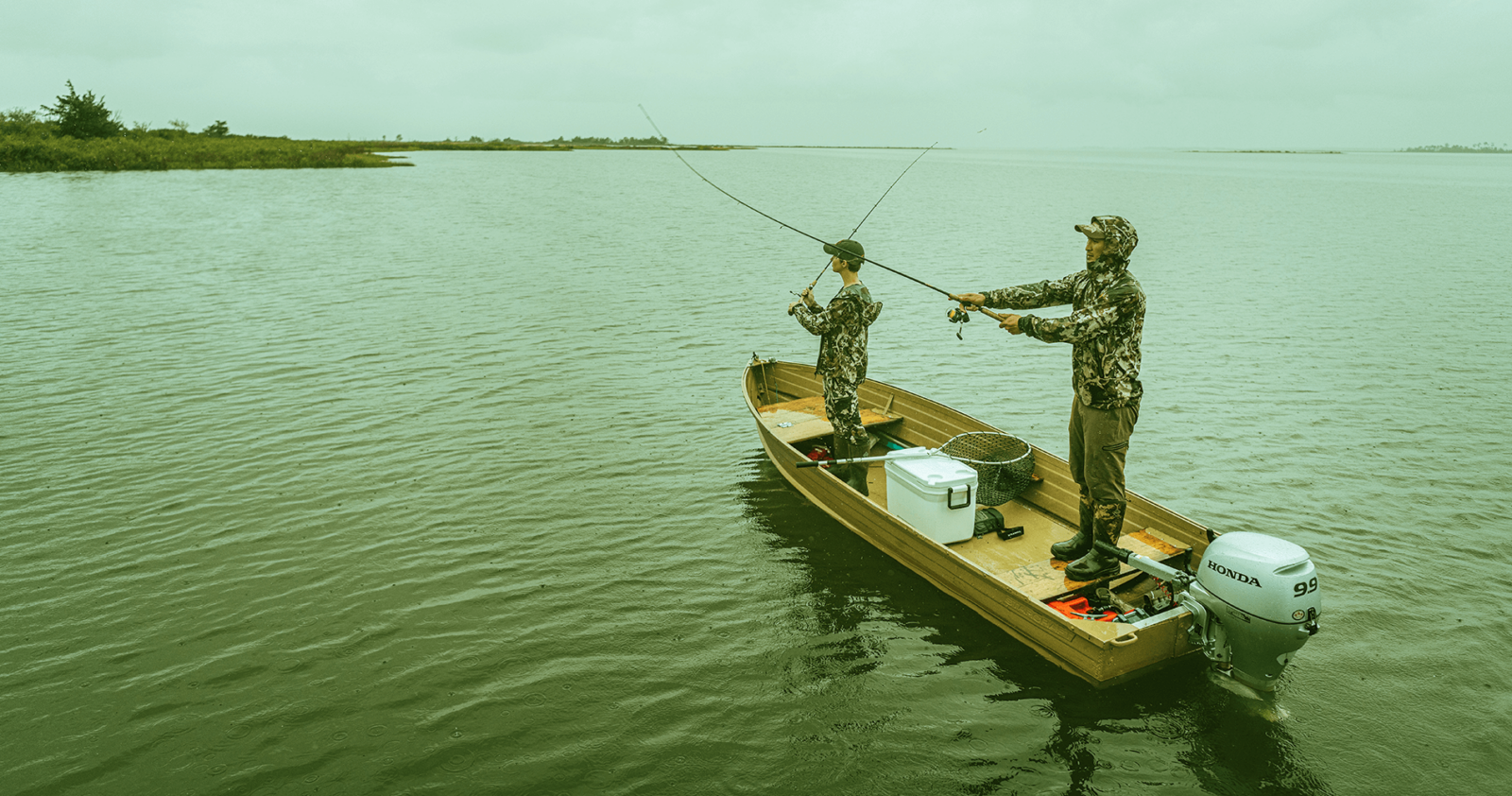

Get Your Line in the Right Water
Quickly find the best places to fish and plan your day right.
Top Fish Species
Crappie
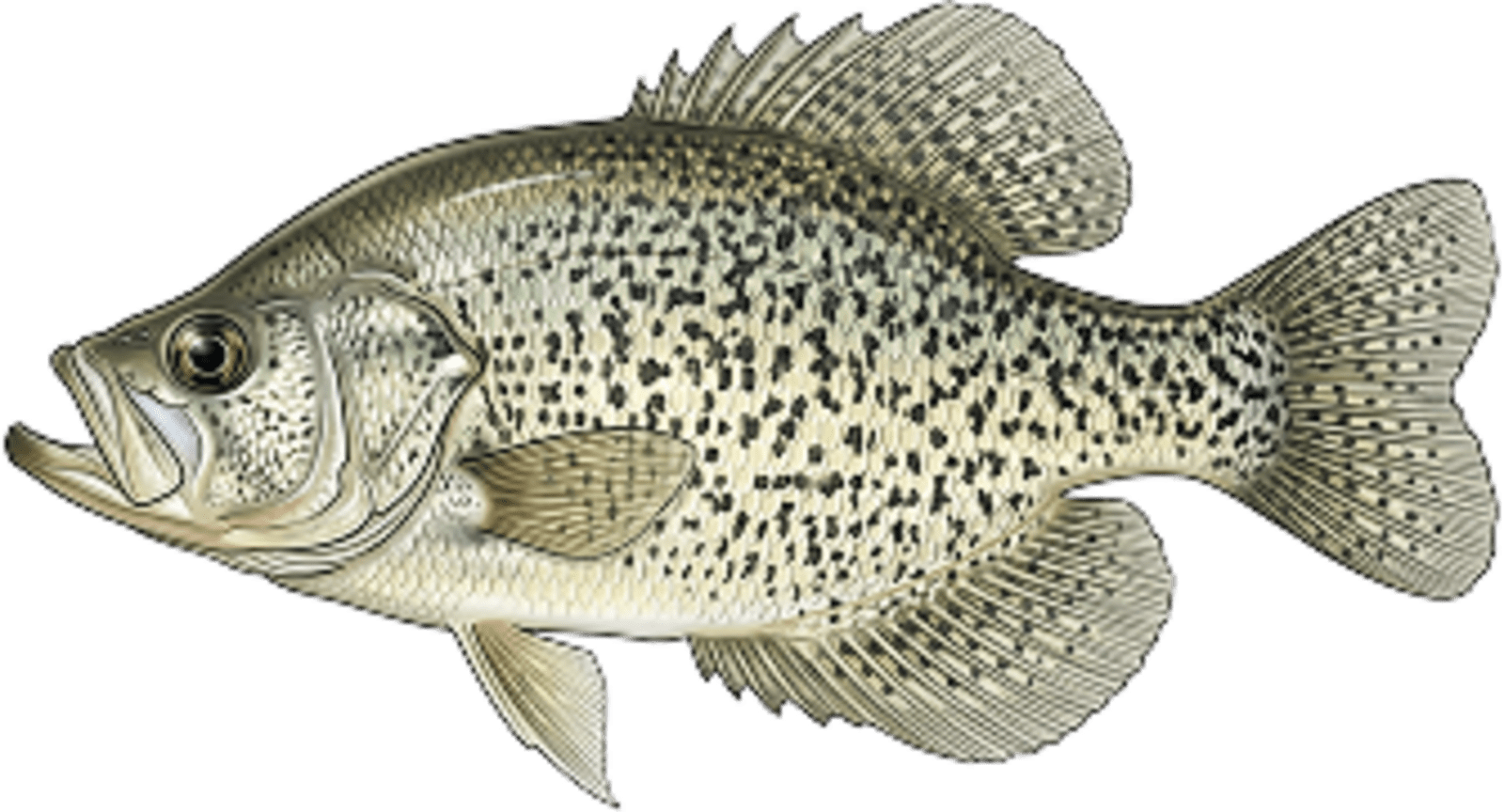
No survey data
Abundance (CPUE)

Understanding Abundance
Abundance ratings are based on Catch Per Unit Effort (CPUE) measurements conducted by the MN DNR, and represent a snapshot of a species population at a given point in time
Source: Minnesota Department of Natural Resources. Survey cadence may vary by state and water body.Species Lengths