Milford Creek

Milford Creek

Size
NA
Boat Launch
Yes
Carry-in Launch
No
Toilet
No
Boat Dock
No
Species in Milford Creek

Overview

Smallmouth, largemouth, walleye and pike all available! Known for trophies, including state records.

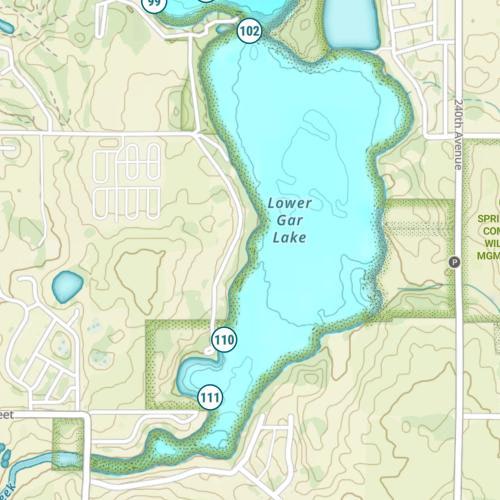
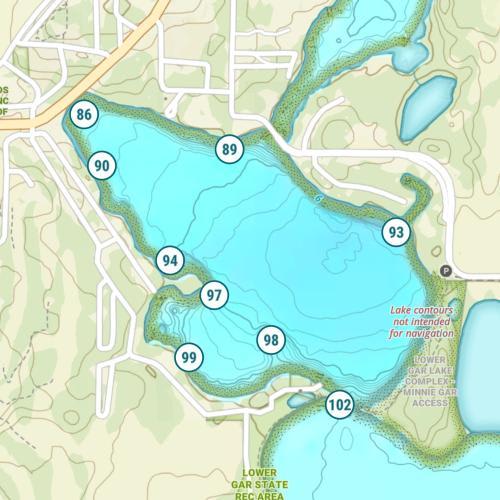
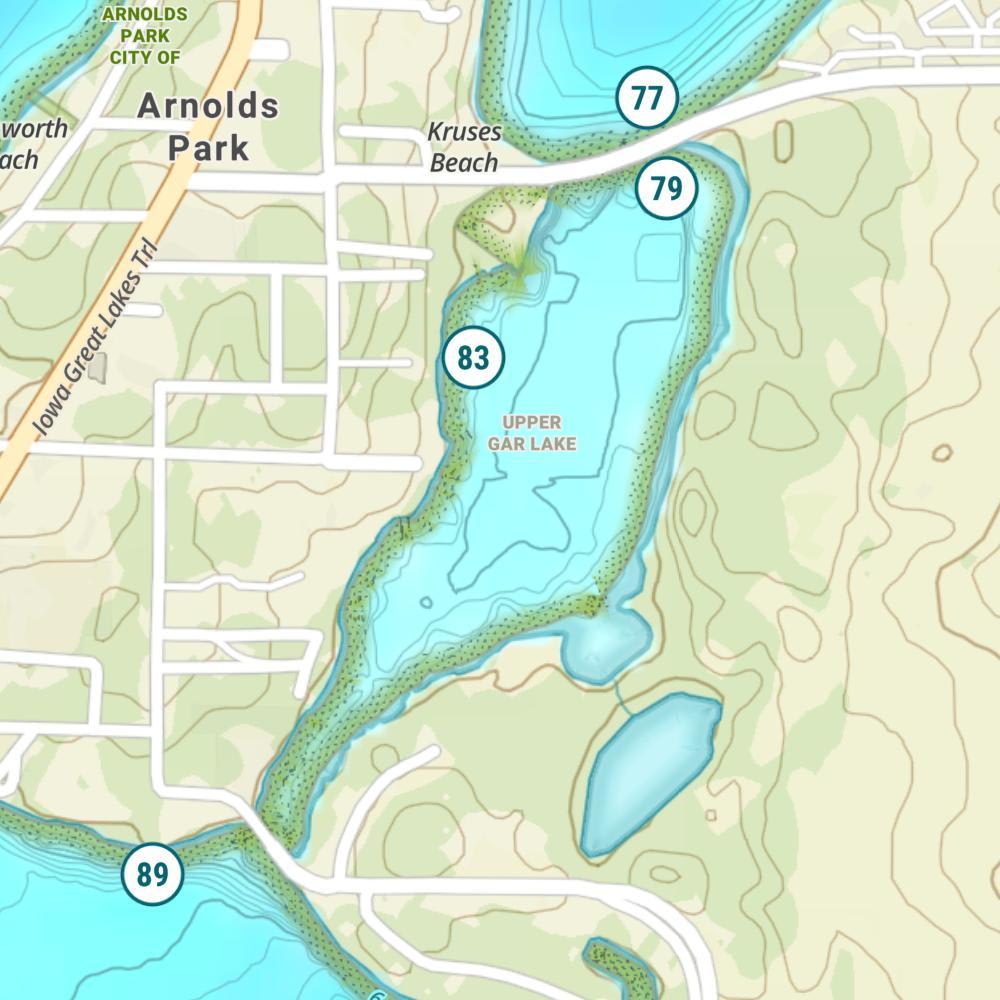
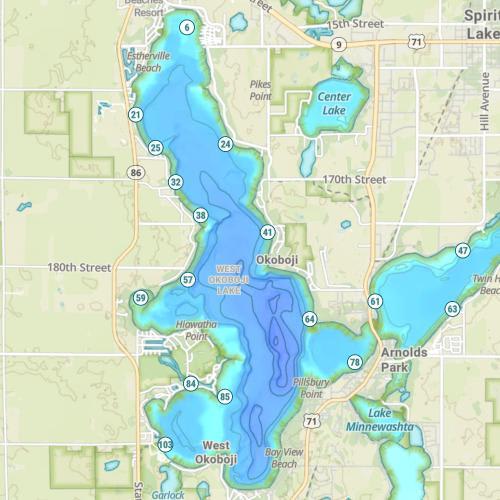
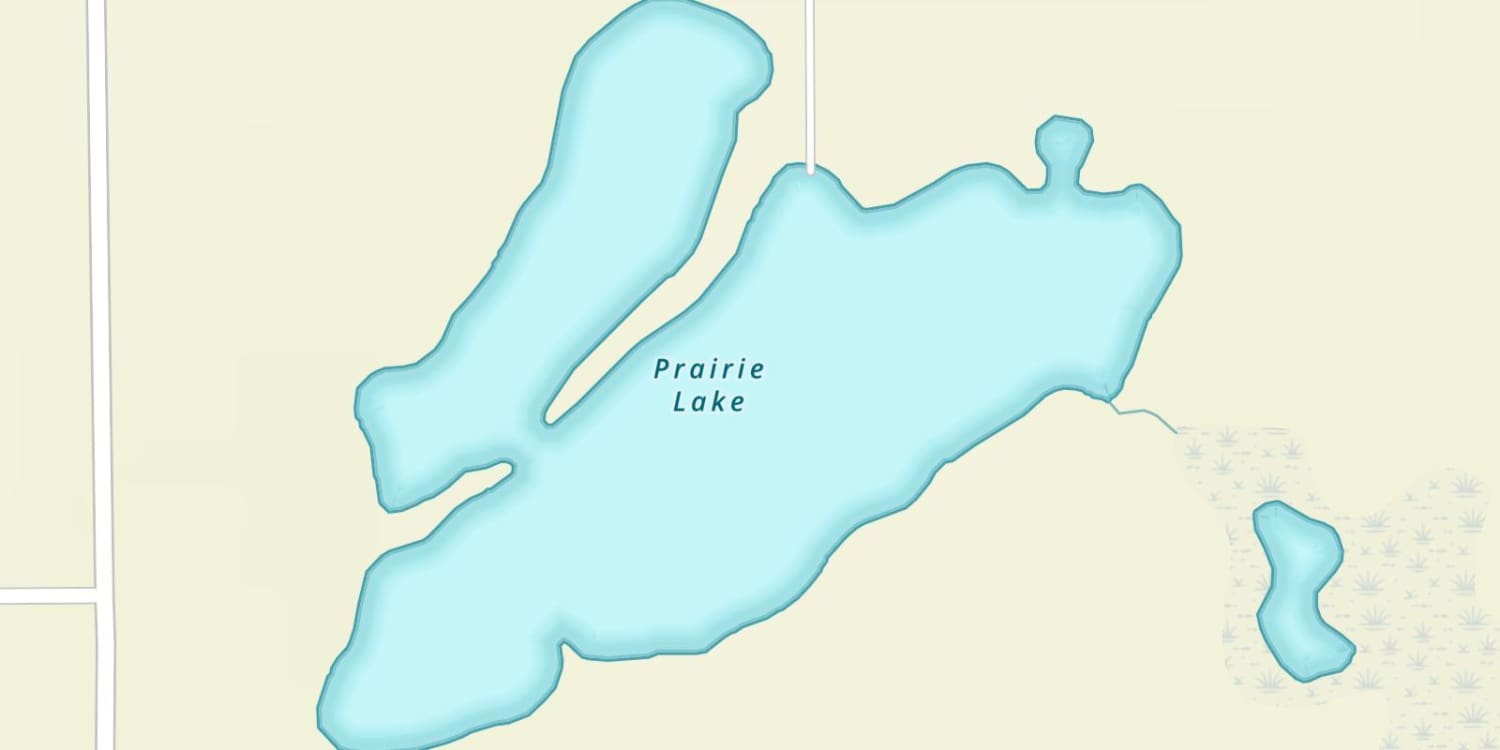
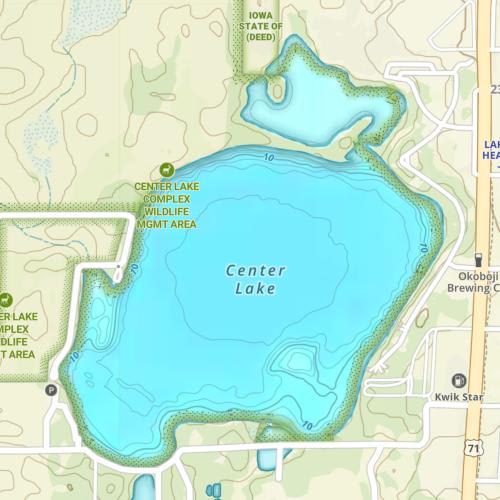
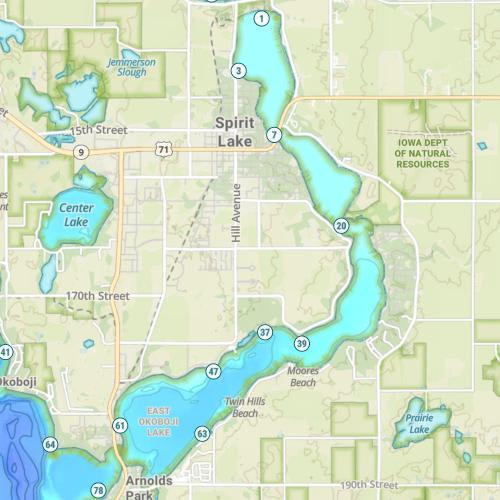
Milford Creek Map

Features

West Okoboji Lake: Located in northwestern Iowa, West Okoboji, one of Iowa’s Great Lakes, is the second largest natural lake in Iowa and has a reputation for producing trophy quality fish, including state record fish. Anglers should be aware of the special fishing regulations for the Iowa Great Lakes as they differ from other waters in the state. Check a current regulation booklet for details. East Okoboji Lake: East Okoboji Lake is the middle of the three Iowa Great Lakes. As with the other Great Lakes, special regulations are in effect. Be sure to consult the current regulations booklet for details. Minnewashta and Upper & Lower Gar Lake: These smaller lakes attached to East and West Okoboji Lakes contain many of the same fisheries but the statuses of the fisheries fluctuate with natural reproduction and movement from the other lakes.

Forage

West Okoboji Lake: Yellow perch and bluegill are the primary forage base for many of the larger game fish. Chubs, suckers, various shiners and other minnows add to the diversity of the forage base. Juvenile panfish and rough fish are also important food sources to larger predator species. East Okoboji Lake: Juvenile and adult perch and bluegill are the primary forage for many of the larger gamefish. Fathead minnow, bluntnose minnow, spottail shiner, and suckers add to the diversity of the forage base. Aquatic insects and their larvae are utilized during periods of abundance. Minnewashta, Upper & Lower Gar Lakes: Juvenile and adult perch and bluegill are primarily utilized by larger game fish. Fathead minnow, bluntnose minnow, gizzard shad and rough fish add to the diversity of the forage base. Aquatic insects and their larvae are also important food sources.

Seasonal Movements

East Okoboji Lake: IIn early spring (and at other times when a strong current is flowing over the Orleans spillway) large numbers of walleye congregate at the narrows, bridge and spillway.
Waterbody poster background

logo

Get Your Line in the Right Water

Quickly find the best places to fish and plan your day right.

Fish Species

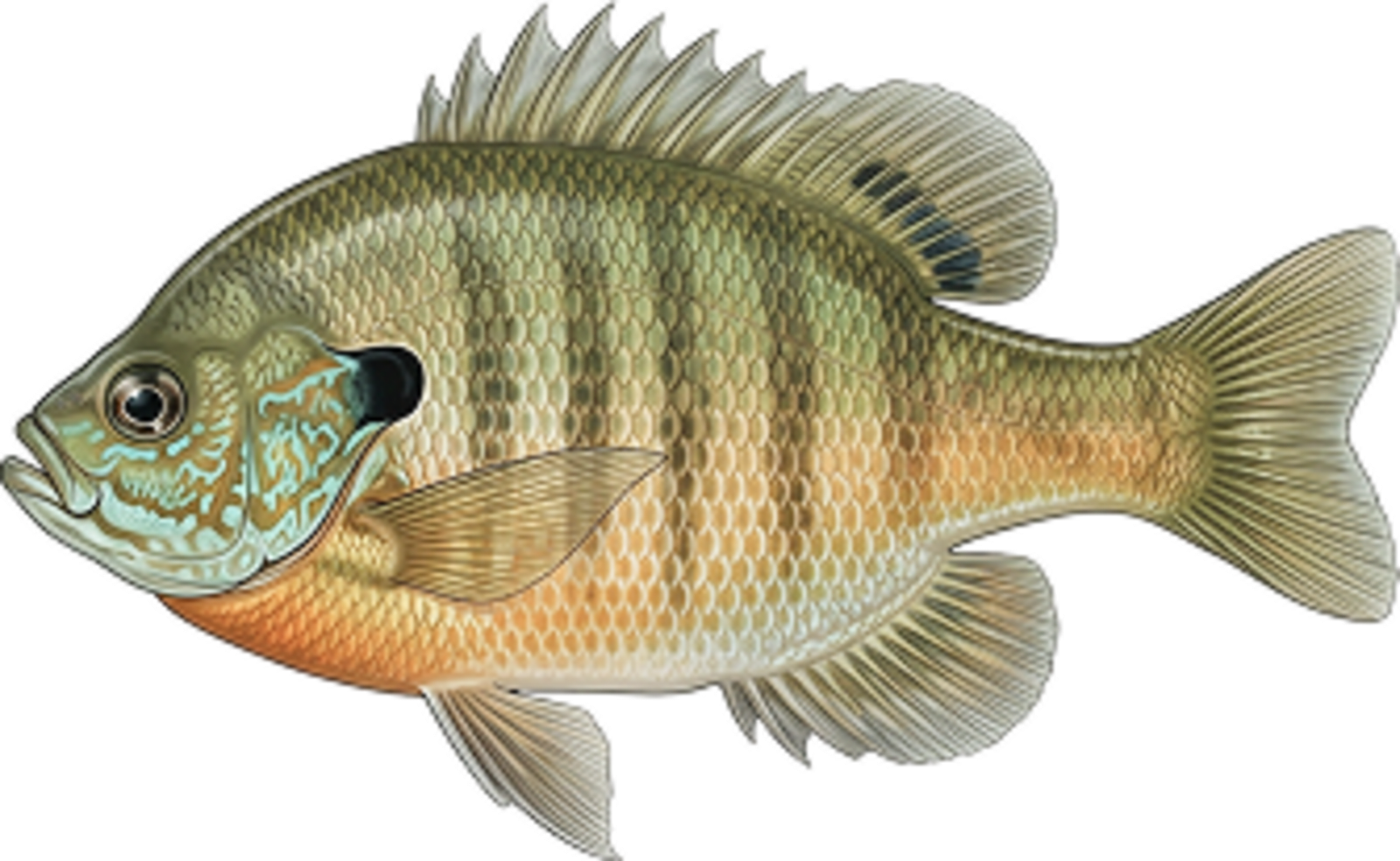
Bluegill
fish
No survey data
Abundance (CPUE)
No abundance data
Understanding Abundance

Abundance ratings are based on Catch Per Unit Effort (CPUE) measurements conducted by the MN DNR, and represent a snapshot of a species population at a given point in time.

Source: Minnesota Department of Natural Resources. Survey cadence may vary by state and water body.
Species Lengths
No Survey Data
Crappie
fish
No survey data
Abundance (CPUE)
No abundance data
Understanding Abundance

Abundance ratings are based on Catch Per Unit Effort (CPUE) measurements conducted by the MN DNR, and represent a snapshot of a species population at a given point in time.

Source: Minnesota Department of Natural Resources. Survey cadence may vary by state and water body.
Species Lengths
No Survey Data
Largemouth bass
fish
No survey data
Abundance (CPUE)
No abundance data
Understanding Abundance

Abundance ratings are based on Catch Per Unit Effort (CPUE) measurements conducted by the MN DNR, and represent a snapshot of a species population at a given point in time.

Source: Minnesota Department of Natural Resources. Survey cadence may vary by state and water body.
Species Lengths
No Survey Data
Muskellunge
fish
No survey data
Abundance (CPUE)
No abundance data
Understanding Abundance

Abundance ratings are based on Catch Per Unit Effort (CPUE) measurements conducted by the MN DNR, and represent a snapshot of a species population at a given point in time.

Source: Minnesota Department of Natural Resources. Survey cadence may vary by state and water body.
Species Lengths
No Survey Data
Northern pike
fish
No survey data
Abundance (CPUE)
No abundance data
Understanding Abundance

Abundance ratings are based on Catch Per Unit Effort (CPUE) measurements conducted by the MN DNR, and represent a snapshot of a species population at a given point in time.

Source: Minnesota Department of Natural Resources. Survey cadence may vary by state and water body.
Species Lengths
No Survey Data
Perch
fish
No survey data
Abundance (CPUE)
No abundance data
Understanding Abundance

Abundance ratings are based on Catch Per Unit Effort (CPUE) measurements conducted by the MN DNR, and represent a snapshot of a species population at a given point in time.

Source: Minnesota Department of Natural Resources. Survey cadence may vary by state and water body.
Species Lengths
No Survey Data
Smallmouth bass
fish
No survey data
Abundance (CPUE)
No abundance data
Understanding Abundance

Abundance ratings are based on Catch Per Unit Effort (CPUE) measurements conducted by the MN DNR, and represent a snapshot of a species population at a given point in time.

Source: Minnesota Department of Natural Resources. Survey cadence may vary by state and water body.
Species Lengths
No Survey Data
Walleye
fish
No survey data
Abundance (CPUE)
No abundance data
Understanding Abundance

Abundance ratings are based on Catch Per Unit Effort (CPUE) measurements conducted by the MN DNR, and represent a snapshot of a species population at a given point in time.

Source: Minnesota Department of Natural Resources. Survey cadence may vary by state and water body.
Species Lengths
No Survey Data
White bass
fish
No survey data
Abundance (CPUE)
No abundance data
Understanding Abundance

Abundance ratings are based on Catch Per Unit Effort (CPUE) measurements conducted by the MN DNR, and represent a snapshot of a species population at a given point in time.

Source: Minnesota Department of Natural Resources. Survey cadence may vary by state and water body.
Species Lengths
No Survey Data