Size
NA
Boat Launch
Carry-in Launch
Toilet
Yes
Boat Dock
Species in Patoka River
Overview
The second largest lake in the state is loaded with largemouth bass and bluegill. Standing timber provides acres of cover and countless angling opportunities. 8,880 acres
Patoka River Map
Features
Completed in 1978, Patoka Lake is the second largest reservoir in Indiana. The lake was constructed by the U.S. Army Corps of Engineers to control flooding on the Patoka and Ohio River systems, and to provide a safe and adequate supply of drinking water for surrounding communities. More than 17,000 acres of public land surround the lake, providing excellent recreational opportunities, including hiking, camping, swimming and hunting. When the reservoir was being constructed, trees in many of the creek arms and shoreline areas were uncut, leaving large areas of flooded timber. Boat lanes were cleared to provide safe navigation into the larger creek arms. Because Patoka Lake receives heavy fishing and recreational boating pressure, certain areas are posted with speed and skiing restrictions. Buoys designate water skiing areas and speed limits.
Forage
Gizzard shad, juvenile bluegill and redear sunfish are the primary forage for largemouth bass. Stripers utilize the gizzard shad. Other forage species include golden shiner, bluntnose minnow and brook silverside.
Seasonal Movements
White bass make annual spring movements up the Patoka River. The migration peaks by mid-March or early-April.

Get Your Line in the Right Water
Quickly find the best places to fish and plan your day right.
Top Fish Species
Bluegill
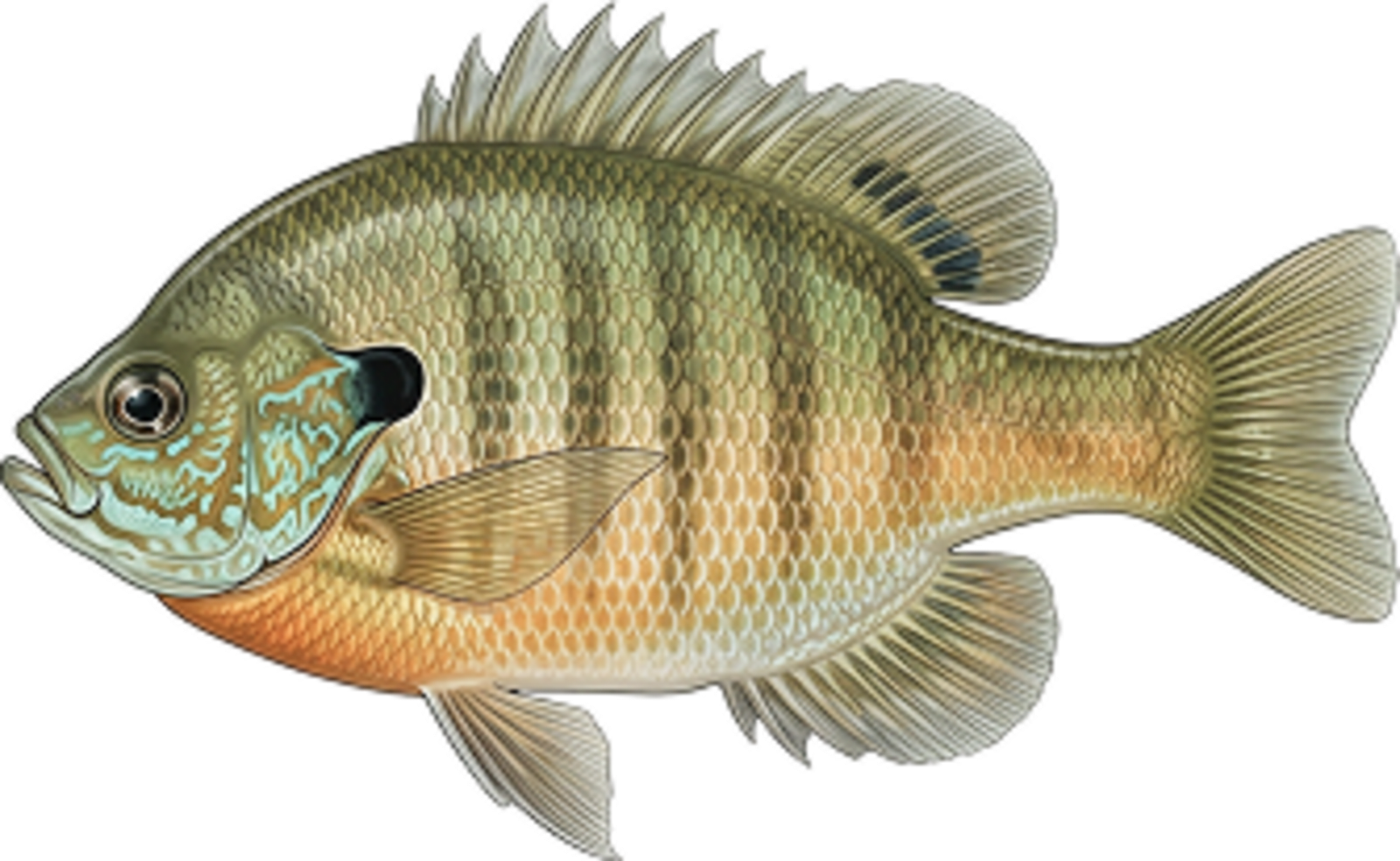
No survey data
Abundance (CPUE)

Understanding Abundance
Abundance ratings are based on Catch Per Unit Effort (CPUE) measurements conducted by the MN DNR, and represent a snapshot of a species population at a given point in time
Source: Minnesota Department of Natural Resources. Survey cadence may vary by state and water body.Species Lengths