Overview
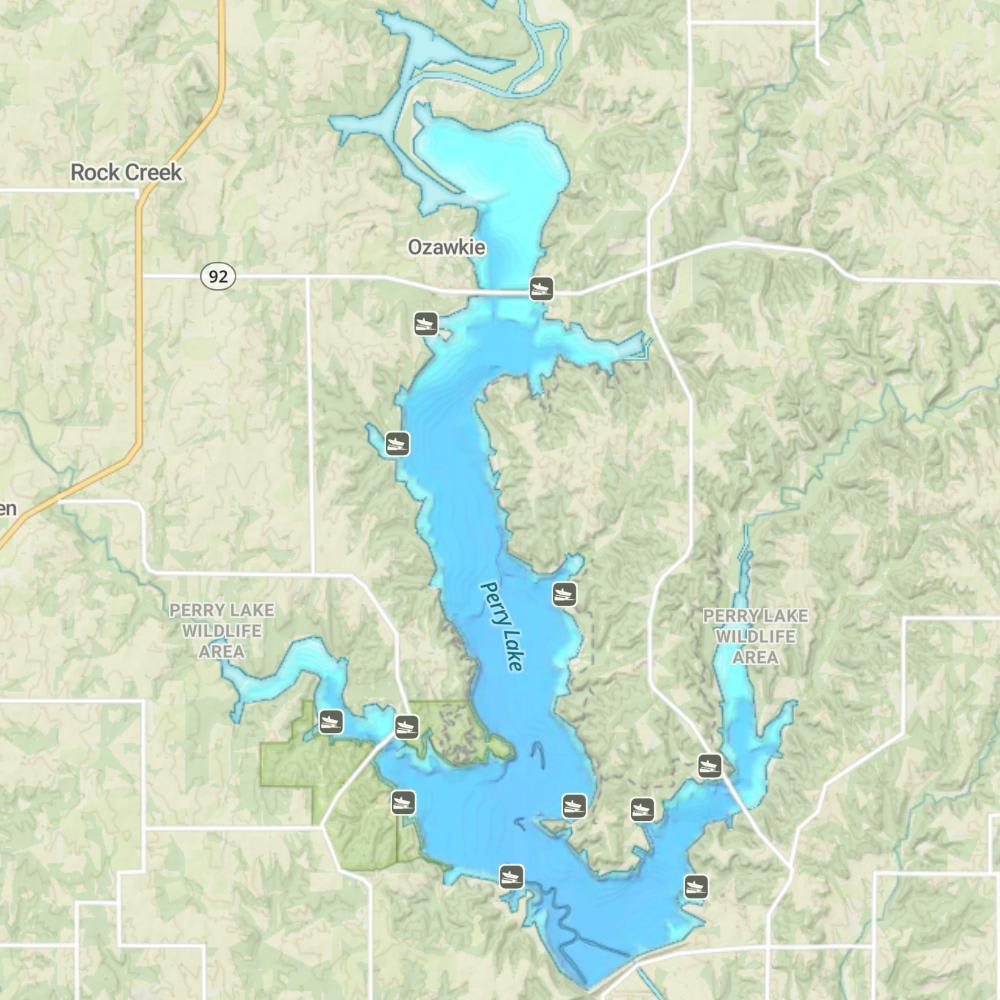
Perry Lake was built in the mid-1960’s to provide flood control for the Kansas, Missouri and Mississippi river basins and to provide municipal water supplies for local communities. Best known for its outdoor recreation opportunities, Perry Lake attracts nearly 2 millions visitors annually. Camping, water-skiing, sailing, hunting and fishing are favorite activities. Numerous hiking and equestrian trails are located around the lake. Boaters are reminded that no-wake buoys are placed near marinas and accesses, no-boat buoys are placed near swimming beaches and hazard buoys are located near shallow shoal areas. Shifting silt bars, floating logs and deadheads make boating very hazardous north of the Highway 92 Bridge. Always check the current regulations booklet for up-to-date for length restrictions and harvest limits.
Rock Creek Map
Features
Forage
Seasonal Movements

Get Your Line in the Right Water
Quickly find the best places to fish and plan your day right.
Top Fish Species
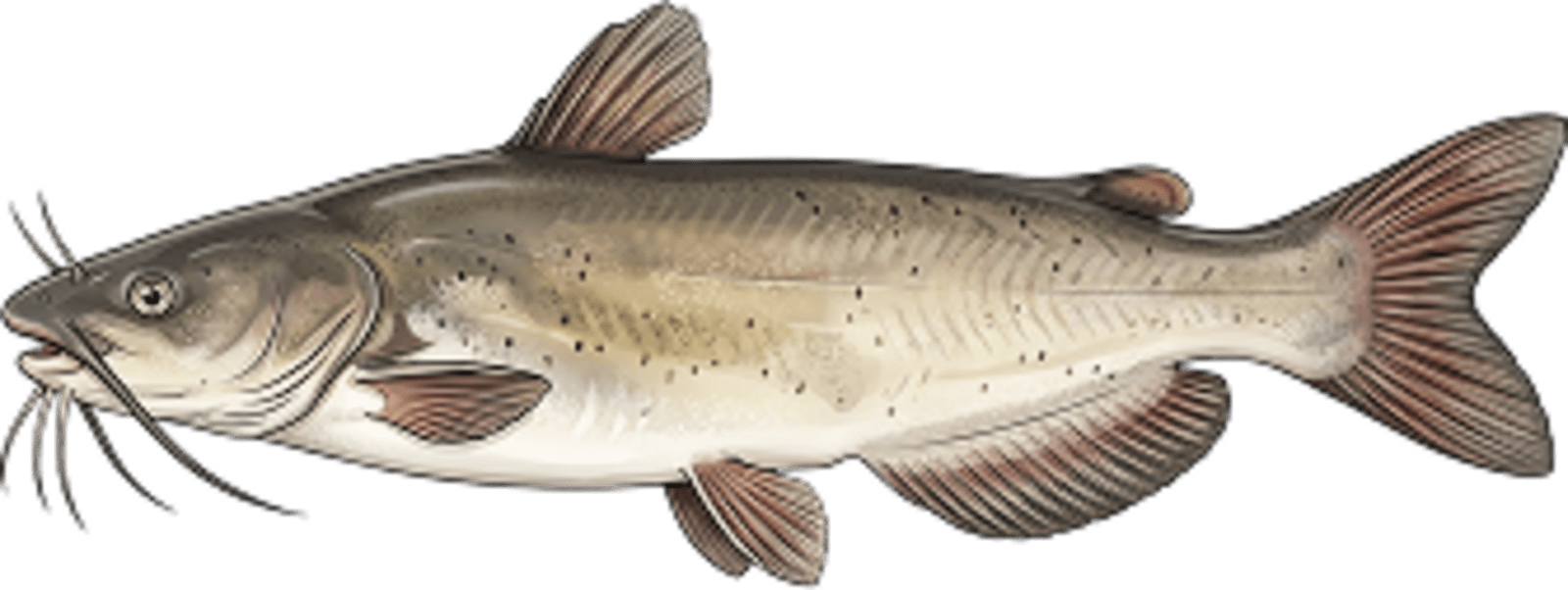

Abundance ratings are based on Catch Per Unit Effort (CPUE) measurements conducted by the MN DNR, and represent a snapshot of a species population at a given point in time
Source: Minnesota Department of Natural Resources. Survey cadence may vary by state and water body.