Size
NA
Boat Launch
Carry-in Launch
Toilet
Yes
Boat Dock
Species in Escanaba River
Overview
Escanaba River Map
Features
Little Bay de Noc is one of the most famous walleye fisheries in the United States. Anglers and tournaments flock to this body of water on a yearly basis due to the size and abundance of trophy size walleye.
The mercury levels in the bay are high and consuming the fish with the higher levels of mercury, can lead to health problems. Please check the current regulations booklet for details on what the mercury levels in fish are.
Use caution when navigating many shoreline areas, especially in the upper part of the bay. Shallow rock bars, sandbars and wood pilings pose hazards. Caution is also advised when boating in the rivers and near river mouths as well. Keep an eye on your locator to mark the hazards so in the future you can avoid them. Winter anglers should always check locally on ice conditions before venturing out on the ice.
Forage
Walleye and northern pike primarily feed on alewife, perch, round goby and insects like mayflies. Perch utilize several insect species, including caddisfly, midge larvae and crayfish. Smallmouth prey heavily on crayfish, perch and round goby. Emerald shiner, spottail shiner, trout-perch and sucker also contribute significantly to the forage base.
Seasonal Movements
There is a large migration of pre-spawn walleye to the extreme upper end of the bay during late winter and early spring. The northern rivers hold a major run of spawning walleye. After spawning, walleye disperse throughout the bay and as far as 25 miles away. Northern pike migrate to shallow areas in early spring to spawn and move out to deeper cooler water as the water temperatures start to rise. Smallmouth stage near the Ford River or the other rivers during spring and early summer. The Ford River historically holds more staging smallmouth bass than any other river in the area. Chinook Salmon in the late summer/early fall will run into the rivers that they were born from. Steelhead spawn in some of the rivers soon after ice-out.
Northern pike migrate to several inlet areas in early spring to spawn. The Whitefish River and Squaw Creek have the greatest concentrations of pike.
Smallmouth congregate in the Ford River during spring and early summer. The Escanaba, Tacoosh, Day and Whitefish rivers all attract spawning smelt in early spring.
Steelhead spawn in the Whitefish River soon after ice-out. A few salmon and trout move up the Escanaba River in late fall. Other rivers in the bay also have limited runs of steelhead, salmon and trout.

Get Your Line in the Right Water
Quickly find the best places to fish and plan your day right.
Top Fish Species
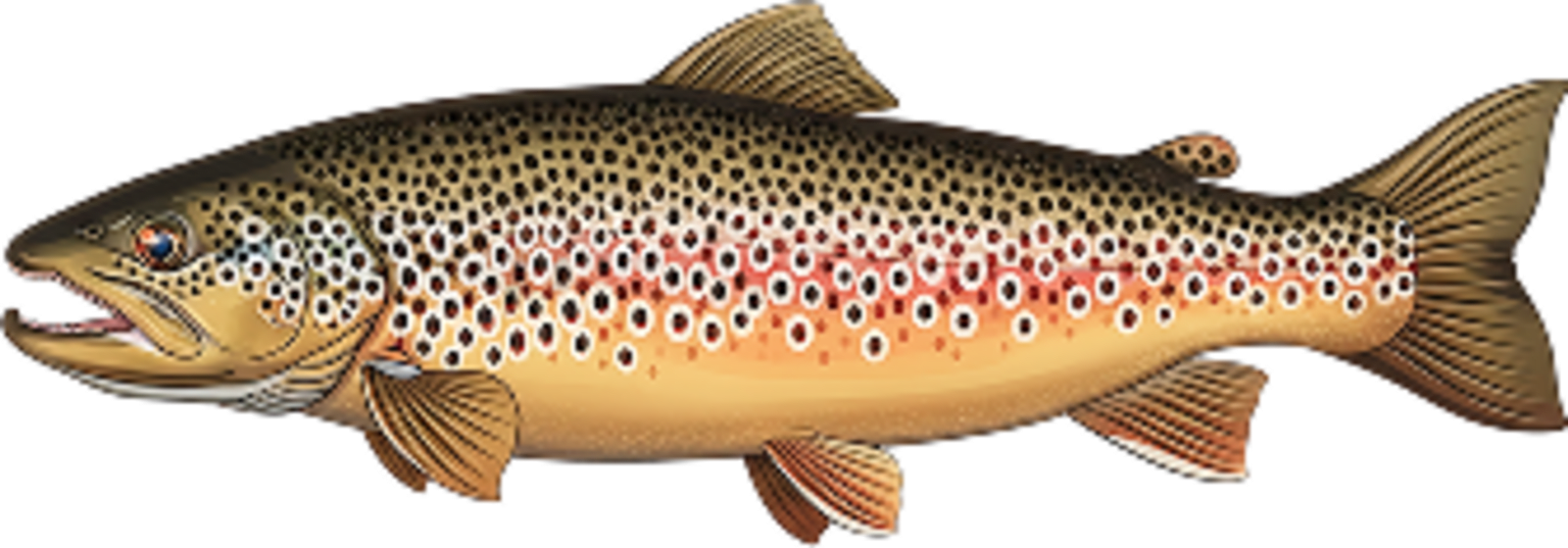
Brown trout
No survey data
Abundance (CPUE)

Understanding Abundance
Abundance ratings are based on Catch Per Unit Effort (CPUE) measurements conducted by the MN DNR, and represent a snapshot of a species population at a given point in time
Source: Minnesota Department of Natural Resources. Survey cadence may vary by state and water body.Species Lengths