Size
13ac
Boat Launch
Carry-in Launch
Toilet
No
Boat Dock
Overview
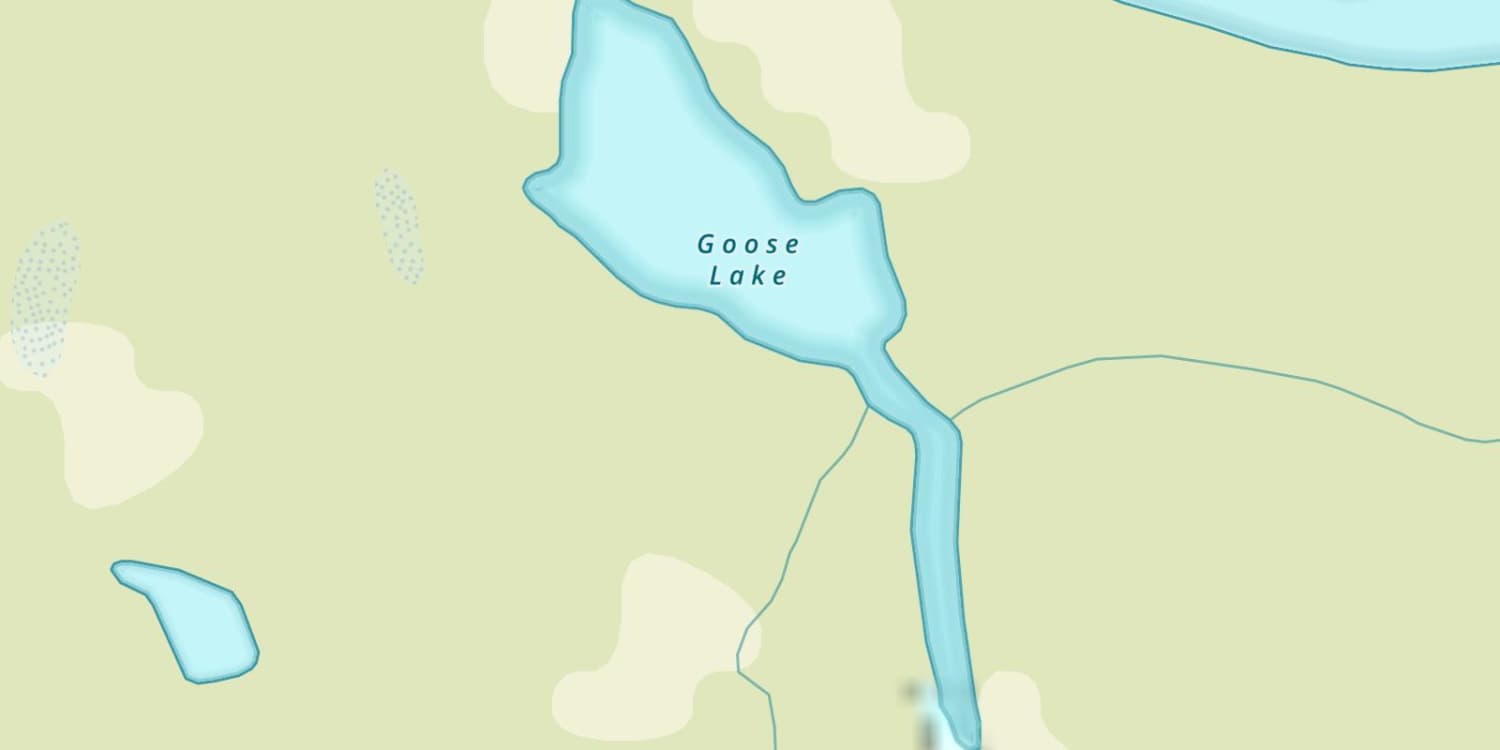
Goose Lake Map
Fishing Regulations
Special Fishing Regulations: This lake has special fishing regulations that differ from statewide or border water regulations for those species identified below and take precedence. Regulations listed below are currently in place. Visit the fishing regulations page for links to upcoming regulations for specific lakes.
Special Waterbody Regulations
- Catch and release fishing for largemouth and smallmouth bass is open year round unless otherwise noted. Motor Trolling is allowed with up to 3 hooks, baits, or lures, per angler.
Special Species Regulations
- Bluegill: See Panfish
- Bowfin: See Rough Fish
- Bullheads: Open all year: No minimum length limit and the daily bag limit is unlimited
- Catfish: Open all year: No minimum length limit and the daily bag limit is 10
- Channel catfish: See Catfish
- Cisco and whitefish: Open all year: No minimum length limit and the daily bag limit is 10
- Crappies: See Panfish
- Flathead catfish: See Catfish
- Hybrid, Striped, Yellow, and White Bass: See Rock, Yellow and White Bass
- Lake sturgeon: Closed. No fishing allowed.
- Largemouth bass and smallmouth bass: May 2, 2026 to March 7, 2027: The minimum length limit is 14” and the daily bag limit is 5
- Largemouth bass: See Largemouth and Smallmouth Bass
- Longnose gar: See Rough Fish
- Muskellunge and hybrids: May 2, 2026 to December 31, 2026 on open water: The minimum length limit is 40” and the daily bag limit is 1
- Northern pike: May 2, 2026 to March 7, 2027: The minimum length limit is 26” and the daily bag limit is 2
- Paddlefish: Closed. No fishing allowed.
- Panfish: Open all year: No minimum length limit and the daily bag limit is 25
- Rock, Yellow, and White Bass: Open all year: No minimum length limit and the daily bag limit is unlimited
- Rough fish: Open all year: No minimum length limit and the daily bag limit is unlimited
- Round goby: Open all year: The daily bag limit is 0, one may be killed and possessed for transport to a WDNR Office
- Ruffe: Open all year: The daily bag limit is 0, one may be killed and possessed for transport to a WDNR Office
- Sauger and hybrids: See Walleye, Sauger, and Hybrids
- Shortnose gar: See Rough Fish
- Shovelnose sturgeon: Closed. No fishing allowed.
- Smallmouth bass: See Largemouth and Smallmouth Bass
- Trout and salmon: See Trout regulations layer
- Urban waters gamefish: This waterbody is not considered an urban water, Urban Waters Gamefish regulations do not apply
- Walleye: See Walleye, Sauger, and Hybrids
- Walleye, Saugers, and Hybrids: May 2, 2026 to March 7, 2027: The minimum length limit is 15” and the daily bag limit is 3
- White perch: Open all year: The daily bag limit is 0, one may be killed and possessed for transport to a WDNR Office
Features
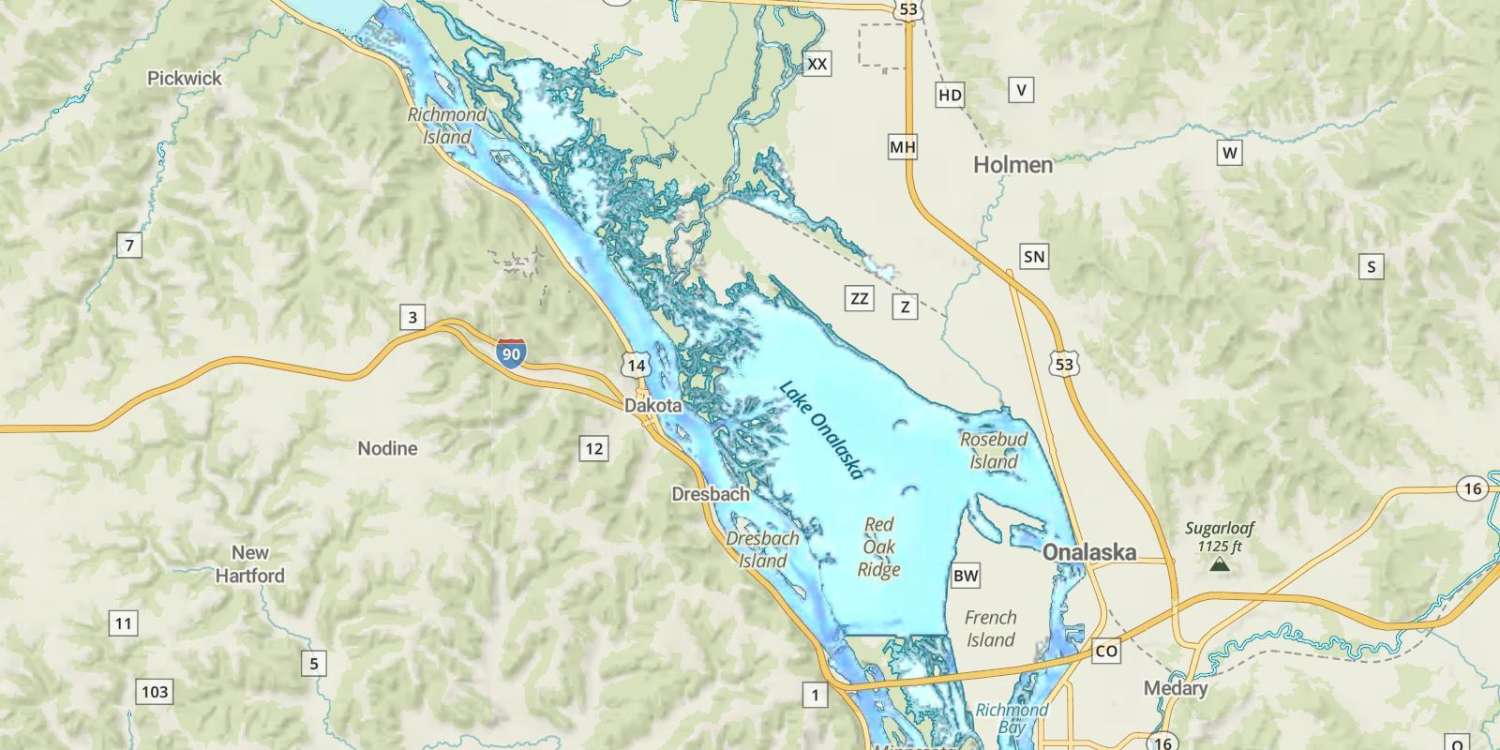
Pool 7’s recreational use is among one of the highest of the Upper Mississippi River Pools. The dominant feature of this area is Lake Onalaska, famous throughout the Midwest for its fishing, boating and waterfowl hunting resources. The lake is a large 7,700 acres of backwater with a divers population of fish and waterfowl. The nearest bridge crossing, I-90 is immediately downstream of Lock and Dam 7. Approximately 65% of Pool 7 is classified as backwater.
Forage
Gizzard shad are the most prevalent species found. Other species include silver chub, speckled chub, emerald shiner, river shiner, spotfin shiner, juvenile panfish, carp, and bullhead.
Seasonal Movements
Walleye begin to concentrate below the dam during the late winter months until ice out in March. As the water temperature rises into the 40’s, walleye move upstream from winter areas into backwater areas for spawning. Spawning takes place when the temperature is between 47-51 degrees, which is usually in April. White bass concentrate below dams and spillways as the walleye run ends, usually ends by in late April. Most largemouth are found in backwaters until mid-June since these are the first areas to warm. When the backwaters warm these fish move to side channels and main channel edges where they can be found along riprap. Some of the largemouth spend summer in tributary streams. When the water cools bass move to low-current areas in or near backwater complexes. Northern Pike share the same seasonal movement as largemouth bass.

Get Your Line in the Right Water
Quickly find the best places to fish and plan your day right.