Fishing Regulations
Special Fishing regulations: This lake has special fishing regulations that differ from statewide or border water regulations for those species identified below and take precedence. Regulations listed below are currently in place. Visit the fishing regulations page for links to upcoming regulations for specific lakes.
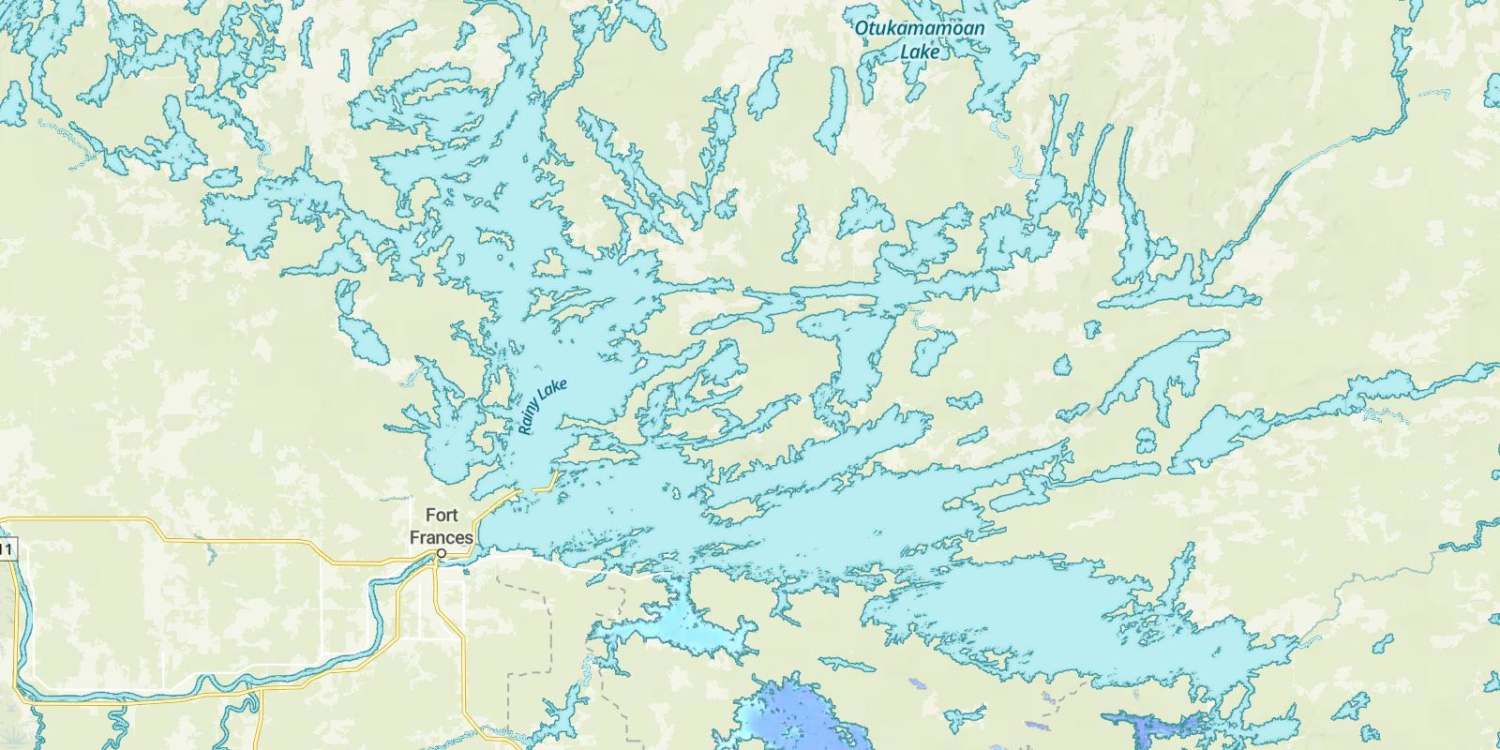
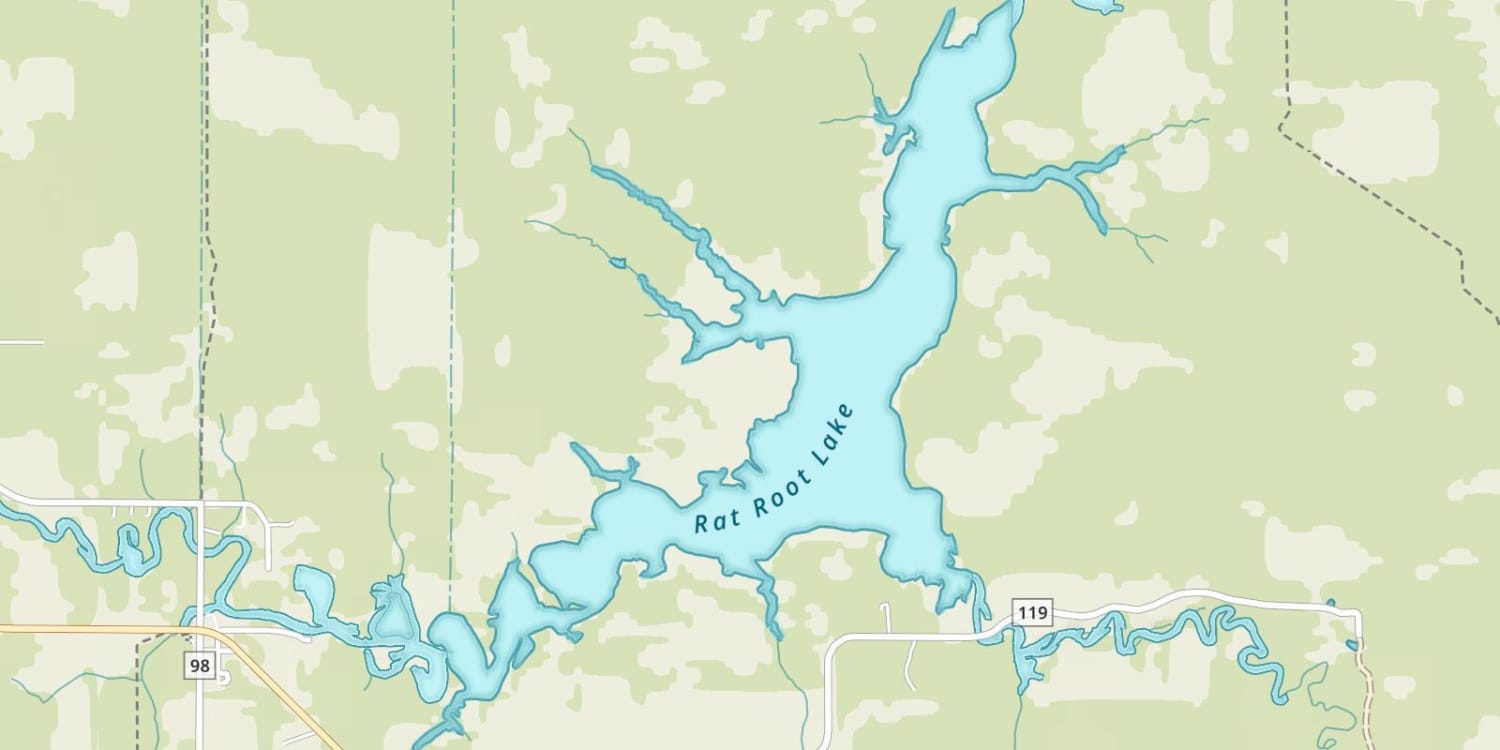
Location: Including the Rainy River above the dam at International Falls, all of Rainy Lake to the dam at Kettle Falls, Black Bay including Gold Portage below the rapids, all of the Rat Root River, and Rat Root Lake
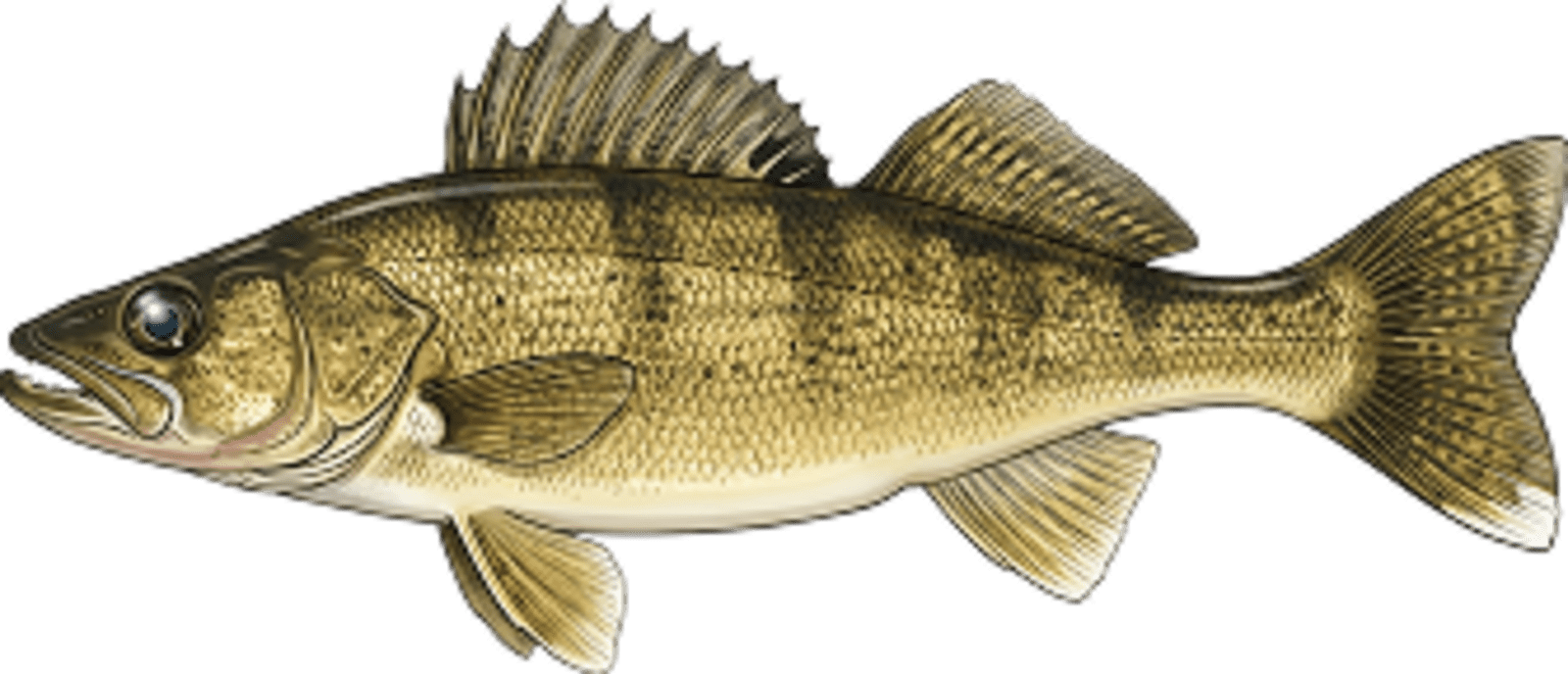
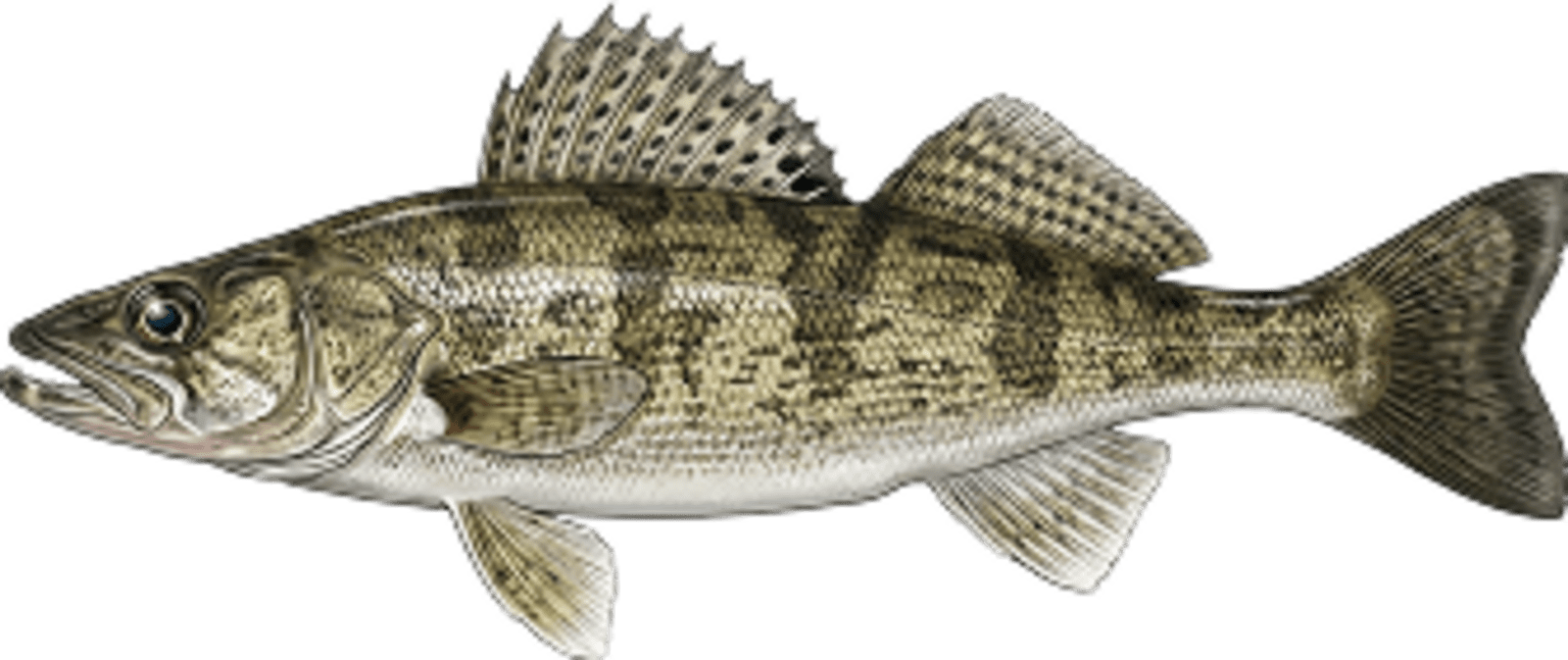
- Walleye and Sauger: Combined possession limit eight (not more than four can be walleye). All walleye from 18-26” must be immediately released. One walleye over 26” allowed in possession.
Features
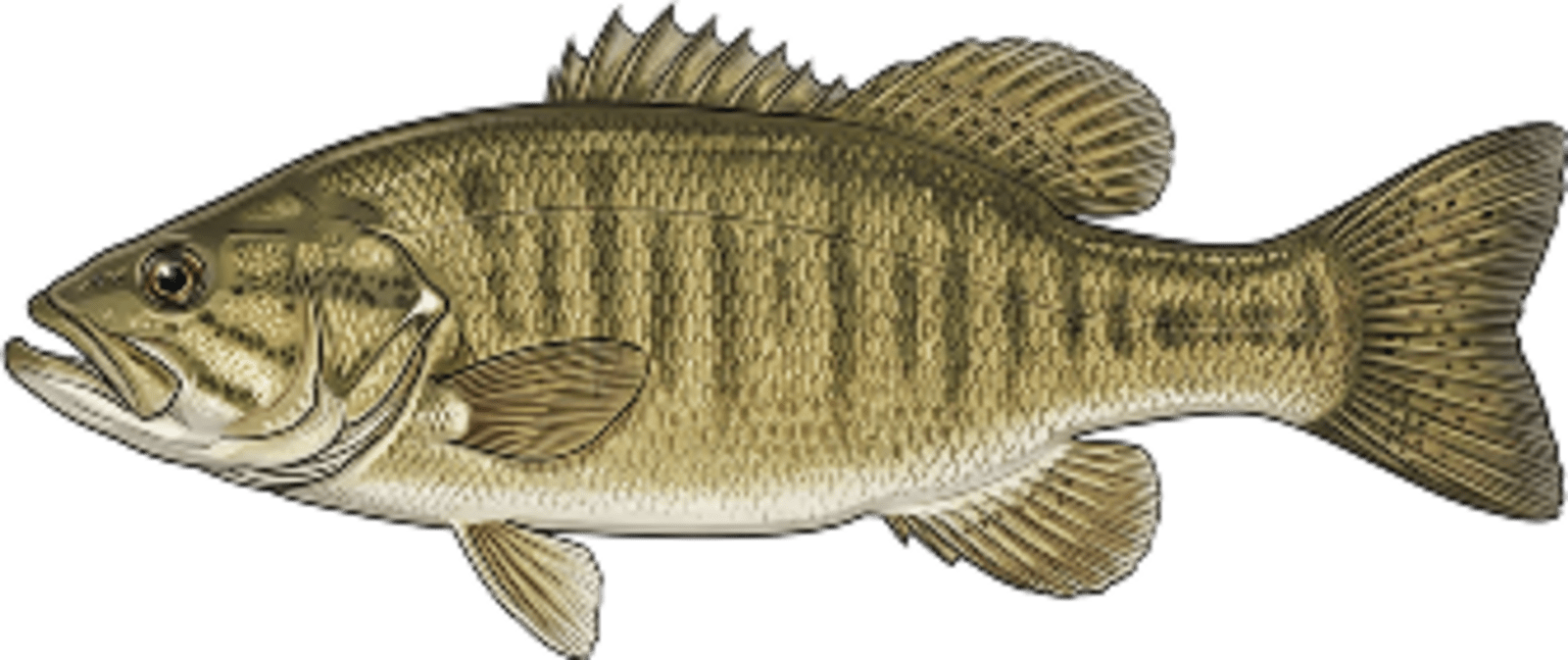
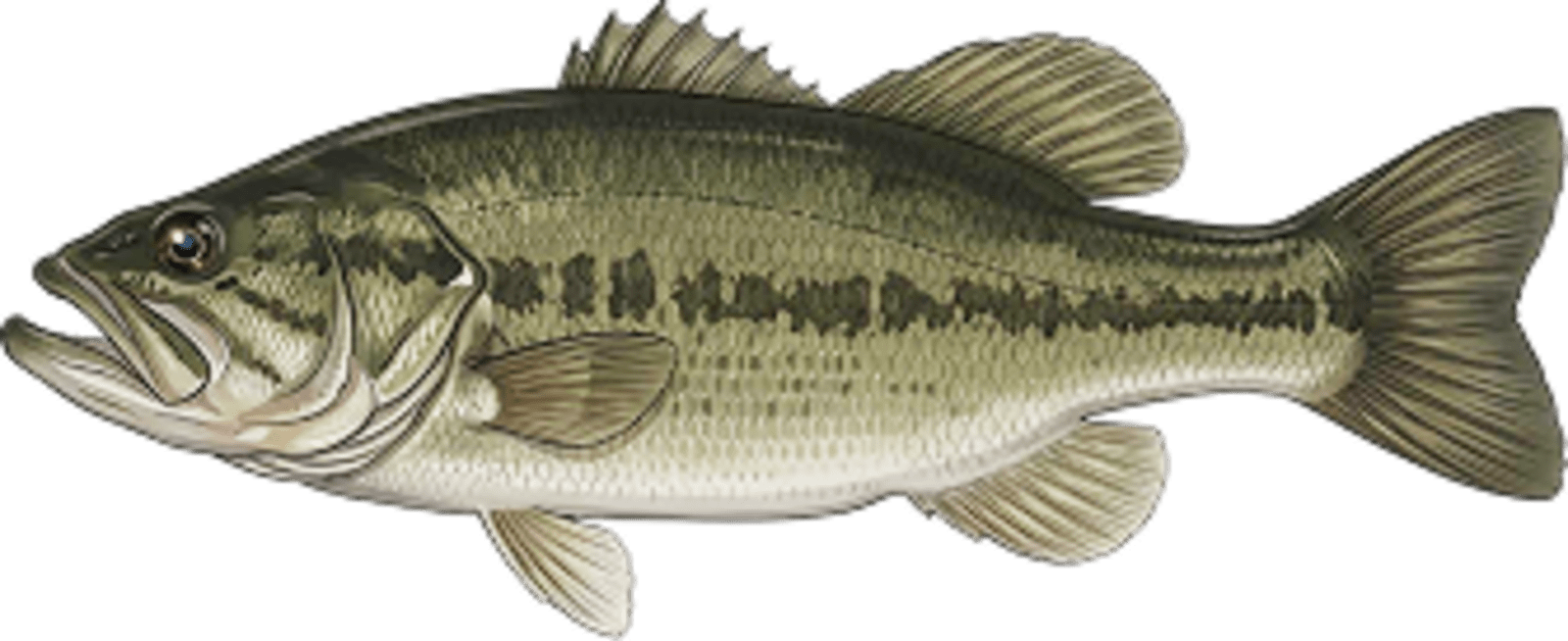
Rainy Lake is a significant sport-fishing destination and is destined to become one of the finest resources in North America. Ontario and Minnesota jointly manage the lake. The progressive management by Ontario and Minnesota biologists has demonstrated that a major walleye fishery, once devastated by overfishing, can recover under a program of stringent sport fishing regulations and a growing ethic of angler catch-and-release. The walleye population has dramatically improved; additionally Rainy is recognized as one of the premier smallmouth fisheries of North America, and hosts a renowned annual bass tournament (Fort Frances Canadian Bass Championship). Navigation aids are important on Rainy Lake. The Canadian Coast Guard maintains a system of navigation aids throughout the Canadian portion of Rainy Lake that assists anglers in safe boating. Buoys are placed to identify hazards and to mark safe navigation channels. When navigating upstream, always keep red buoys on the right (starboard) side and green buoys on the left (port) side. Proceeding downstream, the green buoy is to the right and the red buoy is on the left. Isolated rock bars or hazards are marked with black buoys.
Anglers must possess the proper license(s) and be aware of the current fishing regulations. Minnesota and the province of Ontario have imposed their own regulations for their respective portion of Rainy Lake. Additionally, anglers new to Rainy Lake can find navigation difficult. No one should venture out without compass and an accurate map. Global positioning systems are a definite plus. Hiring a guide is a suggestion for those new to the lake and fishery.
Forage
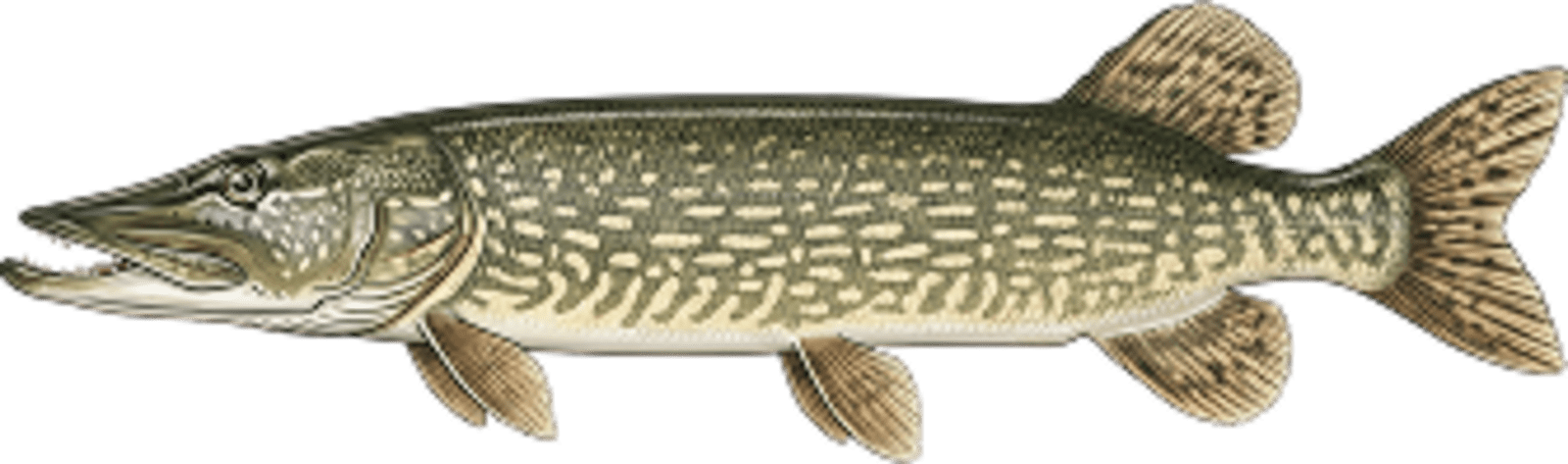
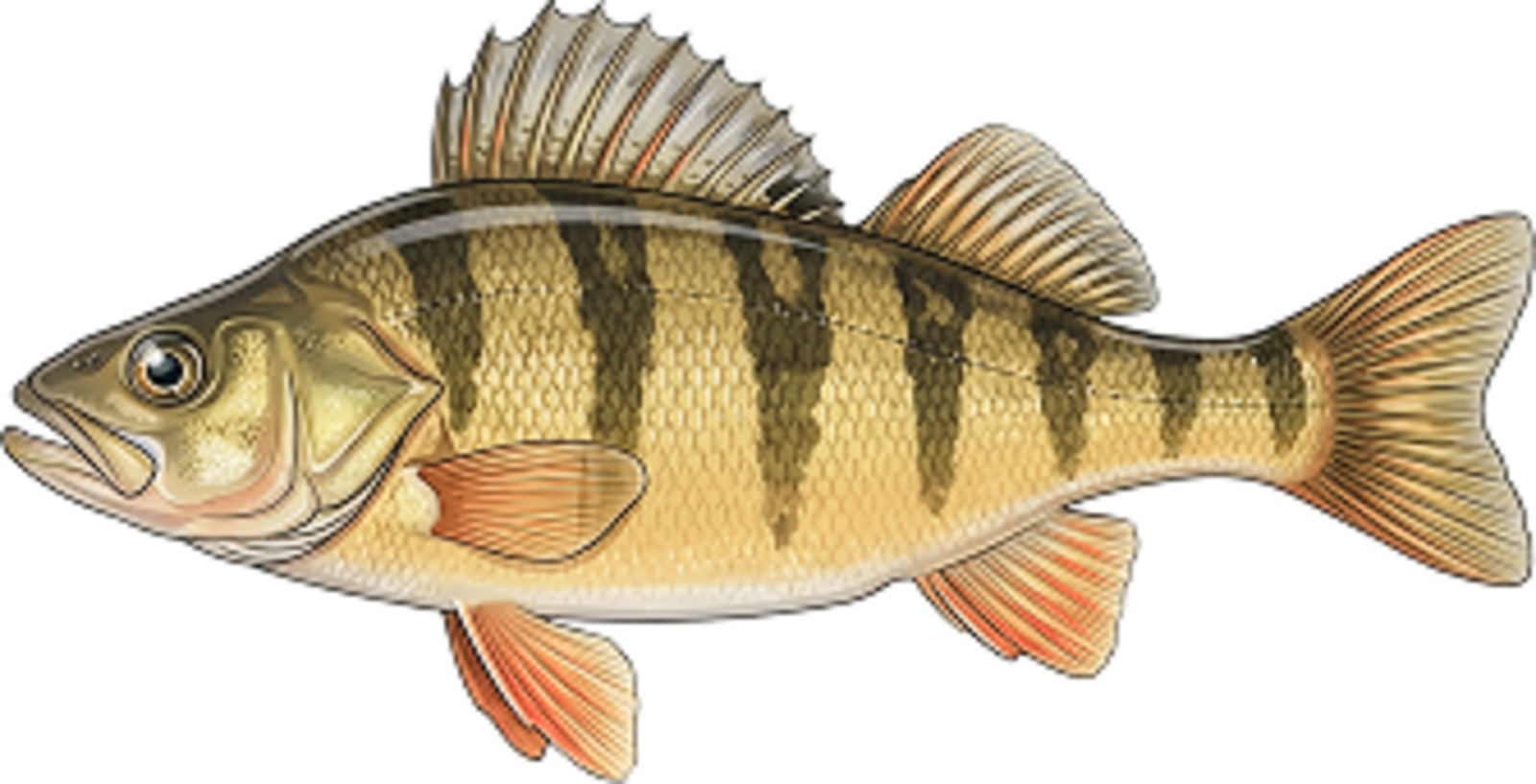
Numerous minnow and shiner species are available. Significantly, rainbow smelt have become established in the system and may have unforeseen impacts to the biomass in future years. They were first identified in 1990 and populations appear to have dramatically expanded in recent years, and especially in the North Arm. Indications point to northern pike, smallmouth bass and walleye using smelt as forage. Additionally, juvenile yellow perch, cisco, and sucker species contribute to the prey base. Native crayfish species and aquatic insect hatches significant additions the forage base.
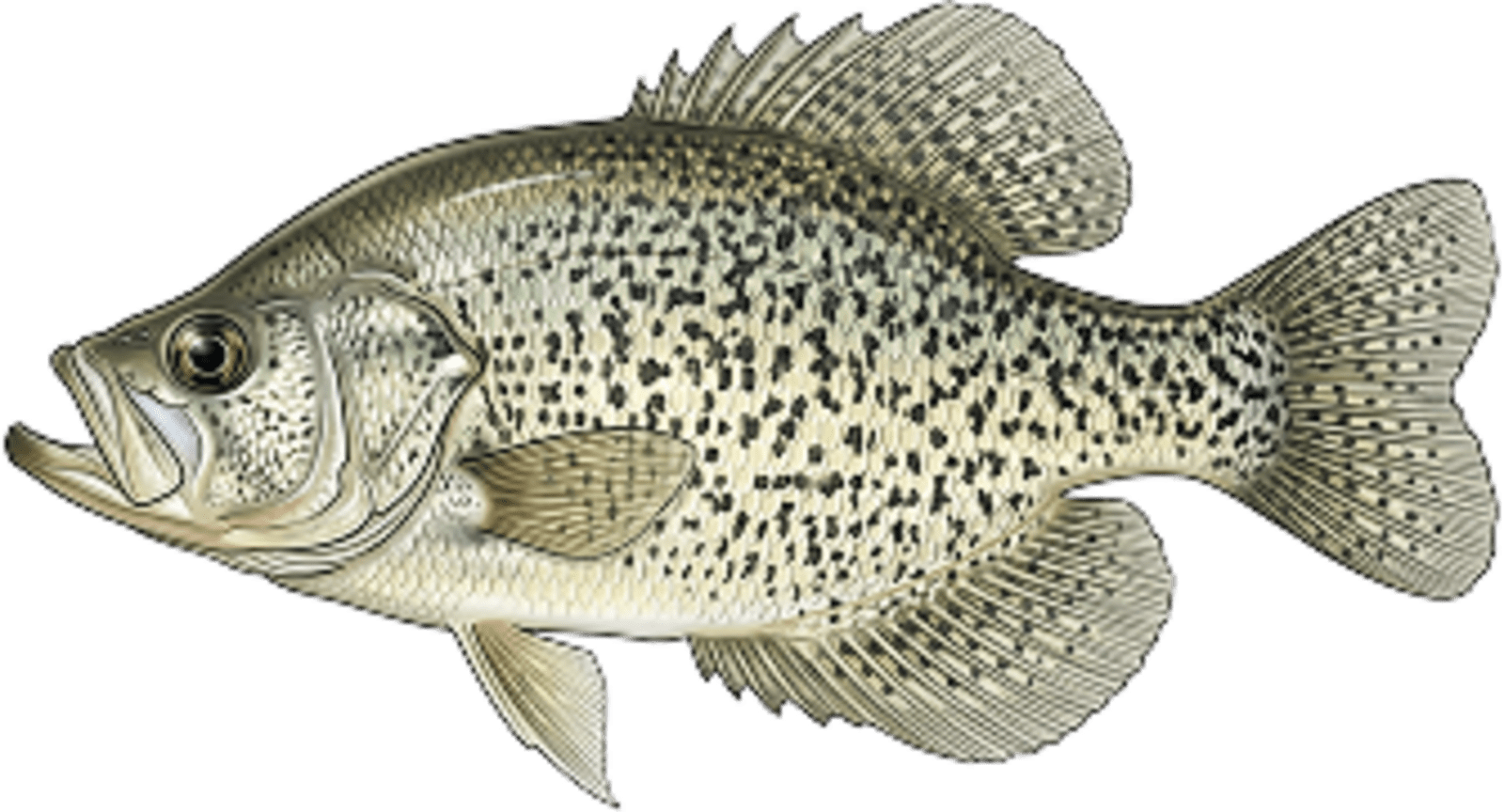
TREATMENT – The Rainy Lake Sport Fishing Club has placed cribs to attract crappie in a number of locations (see map for marked areas). Additionally, Ontario has worked to improve walleye spawning sites in the North Arm.

Get Your Line in the Right Water
Quickly find the best places to fish and plan your day right.
Top Fish Species
Understanding Abundance
Abundance ratings are based on Catch Per Unit Effort (CPUE) measurements conducted by the MN DNR, and represent a snapshot of a species population at a given point in time
Source: Minnesota Department of Natural Resources. Survey cadence may vary by state and water body.