Overview
Panfish and toothy-critters abound here. Concentrate on the shallow weeds in spring for all species. As the season progresses, drop to the deep weed edges.
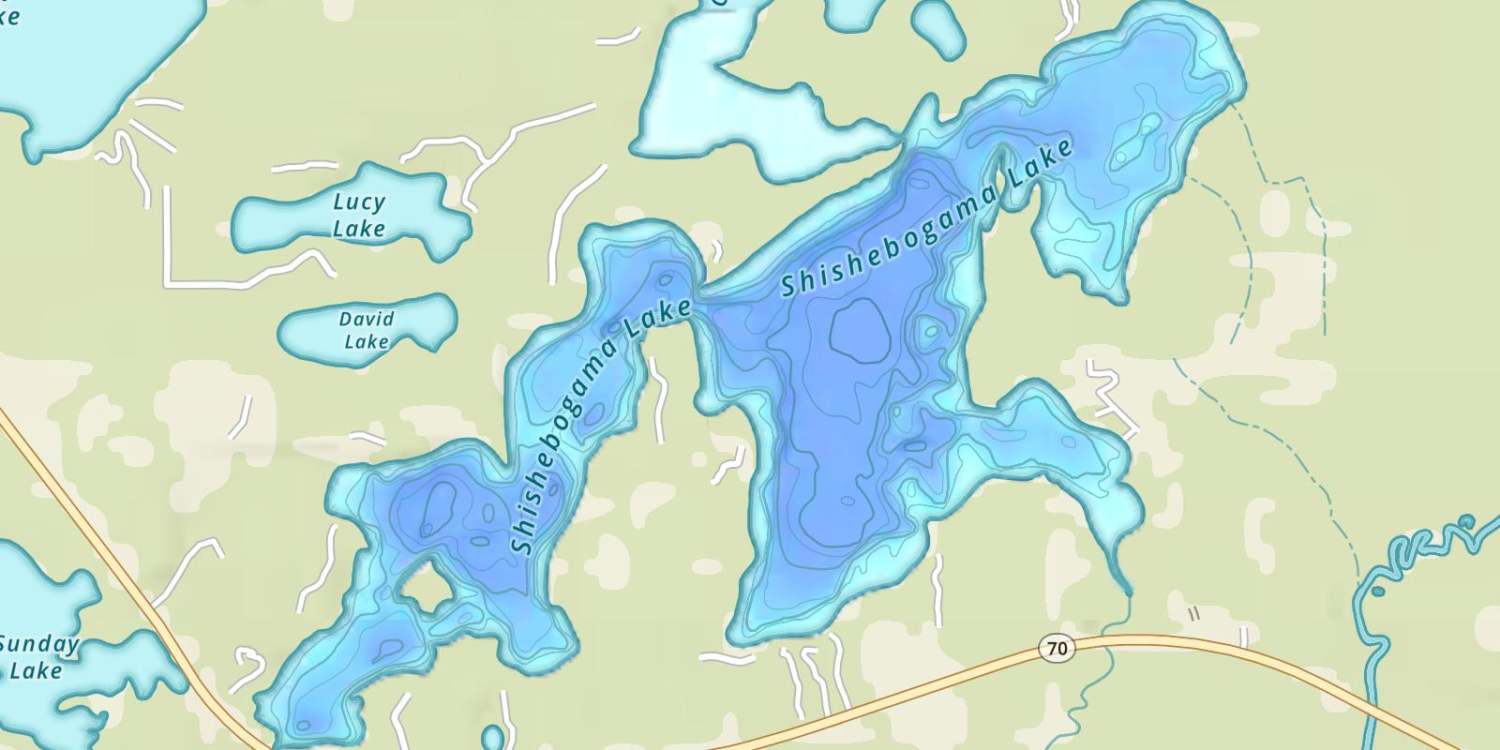
Shishebogama Lake Map
Fishing Regulations
Special Fishing Regulations: This lake has special fishing regulations that differ from statewide or border water regulations for those species identified below and take precedence. Regulations listed below are currently in place. Visit the fishing regulations page for links to upcoming regulations for specific lakes.
Special Waterbody Regulations
- Catch and release fishing for largemouth and smallmouth bass is open year round unless otherwise noted. Motor Trolling is allowed with 1 hook, bait, or lure per angler, and 3 hooks, baits, or lures maximum per boat.
Special Species Regulations
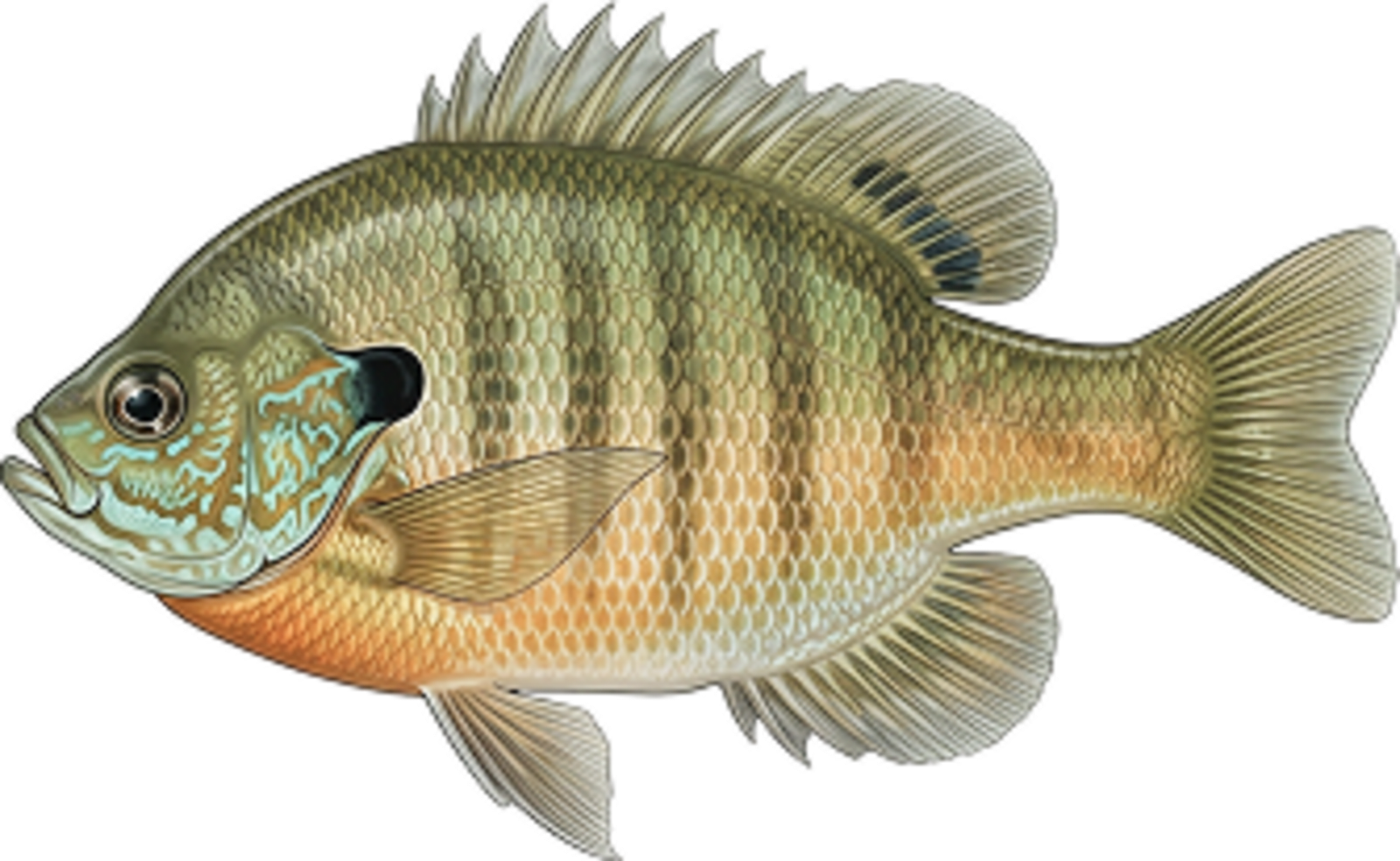
- Bluegill: See Panfish
- Bowfin: See Rough Fish
- Bullheads: Open all year: No minimum length limit and the daily bag limit is unlimited
- Catfish: Open all year: No minimum length limit and the daily bag limit is 10
- Channel catfish: See Catfish
- Cisco and whitefish: Open all year: No minimum length limit and the daily bag limit is 10
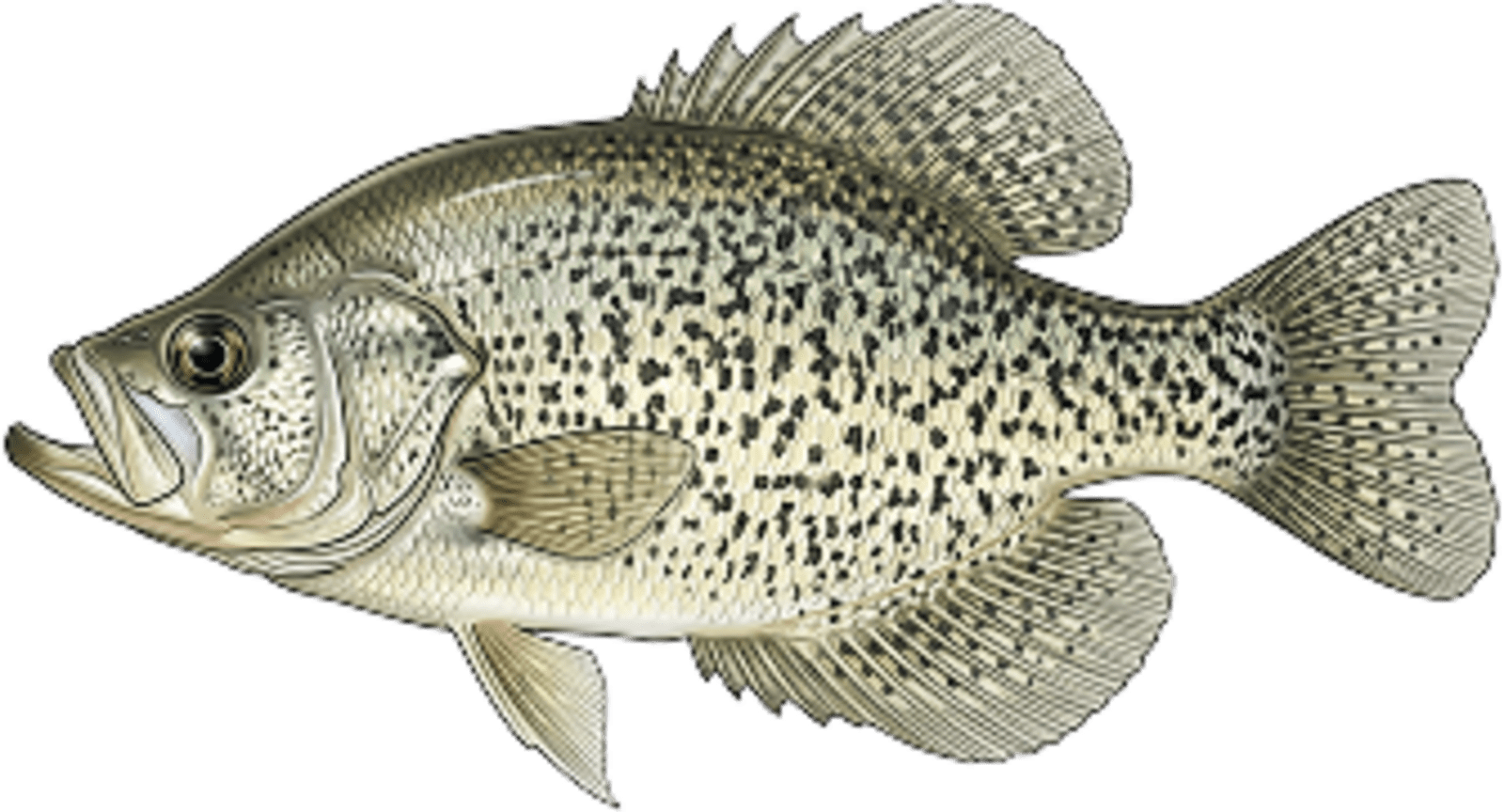
- Crappies: See Panfish
- Flathead catfish: See Catfish
- Hybrid, Striped, Yellow, and White Bass: See Rock, Yellow and White Bass
- Lake sturgeon: Closed. No fishing allowed.
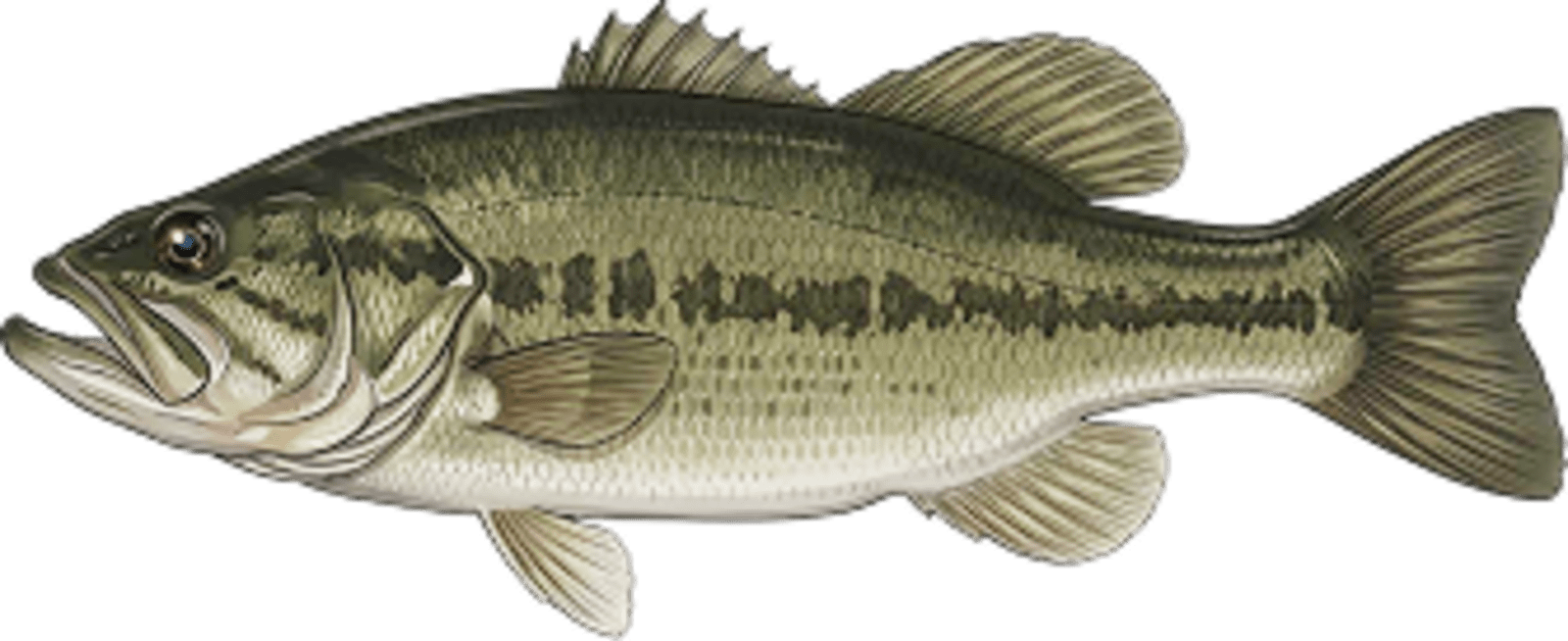
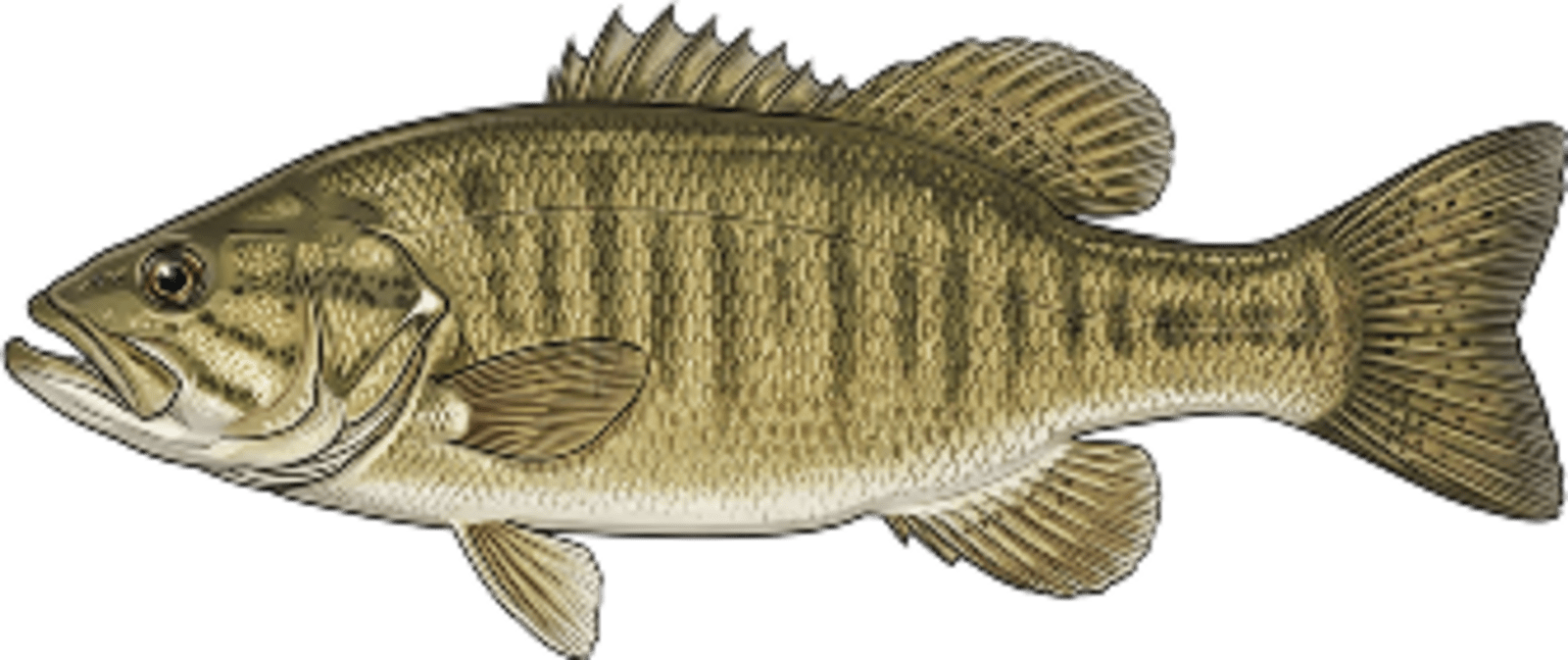
- Largemouth bass and smallmouth bass: June 20, 2026 to March 7, 2027: No minimum length, but largemouth bass and smallmouth bass from 14” to 18” may not be kept, and only 1 fish over 18 is allowed. The daily bag limit is 5
- Largemouth bass: May 2, 2026 to June 19, 2026: No minimum length, but largemouth bass from 14” to 18” may not be kept, and only 1 fish over 18 is allowed. The daily bag limit is 5
- Longnose gar: See Rough Fish
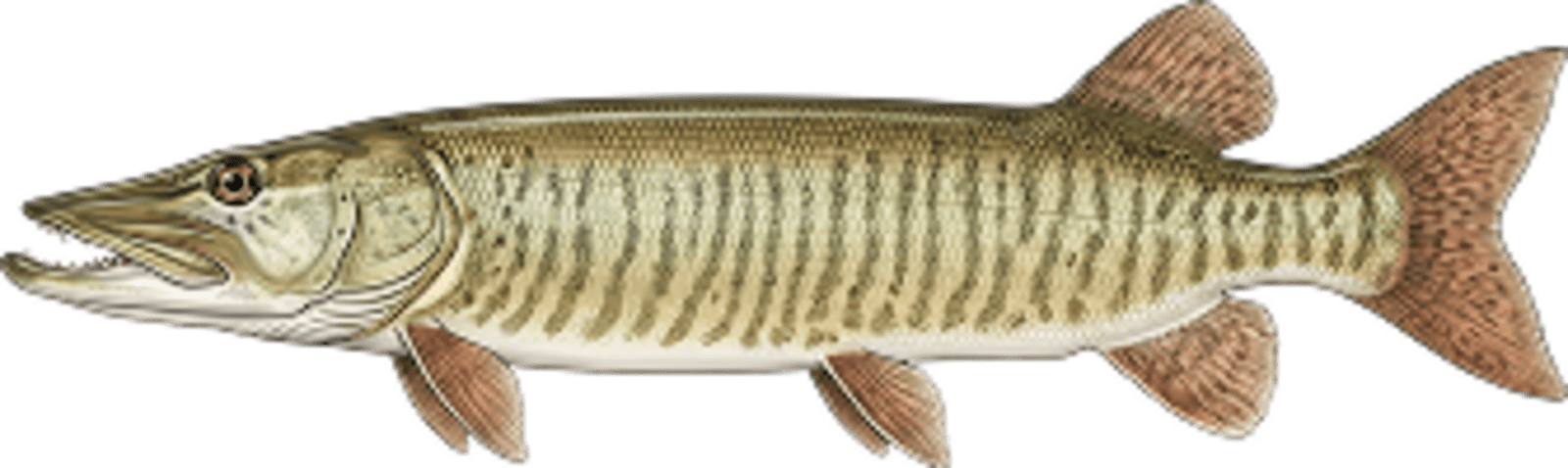
- Muskellunge and hybrids: May 2, 2026 to December 31, 2026 on open water: The minimum length limit is 40” and the daily bag limit is 1
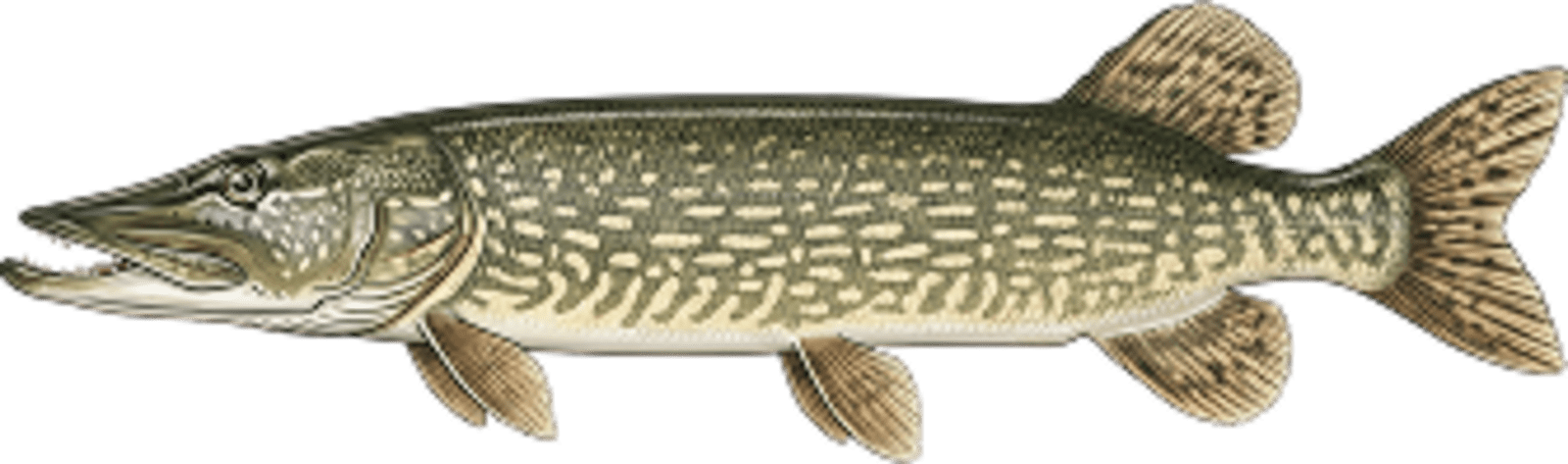
- Northern pike: May 2, 2026 to March 7, 2027: No minimum length limit and the daily bag limit is 5
- Paddlefish: Closed. No fishing allowed.
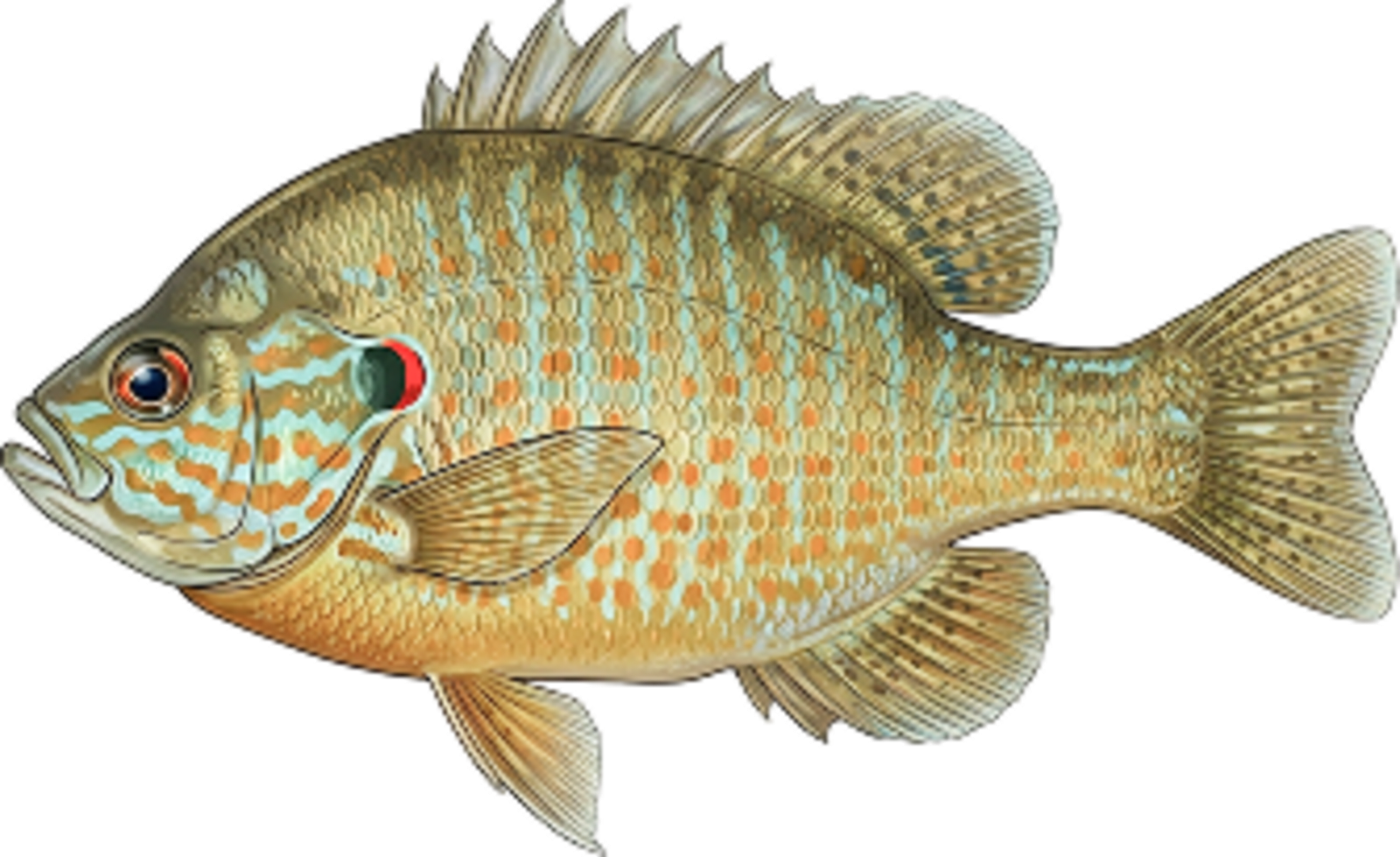
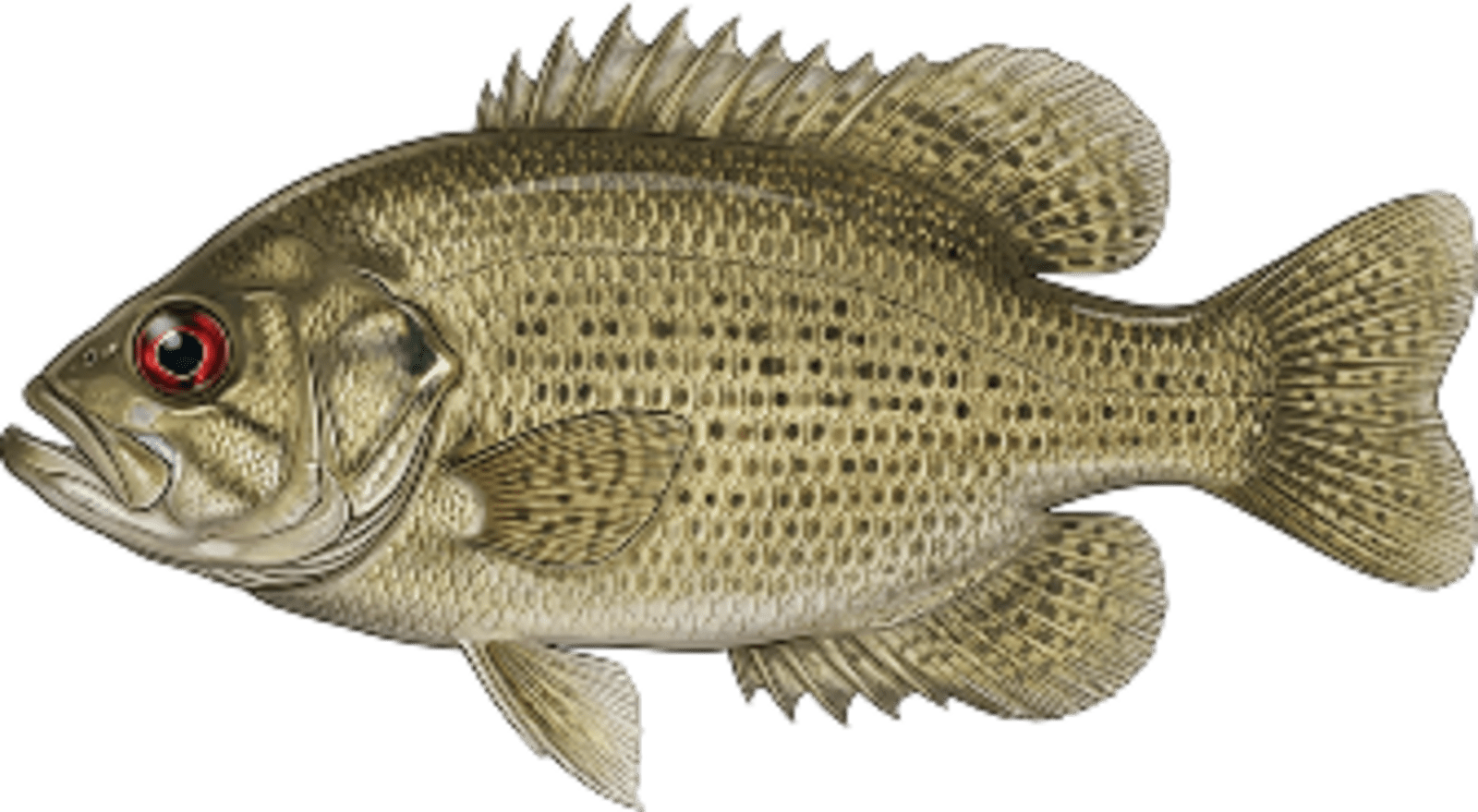
- Panfish: Open all year: No minimum length limit and the daily bag limit is 25, 25 panfish of any size may be kept, except 5 or fewer can be bluegill and pumpkinseed over 7 inches
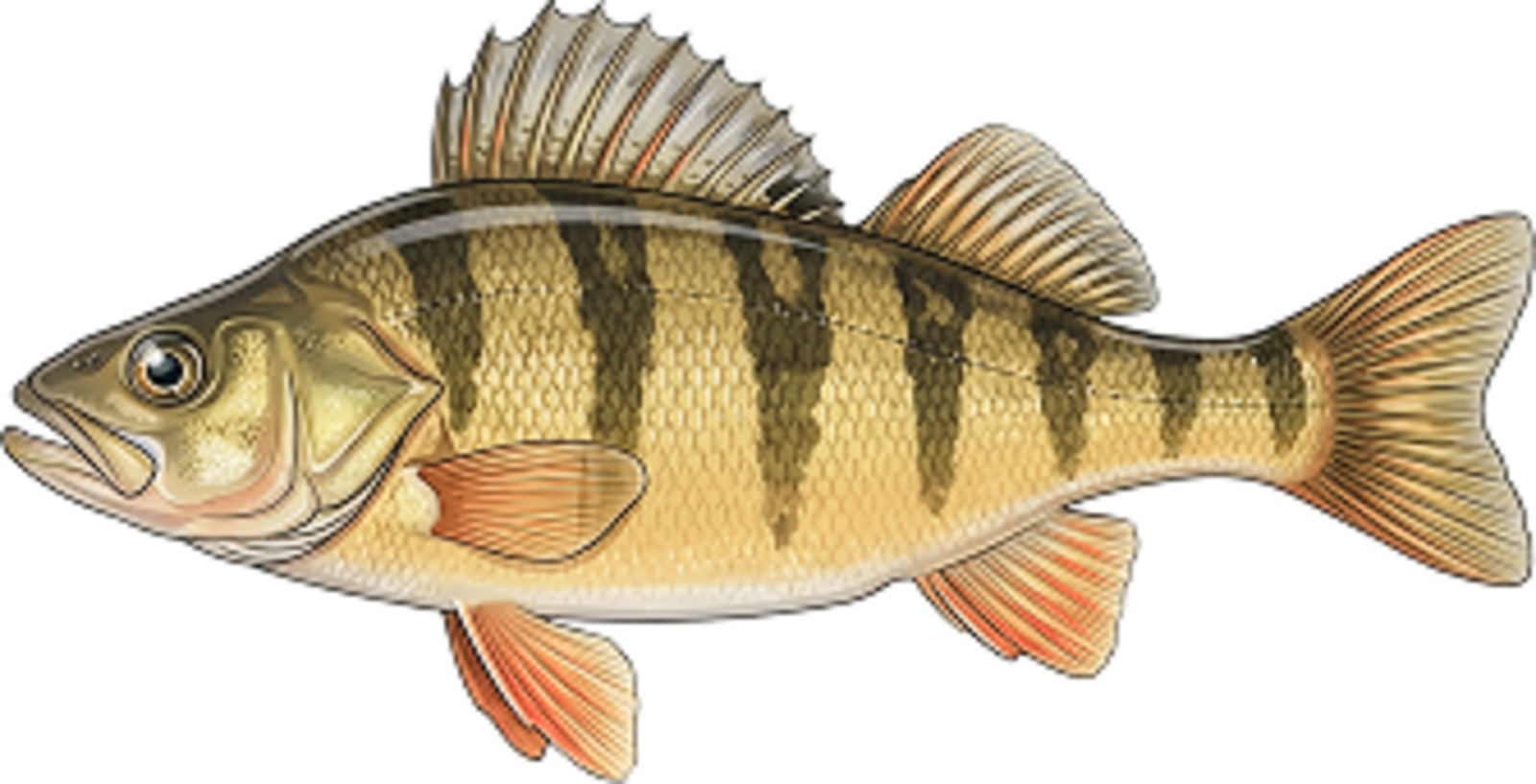
- Rock, Yellow, and White Bass: Open all year: No minimum length limit and the daily bag limit is unlimited
- Rough fish: Open all year: No minimum length limit and the daily bag limit is unlimited
- Round goby: Open all year: The daily bag limit is 0, one may be killed and possessed for transport to a WDNR Office
- Ruffe: Open all year: The daily bag limit is 0, one may be killed and possessed for transport to a WDNR Office
- Sauger and hybrids: See Walleye, Sauger, and Hybrids
- Shortnose gar: See Rough Fish
- Shovelnose sturgeon: Closed. No fishing allowed.
- Smallmouth bass: May 2, 2026 to June 19, 2026: Fish may not be harvested (catch and release only)
- Trout and salmon: See Trout regulations layer
- Urban waters gamefish: This waterbody is not considered an urban water, Urban Waters Gamefish regulations do not apply
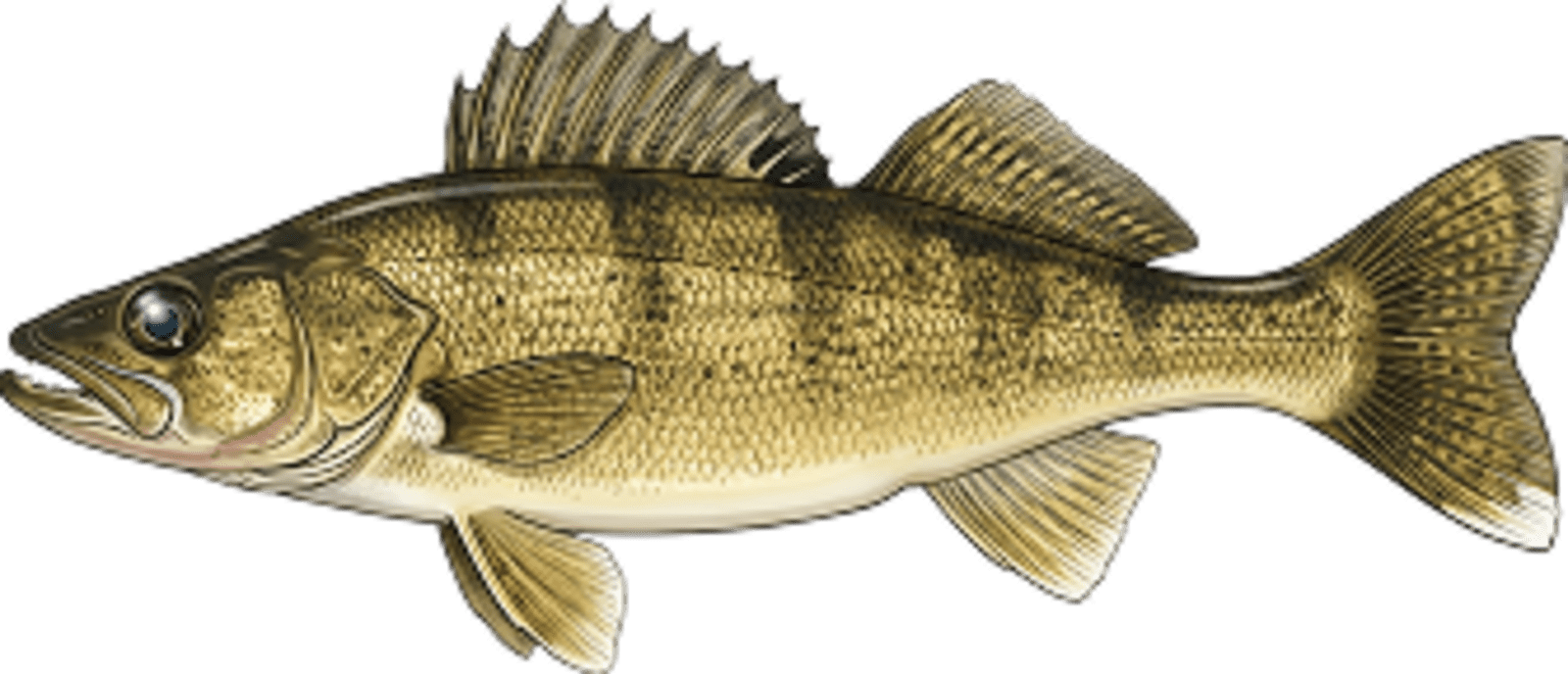
- Walleye: See Walleye, Sauger, and Hybrids
- Walleye, Saugers, and Hybrids: May 2, 2026 to March 7, 2027: The minimum length limit is 18” and the daily bag limit is 3
- White perch: Open all year: The daily bag limit is 0, one may be killed and possessed for transport to a WDNR Office
Forage

Get Your Line in the Right Water
Quickly find the best places to fish and plan your day right.
Top Fish Species

Abundance ratings are based on Catch Per Unit Effort (CPUE) measurements conducted by the MN DNR, and represent a snapshot of a species population at a given point in time
Source: Minnesota Department of Natural Resources. Survey cadence may vary by state and water body.