Size
NA
Boat Launch
Carry-in Launch
Toilet
No
Boat Dock
Species in Spring Creek
Overview
Spring and fall runs of sauger and white bass attract anglers from throughout the Midwest. Catfish, smallmouth, crappie and largemouth found too. 24 river miles mapped.
Spring Creek Map
Features
This stretch of river is the upper section of the Peoria Pool and is best-noted for its white bass, walleye and sauger fishing. Tournaments are common on the river, with national walleye tournaments occasionally taking place. Since the early 1980s, state fish managers have recognized the area as an important fishery. Efforts are continuing to improve the access, habitat and gamefish populations. The spectacular Palisade Bluffs in Starved Rock State Park also provide a scenic landscape for visitors. In recent years, the Illinois River has received national media attention for the presence of Asian Carp. The main debate has been over keeping these carp from reaching Lake Michigan and in turn the rest of the Great Lakes, via the Chicago shipping canal. The most well-known Asian carp, the Silver, is well documented for its leaping from the water. This can be very dangerous to boaters and caution should be advised when navigating the river. Boaters are cautioned, however, to observe the no wake area, which includes the entire river near the South Shore Boat Club in Peru. Industrial river traffic also can be heavy, and boats must be alert for barges.
This stretch of river is the upper section of the Peoria Pool, and is best known for its white bass, walleye and sauger fishing. Tournaments are held each year, including walleye events with a national reputation.
Since the early 1980’s state fish managers have recognized the area as an important fishery. Efforts are continuing to improve the accesses, habitat and gamefish populations. The spectacular Palisade Bluffs in Starved Rock State Park also provide a scenic landscape for visitors.
Boaters are cautioned, however, to observe the no wake area, which includes the entire river near the South Shore Boat Club in Peru. Industrial river traffic also can be heavy, and boaters must be alert for barges. Prudent navigation is always recommended including knowledge of the buoy/daymark system.
Forage
The most abundant forage is gizzard shad. Bluntnose minnow, spottail shiner and emerald shiner are also common. Crayfish are abundant and are significant forage for smallmouth bass, sauger and catfish. Aquatic insects are important, especially during hatches.
Seasonal Movements
It was believed that sauger and walleye migrate to the tailwater region below Starved Rock Dam to spawn in late March or April. Biologists, however, have been unable to draw any conclusions from an ongoing tagging study. Some walleye remained in the tailwater area, others scatter downstream, anywhere from 12-to 50-miles.

Get Your Line in the Right Water
Quickly find the best places to fish and plan your day right.
Top Fish Species
Sauger
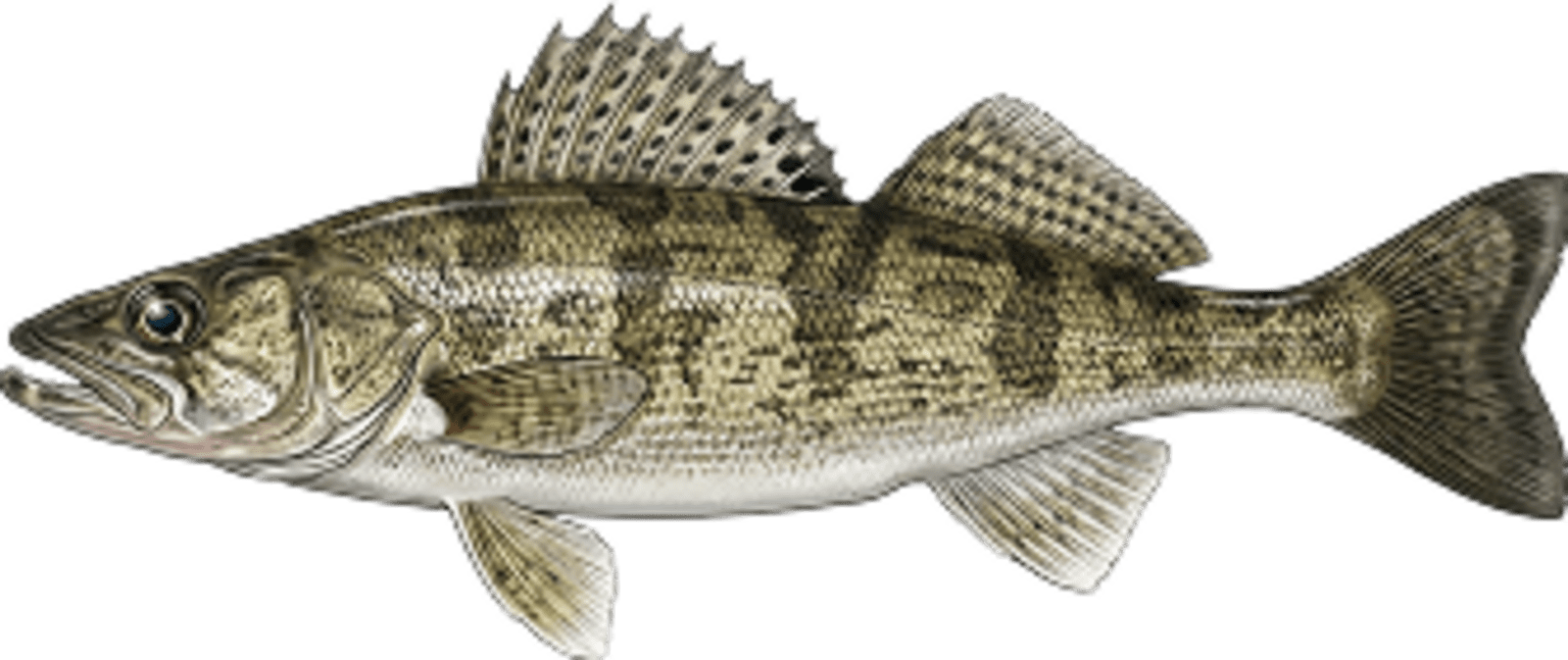
No survey data
Abundance (CPUE)

Understanding Abundance
Abundance ratings are based on Catch Per Unit Effort (CPUE) measurements conducted by the MN DNR, and represent a snapshot of a species population at a given point in time
Source: Minnesota Department of Natural Resources. Survey cadence may vary by state and water body.Species Lengths