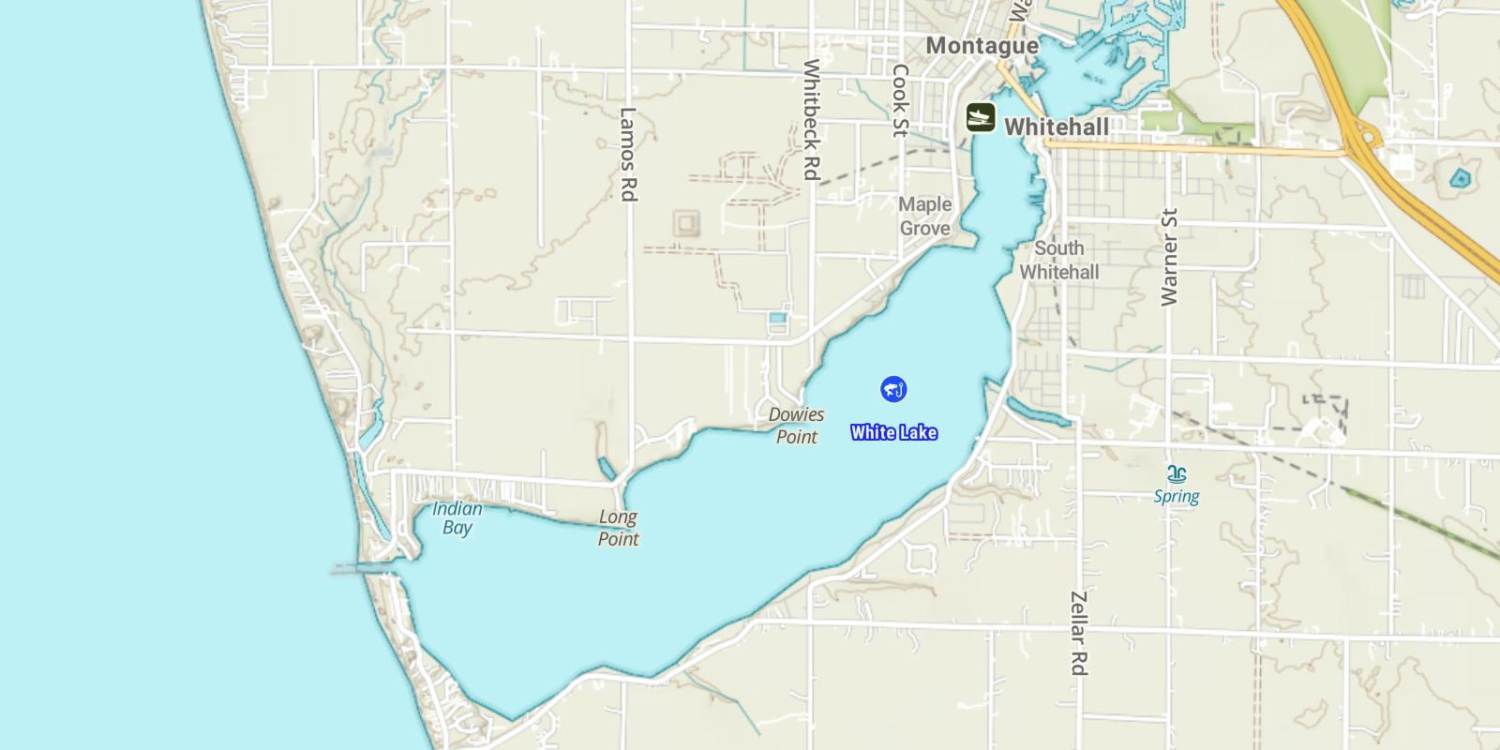
White Lake

White Lake

Size
2,577ac
Boat Launch
Yes
Carry-in Launch
No
Toilet
Yes
Boat Dock
No
Species in White Lake
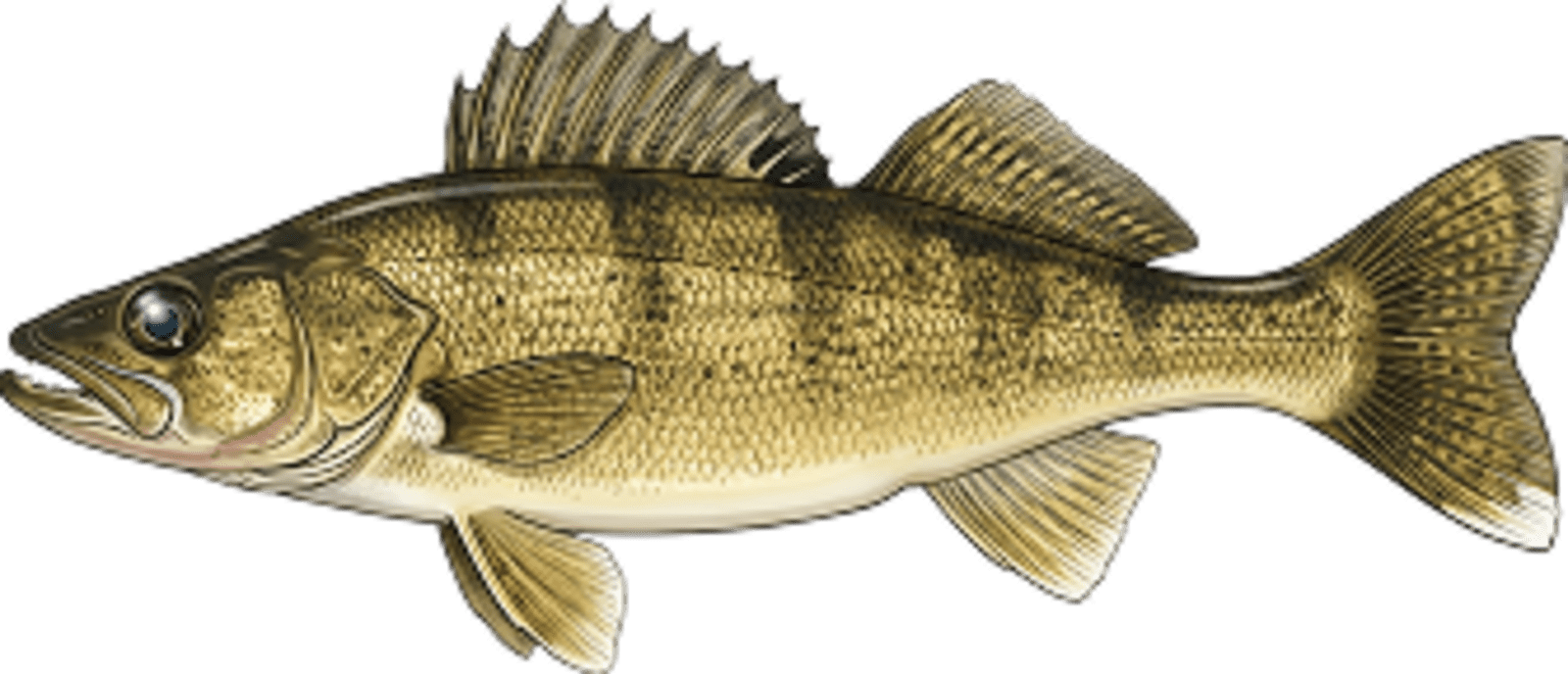
Walleye
Walleye
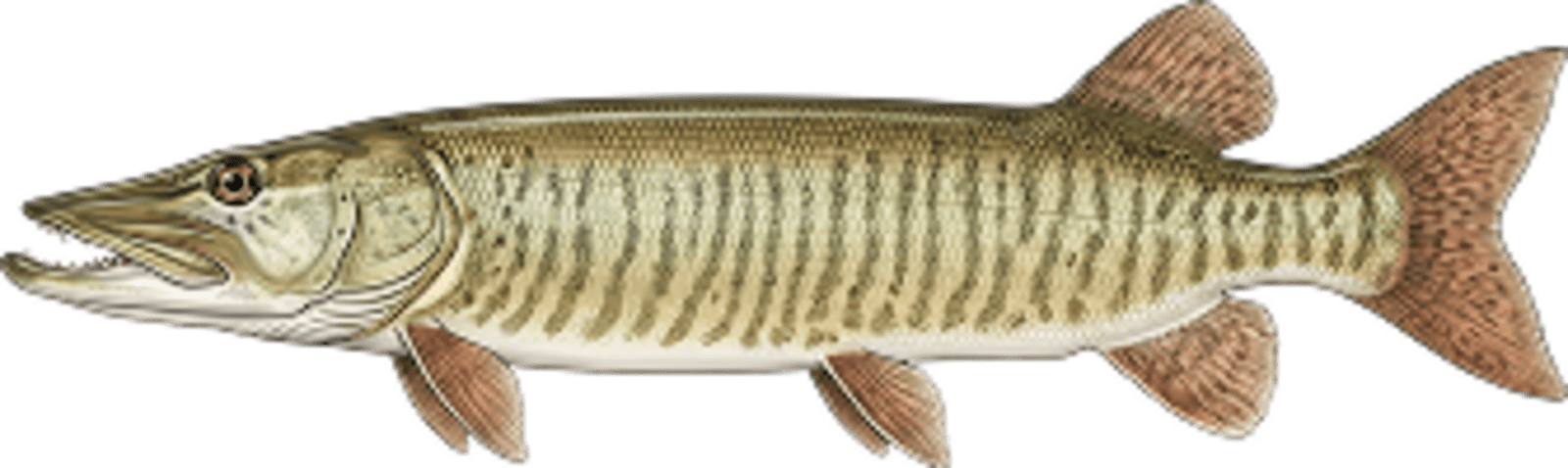
Muskellunge
Muskellunge
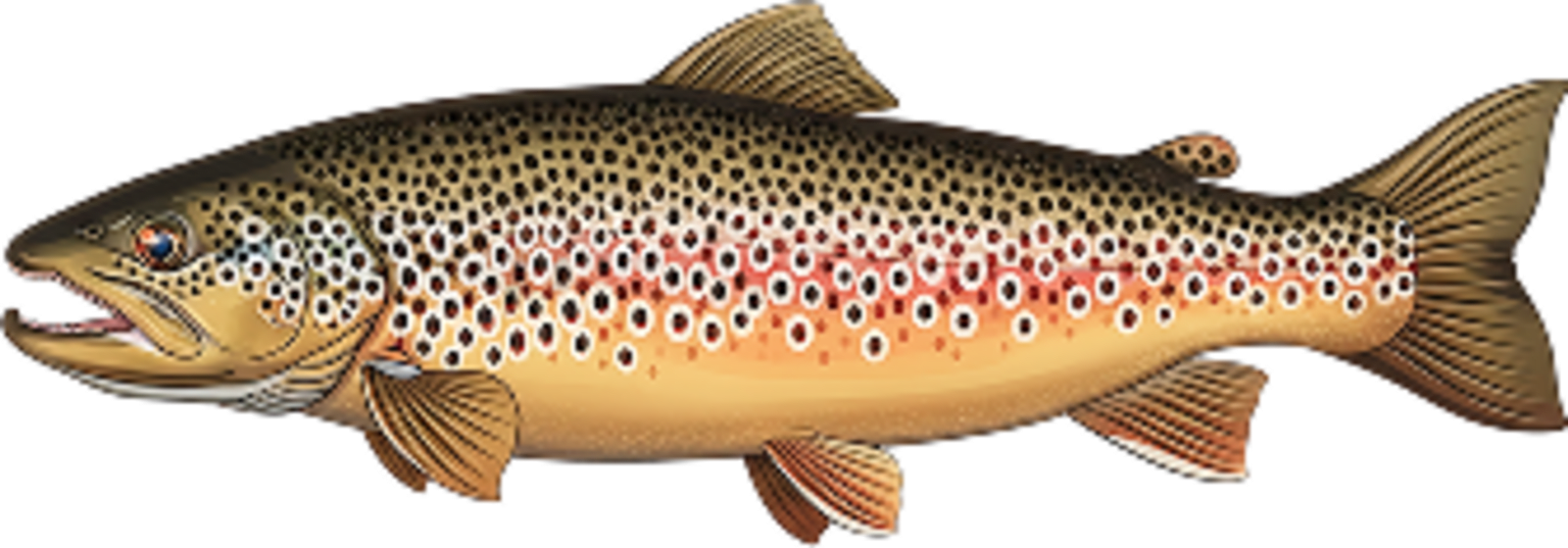
Brown trout
Brown trout
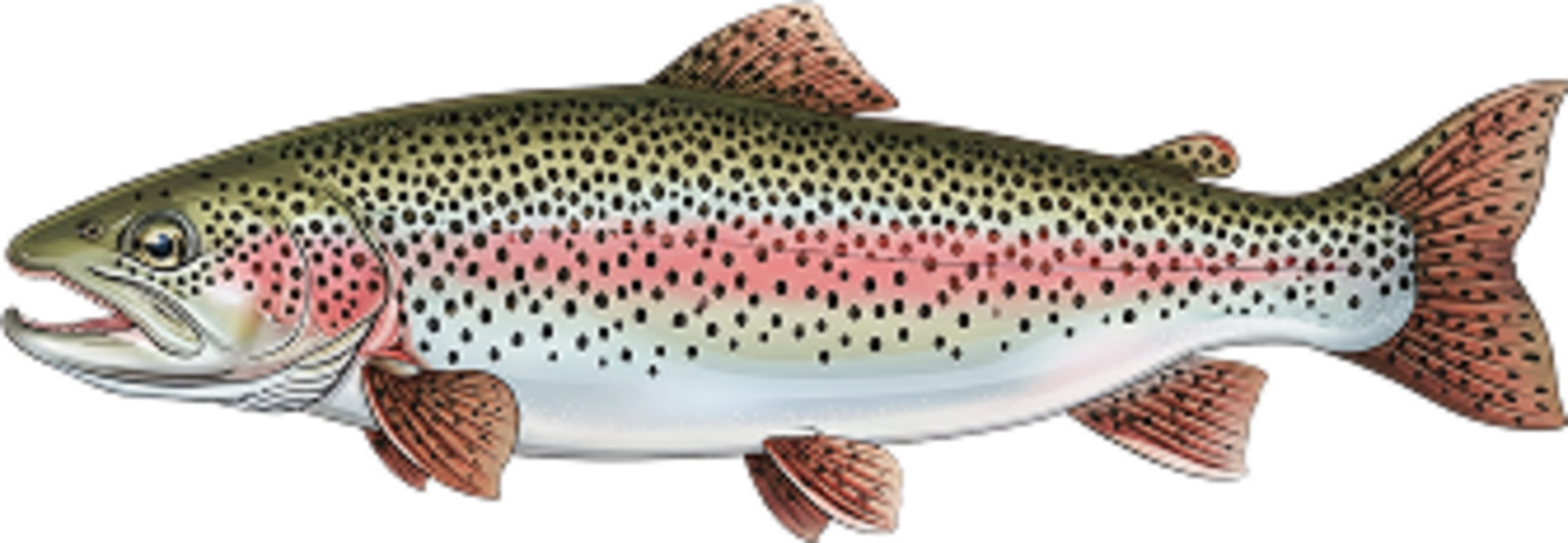
Rainbow trout
Rainbow trout
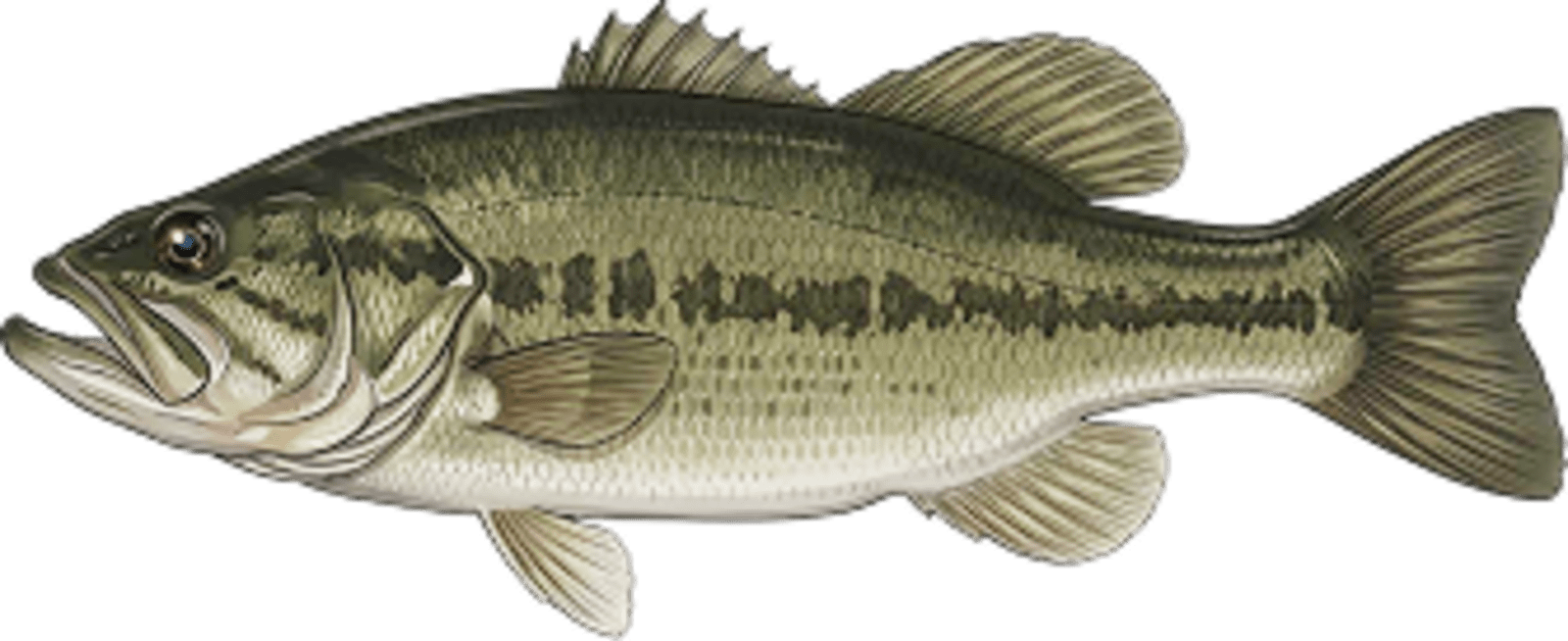
Largemouth bass
Largemouth bass
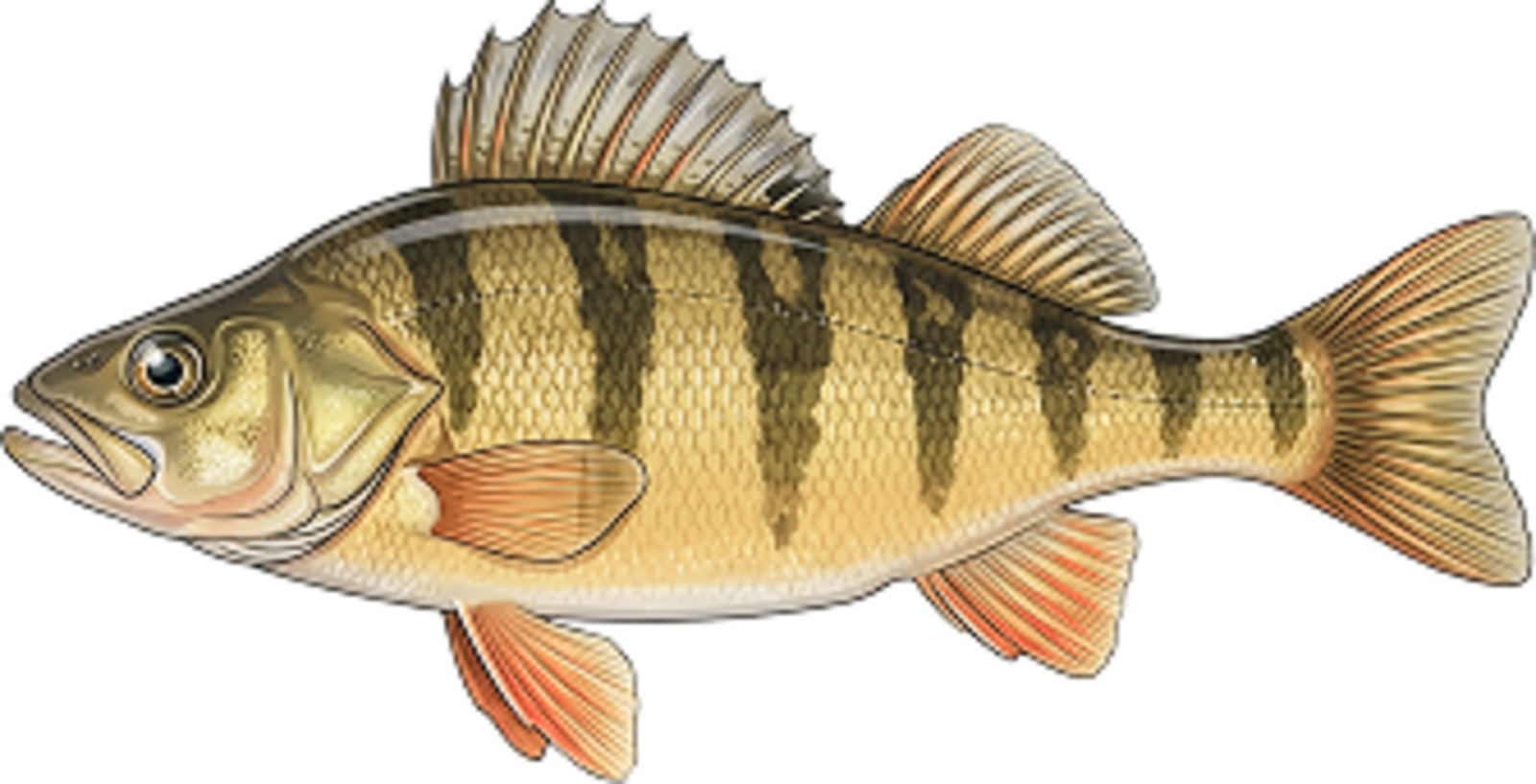
Perch
Perch
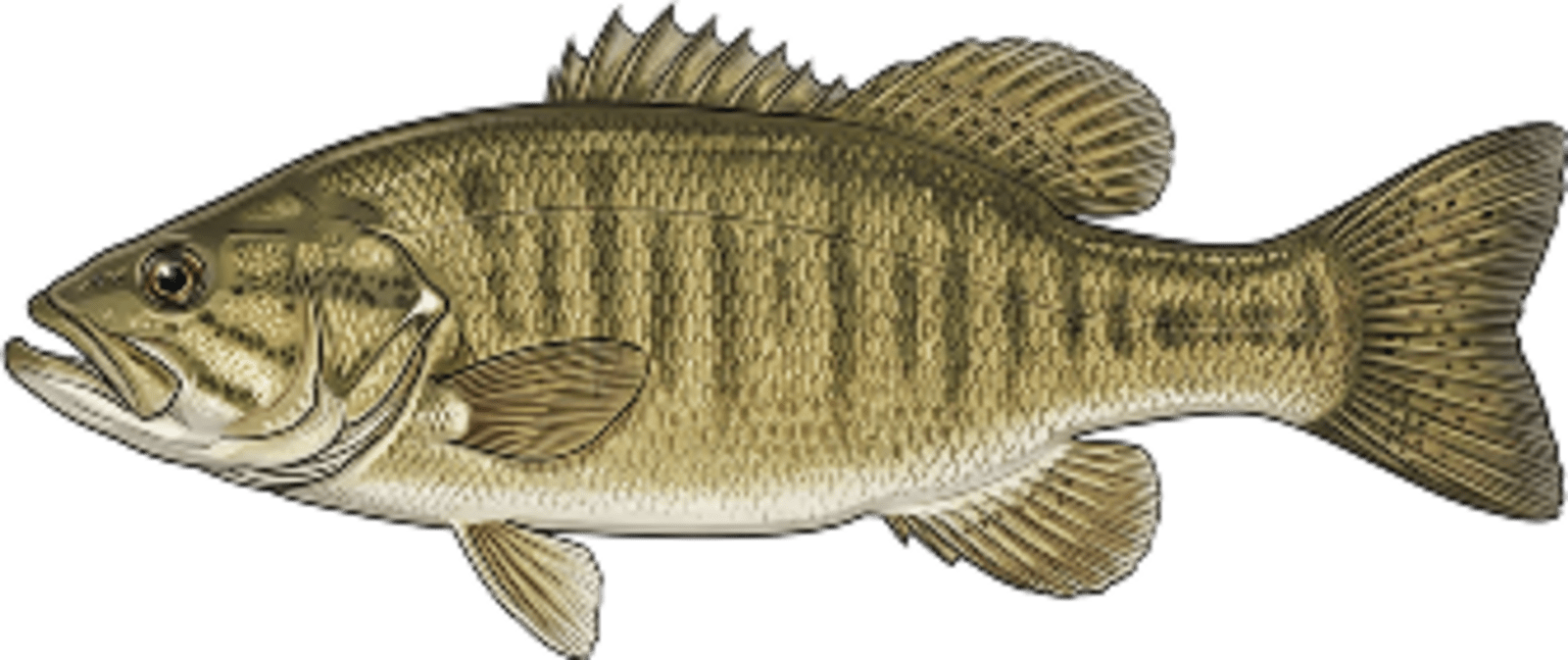
Smallmouth bass
Smallmouth bass
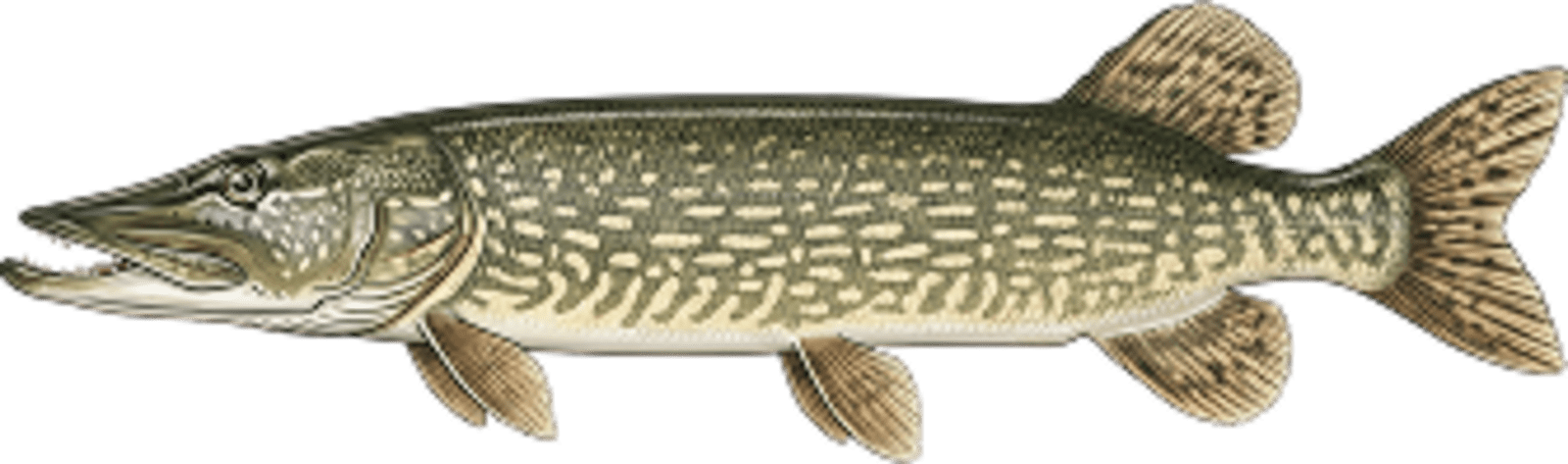
Northern pike
Northern pike
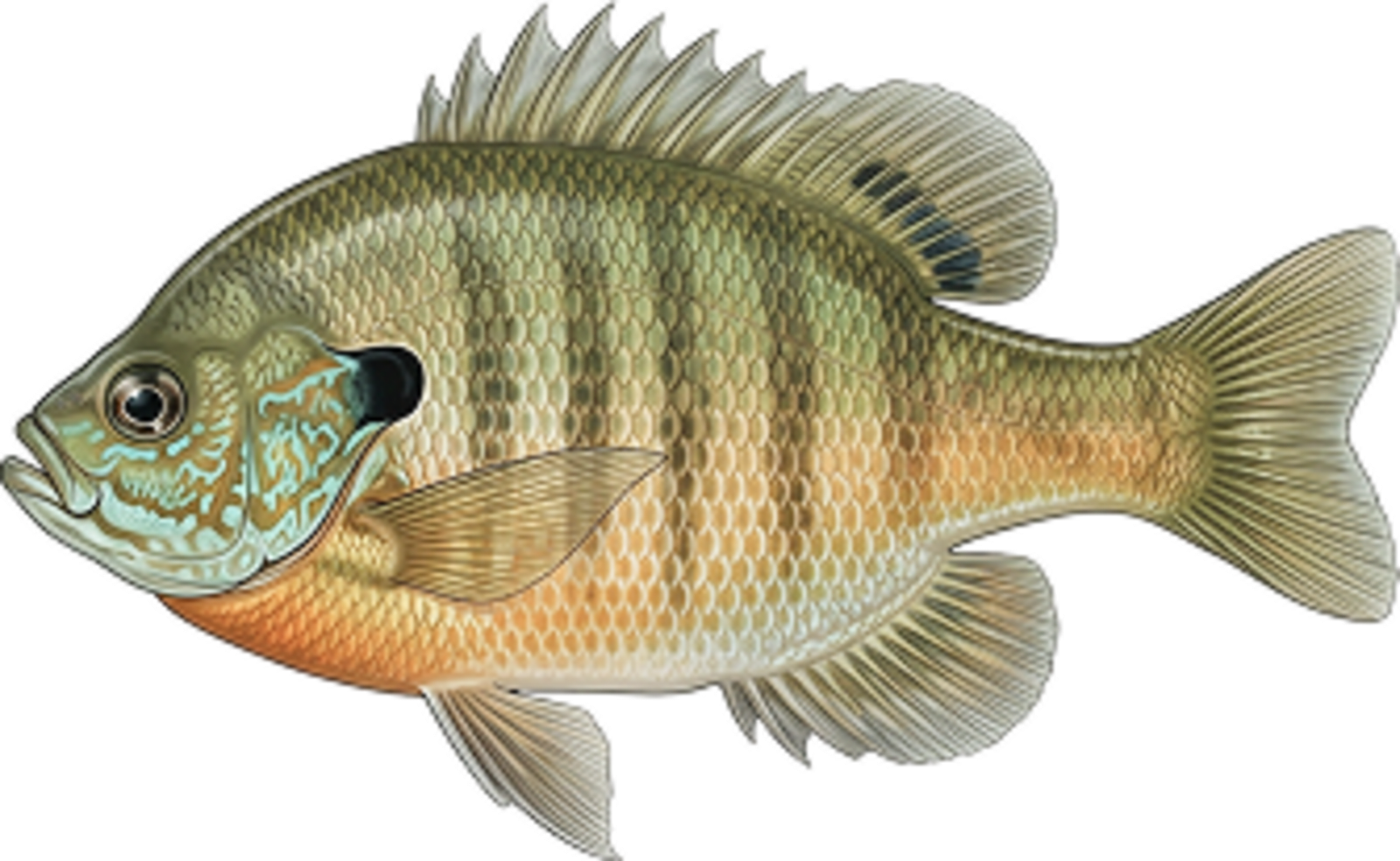
Bluegill
Bluegill
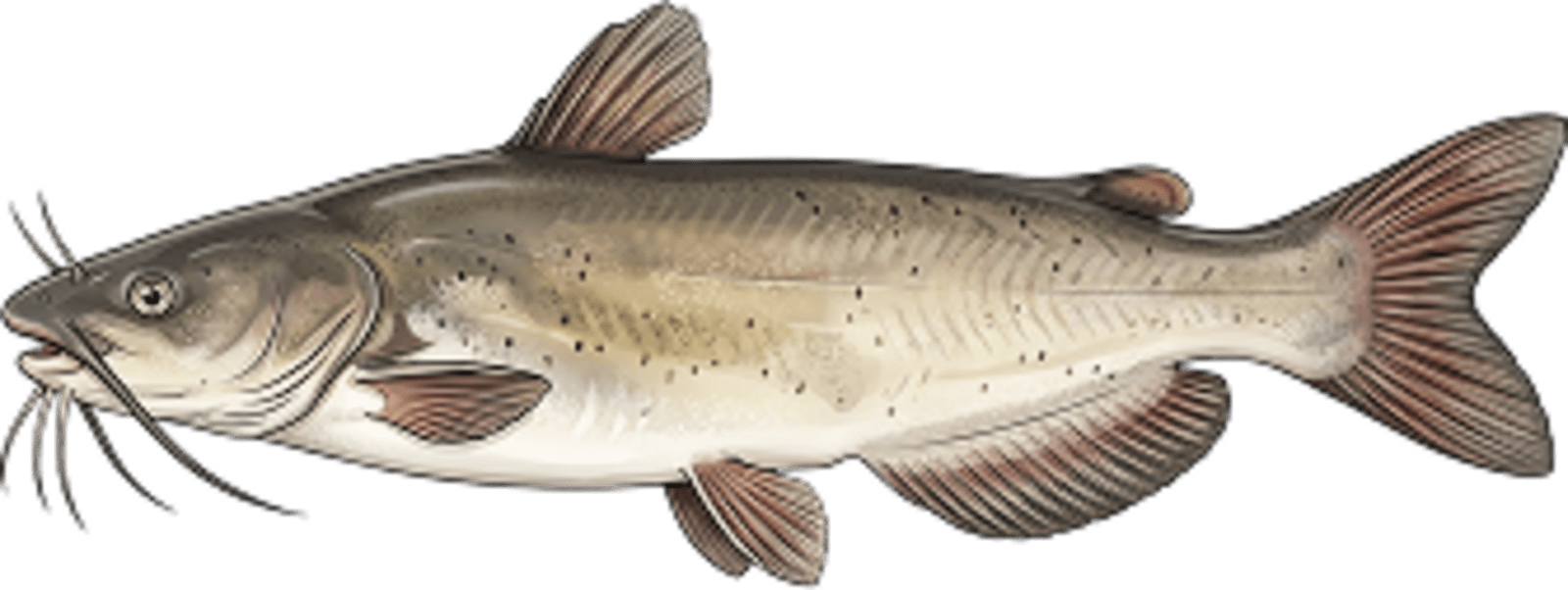
Channel catfish
Channel catfish
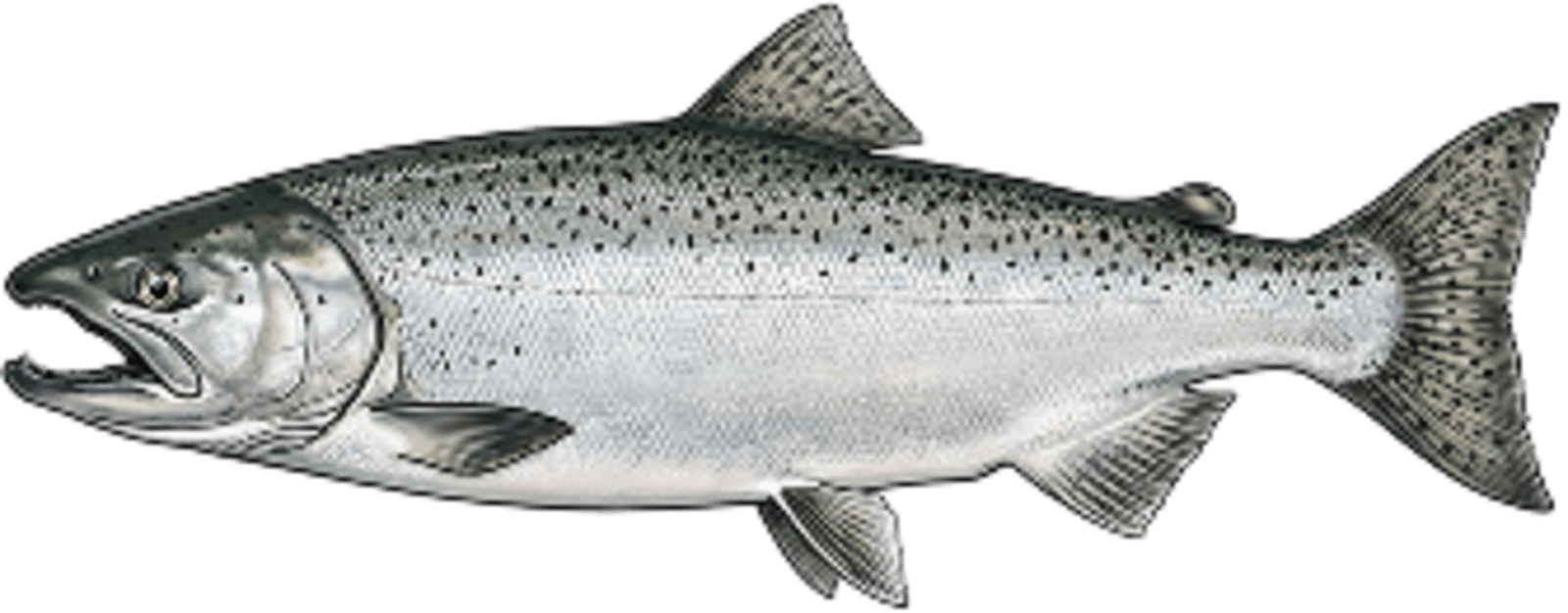
Chinook salmon
Chinook salmon

Overview

White Lake Map

Features

White Lake is one of several “river lakes”(others include Muskegon, Manistee and Pere Marquette) along the eastern shoreline of Lake Michigan. The movement of trout, salmon, perch and walleye from Lake Michigan into White Lake via the White River offers anglers the chance to catch big-water fish within the shelter and safety of a small lake. The upper end of the lake, north of the narrows, is a no-wake zone. Boat traffic from several marinas and boat landings in this area can be heavy, especially in summer.

Forage

Gizzard shad, spottail shiner, emerald shiner, and juvenile perch provide the primary forage for gamefish throughout the year. Lake Michigan alewife move into White Lake in early summer and remain until the end of July. Most gamefish rely on alewife during this six-week period each year. Insect larvae and crayfish also contribute to the food chain.

Seasonal Movements

Steelhead move into White Lake from Lake Michigan in both spring and fall. Steelhead can be found in White Lake as early as ice-out in mid-March all the way up until the end of May. Another run occurs in fall from mid-October until freeze up. There is a migration of chinook salmon from Lake Michigan into White Lake and up the White River. The chinook run usually starts in mid-September and lasts throughout the fall. Walleye migrate up the White River in spring beginning in March. After spawning, these fish move back downstream and disperse throughout the lake.
Waterbody poster background

logo

Get Your Line in the Right Water

Quickly find the best places to fish and plan your day right.

Fish Species

Bluegill
fish
No survey data
Abundance (CPUE)
No abundance data
Understanding Abundance

Abundance ratings are based on Catch Per Unit Effort (CPUE) measurements conducted by the MN DNR, and represent a snapshot of a species population at a given point in time.

Source: Minnesota Department of Natural Resources. Survey cadence may vary by state and water body.
Species Lengths
No Survey Data
Brown trout
fish
No survey data
Abundance (CPUE)
No abundance data
Understanding Abundance

Abundance ratings are based on Catch Per Unit Effort (CPUE) measurements conducted by the MN DNR, and represent a snapshot of a species population at a given point in time.

Source: Minnesota Department of Natural Resources. Survey cadence may vary by state and water body.
Species Lengths
No Survey Data
Channel catfish
fish
No survey data
Abundance (CPUE)
No abundance data
Understanding Abundance

Abundance ratings are based on Catch Per Unit Effort (CPUE) measurements conducted by the MN DNR, and represent a snapshot of a species population at a given point in time.

Source: Minnesota Department of Natural Resources. Survey cadence may vary by state and water body.
Species Lengths
No Survey Data
Chinook salmon
fish
No survey data
Abundance (CPUE)
No abundance data
Understanding Abundance

Abundance ratings are based on Catch Per Unit Effort (CPUE) measurements conducted by the MN DNR, and represent a snapshot of a species population at a given point in time.

Source: Minnesota Department of Natural Resources. Survey cadence may vary by state and water body.
Species Lengths
No Survey Data
Largemouth bass
fish
No survey data
Abundance (CPUE)
No abundance data
Understanding Abundance

Abundance ratings are based on Catch Per Unit Effort (CPUE) measurements conducted by the MN DNR, and represent a snapshot of a species population at a given point in time.

Source: Minnesota Department of Natural Resources. Survey cadence may vary by state and water body.
Species Lengths
No Survey Data
Muskellunge
fish
No survey data
Abundance (CPUE)
No abundance data
Understanding Abundance

Abundance ratings are based on Catch Per Unit Effort (CPUE) measurements conducted by the MN DNR, and represent a snapshot of a species population at a given point in time.

Source: Minnesota Department of Natural Resources. Survey cadence may vary by state and water body.
Species Lengths
No Survey Data
Northern pike
fish
No survey data
Abundance (CPUE)
No abundance data
Understanding Abundance

Abundance ratings are based on Catch Per Unit Effort (CPUE) measurements conducted by the MN DNR, and represent a snapshot of a species population at a given point in time.

Source: Minnesota Department of Natural Resources. Survey cadence may vary by state and water body.
Species Lengths
No Survey Data
Perch
fish
No survey data
Abundance (CPUE)
No abundance data
Understanding Abundance

Abundance ratings are based on Catch Per Unit Effort (CPUE) measurements conducted by the MN DNR, and represent a snapshot of a species population at a given point in time.

Source: Minnesota Department of Natural Resources. Survey cadence may vary by state and water body.
Species Lengths
No Survey Data
Rainbow trout
fish
No survey data
Abundance (CPUE)
No abundance data
Understanding Abundance

Abundance ratings are based on Catch Per Unit Effort (CPUE) measurements conducted by the MN DNR, and represent a snapshot of a species population at a given point in time.

Source: Minnesota Department of Natural Resources. Survey cadence may vary by state and water body.
Species Lengths
No Survey Data
Smallmouth bass
fish
No survey data
Abundance (CPUE)
No abundance data
Understanding Abundance

Abundance ratings are based on Catch Per Unit Effort (CPUE) measurements conducted by the MN DNR, and represent a snapshot of a species population at a given point in time.

Source: Minnesota Department of Natural Resources. Survey cadence may vary by state and water body.
Species Lengths
No Survey Data
Walleye
fish
No survey data
Abundance (CPUE)
No abundance data
Understanding Abundance

Abundance ratings are based on Catch Per Unit Effort (CPUE) measurements conducted by the MN DNR, and represent a snapshot of a species population at a given point in time.

Source: Minnesota Department of Natural Resources. Survey cadence may vary by state and water body.
Species Lengths
No Survey Data