North Channel Muskegon River

North Channel Muskegon River

Size
NA
Boat Launch
No
Carry-in Launch
No
Toilet
No
Boat Dock
No
Species in North Channel Muskegon River

Overview

Famous for trophy walleye. Wood and weeds offer prime cover for smallies and largemouth bass. Perch offer steady winter action.

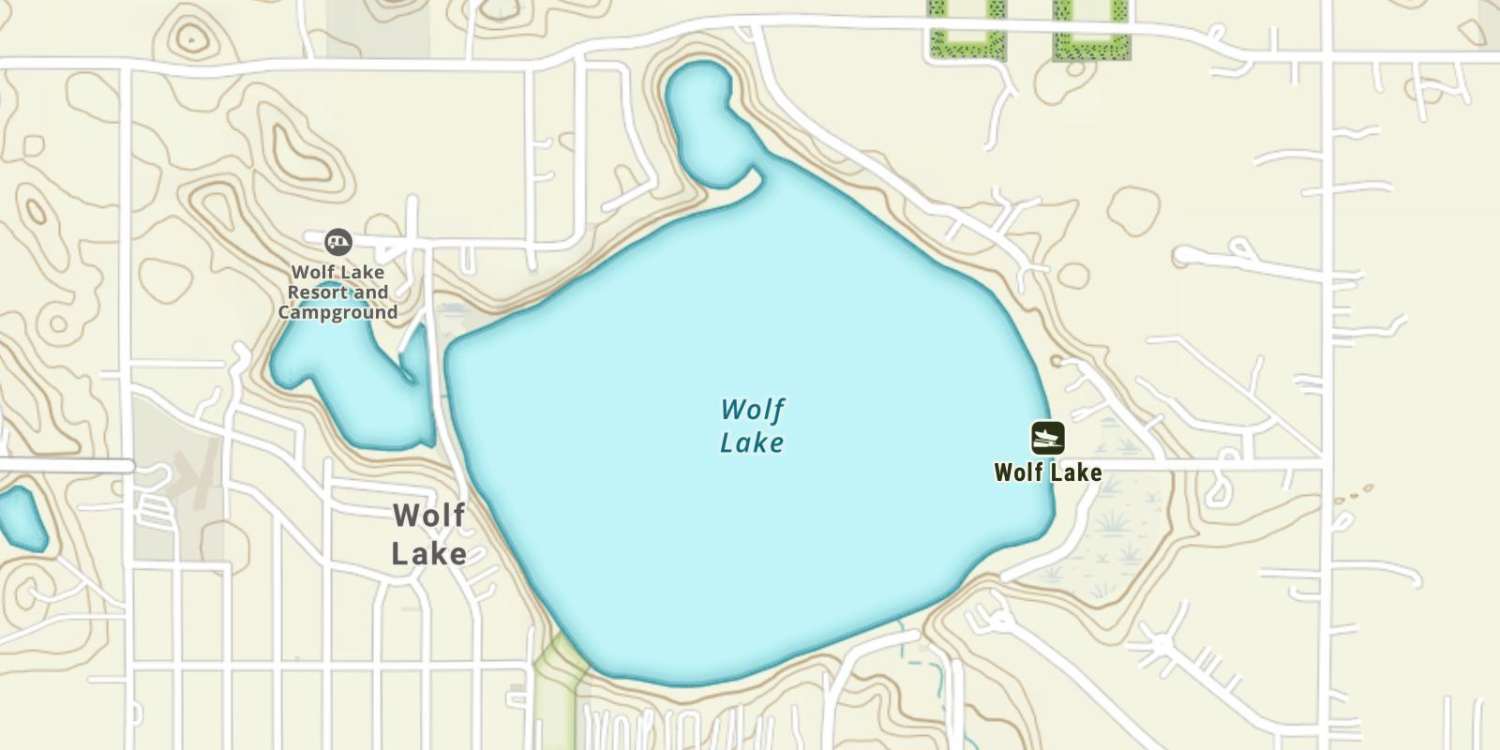
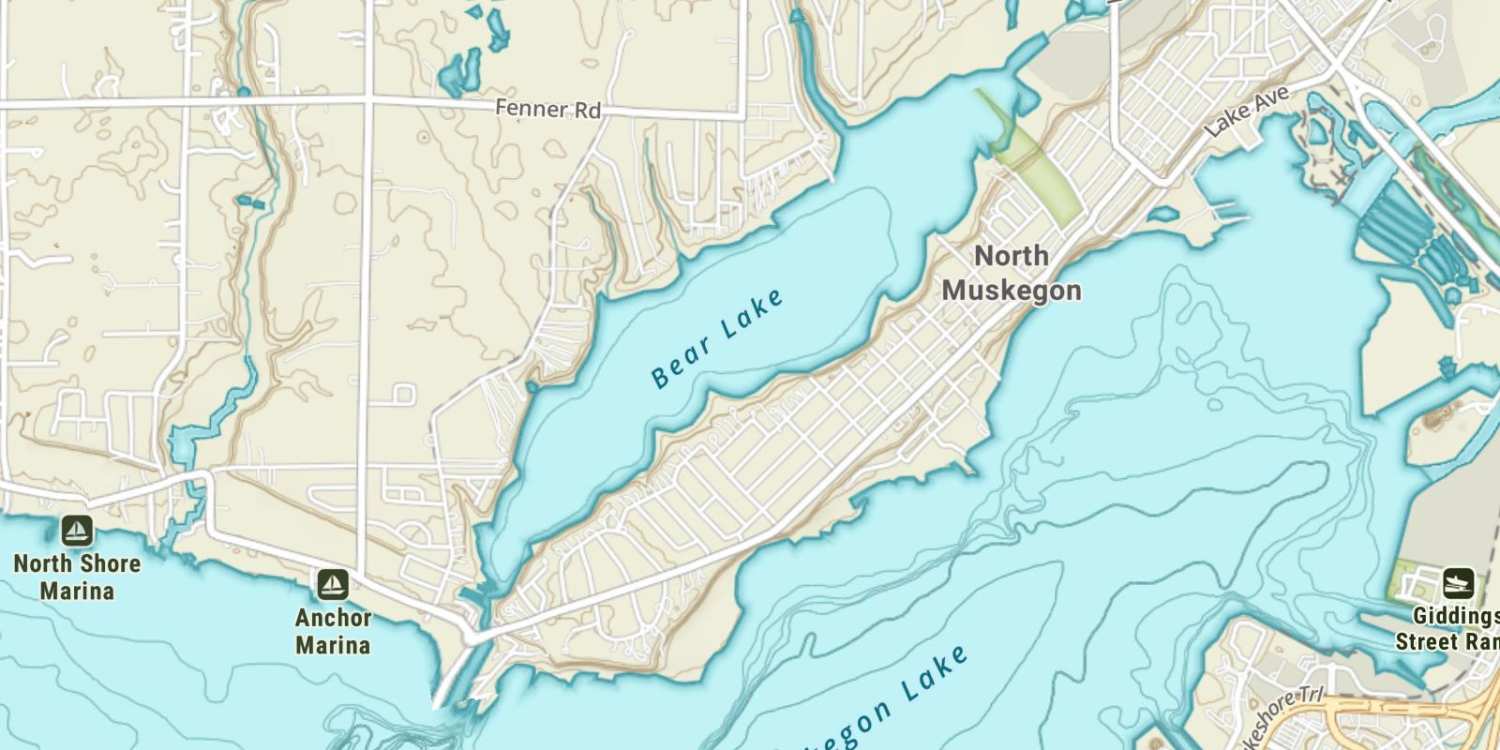
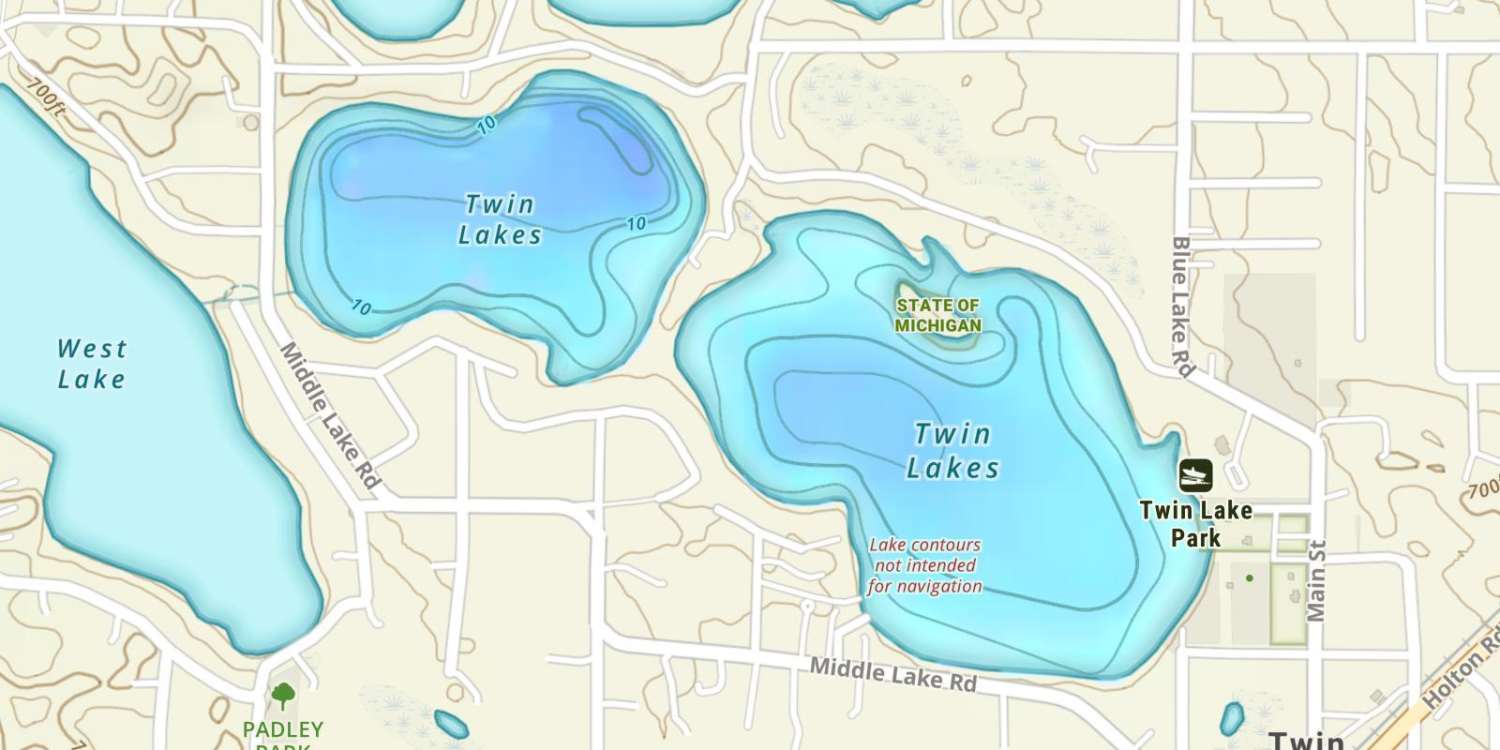
North Channel Muskegon River Map

Features

Located on the western shore of lower Michigan, just east of Lake Michigan, Muskegon Lake offers a variety of facilities and attractions that interest anglers, recreational boaters and tourists. Marinas, campgrounds, motels, unique shops and restaurants are present throughout the area. Winter ice anglers should always check with local bait shops before venturing out, as ice conditions can be dangerous, especially early and late in the season.

Forage

Gizzard shad and white bass are utilized heavily by walleye and northern pike. In spring and early summer, walleye and northern pike prey on spawning alewife. Spottail shiner, trout perch, brook silversides and emerald shiner are important year-round forage. Crayfish and insect larvae also contribute to the forage base.

Seasonal Movements

Lake Michigan perch move into Muskegon Lake in late fall. They remain in Muskegon Lake until spring they spawn. Following their spawn, the perch return to Lake Michigan. Steelhead and walleye migrate up the Muskegon River in spring. During fall, steelhead and chinook salmon move through the lake; with some traveling as far as 40 miles up the Muskegon Rive to the Croton Dam. Good numbers of channel catfish also move into the lake in spring and fall. In spring, some large flathead migrate from Muskegon Lake into the lower stretches of the Muskegon River.
Waterbody poster background

logo

Get Your Line in the Right Water

Quickly find the best places to fish and plan your day right.

Fish Species

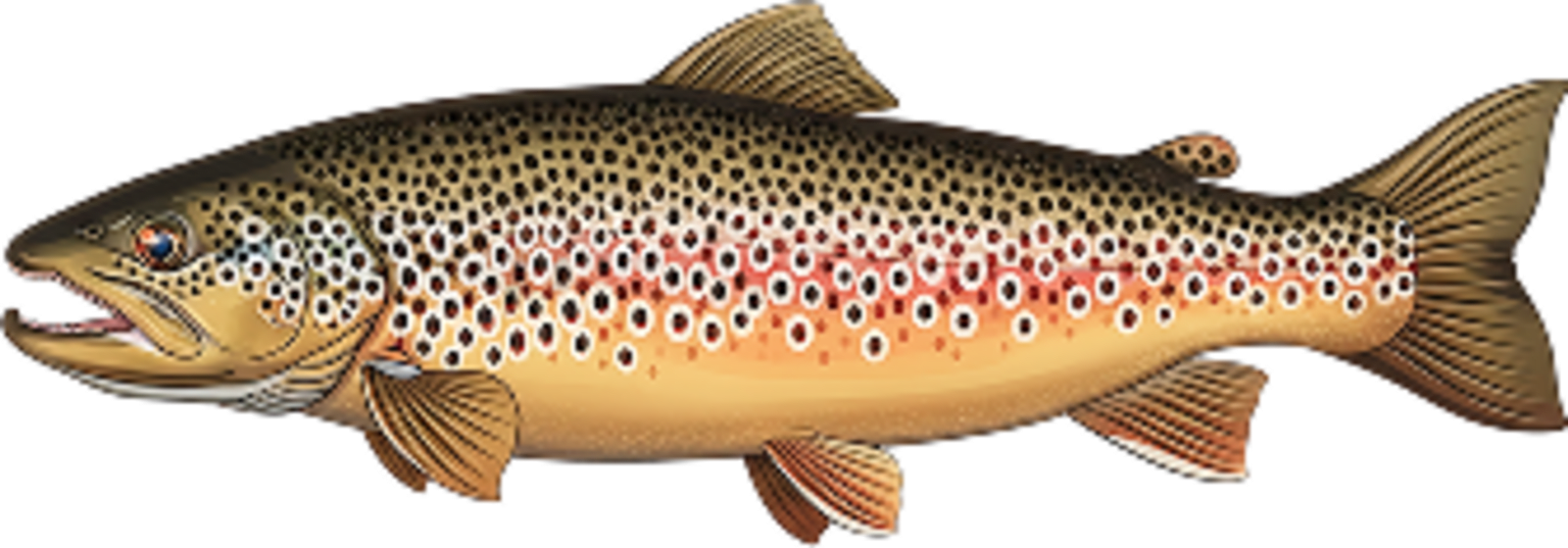
Brown trout
fish
No survey data
Abundance (CPUE)
No abundance data
Understanding Abundance

Abundance ratings are based on Catch Per Unit Effort (CPUE) measurements conducted by the MN DNR, and represent a snapshot of a species population at a given point in time.

Source: Minnesota Department of Natural Resources. Survey cadence may vary by state and water body.
Species Lengths
No Survey Data
Chinook salmon
fish
No survey data
Abundance (CPUE)
No abundance data
Understanding Abundance

Abundance ratings are based on Catch Per Unit Effort (CPUE) measurements conducted by the MN DNR, and represent a snapshot of a species population at a given point in time.

Source: Minnesota Department of Natural Resources. Survey cadence may vary by state and water body.
Species Lengths
No Survey Data
Coho salmon
fish
No survey data
Abundance (CPUE)
No abundance data
Understanding Abundance

Abundance ratings are based on Catch Per Unit Effort (CPUE) measurements conducted by the MN DNR, and represent a snapshot of a species population at a given point in time.

Source: Minnesota Department of Natural Resources. Survey cadence may vary by state and water body.
Species Lengths
No Survey Data
Largemouth bass
fish
No survey data
Abundance (CPUE)
No abundance data
Understanding Abundance

Abundance ratings are based on Catch Per Unit Effort (CPUE) measurements conducted by the MN DNR, and represent a snapshot of a species population at a given point in time.

Source: Minnesota Department of Natural Resources. Survey cadence may vary by state and water body.
Species Lengths
No Survey Data
Rainbow trout
fish
No survey data
Abundance (CPUE)
No abundance data
Understanding Abundance

Abundance ratings are based on Catch Per Unit Effort (CPUE) measurements conducted by the MN DNR, and represent a snapshot of a species population at a given point in time.

Source: Minnesota Department of Natural Resources. Survey cadence may vary by state and water body.
Species Lengths
No Survey Data
Smallmouth bass
fish
No survey data
Abundance (CPUE)
No abundance data
Understanding Abundance

Abundance ratings are based on Catch Per Unit Effort (CPUE) measurements conducted by the MN DNR, and represent a snapshot of a species population at a given point in time.

Source: Minnesota Department of Natural Resources. Survey cadence may vary by state and water body.
Species Lengths
No Survey Data
Walleye
fish
No survey data
Abundance (CPUE)
No abundance data
Understanding Abundance

Abundance ratings are based on Catch Per Unit Effort (CPUE) measurements conducted by the MN DNR, and represent a snapshot of a species population at a given point in time.

Source: Minnesota Department of Natural Resources. Survey cadence may vary by state and water body.
Species Lengths
No Survey Data