Size
NA
Boat Launch
Carry-in Launch
Toilet
No
Boat Dock
Species in Hundred and Ten Mile Creek
Overview
Hundred and Ten Mile Creek Map
Features
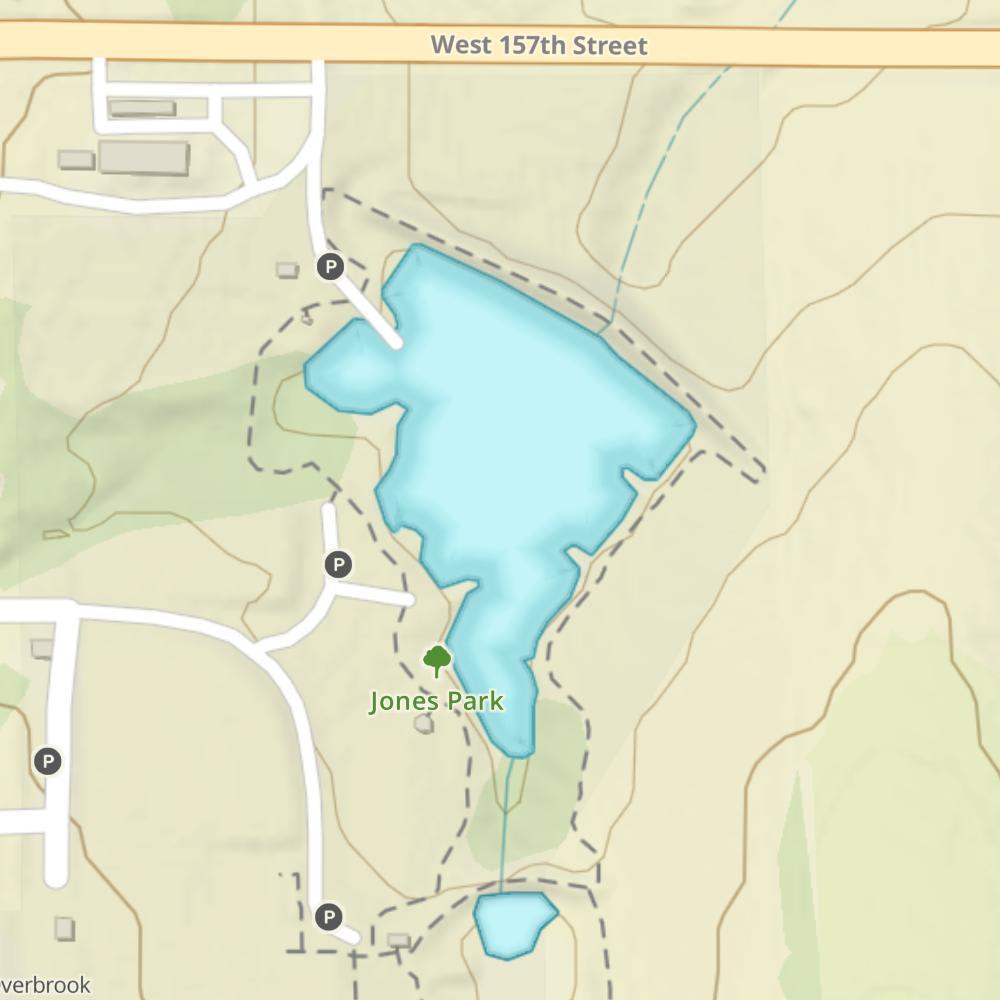
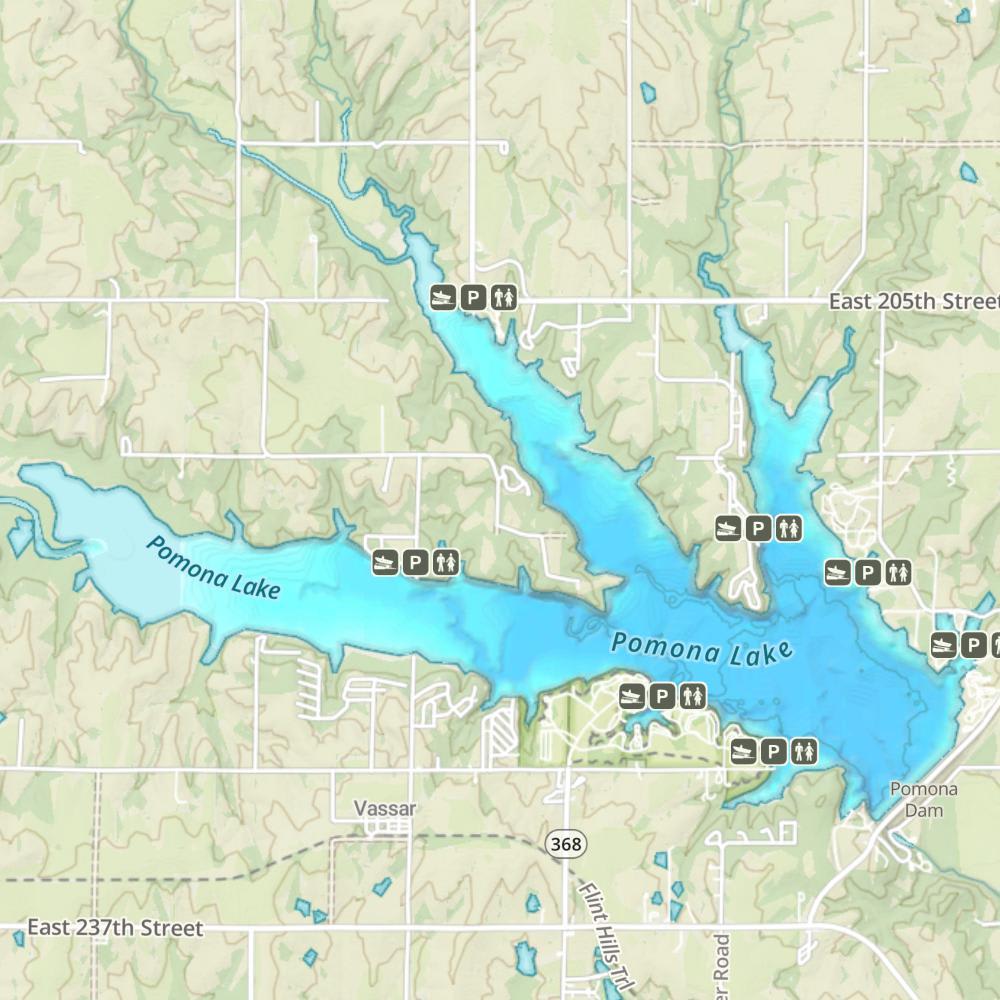
This 4,000 acres reservoir was constructed in 1963 to control watershed runoff from an area exceeding 322 square miles. Pomona Lake impounds the Dragoon and 110 Mile Creeks a few miles above their confluence with the Marias des Cygnes River. Located 30 miles south of Topeka Kansas, Pomona Lake offers scenic beauty, great fishery and an abundance of wildlife. The operation and maintenance of the dam, parks, boat landings, information stations and all other recreational facilities are under the care of the Army Corp of Engineers and the Kansas Department of Wildlife & Parks. These departments also continually perform a variety of improvements to the habitat and the fishery of the lake. This includes stocking efforts, adding fish feeders and dropping brushpiles throughout the lake. There are also approximately 4,500 surrounding acres of land available for hunting and wildlife viewing.
Past state records for wipers and flathead catfish have made Pomona a popular destination for anglers. Crappies are plentiful, walleyes are striving and catfish are favorites among anglers that travel to Pomona. These waters offer a little something for everyone, from water skiers to fisherman, Pomona has it all.
Forage
Early in the year many fish will feed on invertebrates and aquatic insects. Larger fish will feed on gizzard shad, shiners, bluegills and large crustaceans that are abundant throughout the lake.
Seasonal Movements
During early April, walleyes will concentrate along the face of the dam and shallow gravel shorelines to spawn. Following the spawn, during the summer months, walleyes will move through the lake to deeper water. White bass and catfish will make a run up the Marais des Cygnes River usually late April, early May. In summer, white bass can be found chasing schools of shad throughout the lake. Crappies relate to the wooded coves during the spring to spawn. By summer they can be found suspended in deeper water not far from their spawning grounds.
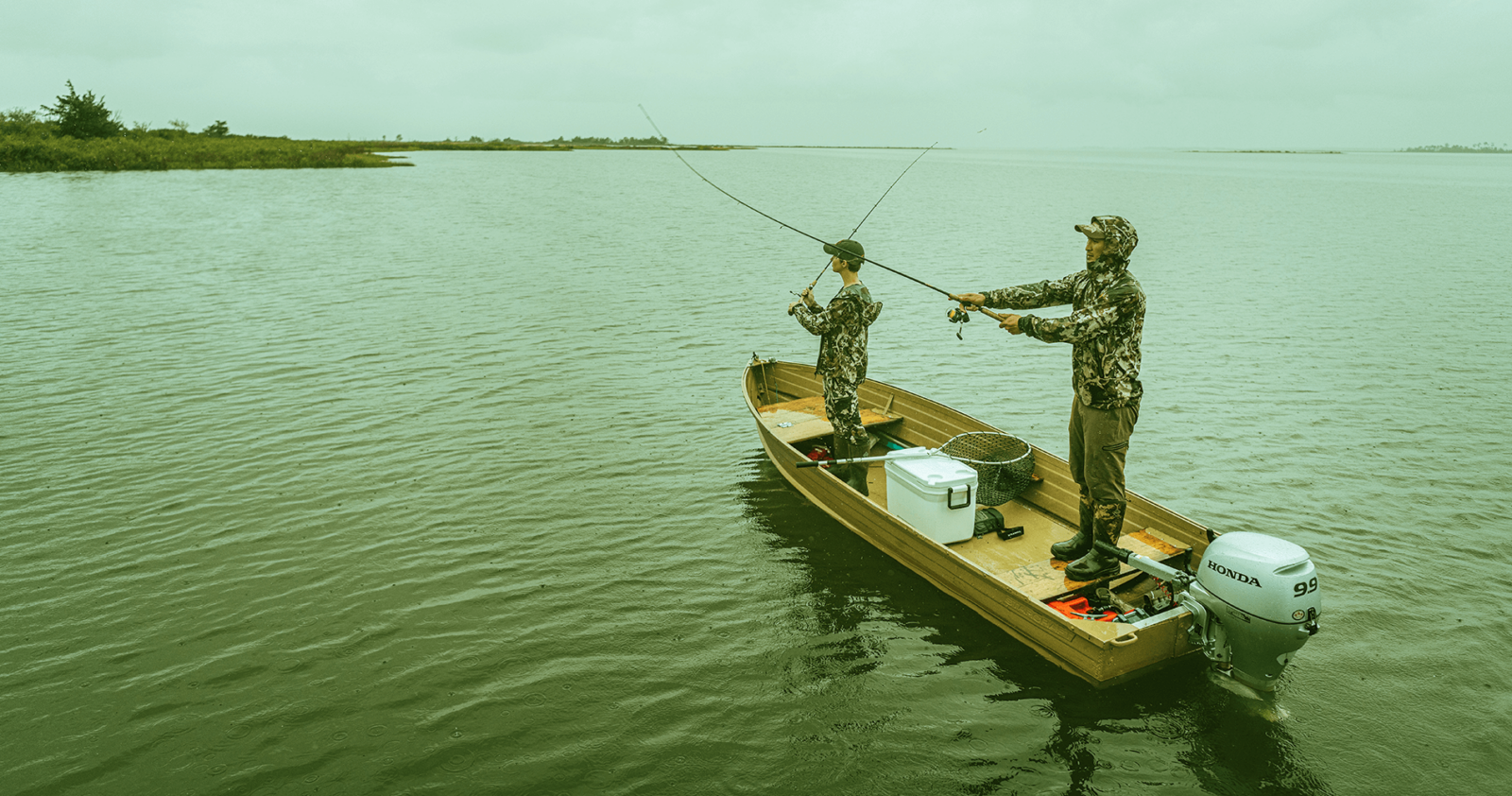

Get Your Line in the Right Water
Quickly find the best places to fish and plan your day right.
Top Fish Species
Channel catfish
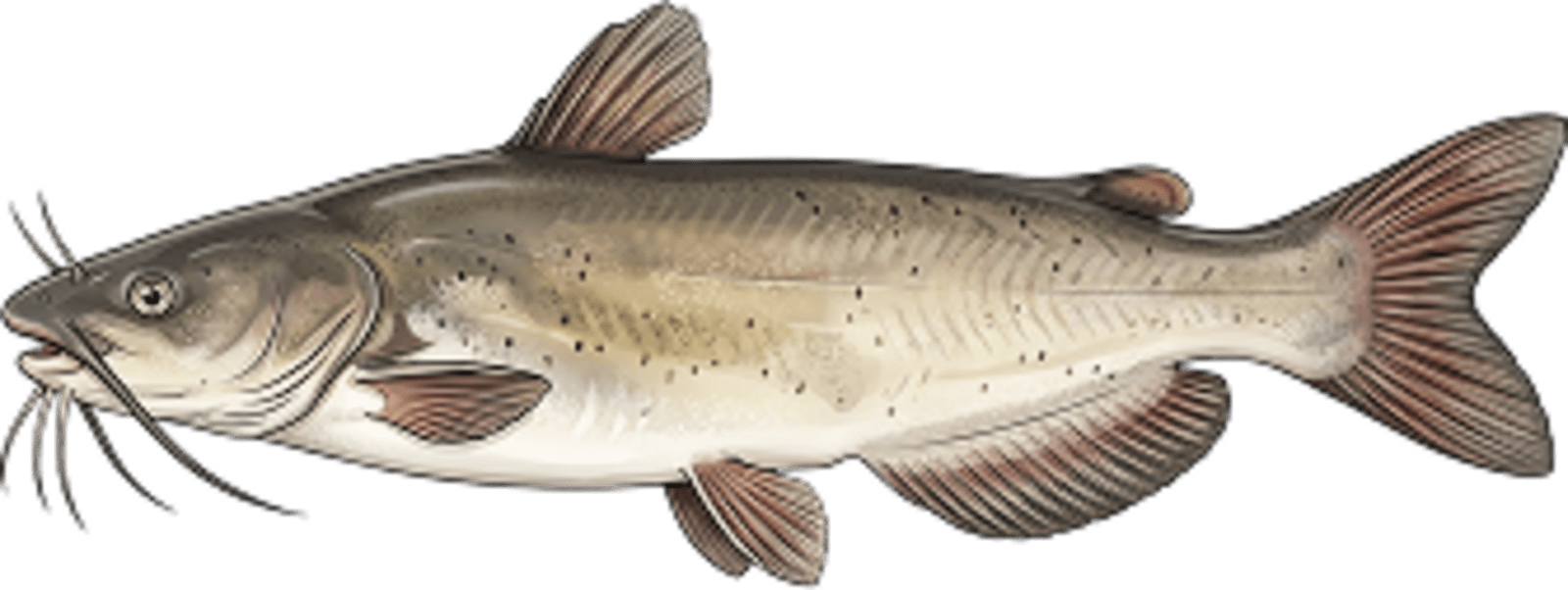
No survey data
Abundance (CPUE)
Understanding Abundance
Abundance ratings are based on Catch Per Unit Effort (CPUE) measurements conducted by the MN DNR, and represent a snapshot of a species population at a given point in time
Source: Minnesota Department of Natural Resources. Survey cadence may vary by state and water body.Species Lengths