Size
10ac
Boat Launch
Carry-in Launch
Toilet
No
Boat Dock
Species in Houghton Lake Flats Flooding
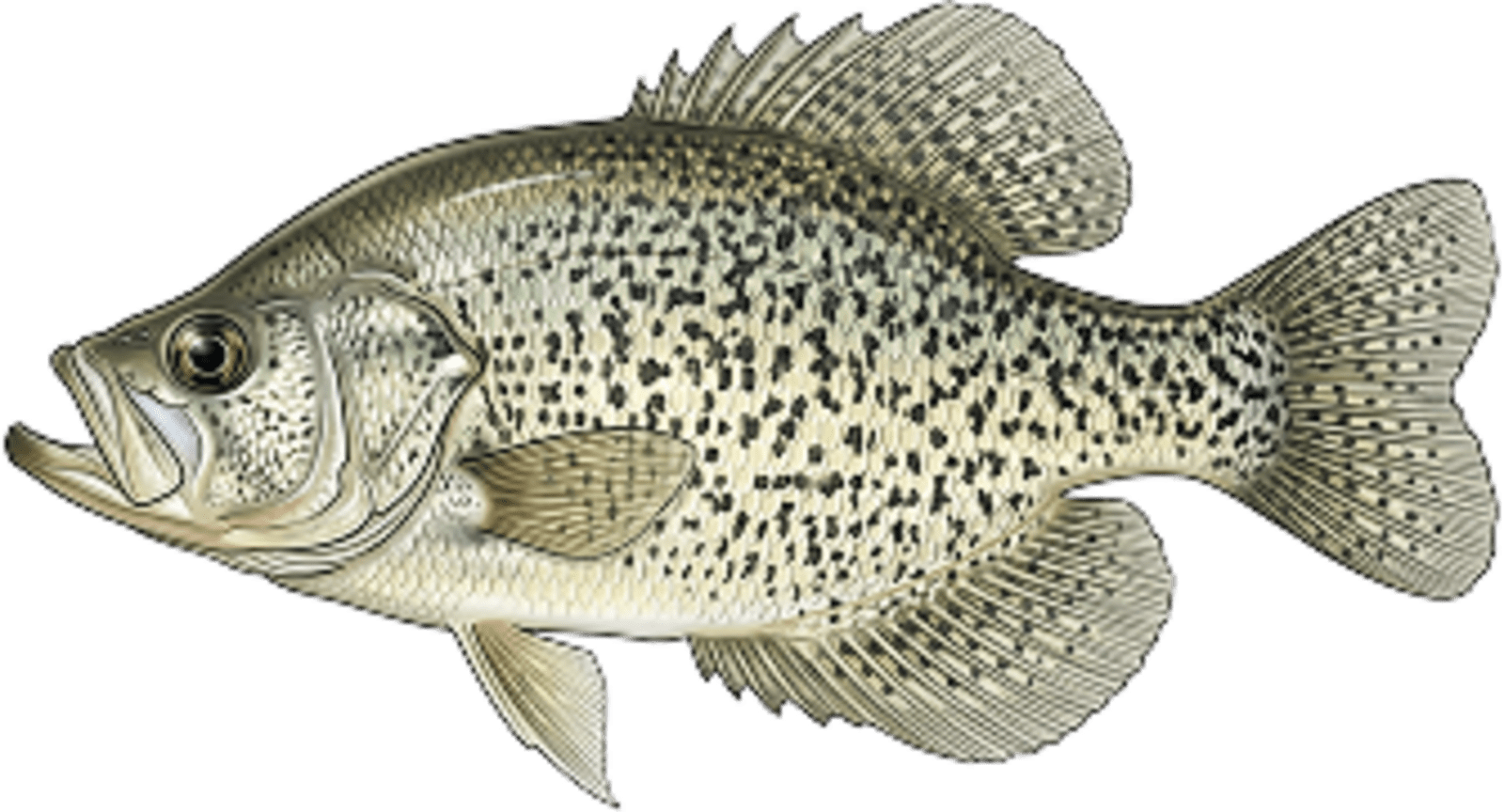
Crappie
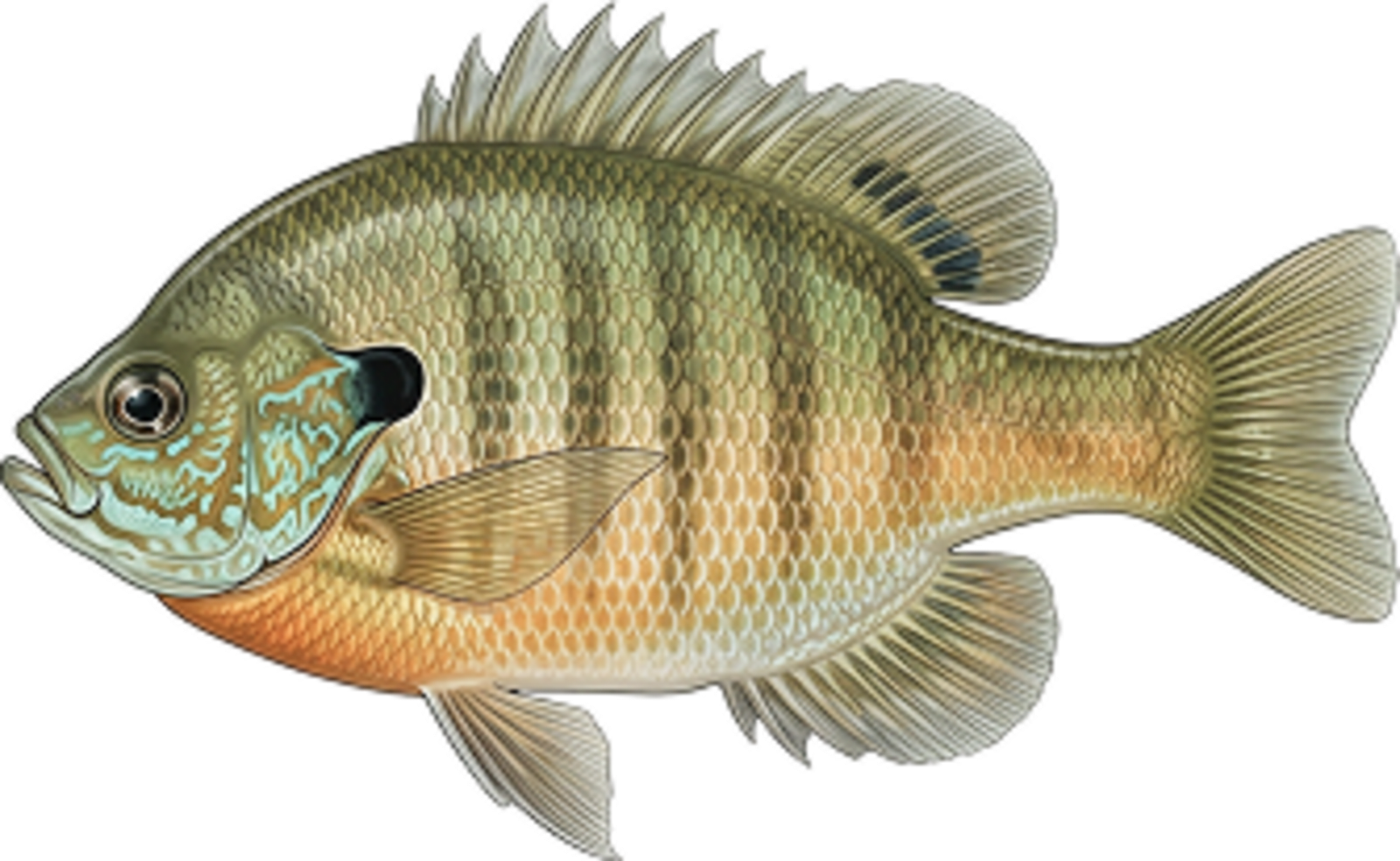
Bluegill
Overview
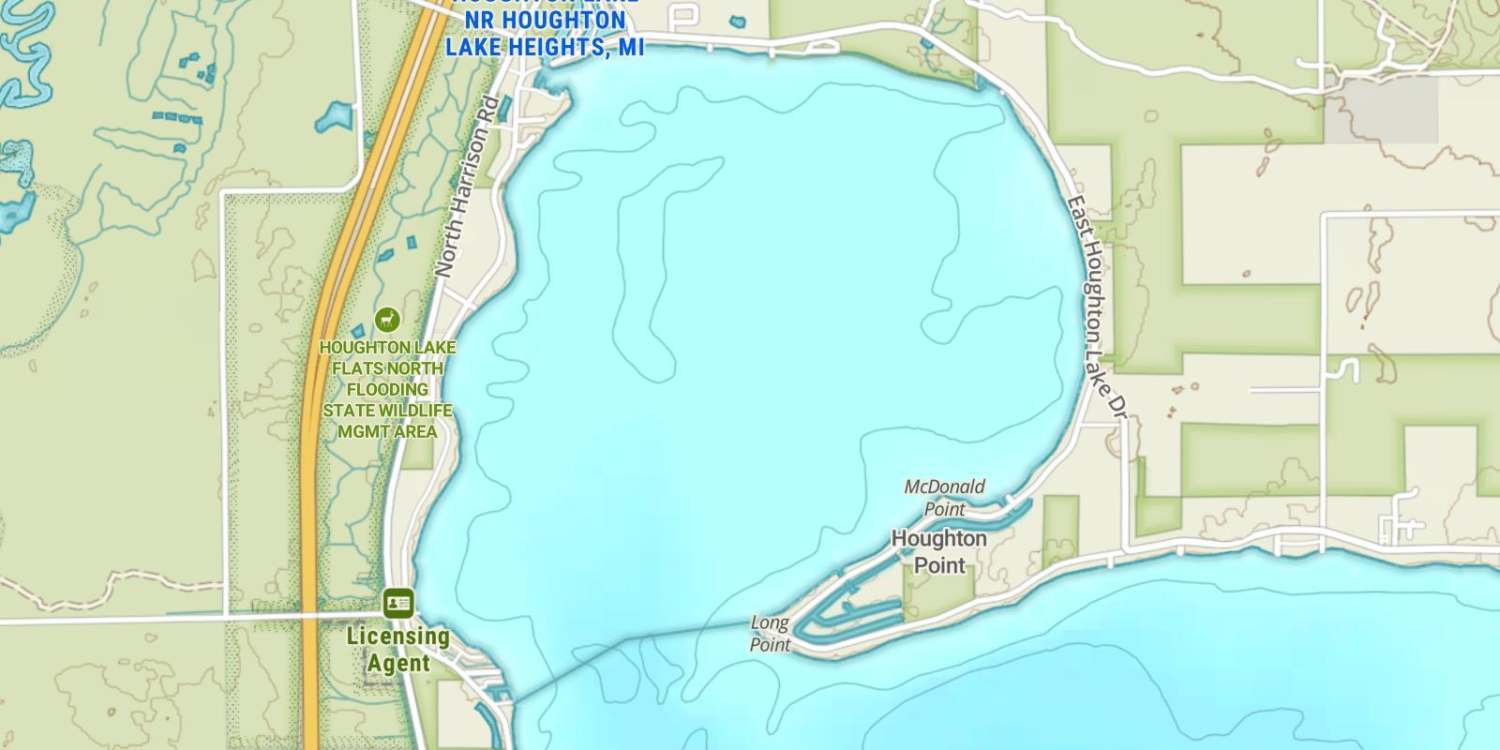
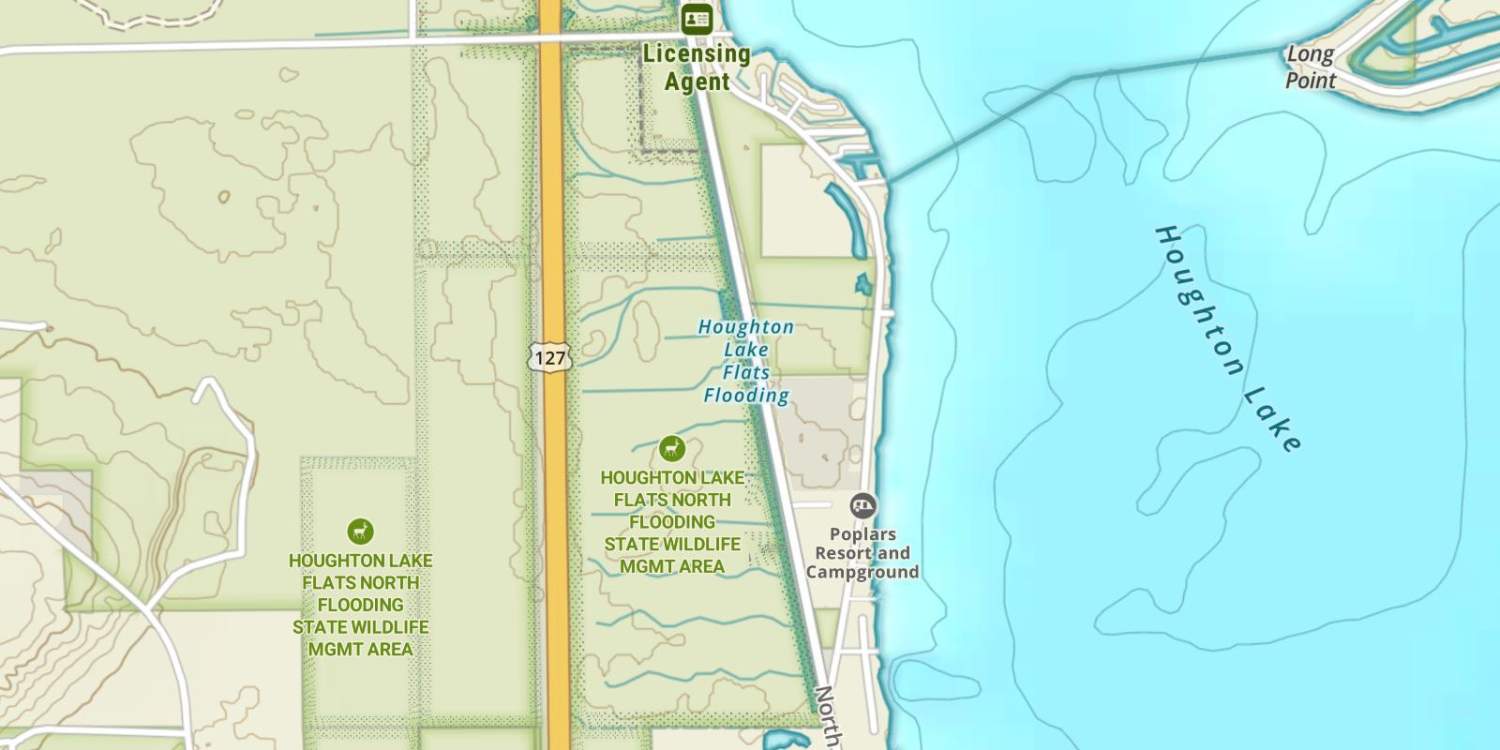
Houghton Lake Flats Flooding Map
Features
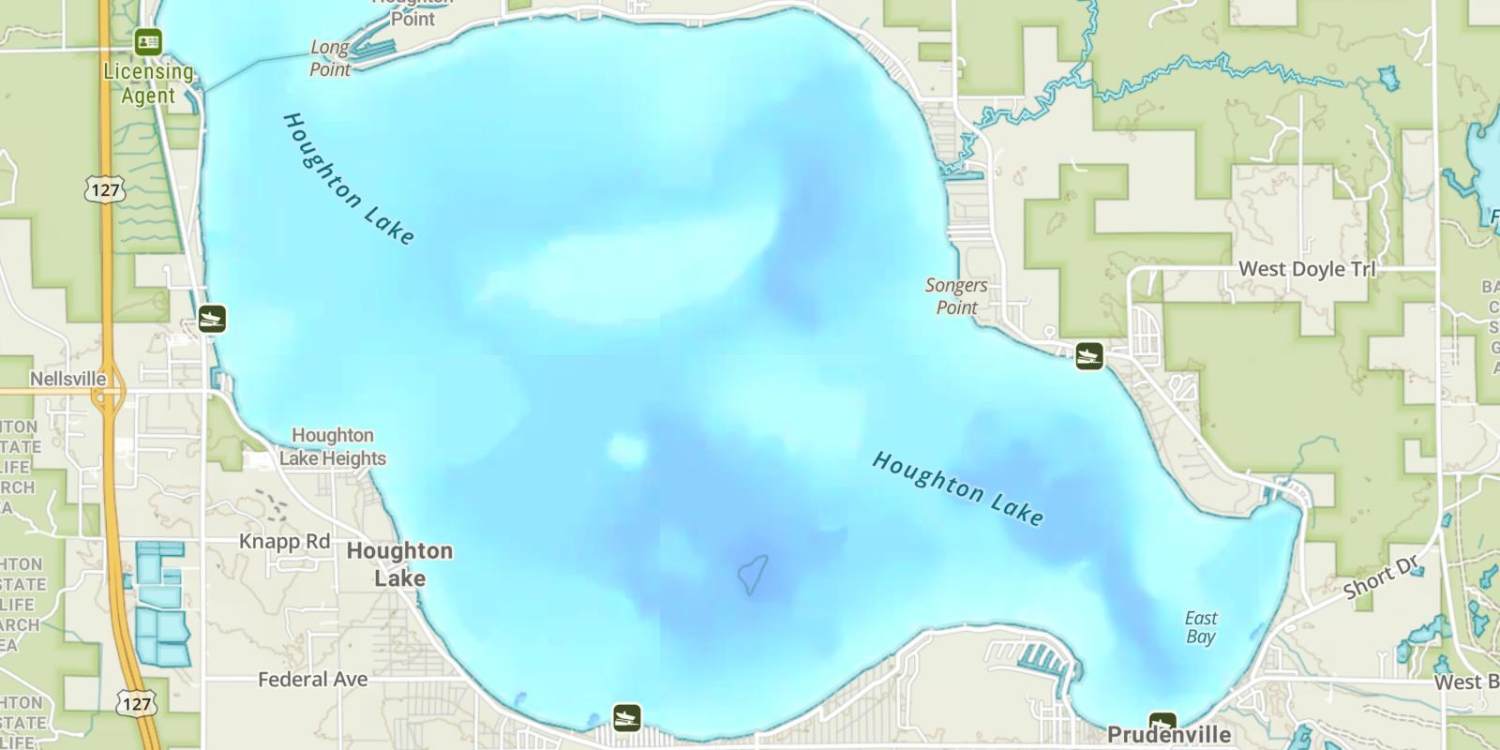
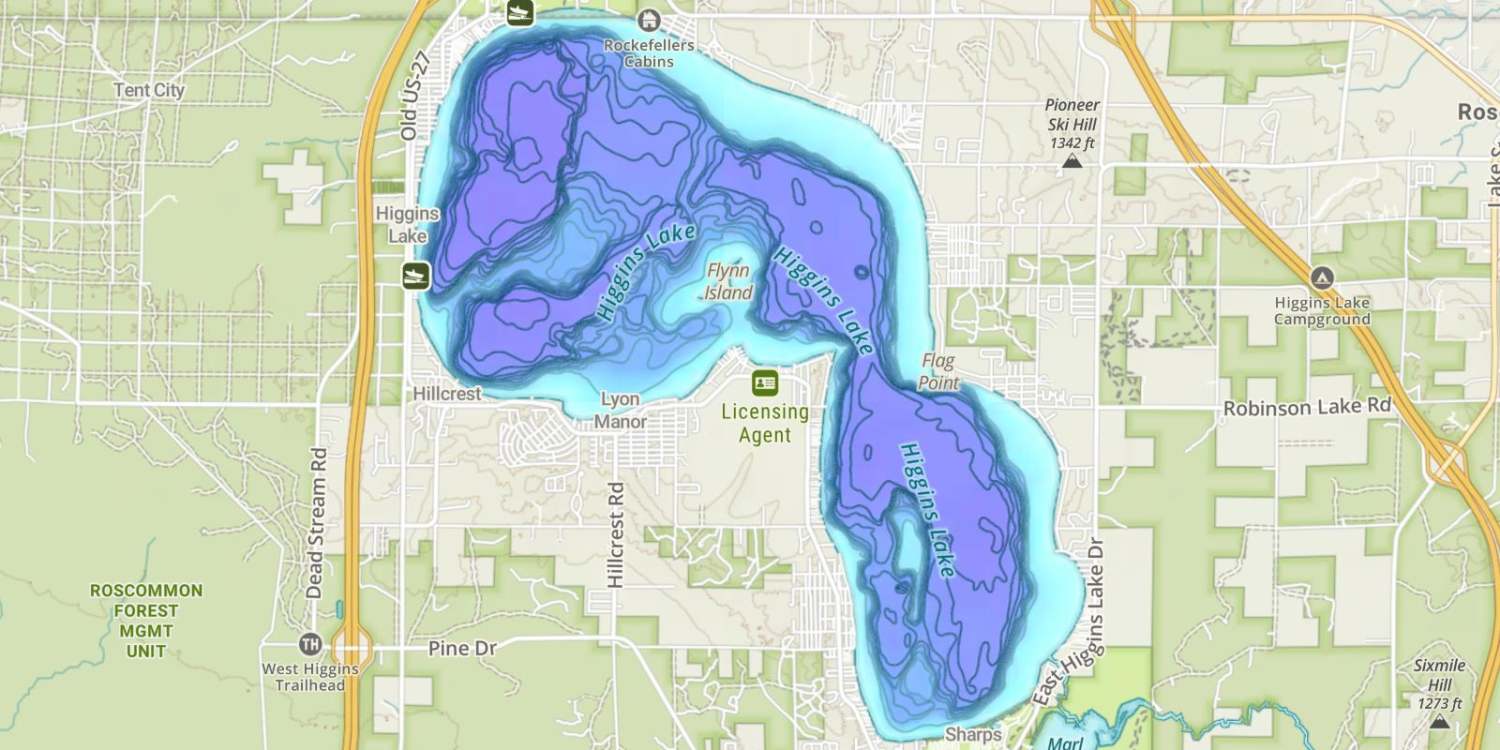
Houghton Lake is the largest lake in the state of Michigan. The lake offers a variety of attracts and accommodations for anglers and other water recreationists alike. Ice fishing is popular, and walleye, northern pike and panfish all attract attention from anglers. Many resorts offer ice house rentals and maintain plowed roads on the lake for thousands of anglers each year. The Houghton Lake Chamber of Commerce hosts a popular ice fishing festival annually. During past road constructions, sand was taken from the lake basin to provide fill. Approximately 76 depressions were formed that ranged in depth from 10 to 20 feet and 200 to 300 feet wide. Most of the holes are within 500 feet of shore. Locals refer to these depressions as “Sandsucker Holes”.
Forage
Spottail shiner, common shiner, fathead minnow and bluntnose minnow are common. Walleye and northern pike prey heavily on perch.
Seasonal Movements
There is a significant movement of spawning northern pike up The Cut and other weedy areas with muck bottom in early spring. Spawning walleye move into Denton Creek, The Cut and into a number of smaller inlets in early spring.

Get Your Line in the Right Water
Quickly find the best places to fish and plan your day right.
Top Fish Species
Crappie
No survey data
Abundance (CPUE)

Understanding Abundance
Abundance ratings are based on Catch Per Unit Effort (CPUE) measurements conducted by the MN DNR, and represent a snapshot of a species population at a given point in time
Source: Minnesota Department of Natural Resources. Survey cadence may vary by state and water body.Species Lengths