Mosquito Creek Lake

Mosquito Creek Lake

Size
7,206ac
Boat Launch
Yes
Carry-in Launch
No
Toilet
No
Boat Dock
No
Species in Mosquito Creek Lake
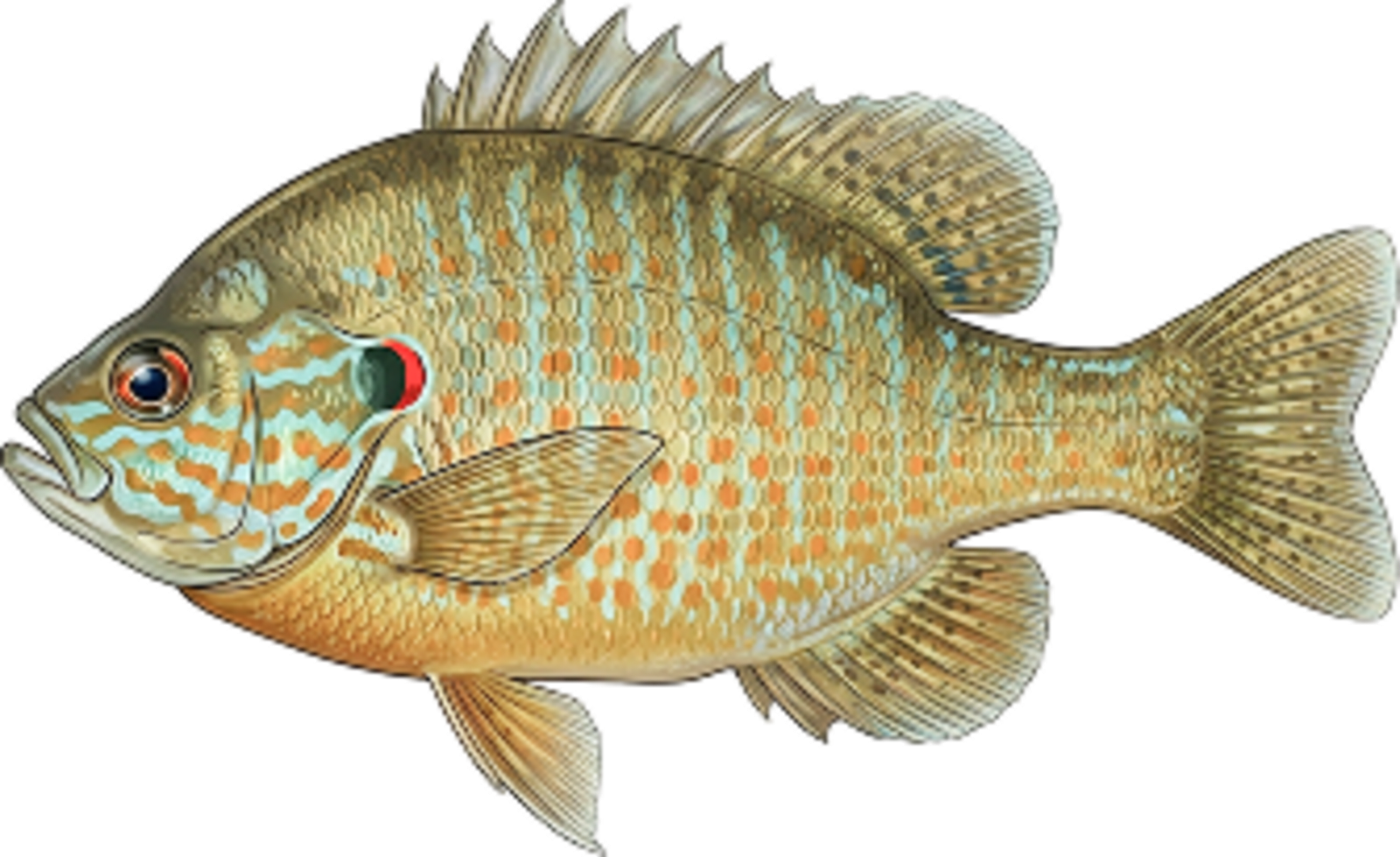
Pumpkinseed
Pumpkinseed
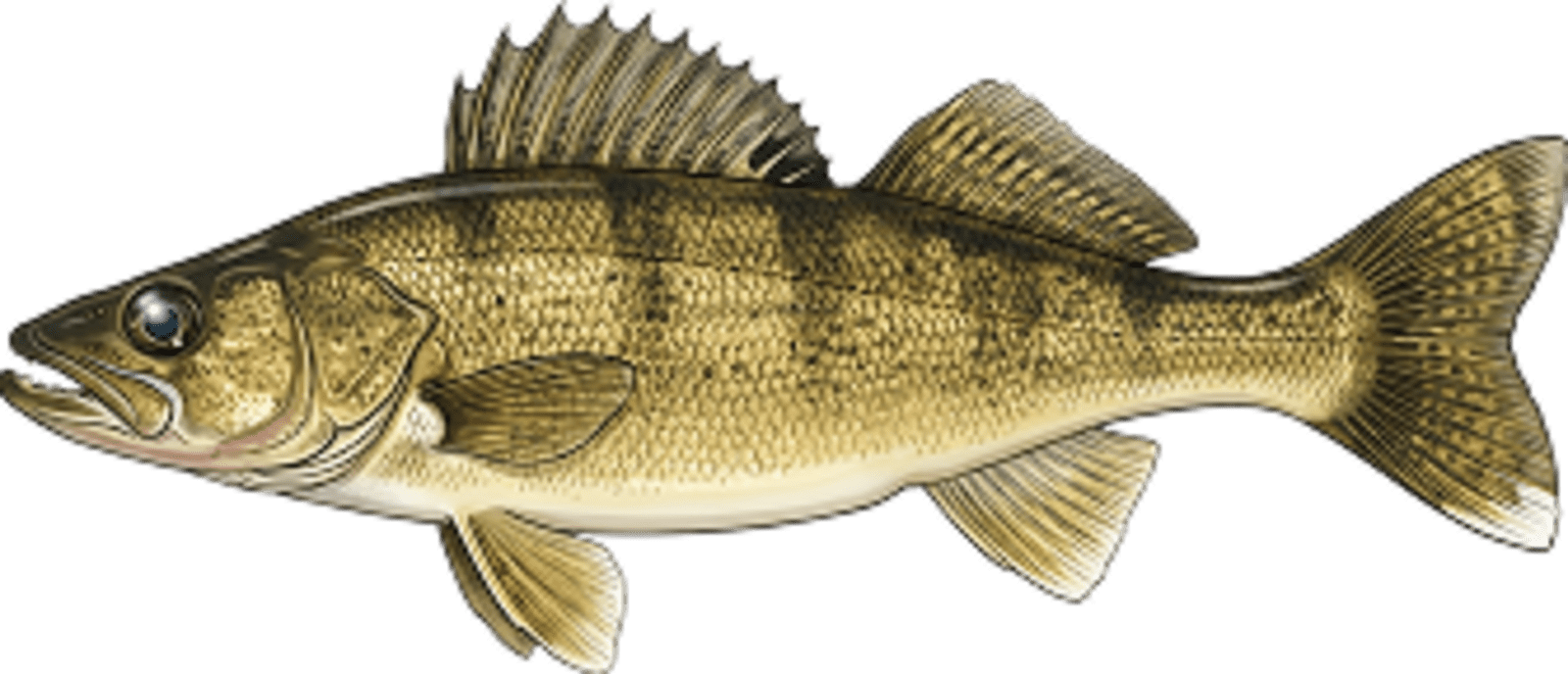
Walleye
Walleye
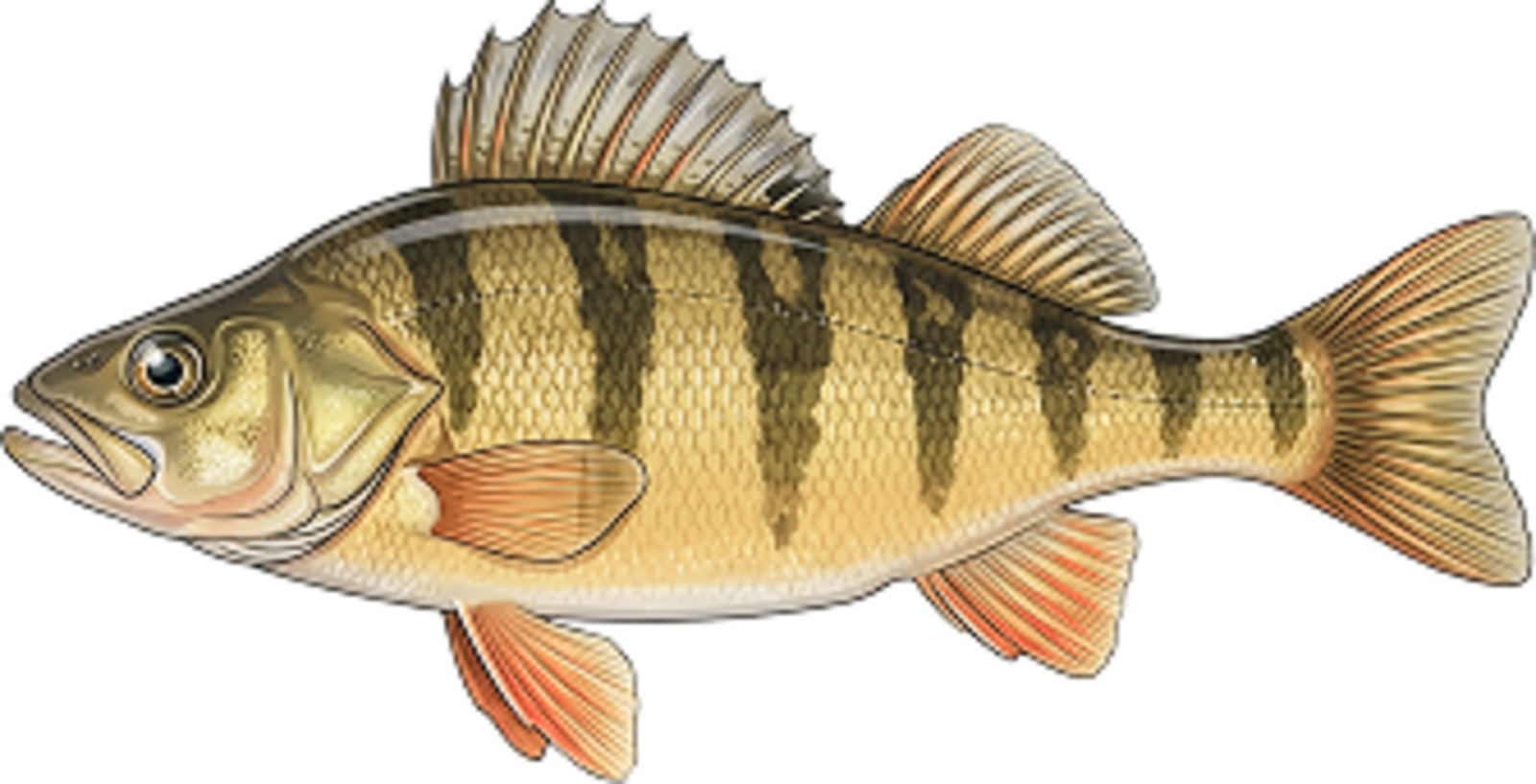
Perch
Perch
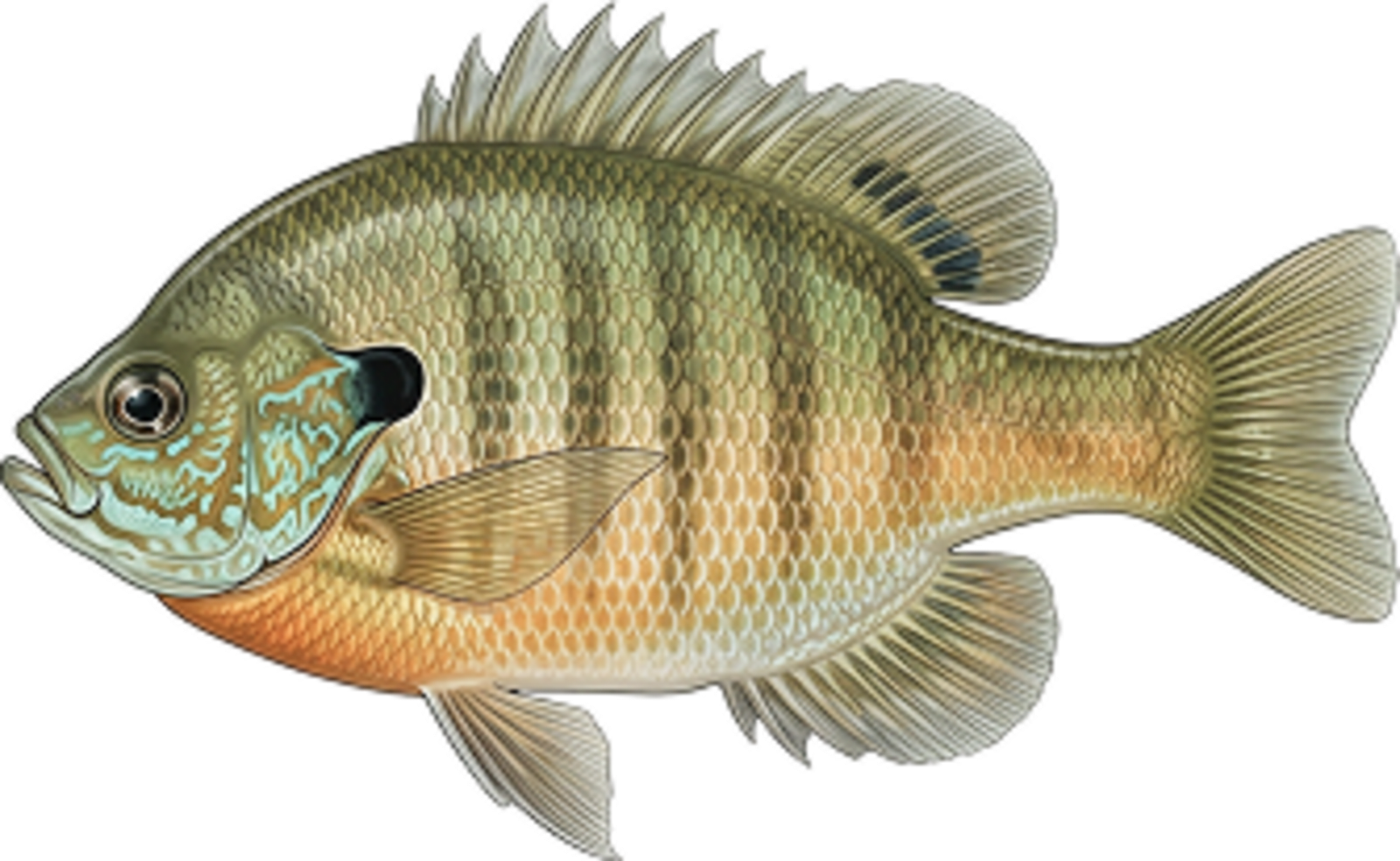
Bluegill
Bluegill
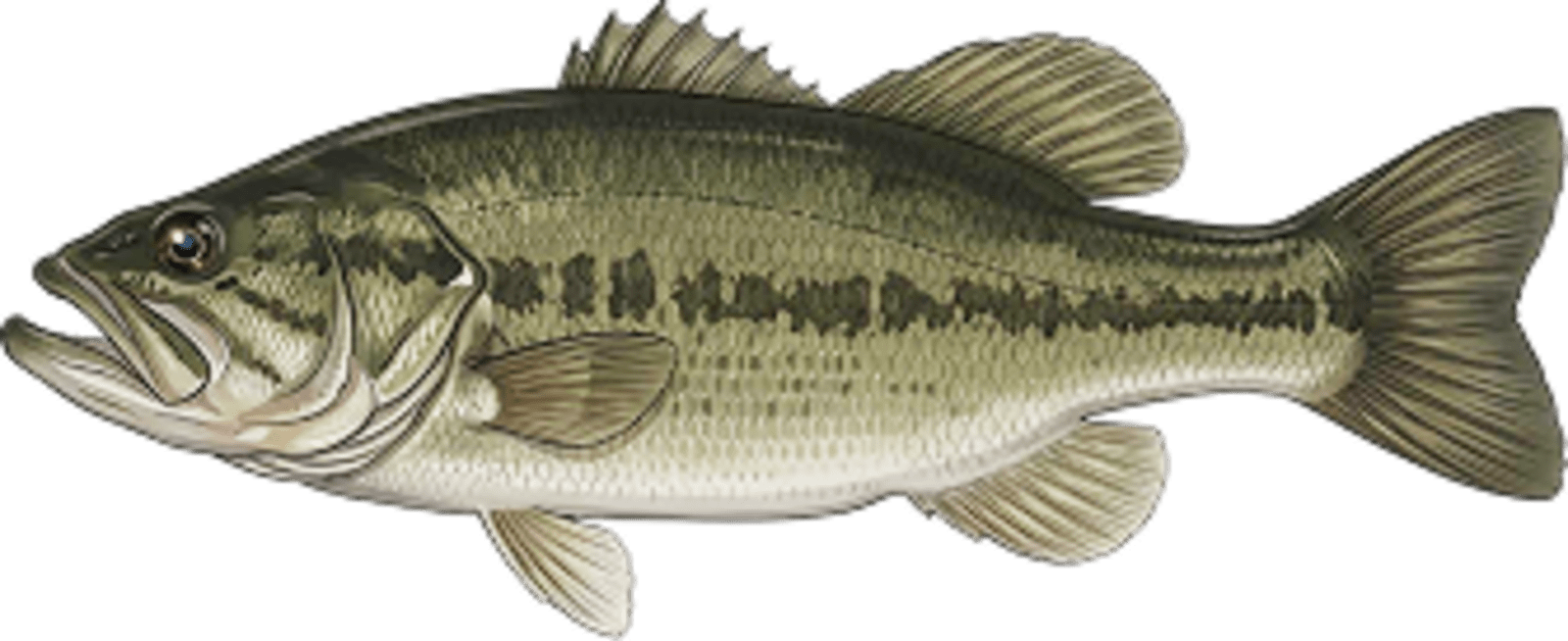
Largemouth bass
Largemouth bass
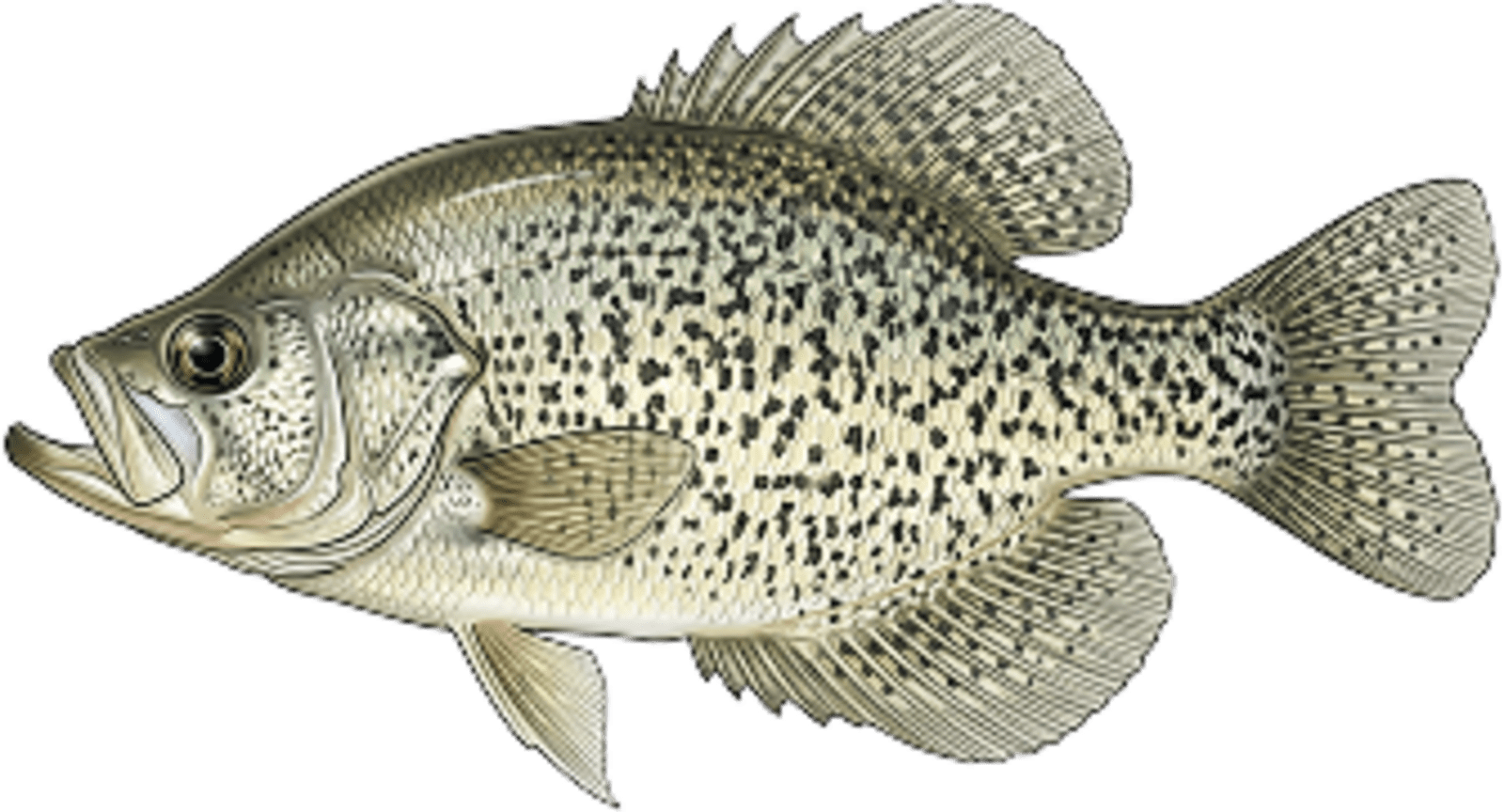
Crappie
Crappie
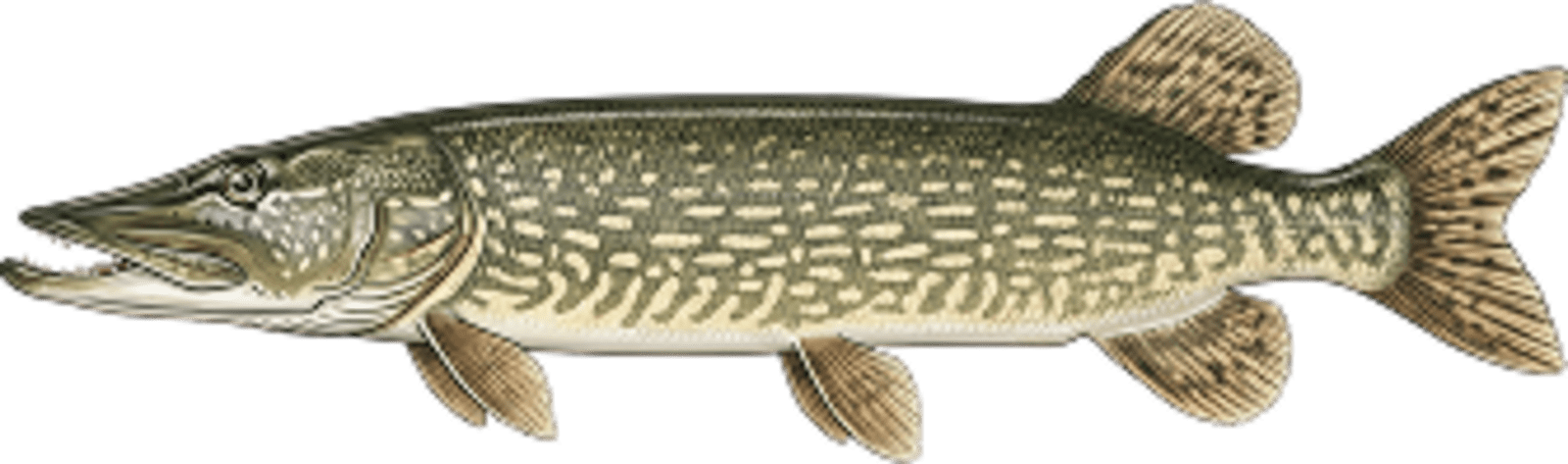
Northern pike
Northern pike
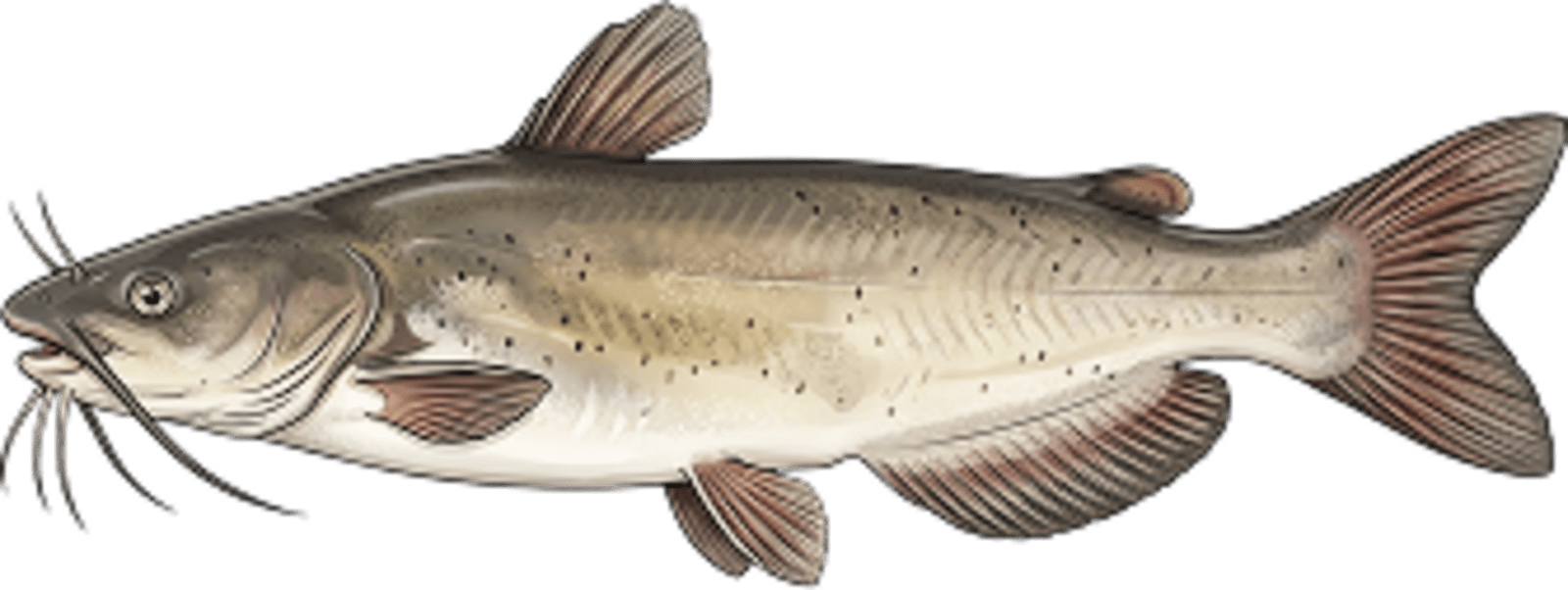
Channel catfish
Channel catfish
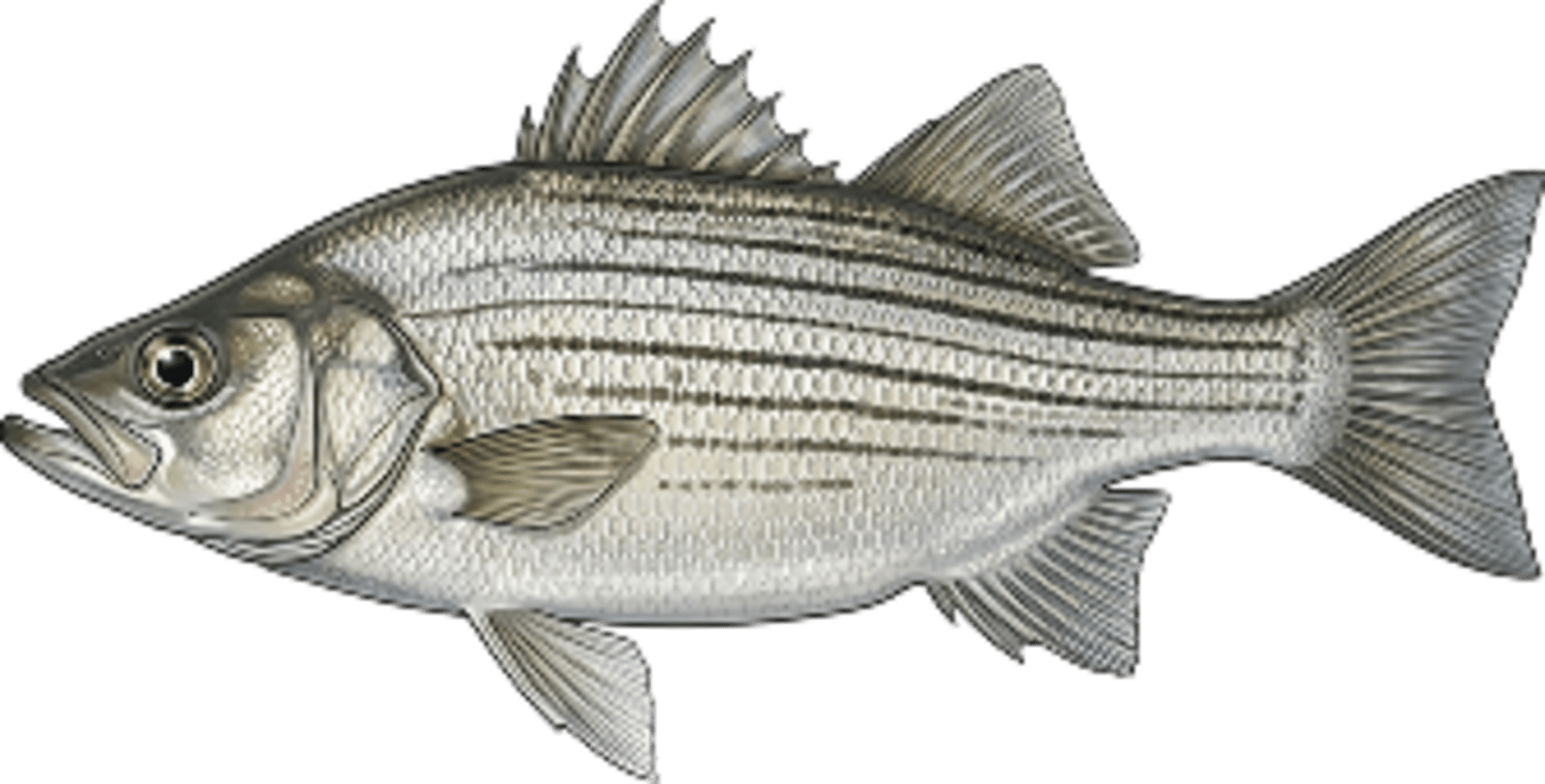
White bass
White bass

Overview

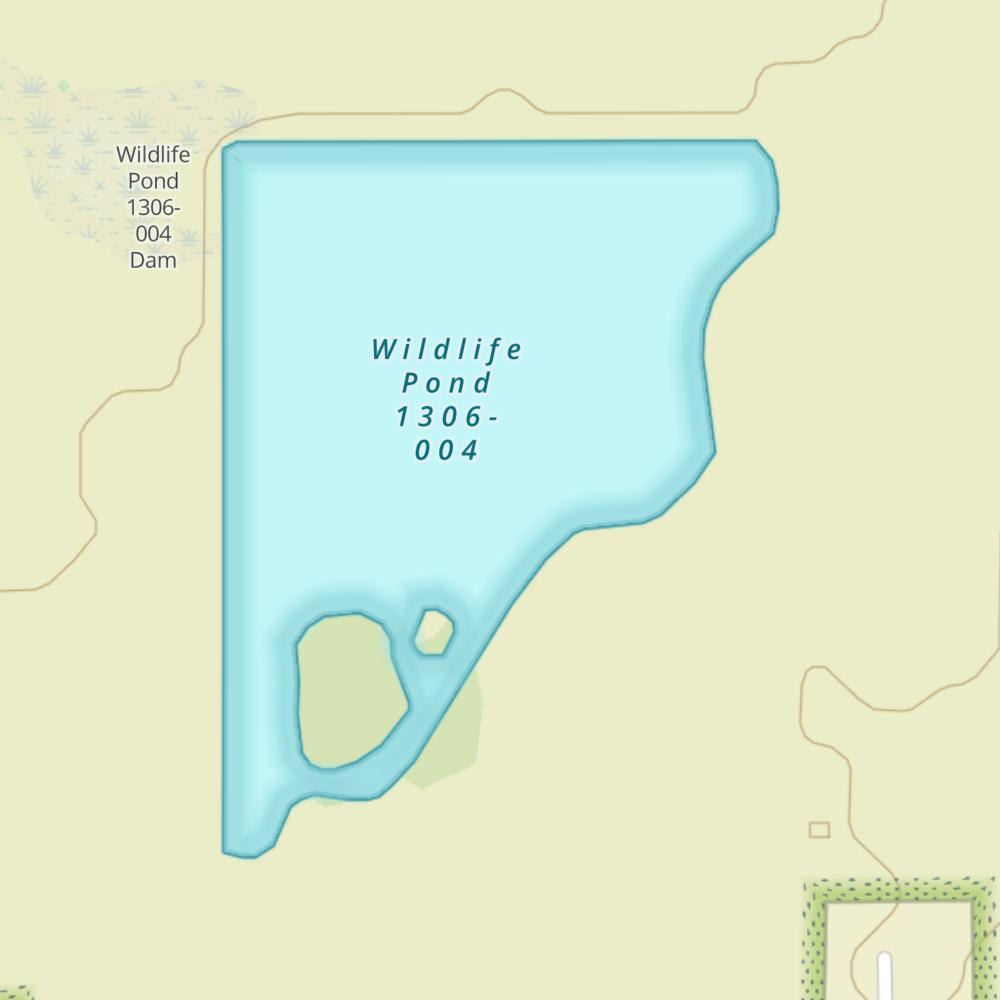
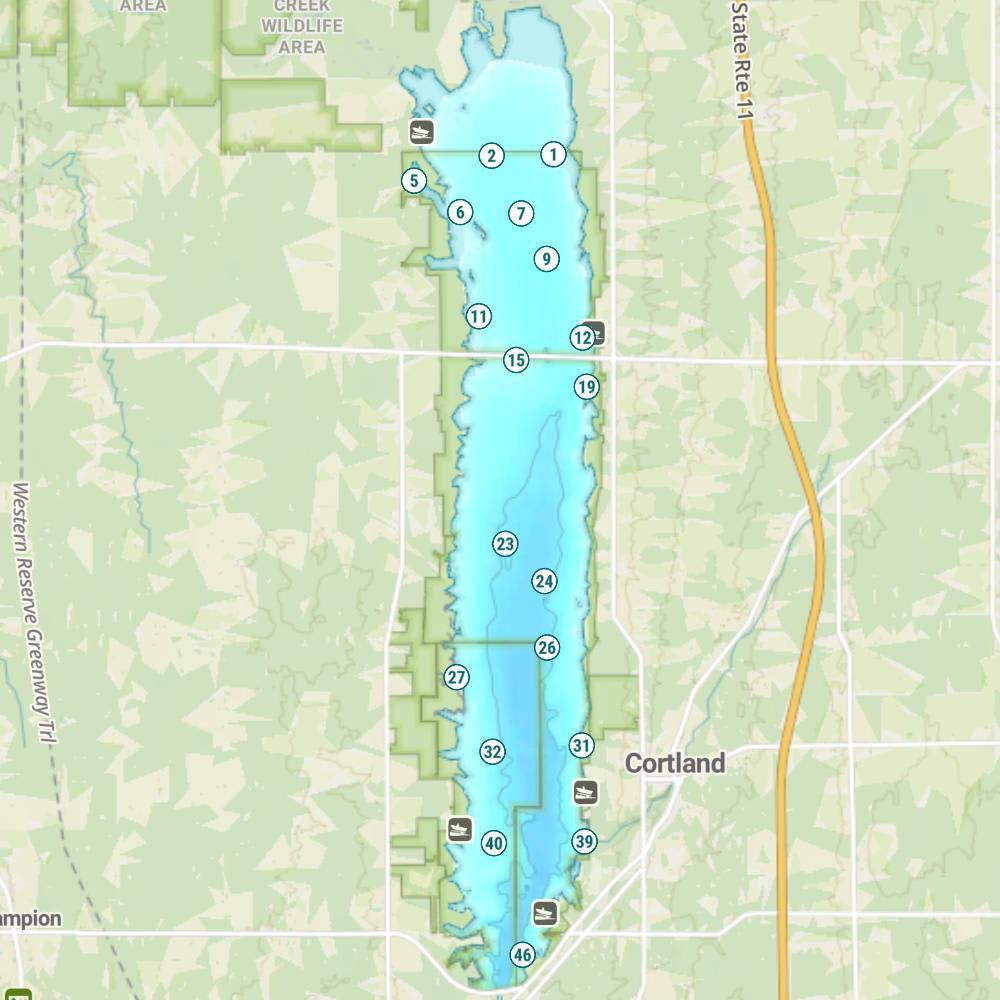
Mosquito Creek Lake Map

Fishing Regulations

Special Fishing Regulations: This lake has special fishing regulations that differ from statewide or border water regulations for those species identified below and take precedence. Regulations listed below are currently in place. Visit the fishing regulations page for links to upcoming regulations for specific lakes.

Special Waterbody Regulations

  • Trotlines may be used in Mosquito Lake north of the causeway and south of a line of buoys designating the wildlife refuge

Special Species Regulations

  • Walleye: In Mosquito Lake, for Walleye larger than 15 inches, daily limit = 6
  • Sauger: In Mosquito Lake, for Sauger larger than 15 inches, daily limit = 6
  • White Crappie: In Mosquito Lake, for White Crappie over 9 inches, daily limit = 30
  • Black Crappie: In Mosquito Lake, for Black Crappie over 9 inches, daily limit = 30
  • Saugeye: In Mosquito Lake, for Saugeye larger than 15 inches, daily limit = 6

Features

Mosquito Lake is one of the largest lakes in Ohio, and its many recreational opportunities attract both fisherman and pleasure boaters. Mosquito Lake State Park provides excellent camping and day-use facilities. The Army Corps Of Engineers completed the Mosquito Creek Dam project in 1953. The primary purpose of this reservoir is flood control and to insure an adequate domestic water supply. Because of its proximity to large populated centers, Mosquito Lake receives heavy boating pressure throughout the year. Special speed regulations are in effect. A maximum speed limit of 25 mph is posted for all waters south of the causeway. A special water skiing area is provided near the state park. Water skiing is prohibited north of the causeway and a 15 mph speed limit is enforced. A series of buoys at the far north end of the lake defines the boundary of Mosquito Lake Wildlife Area. Fishing, hunting or boating are prohibited in this area. A natural spillway is located at the upper end of the lake. When the elevation of the lake exceeds 904 feet, the lake reverses its flow. The water moves over the spillway and flows into Grand River and eventually empties into Lake Erie.

Forage

Gizzard shad is the primary forage fish for the larger predators. Spottail and common shiners are also abundant. Yellow perch, bluegill, logperch, johnny darter and bluntnose minnow also contribute to the diversity of the forage base.

Seasonal Movements

Mosquito Lake’s fish follow the typical seasonal patterns based on spawning habits.
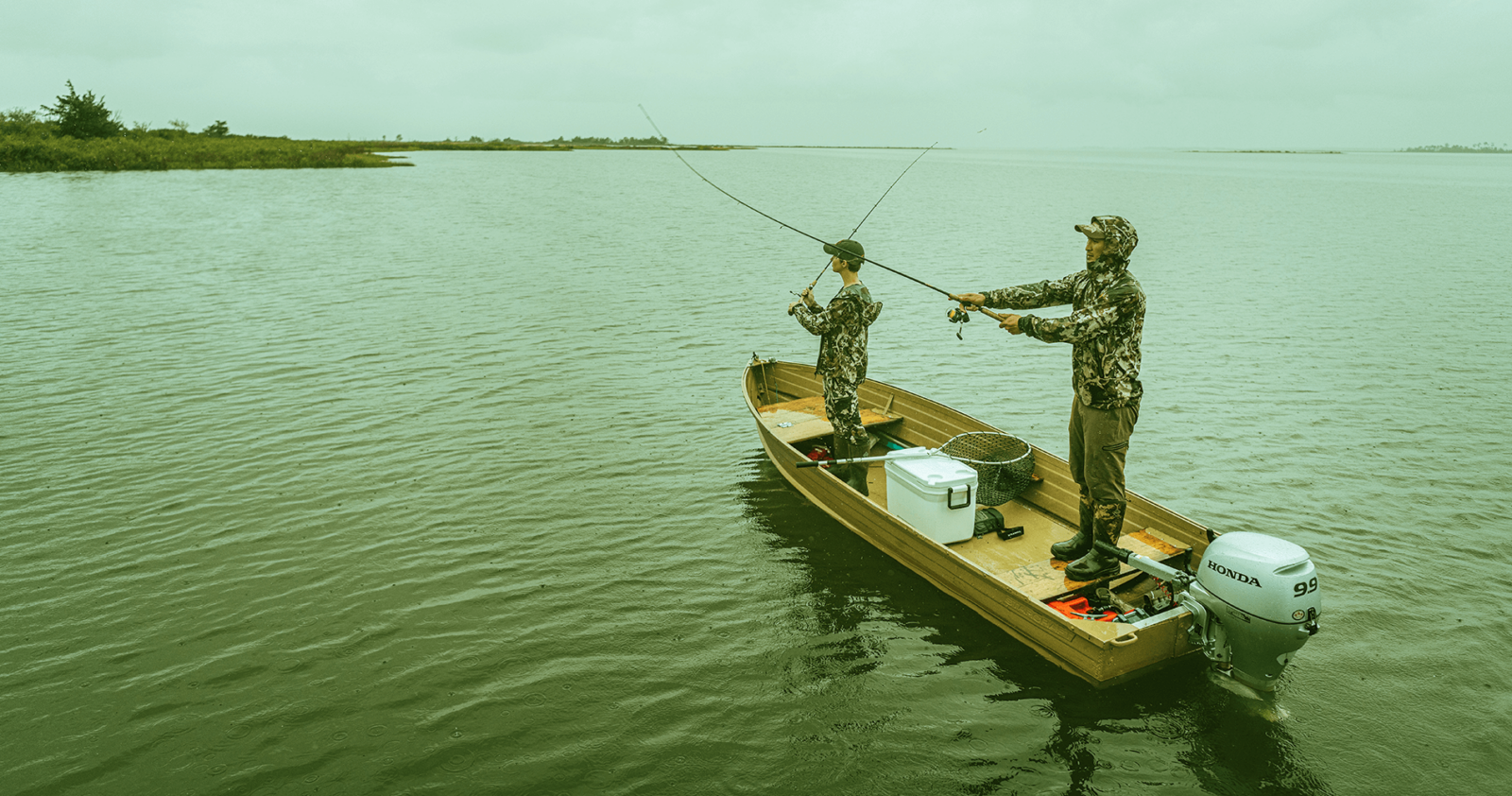
Waterbody poster background

logo

Get Your Line in the Right Water

Quickly find the best places to fish and plan your day right.

Fish Species

Bluegill
fish
3-8 in
Length Range
5 in
Length Range
2021
Surveyed
Abundance (CPUE)
Unknown
2021
Surveyed
NA
Catch Method
Understanding Abundance

Abundance ratings are based on Catch Per Unit Effort (CPUE) measurements conducted by the MN DNR, and represent a snapshot of a species population at a given point in time.

Source: Minnesota Department of Natural Resources. Survey cadence may vary by state and water body.
Species Lengths
2021
Nov
2021
Nov
Channel catfish
fish
No survey data
Abundance (CPUE)
No abundance data
Understanding Abundance

Abundance ratings are based on Catch Per Unit Effort (CPUE) measurements conducted by the MN DNR, and represent a snapshot of a species population at a given point in time.

Source: Minnesota Department of Natural Resources. Survey cadence may vary by state and water body.
Species Lengths
No Survey Data
Crappie
fish
3-8 in
Length Range
5 in
Length Range
2021
Surveyed
Abundance (CPUE)
Unknown
2021
Surveyed
NA
Catch Method
Understanding Abundance

Abundance ratings are based on Catch Per Unit Effort (CPUE) measurements conducted by the MN DNR, and represent a snapshot of a species population at a given point in time.

Source: Minnesota Department of Natural Resources. Survey cadence may vary by state and water body.
Species Lengths
2021
Nov
2021
Nov
Largemouth bass
fish
No survey data
Abundance (CPUE)
No abundance data
Understanding Abundance

Abundance ratings are based on Catch Per Unit Effort (CPUE) measurements conducted by the MN DNR, and represent a snapshot of a species population at a given point in time.

Source: Minnesota Department of Natural Resources. Survey cadence may vary by state and water body.
Species Lengths
No Survey Data
Northern pike
fish
No survey data
Abundance (CPUE)
No abundance data
Understanding Abundance

Abundance ratings are based on Catch Per Unit Effort (CPUE) measurements conducted by the MN DNR, and represent a snapshot of a species population at a given point in time.

Source: Minnesota Department of Natural Resources. Survey cadence may vary by state and water body.
Species Lengths
No Survey Data
Perch
fish
9-27 in
Length Range
20 in
Length Range
2022
Surveyed
Abundance (CPUE)
Unknown
2022
Surveyed
NA
Catch Method
Understanding Abundance

Abundance ratings are based on Catch Per Unit Effort (CPUE) measurements conducted by the MN DNR, and represent a snapshot of a species population at a given point in time.

Source: Minnesota Department of Natural Resources. Survey cadence may vary by state and water body.
Species Lengths
2022
Nov
2022
Nov
Pumpkinseed
fish
3-8 in
Length Range
5 in
Length Range
2021
Surveyed
Abundance (CPUE)
Unknown
2021
Surveyed
NA
Catch Method
Understanding Abundance

Abundance ratings are based on Catch Per Unit Effort (CPUE) measurements conducted by the MN DNR, and represent a snapshot of a species population at a given point in time.

Source: Minnesota Department of Natural Resources. Survey cadence may vary by state and water body.
Species Lengths
2021
Nov
2021
Nov
Walleye
fish
9-27 in
Length Range
20 in
Length Range
2022
Surveyed
Abundance (CPUE)
Unknown
2022
Surveyed
NA
Catch Method
Understanding Abundance

Abundance ratings are based on Catch Per Unit Effort (CPUE) measurements conducted by the MN DNR, and represent a snapshot of a species population at a given point in time.

Source: Minnesota Department of Natural Resources. Survey cadence may vary by state and water body.
Species Lengths
2022
Nov
2022
Nov
White bass
fish
No survey data
Abundance (CPUE)
No abundance data
Understanding Abundance

Abundance ratings are based on Catch Per Unit Effort (CPUE) measurements conducted by the MN DNR, and represent a snapshot of a species population at a given point in time.

Source: Minnesota Department of Natural Resources. Survey cadence may vary by state and water body.
Species Lengths
No Survey Data