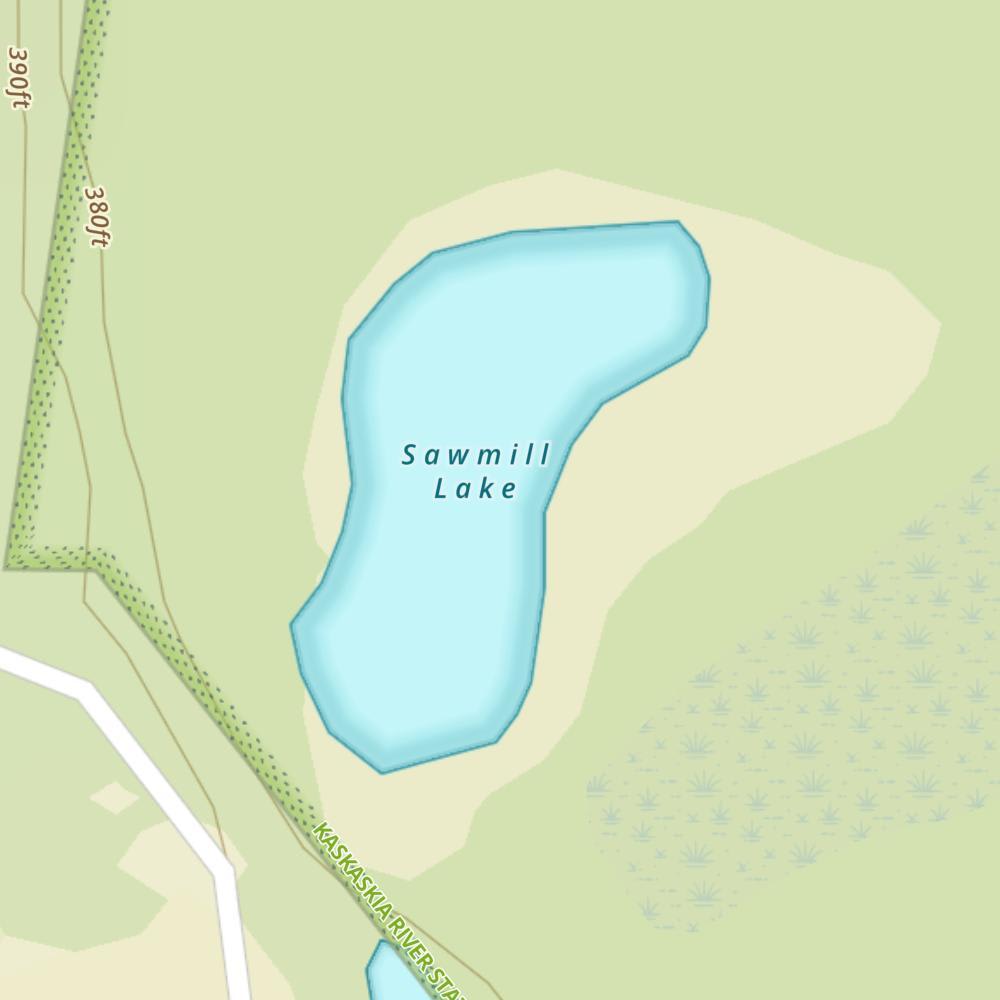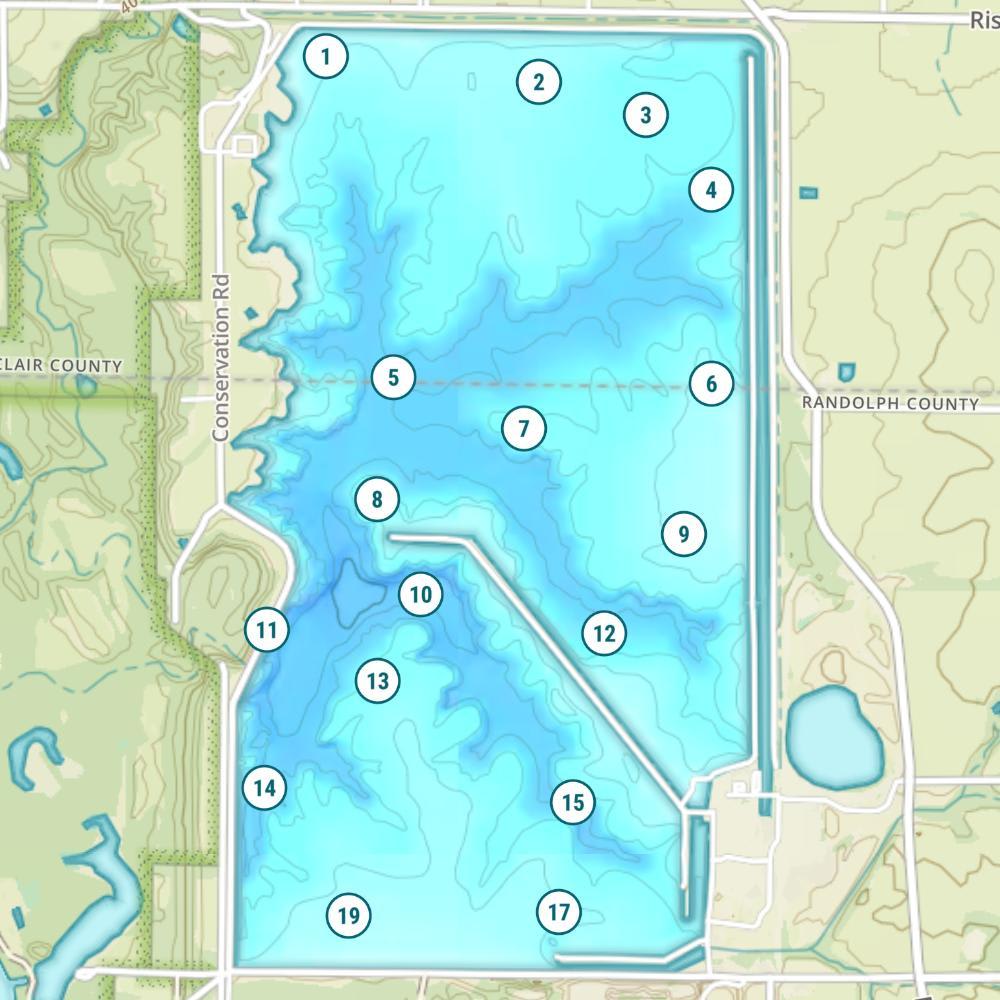
Baldwin Lake

Baldwin Lake

Size
1,876ac
Boat Launch
Yes
Carry-in Launch
No
Toilet
No
Boat Dock
No
Species in Baldwin Lake
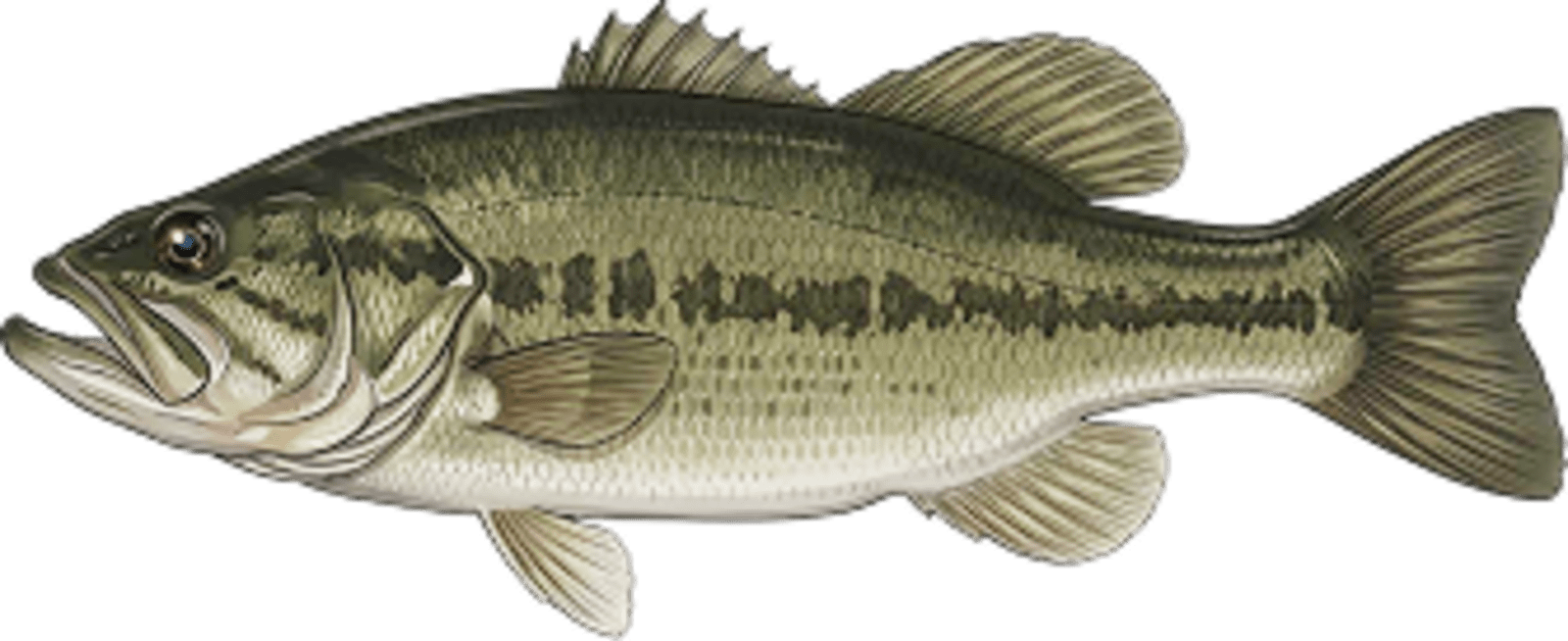
Largemouth bass
Largemouth bass
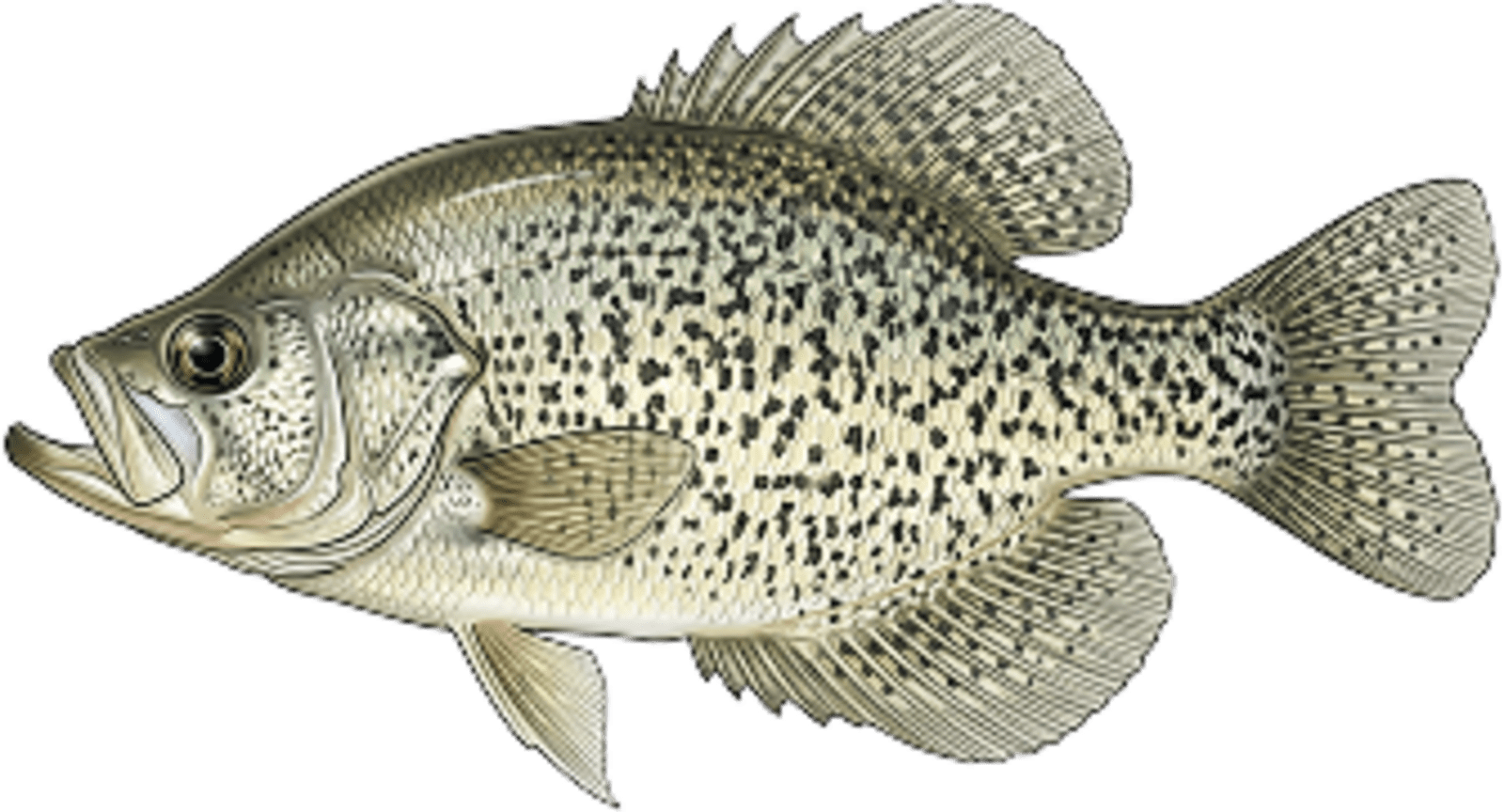
Crappie
Crappie
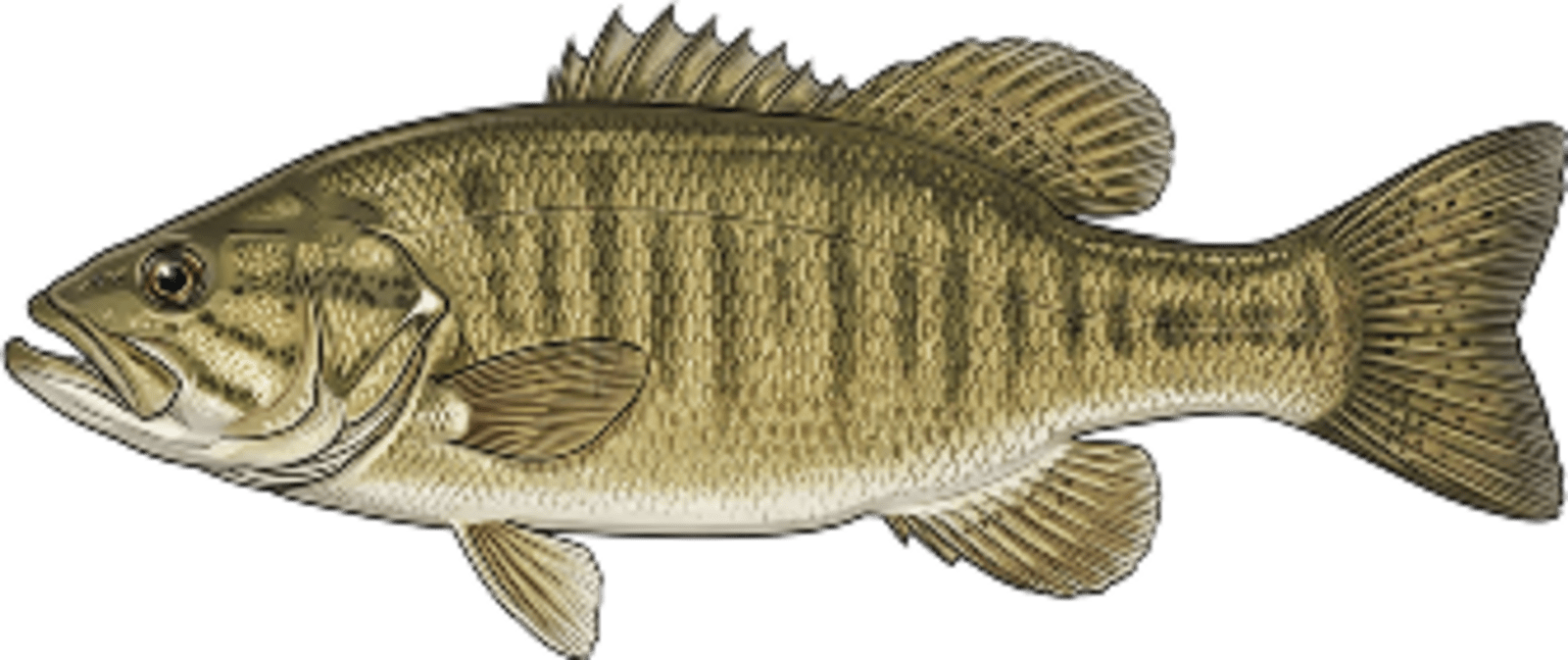
Smallmouth bass
Smallmouth bass
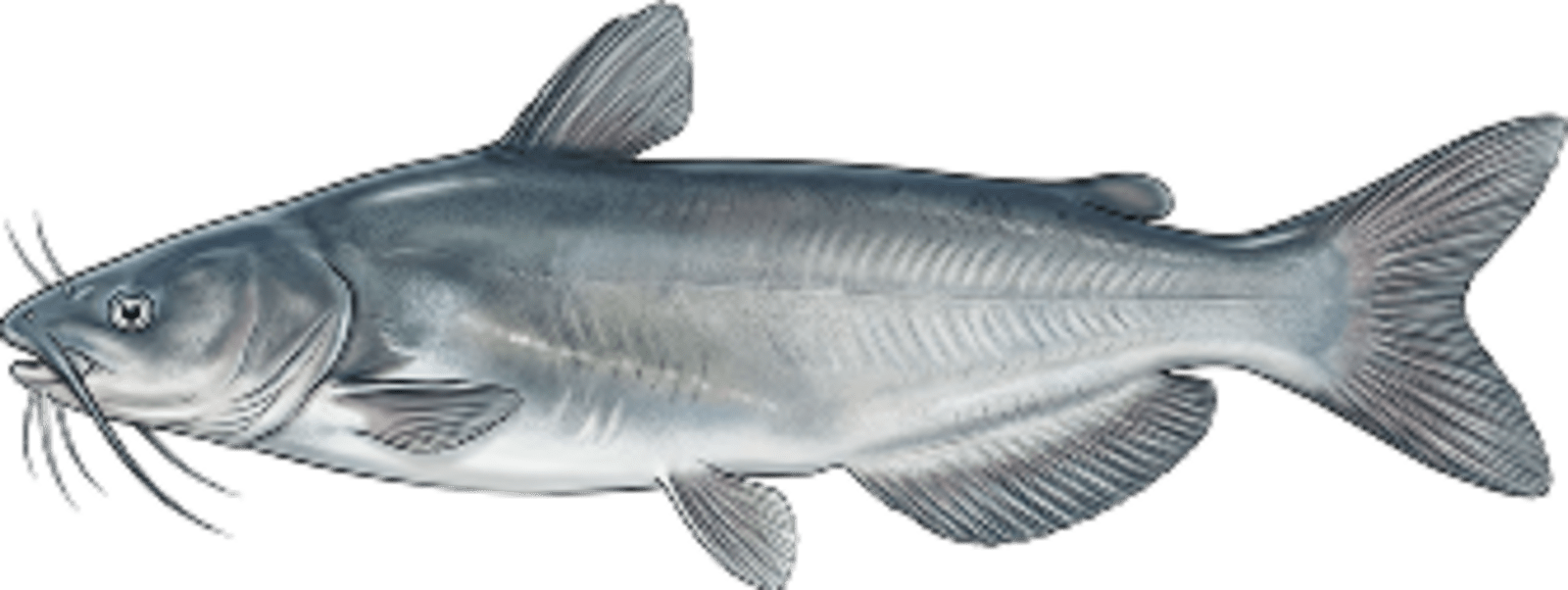
Blue catfish
Blue catfish
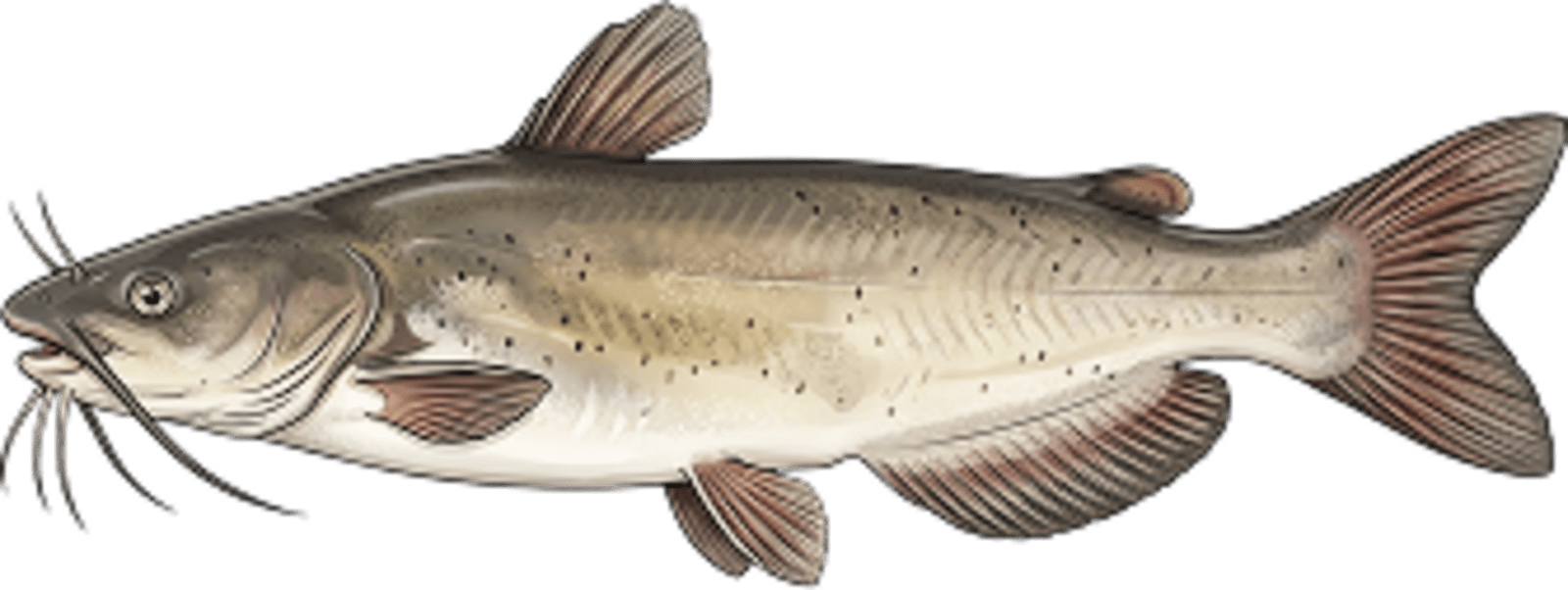
Channel catfish
Channel catfish
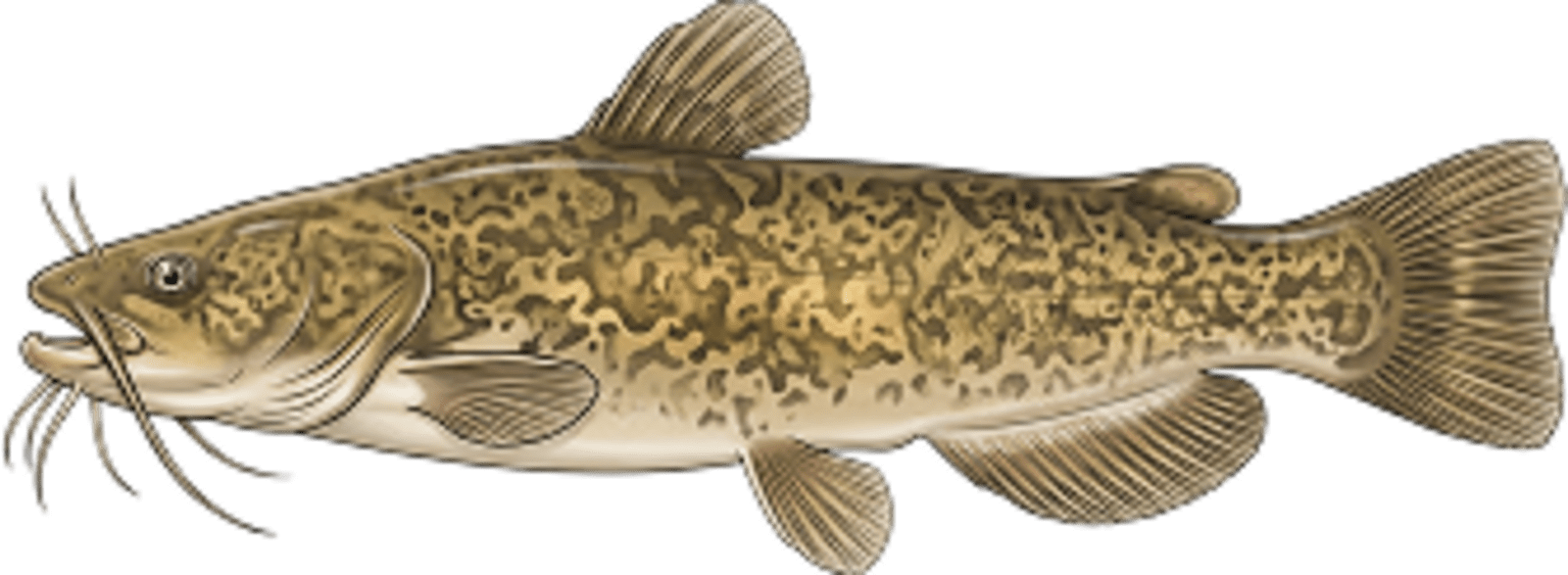
Flathead catfish
Flathead catfish
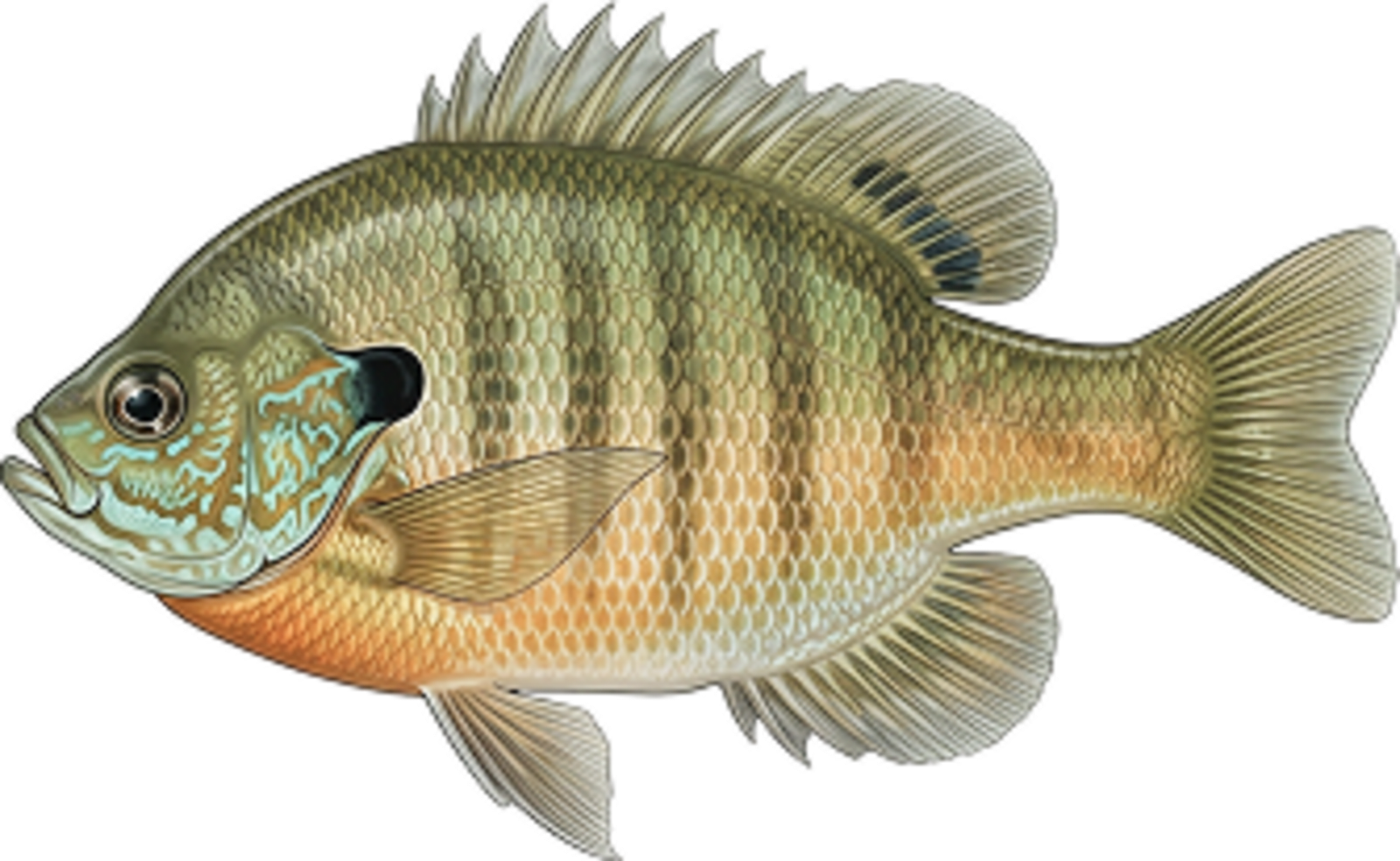
Bluegill
Bluegill
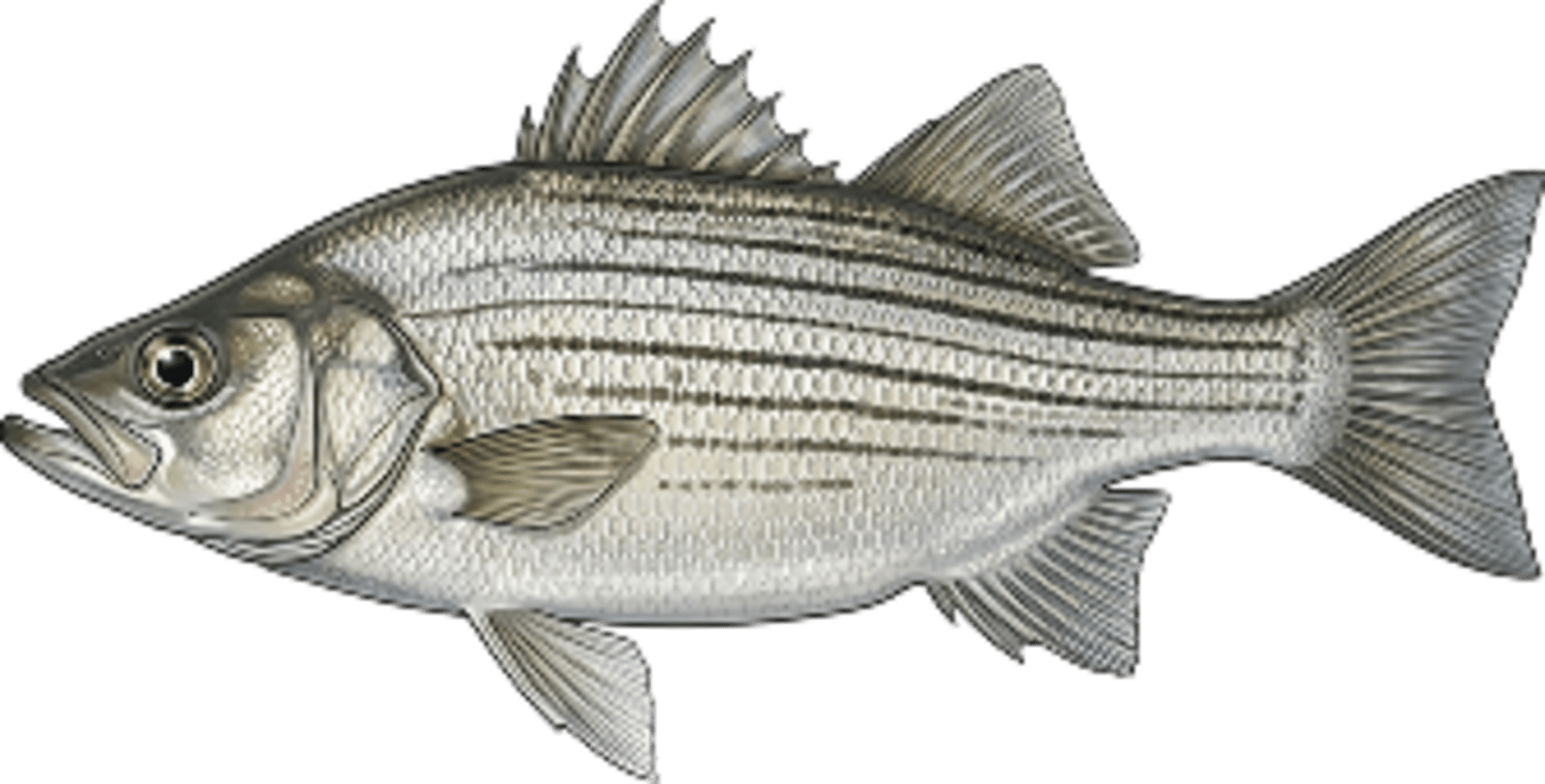
White bass
White bass
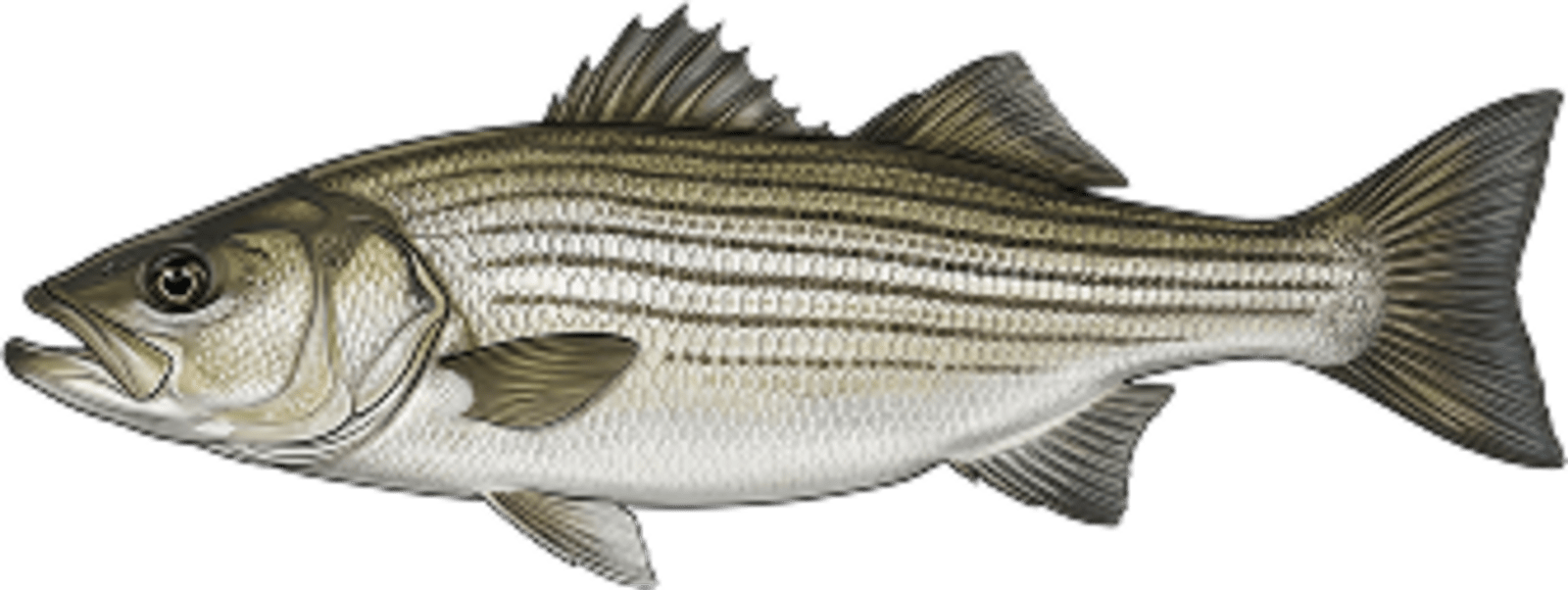
Striped Bass
Striped Bass

Overview

The warm water of this power plant cooling lake supports a quality fishery. Largemouth, channel cats and bluegill featured. Open-water angling year-round. 2,018 acres

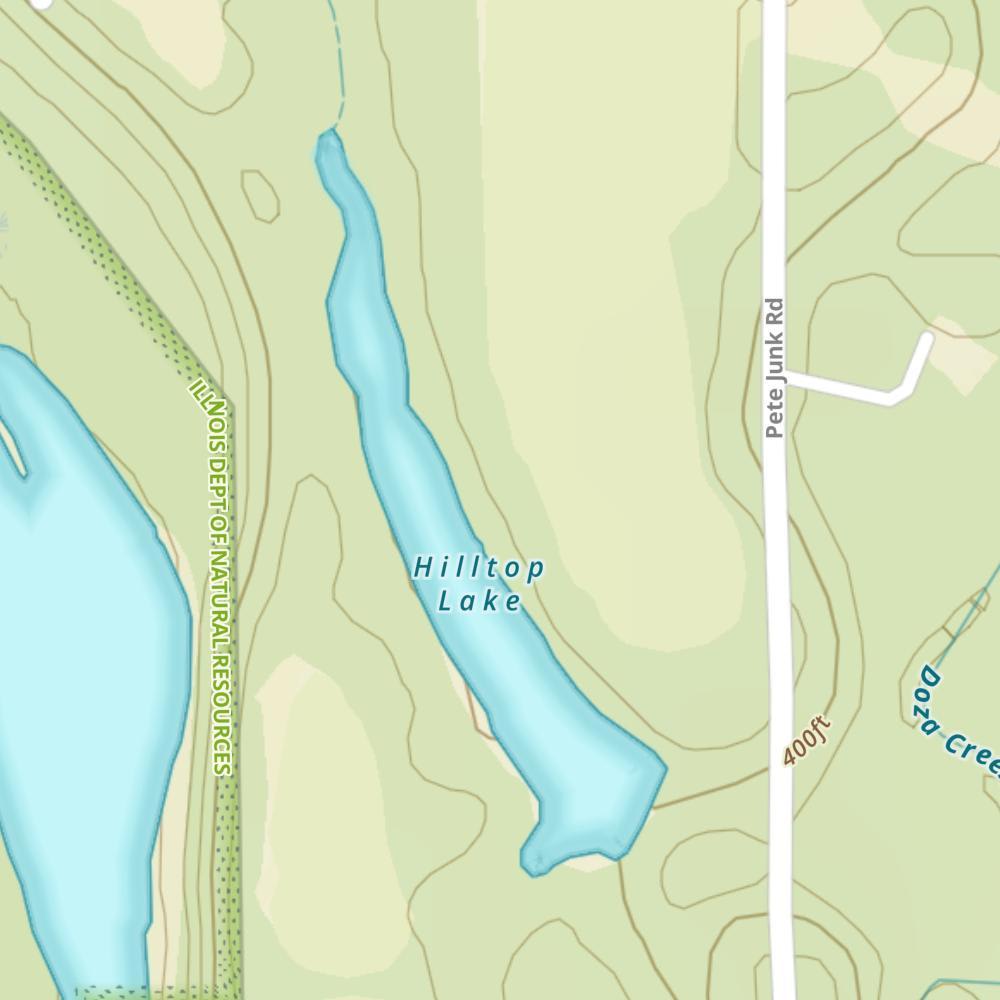
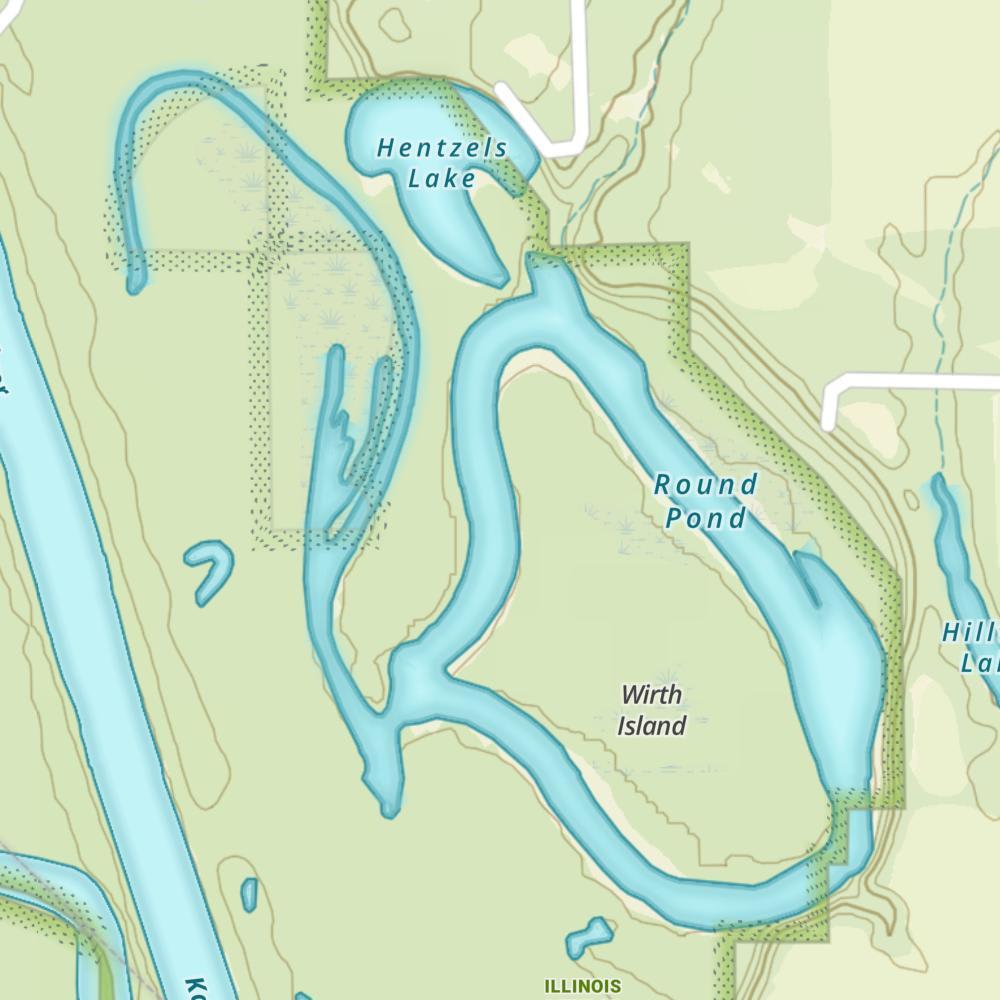
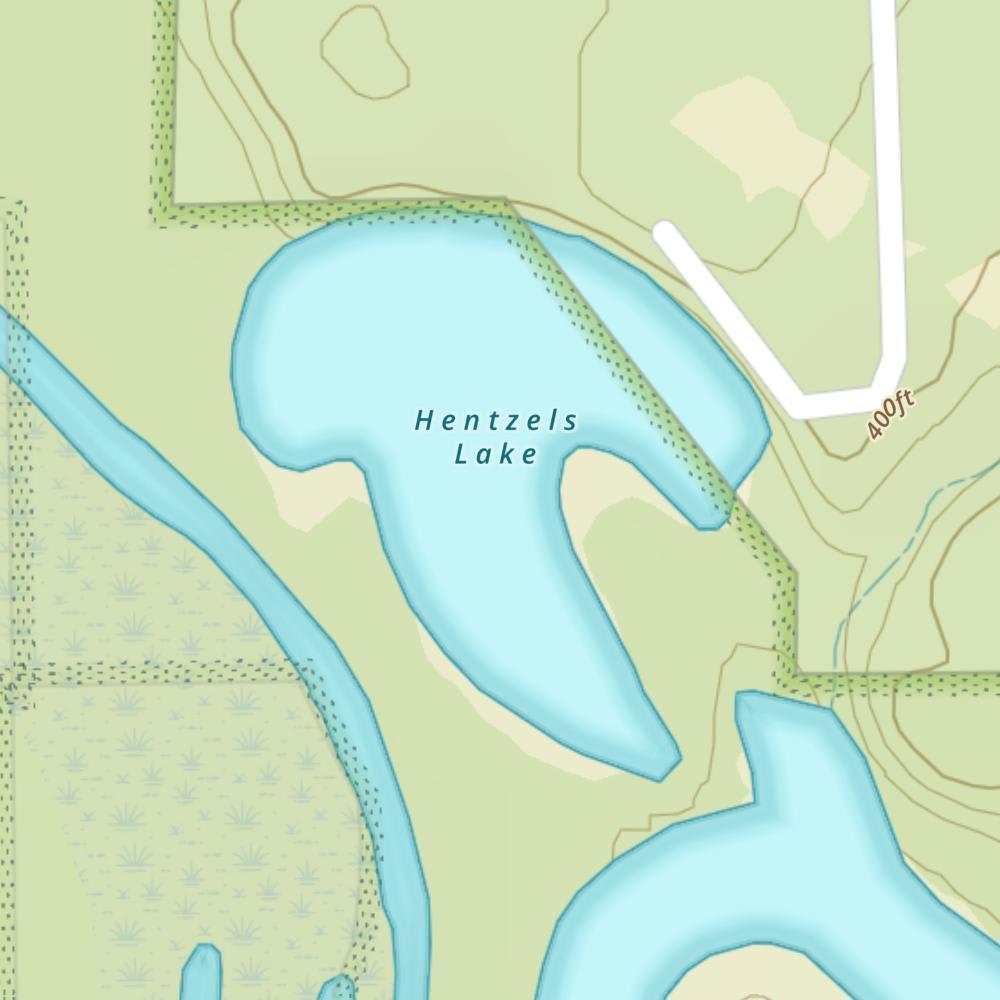
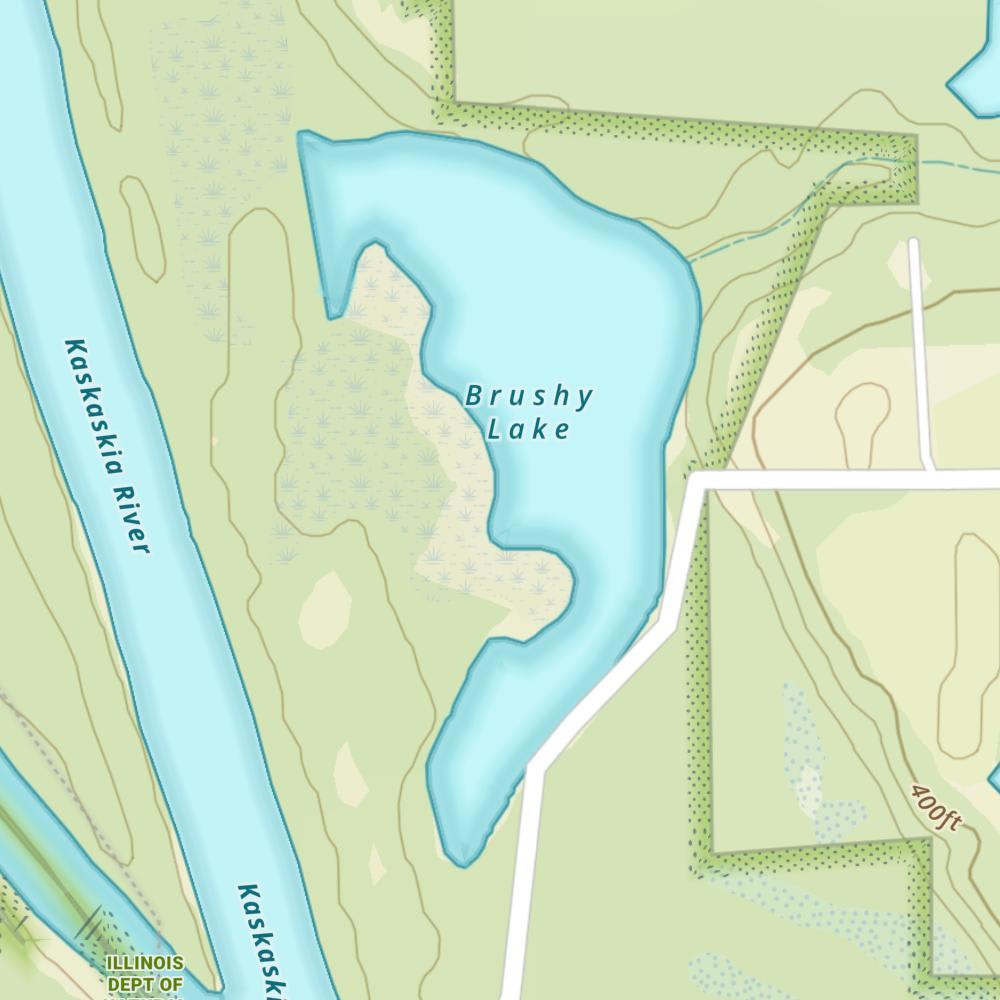
Baldwin Lake Map

Features

Baldwin Lake was constructed in 1969 by Illinois Power Company and is leased to the Illinois Department of Conservation for public recreation. The lake is managed as part of the Kaskaskia River State Fish and Wildlife Area. Used to cool a coal-fired power plant, lake water may exceed 90 degrees during summer and 60 degrees in winter. Open water angling is a year-round feature. Fishing hours for the lake vary. From Jan. 1 to Feb. 15, the hours are 8 a.m. to 4 p.m. Then from Feb. 16 to April 15, the lake can be fished between 6a.m. and 7 p.m. Starting on April 16, the hours are 6 a.m. to 9 p.m. daily until the fall waterfowl season. Then fishing is from 8 a.m. to 4 p.m. until the end of the year. Baldwin has a maximum limit of 50 h.p. for outboard motors. In addition, there is an 18-inch minimum size limit on largemouth bass, and hybrid striped bass must be at least 17 inches long. Check length and creel limits at the lake for additional regulations. Sailing, swimming and waterskiing are prohibited on Baldwin Lake. There are also restricted areas on the lake and shore. The lake can get quite rough on windy days, and safety is urged. The lake and adjoining lands provide annual refuge for nearly 10,000 geese and 50,000 ducks. About 200 pairs of giant Canada geese nest on the levees in spring. Waterfowl viewing is a popular activity along a special waterfowl refuge drive. Wild turkeys, deer and other wildlife can also be observed.

Forage

Threadfin shad and inland silversides are the most abundant usable forage. Gizzard shad are available but quickly grow beyond forage size. Young-of-the-year panfish are utilized heavily. Some insects, such as midges, are also present.

Seasonal Movements

Most species tend to move around the lake based on changing water temperatures. During winter, many bass, bluegill and striped bass move to warm water areas near the north levee or the hot water bridge. In spring, the trend reverses as fish move to more constant temperature zones on the south end of the lake.
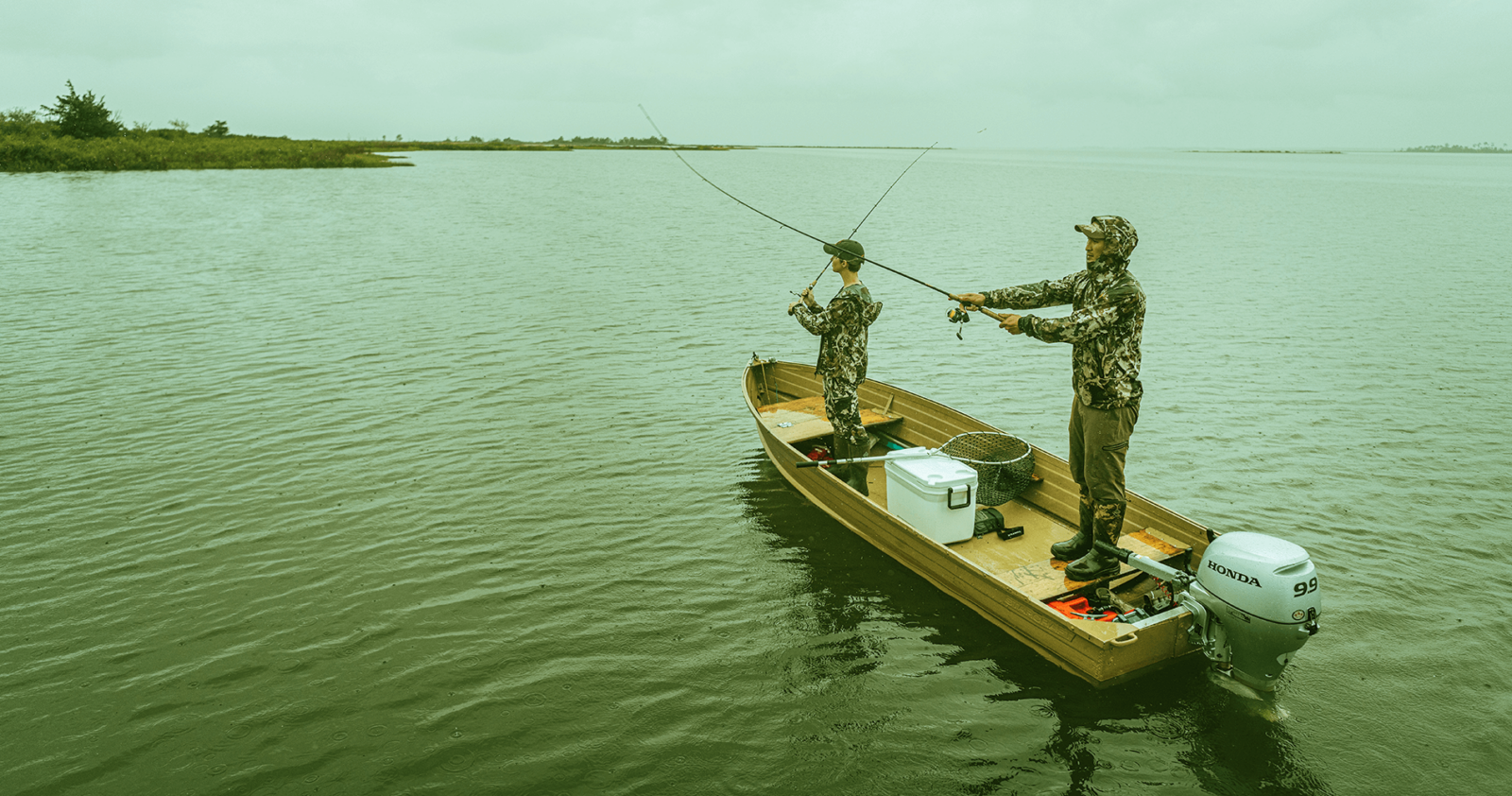
Waterbody poster background

logo

Get Your Line in the Right Water

Quickly find the best places to fish and plan your day right.

Fish Species

Blue catfish
fish
7-21 in
Length Range
13 in
Length Range
2023
Surveyed
Abundance (CPUE)
Unknown
2023
Surveyed
NA
Catch Method
Understanding Abundance

Abundance ratings are based on Catch Per Unit Effort (CPUE) measurements conducted by the MN DNR, and represent a snapshot of a species population at a given point in time.

Source: Minnesota Department of Natural Resources. Survey cadence may vary by state and water body.
Species Lengths
2021
Sep
2023
Sep
Bluegill
fish
7-21 in
Length Range
13 in
Length Range
2023
Surveyed
Abundance (CPUE)
Unknown
2023
Surveyed
NA
Catch Method
Understanding Abundance

Abundance ratings are based on Catch Per Unit Effort (CPUE) measurements conducted by the MN DNR, and represent a snapshot of a species population at a given point in time.

Source: Minnesota Department of Natural Resources. Survey cadence may vary by state and water body.
Species Lengths
2021
Sep
2023
Sep
Channel catfish
fish
7-21 in
Length Range
13 in
Length Range
2023
Surveyed
Abundance (CPUE)
Unknown
2023
Surveyed
NA
Catch Method
Understanding Abundance

Abundance ratings are based on Catch Per Unit Effort (CPUE) measurements conducted by the MN DNR, and represent a snapshot of a species population at a given point in time.

Source: Minnesota Department of Natural Resources. Survey cadence may vary by state and water body.
Species Lengths
2021
Sep
2023
Sep
Crappie
fish
12-13 in
Length Range
13 in
Length Range
2018
Surveyed
Abundance (CPUE)
Unknown
2018
Surveyed
NA
Catch Method
Understanding Abundance

Abundance ratings are based on Catch Per Unit Effort (CPUE) measurements conducted by the MN DNR, and represent a snapshot of a species population at a given point in time.

Source: Minnesota Department of Natural Resources. Survey cadence may vary by state and water body.
Species Lengths
2018
Sep
Flathead catfish
fish
7-21 in
Length Range
13 in
Length Range
2023
Surveyed
Abundance (CPUE)
Unknown
2023
Surveyed
NA
Catch Method
Understanding Abundance

Abundance ratings are based on Catch Per Unit Effort (CPUE) measurements conducted by the MN DNR, and represent a snapshot of a species population at a given point in time.

Source: Minnesota Department of Natural Resources. Survey cadence may vary by state and water body.
Species Lengths
2019
Sep
2023
Sep
Largemouth bass
fish
7-21 in
Length Range
13 in
Length Range
2023
Surveyed
Abundance (CPUE)
Unknown
2023
Surveyed
NA
Catch Method
Understanding Abundance

Abundance ratings are based on Catch Per Unit Effort (CPUE) measurements conducted by the MN DNR, and represent a snapshot of a species population at a given point in time.

Source: Minnesota Department of Natural Resources. Survey cadence may vary by state and water body.
Species Lengths
2021
Sep
2023
Sep
Trophy Potential
This lake has a history of supporting trophy sized largemouth-bass based on past surveys.
Survey YearLargest Fish (in)
202320
Smallmouth bass
fish
17-18 in
Length Range
18 in
Length Range
2019
Surveyed
Abundance (CPUE)
Unknown
2019
Surveyed
NA
Catch Method
Understanding Abundance

Abundance ratings are based on Catch Per Unit Effort (CPUE) measurements conducted by the MN DNR, and represent a snapshot of a species population at a given point in time.

Source: Minnesota Department of Natural Resources. Survey cadence may vary by state and water body.
Species Lengths
2016
Sep
2019
Sep
Striped Bass
fish
No survey data
Abundance (CPUE)
No abundance data
Understanding Abundance

Abundance ratings are based on Catch Per Unit Effort (CPUE) measurements conducted by the MN DNR, and represent a snapshot of a species population at a given point in time.

Source: Minnesota Department of Natural Resources. Survey cadence may vary by state and water body.
Species Lengths
No Survey Data
White bass
fish
14-15 in
Length Range
15 in
Length Range
2021
Surveyed
Abundance (CPUE)
Unknown
2021
Surveyed
NA
Catch Method
Understanding Abundance

Abundance ratings are based on Catch Per Unit Effort (CPUE) measurements conducted by the MN DNR, and represent a snapshot of a species population at a given point in time.

Source: Minnesota Department of Natural Resources. Survey cadence may vary by state and water body.
Species Lengths
2017
Sep
2021
Sep