Size
NA
Boat Launch
Carry-in Launch
Toilet
No
Boat Dock
Species in Whitley Creek
Overview
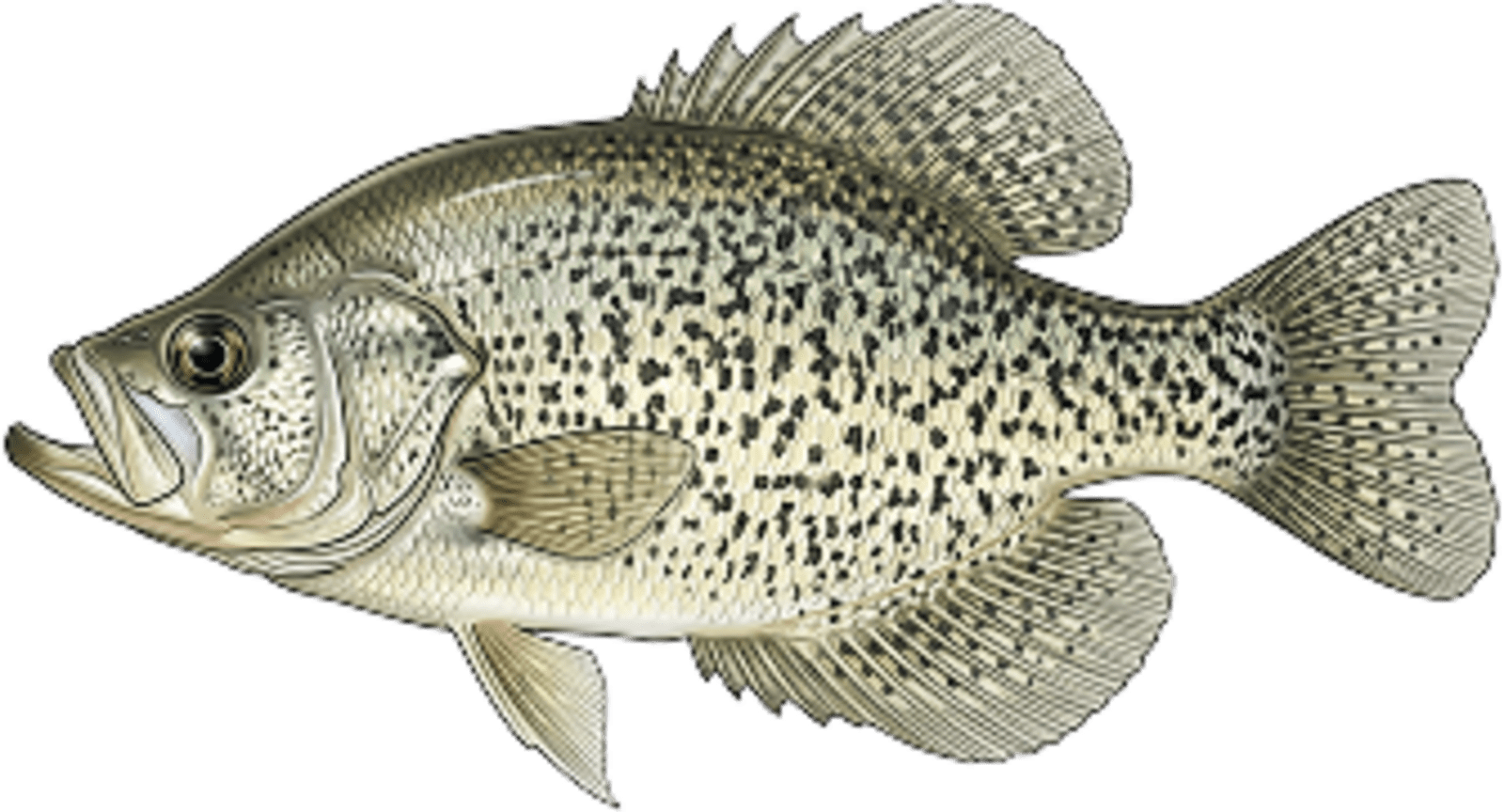
Crappie are the main attraction on this big Corps of Engineers impoundment. Walleye are a seasonal factor. Excellent facilities for camping, access and shore fishing. 11,000 acres
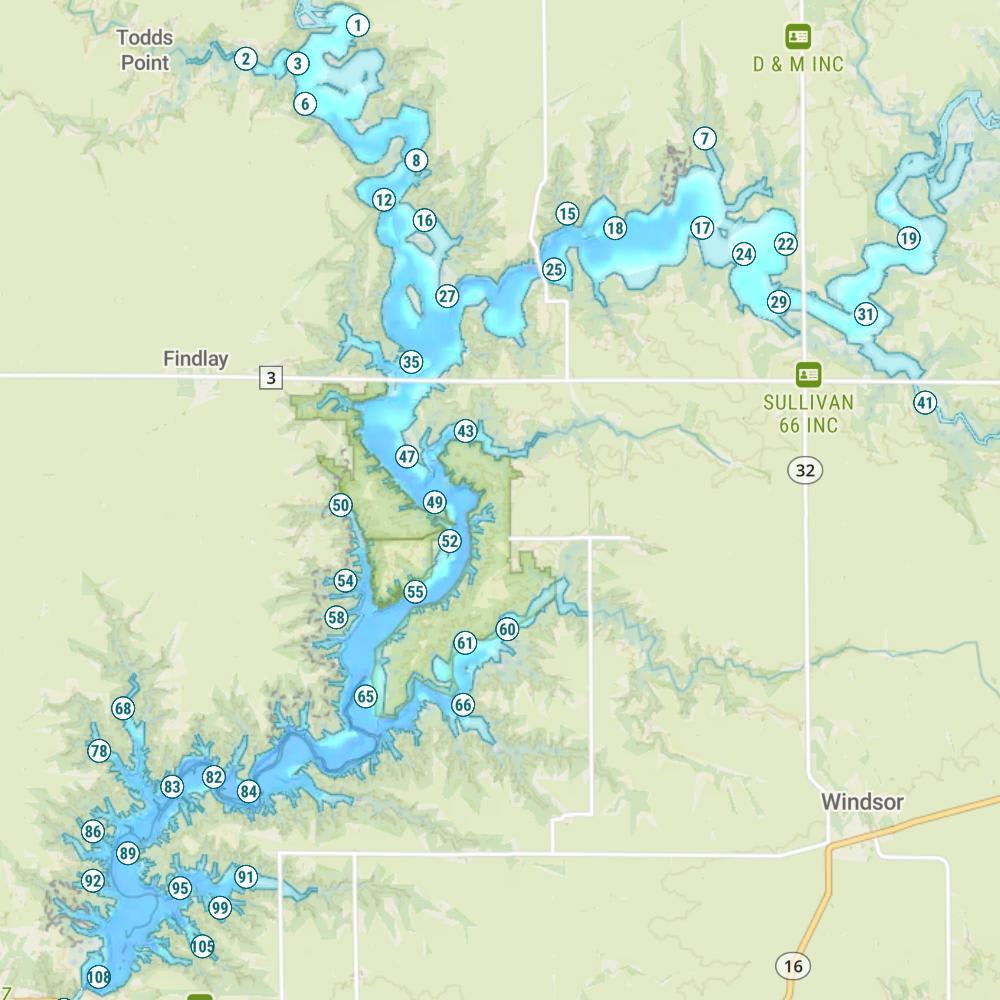
Whitley Creek Map
Features
Shelbyville is one of the state's premier fishing resources and is recognized for its largemouth bass, crappie, white bass, muskie and walleye opportunities. --Anglers should be aware of special length limits for walleye, largemouth bass, muskie and crappie. Consult visitor centers for the special creel restrictions, which are also posted at most public access sites.--Boaters should watch for buoys placed near beaches, bridges, marinas and in some coves. The buoys indicate no boats, no wakes or other navigation information. In addition, green and red navigation buoys have been placed from the Highway 32 bridge to the "Bo" Wood Access to aid deep-draft sailboats. Large, 2-foot-square navigation daymark numbers are strategically placed throughout the lake.
Forage
Gizzard shad compose the majority of the forage base, but quickly outgrow the preferred size range of most gamefish. Threadfin shad have been introduced because they are smaller, reaching only about 4 inches in length. However, they are vulnerable to nearly total winterkill. Other forage includes bullhead minnow, brook silverside, red and redfin shiner, young-of-the-year panfish and roughfish, the larvae of mayflies and midges.--Small freshwater drum are second only to shad in the walleye diet, while crayfish become more prevalent in low water years. The Corps of Engineers program to create riprap should enhance crayfish populations.
Seasonal Movements
Walleye and white bass make spring spawning runs up the Kaskaskia River, and have been documented 25 miles north to the Highway 36 bridge. It is believed a white bass run occurs up the West Okaw River, but the extent of the movement has not been studied.
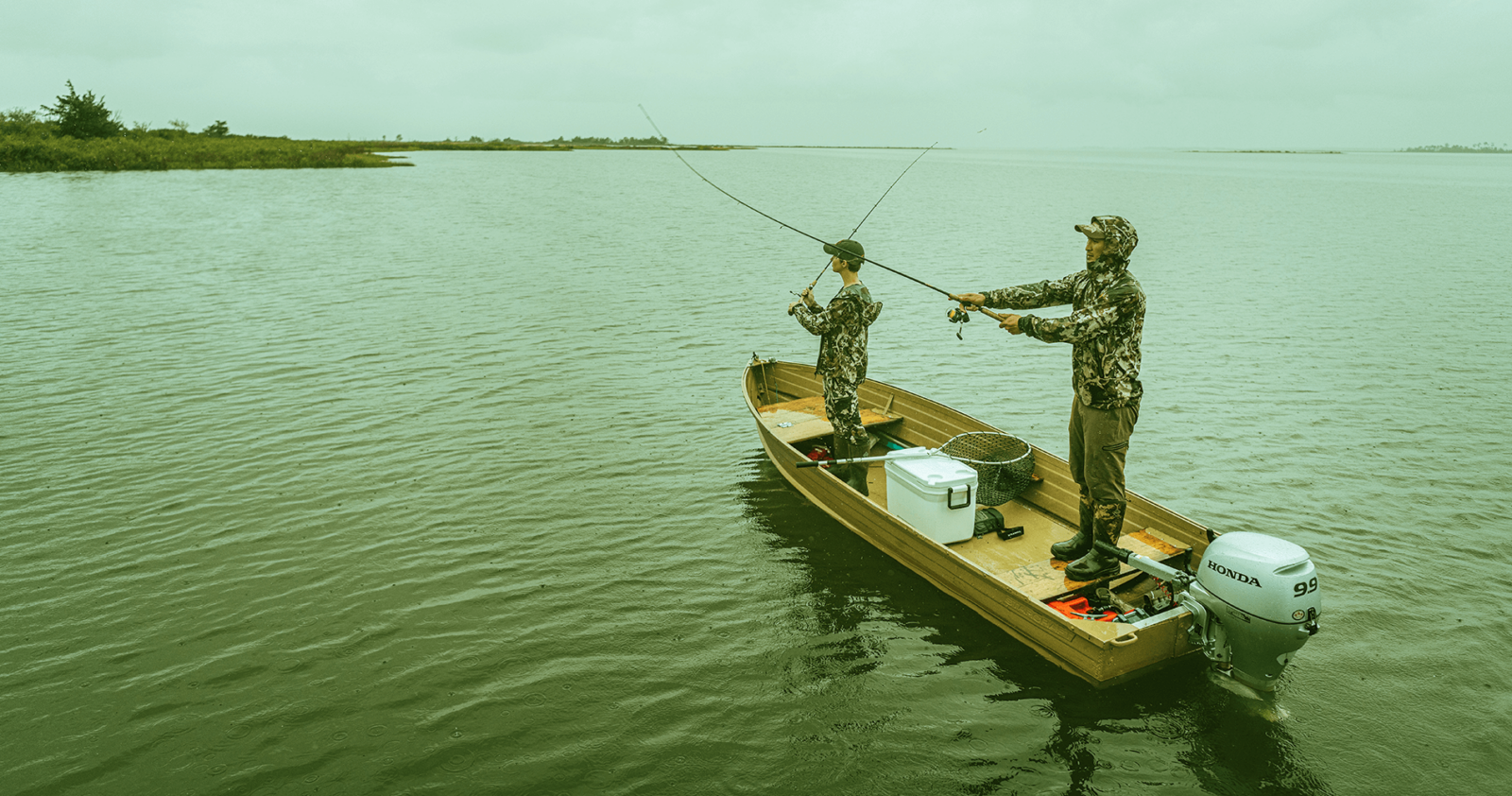

Get Your Line in the Right Water
Quickly find the best places to fish and plan your day right.
Top Fish Species
Crappie
No survey data
Abundance (CPUE)
Understanding Abundance
Abundance ratings are based on Catch Per Unit Effort (CPUE) measurements conducted by the MN DNR, and represent a snapshot of a species population at a given point in time
Source: Minnesota Department of Natural Resources. Survey cadence may vary by state and water body.Species Lengths