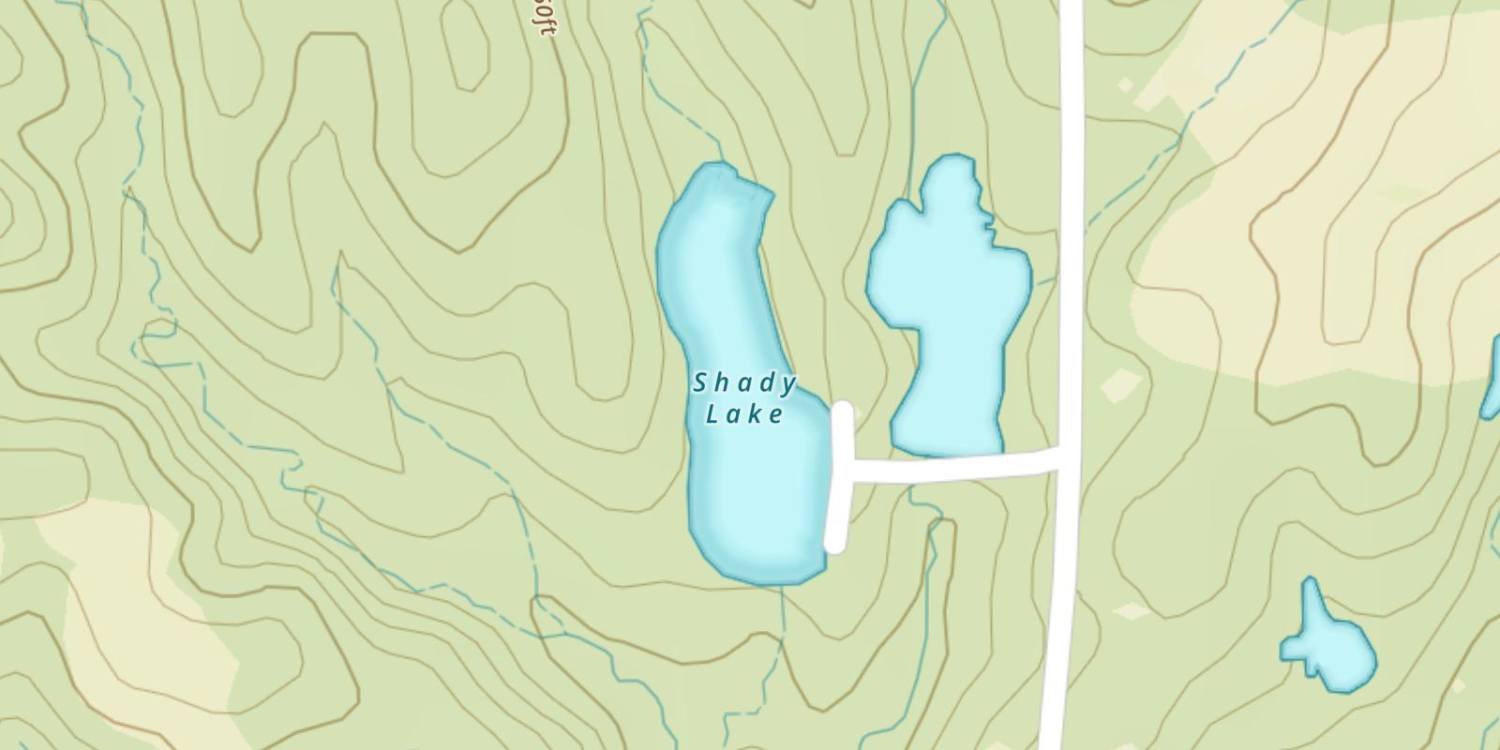
Salt Well Creek

Salt Well Creek

Size
NA
Boat Launch
No
Carry-in Launch
No
Toilet
No
Boat Dock
No
Species in Salt Well Creek

Overview

Thousands of anglers take to this popular water for striped bass and walleye. Panfish anglers catch plenty of crappie and bluegill. Great facilities. 5,260 acres

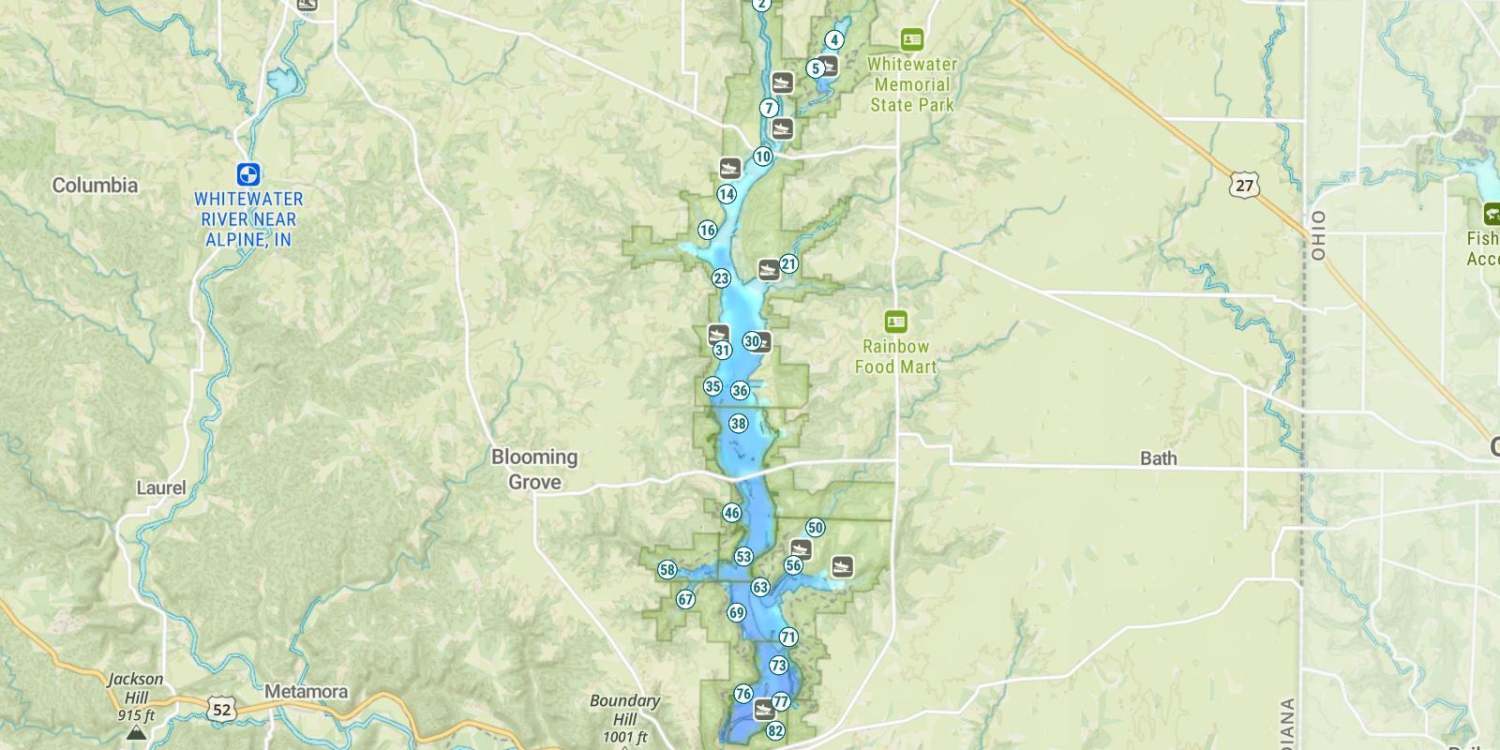
Salt Well Creek Map

Features

Brookville Lake was created in 1974 by the U.S. Army Corps of Engineers to control flooding in the hitewater Valley and to provide a municipal and industrial water supply. Today, it remains one of the premier fisheries of Indiana and provides excellent striper, crappie, white bass largemouth bass, smallmouth bass and walleye fishing opportunities.The water and surrounding land are leased to the Indiana DNR by the federal government. Most of the 12,000 acres of public land adjacent to the lake remain undeveloped and in a natural state. Excellent day-use facilities, campgrounds and marinas attract many anglers and boaters.Several no-wake (idle) zones are marked by buoys near ramps, marinas and bridges. Templeton Creek, Wolf Creek, Hanna Creek and all water north of Hanna Creek are also no-wake areas. During the waterfowl migration season (October through March), all water north of the Dunlapsville Causeway is closed to hunting , fishing and boating.

Forage

Gizzard shad are extremely abundant and provide important forage for larger predators. Other forage species include brook silversides, spotfin shiner and young-of-the-year panfish and rough fish. Crayfish provide significant prey for smallmouth bass.

Seasonal Movements

Walleye and white bass move up the East Fork Whitewater River during their spring spawning migrations. From early summer to fall, a majority of the striped bass inhabit the deeper, cooler water near the dam.
Waterbody poster background

logo

Get Your Line in the Right Water

Quickly find the best places to fish and plan your day right.

Fish Species

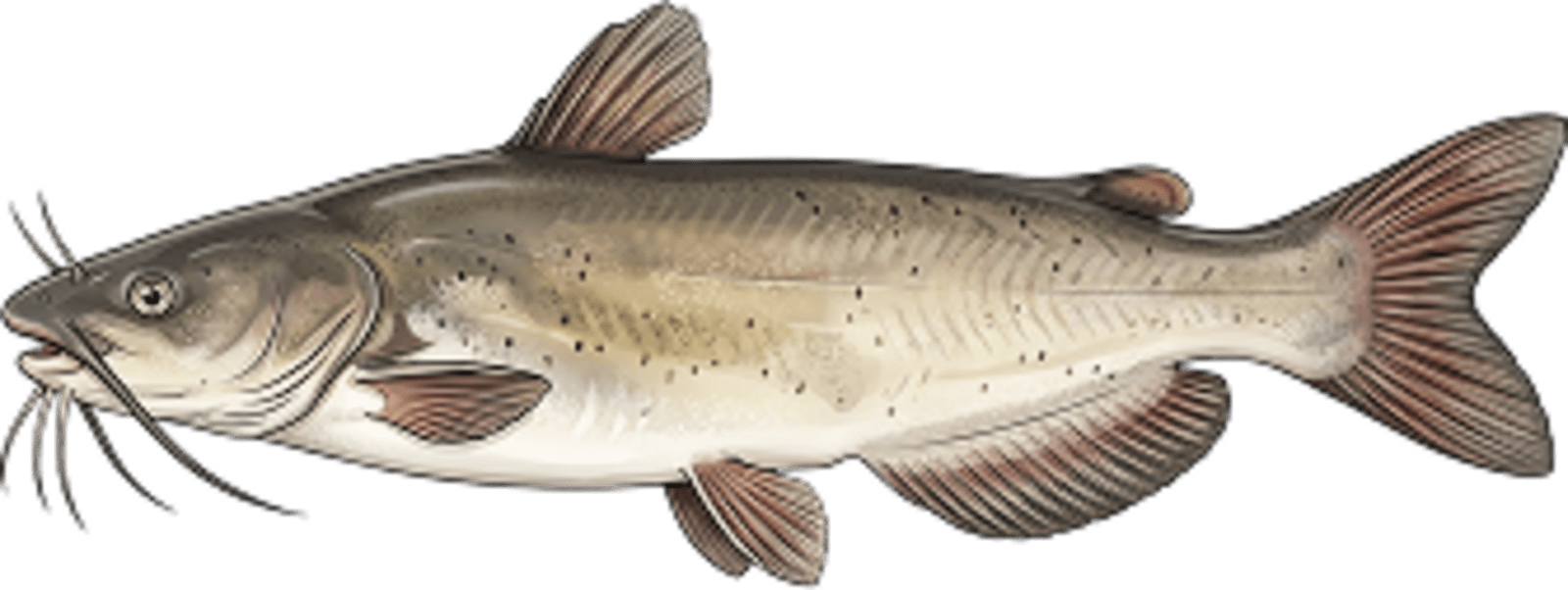
Channel catfish
fish
No survey data
Abundance (CPUE)
No abundance data
Understanding Abundance

Abundance ratings are based on Catch Per Unit Effort (CPUE) measurements conducted by the MN DNR, and represent a snapshot of a species population at a given point in time.

Source: Minnesota Department of Natural Resources. Survey cadence may vary by state and water body.
Species Lengths
No Survey Data
Crappie
fish
No survey data
Abundance (CPUE)
No abundance data
Understanding Abundance

Abundance ratings are based on Catch Per Unit Effort (CPUE) measurements conducted by the MN DNR, and represent a snapshot of a species population at a given point in time.

Source: Minnesota Department of Natural Resources. Survey cadence may vary by state and water body.
Species Lengths
No Survey Data
Largemouth bass
fish
No survey data
Abundance (CPUE)
No abundance data
Understanding Abundance

Abundance ratings are based on Catch Per Unit Effort (CPUE) measurements conducted by the MN DNR, and represent a snapshot of a species population at a given point in time.

Source: Minnesota Department of Natural Resources. Survey cadence may vary by state and water body.
Species Lengths
No Survey Data
Smallmouth bass
fish
No survey data
Abundance (CPUE)
No abundance data
Understanding Abundance

Abundance ratings are based on Catch Per Unit Effort (CPUE) measurements conducted by the MN DNR, and represent a snapshot of a species population at a given point in time.

Source: Minnesota Department of Natural Resources. Survey cadence may vary by state and water body.
Species Lengths
No Survey Data
Striped Bass
fish
No survey data
Abundance (CPUE)
No abundance data
Understanding Abundance

Abundance ratings are based on Catch Per Unit Effort (CPUE) measurements conducted by the MN DNR, and represent a snapshot of a species population at a given point in time.

Source: Minnesota Department of Natural Resources. Survey cadence may vary by state and water body.
Species Lengths
No Survey Data
Walleye
fish
No survey data
Abundance (CPUE)
No abundance data
Understanding Abundance

Abundance ratings are based on Catch Per Unit Effort (CPUE) measurements conducted by the MN DNR, and represent a snapshot of a species population at a given point in time.

Source: Minnesota Department of Natural Resources. Survey cadence may vary by state and water body.
Species Lengths
No Survey Data
White bass
fish
No survey data
Abundance (CPUE)
No abundance data
Understanding Abundance

Abundance ratings are based on Catch Per Unit Effort (CPUE) measurements conducted by the MN DNR, and represent a snapshot of a species population at a given point in time.

Source: Minnesota Department of Natural Resources. Survey cadence may vary by state and water body.
Species Lengths
No Survey Data