Size
350,703ac
Boat Launch
Carry-in Launch
Toilet
Yes
Boat Dock
Species in Lake Sakakawea
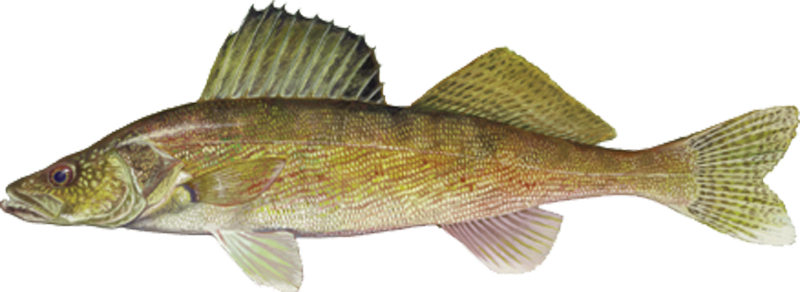
Walleye
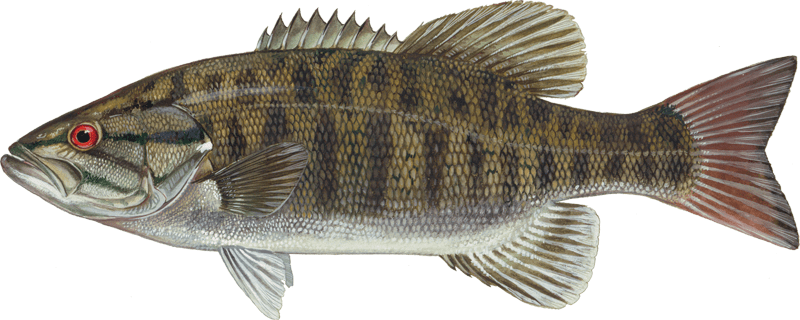
Smallmouth bass
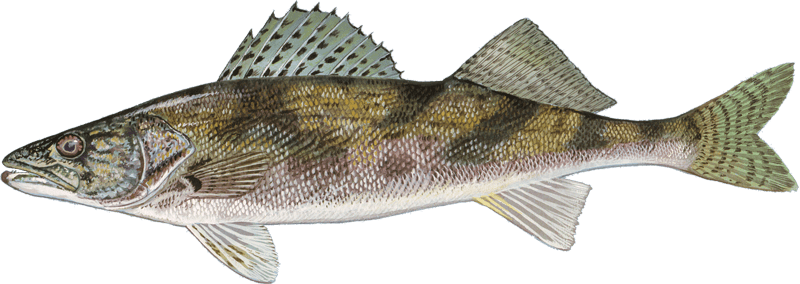
Sauger
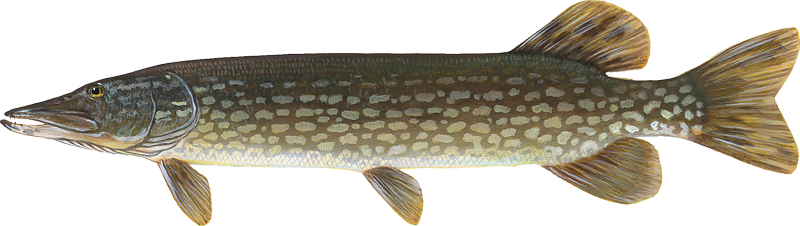
Northern pike
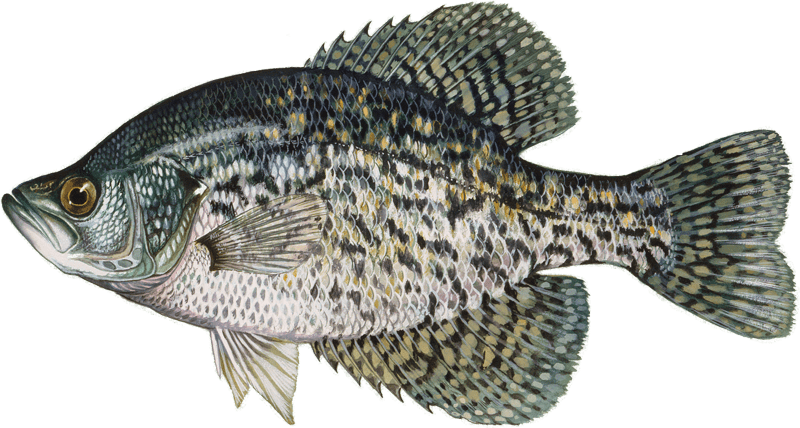
Crappie
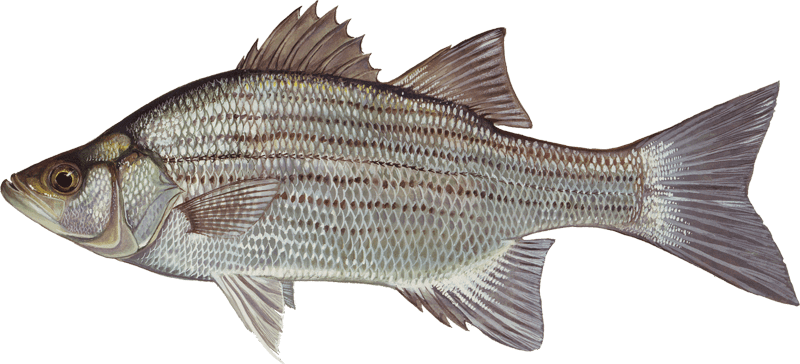
White bass

Channel catfish
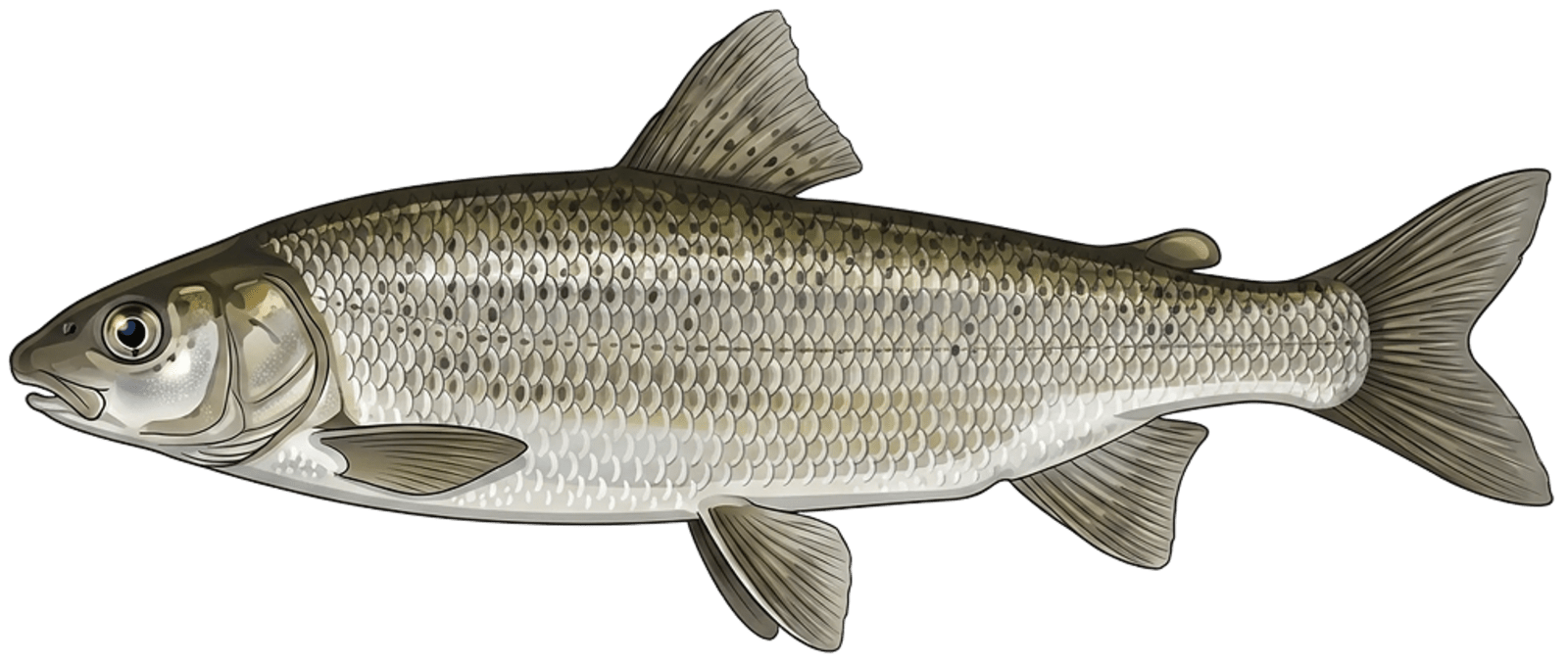
Whitefish

Chinook salmon
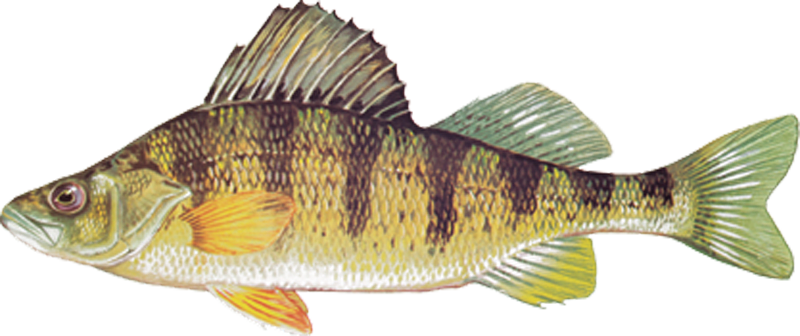
Perch
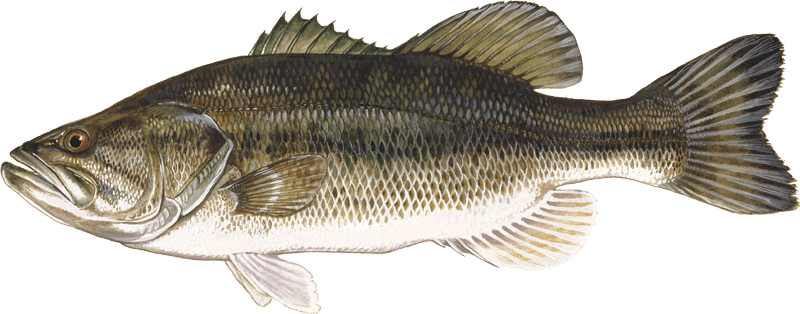
Largemouth bass
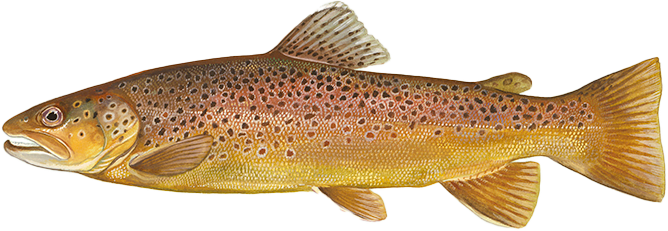
Brown trout
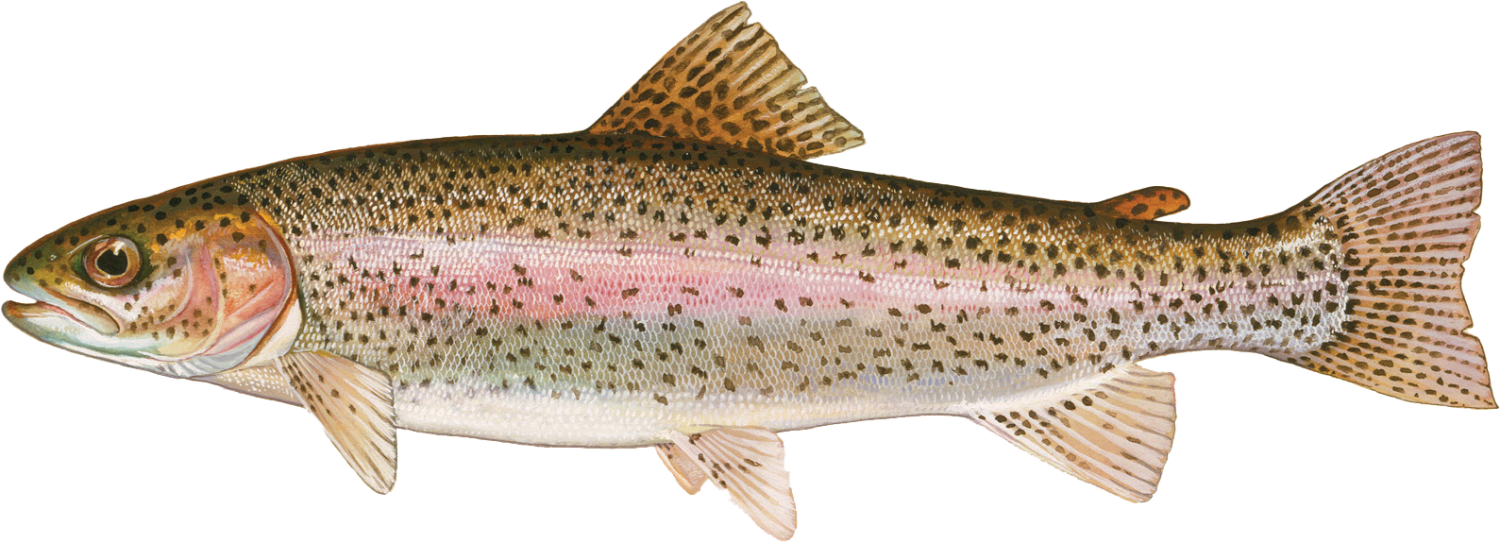
Rainbow trout

Sturgeon
Overview
Lake Sakakawea Map
Features
Lake Sakakawea is the 3rd largest reservoir in the United States. The lake was created to stem the flooding on the Missouri River and to provide an energy source for the area around the lake. The Garrison Dam was started by the Army Corps of Engineers in the 1940’s and the dam was finished in the 1950’s. The lake averages between 2- and 3- miles in width and is approximately 6- miles wide at its widest point. The lake was named after Sacagawea, a Shoshone Indian woman, who helped Lewis and Clark in their adventure to scout the Louisiana Purchase. Lake Sakakawea is a very popular fishing destination across the country. Due to the size of the lake fishing can be tough. But, when you locate the fish, the fishing can be outstanding. Hiring a guide is suggested.
Forage
A wide range of species from rainbow smelt, crayfish, small minnow species and cisco.
Seasonal Movements
Shortly after ice out, walleye, northern pike, sauger and saugeye will make their spawning runs into bays and the small fingers that are in the bays. The bays with more current and warmer water are more popular. After the walleye, northern pike, sauger and saugeye run, the smallmouth bass and largemouth bass will move up into shallow bays and fingers to spawn. Water temperatures play a major role in the spawning of these fish. Watch for the water temperatures in the 40’s to the mid 60’s respectfully.
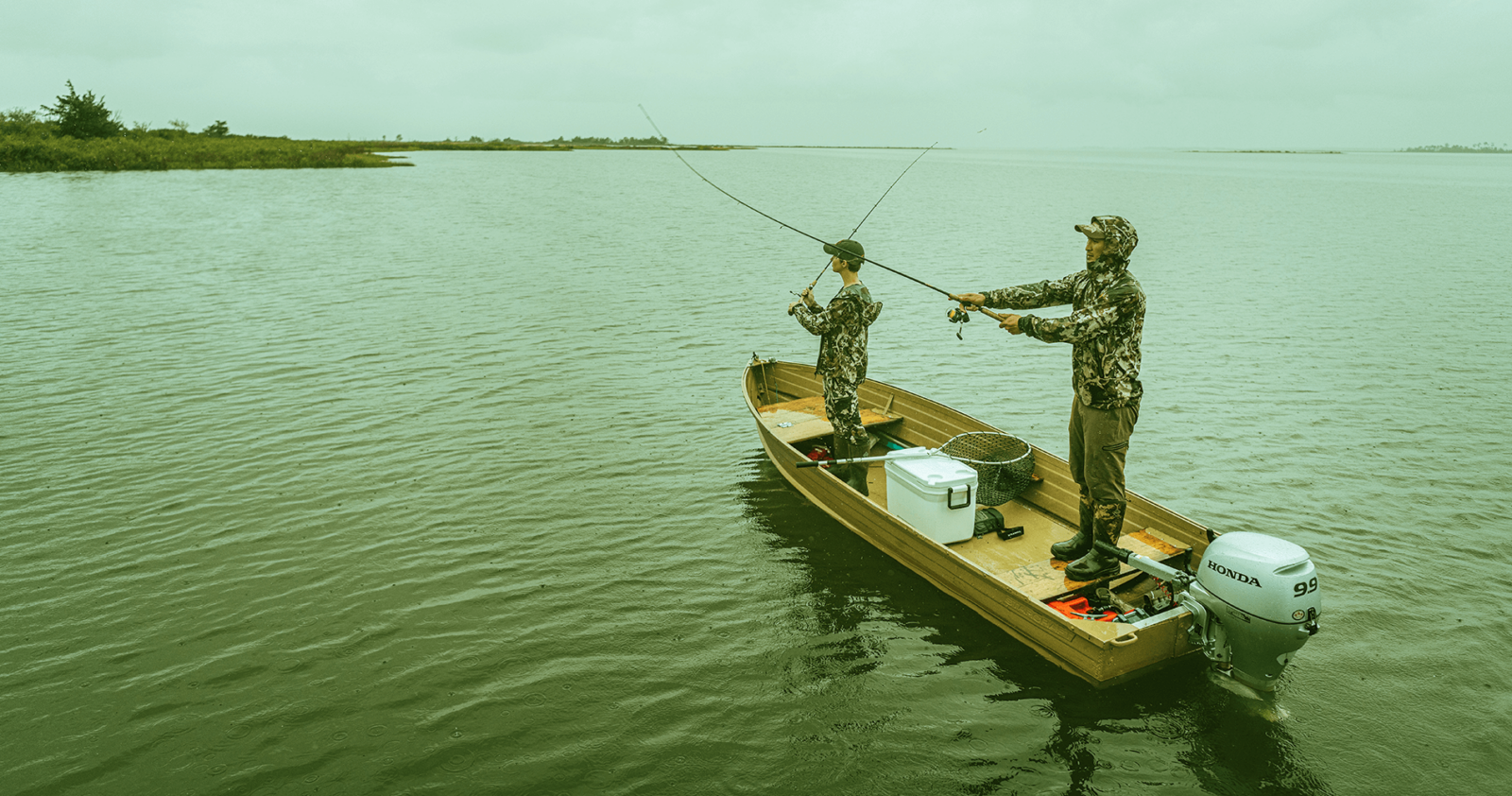

Get Your Line in the Right Water
Quickly find the best places to fish and plan your day right.
Top Fish Species
Walleye
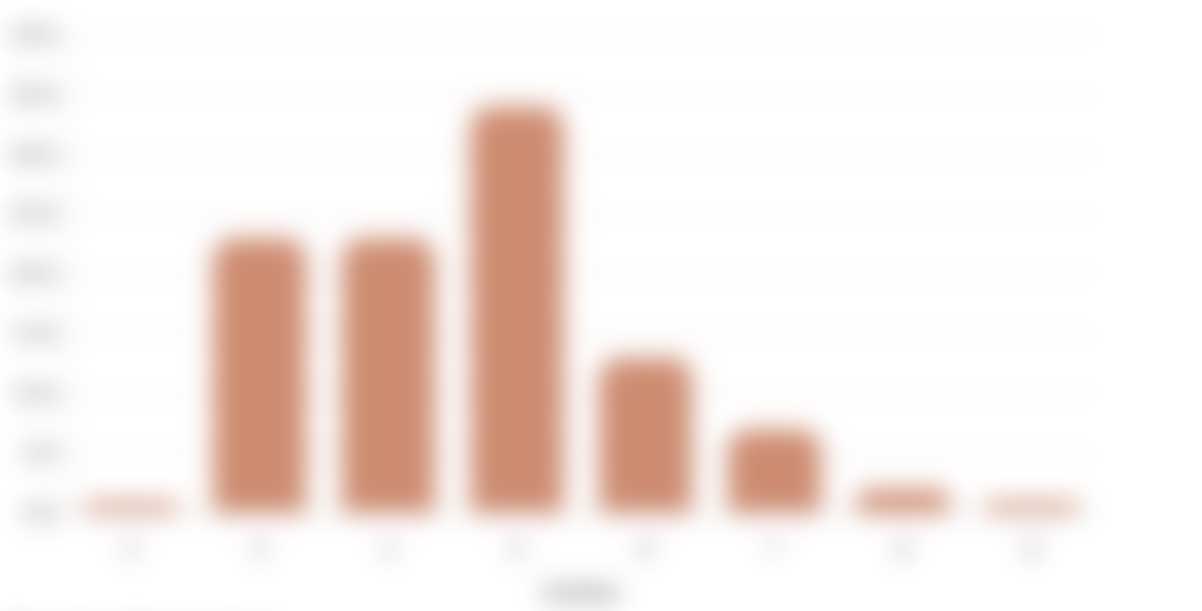
8-31 in
Length Range
16 in
Length Range
2025
Surveyed
Abundance (CPUE)
Understanding Abundance
Abundance ratings are based on Catch Per Unit Effort (CPUE) measurements conducted by the MN DNR, and represent a snapshot of a species population at a given point in time
Source: Minnesota Department of Natural Resources. Survey cadence may vary by state and water body.Species Lengths