Size
NA
Boat Launch
Carry-in Launch
Toilet
No
Boat Dock
Species in Baxter Branch
Overview
Indiana's largest lake and home to a trophy bass fishery. Crappie are abundant and attract a lot of attention. A quality catfish population is widely ignored. 10,750 acres
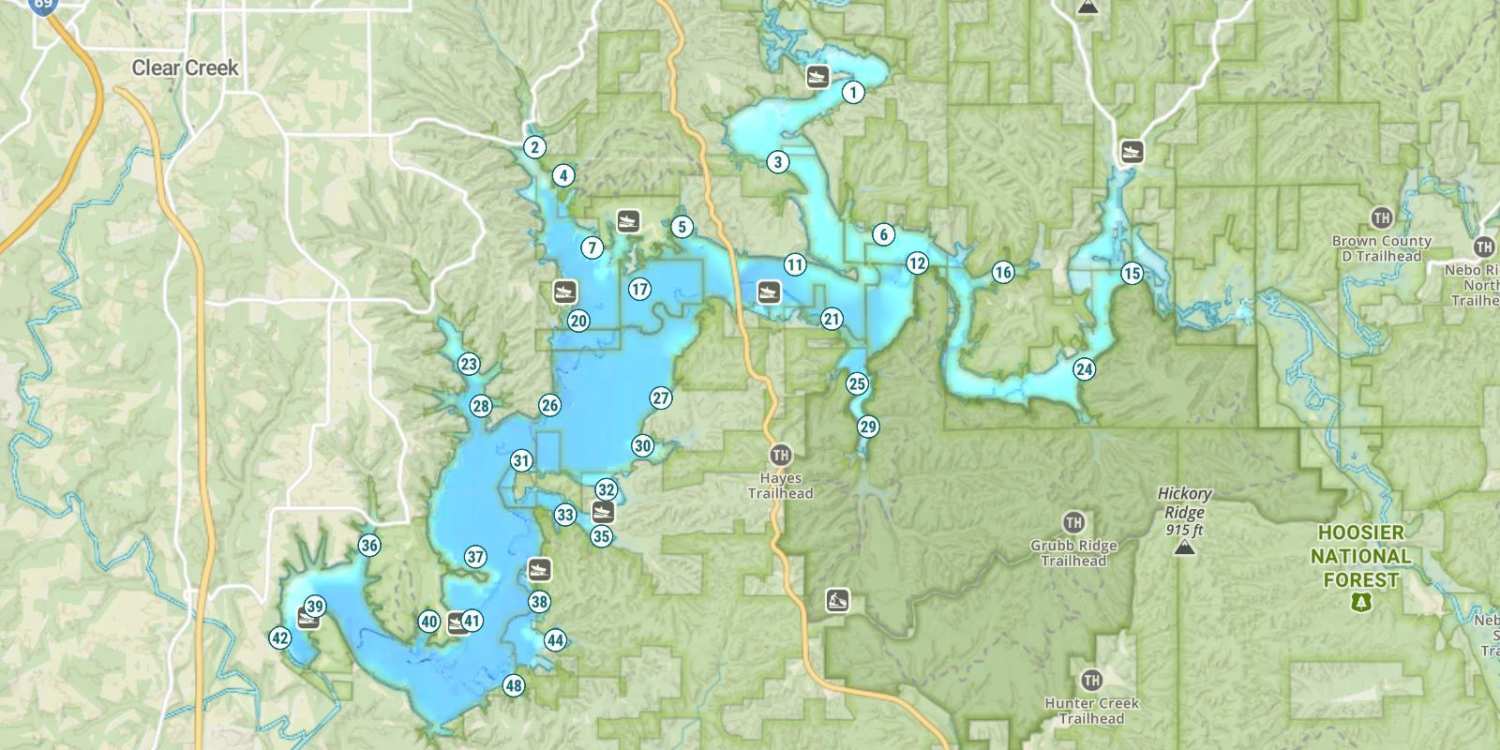
Baxter Branch Map
Features
Monroe Lake is the largest lake in Indiana and is popular with midwestern largemouth bass anglers. It is also popular for tournament angling. In recent years, improved hybrid striped bass and walleye fisheries have gained midwestern attention.It was built by the U. S. Army Corps of Engineers to control flooding from Salt Creek and White River and to provide an important source of water for the city of Bloomington.The lake was stocked with fish in 1963 and opened to anglers in 1964. A large part of the surrounding land is in the Hoosier National Forest. Campgrounds, marinas and excellent day use facilities surround the lake and are maintained by the state of Indiana.Several coves were left uncut when the reservoir was formed; leaving stands of flooded timber and stumps just below the surface. Navigation through some of these areas can be very difficult. These coves are Sugar, Ramp, and Saddle creeks, and the North Fork, Middle Fork and South Fork of Salt Creek.Because Monroe receives heavy recreational boating pressure, certain areas of the lake are posted Idle Only. All water east of the 446 Causeway, Allen Creek and Moore Creek have a speed limit of 5 miles per hour.North Fork and Middle Fork have been designated by the Indiana Department of Natural Resources as waterfowl resting areas, and are closed to all traffic from October 1 through April 15. A bald eagle nesting site, north of the Pinegrove Ramp, is posted as off-limits year-around.Anglers should be aware of special regulations on largemouth bass. Consult the visitor's center for special restrictions.
Forage
Gizzard shad are extremely abundant, but quickly grow beyond the preferred size range of most gamefish. Walleye and hybrid striped bass are important gamefish species in controlling gizzard shad populations. Other forage species include spotfin shiner, golden shiner, logperch, brook silverside and young-of-the-year panfish. Crayfish are also a factor.
Seasonal Movements
Walleye and hybrid striped bass move to the tailwaters below the Monroe Dam in early spring. From early summer to fall, walleye and hybrids inhabit the deeper cooler waters at the lower end of the lake near the dam.

Get Your Line in the Right Water
Quickly find the best places to fish and plan your day right.
Top Fish Species
Bluegill
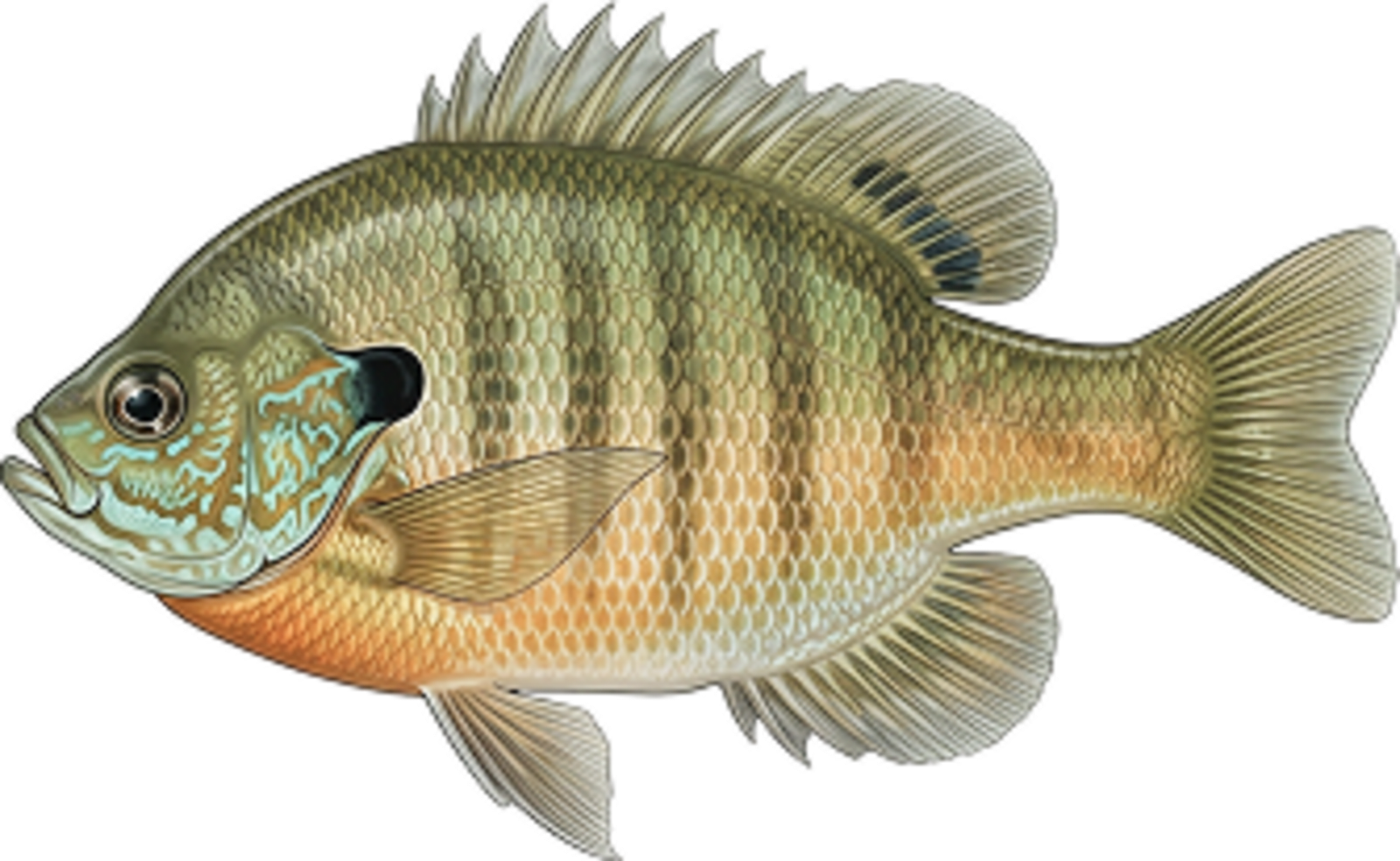
No survey data
Abundance (CPUE)

Understanding Abundance
Abundance ratings are based on Catch Per Unit Effort (CPUE) measurements conducted by the MN DNR, and represent a snapshot of a species population at a given point in time
Source: Minnesota Department of Natural Resources. Survey cadence may vary by state and water body.Species Lengths