Size
NA
Boat Launch
Carry-in Launch
Toilet
No
Boat Dock
Species in Salt Creek
Overview
This large cooling lake supports a diverse fishery, featuring largemouth, catfish, walleye and hybrid stripers. Crappie and bluegill provide plenty of action for panfish enthusiasts. Great public use facilities. 4,895 acres
Salt Creek Map
Features
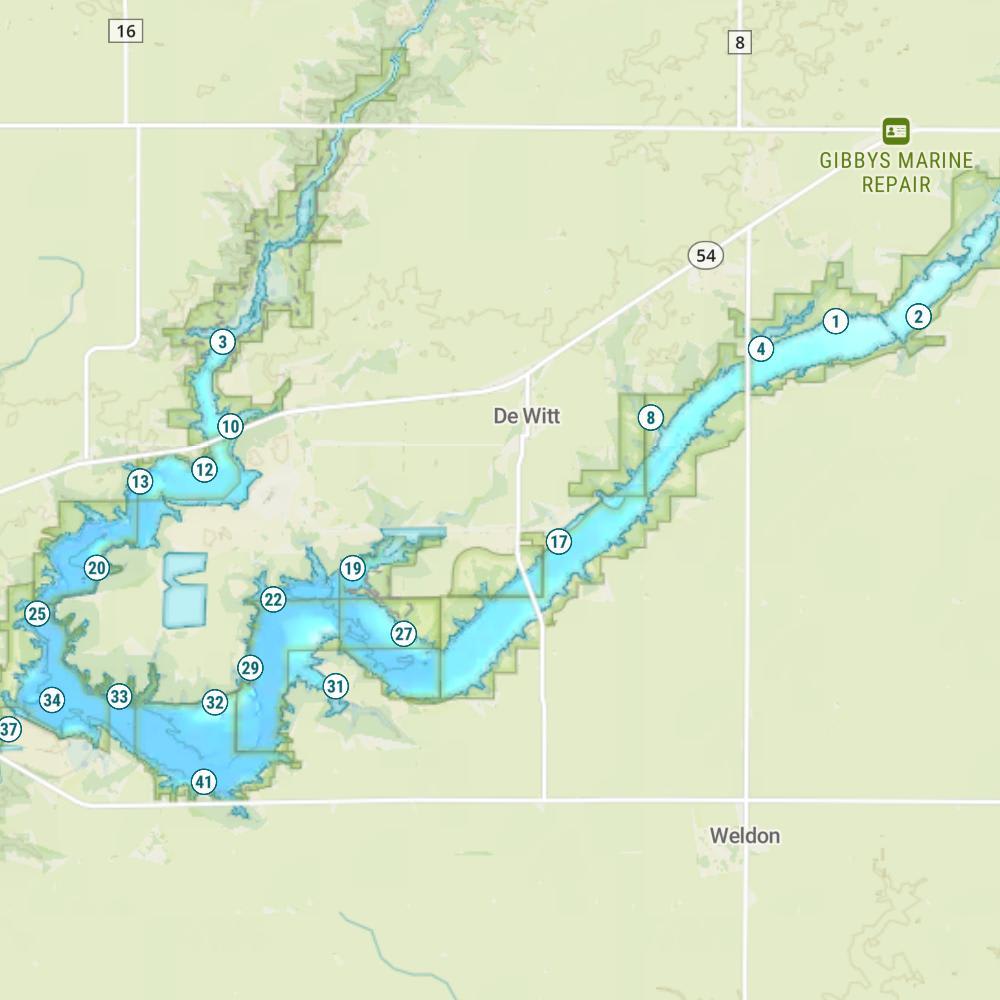
Clinton Lake was constructed by the Illinois Power Company to provide a source of cooling water for the Clinton Nuclear Power Station. Completed in 1977, the lake and surrounding lands were leased by the Illinois Department of Conservation and have since offered a wide variety of recreational opportunities.--The impoundment provides a significant fishery for a variety of species, including, largemouth bass, white crappie, walleye, channel catfish, striped bass, white bass and hybrid striped bass. The Clinton walleye fishery is recognized as one of the best in the state. Check state regulations for special length and creel limits for largemouth bass, hybrid striped bass, walleye, tiger muskie and crappie. Regulations are posted at most accesses.--Portions of the lake are posted as "No-Wake" or "No-Boat" areas and are indicated by buoys. The upper ends of both forks are restricted to electric motors only. From October 10 to March 31, the area between the Highway 14 and Highway 48 bridges is a fish and wildlife refuge, and boats are prohibited. For safety and security reasons, no one is allowed near the water intake area on the North Fork or within the discharge canal.--Boaters are cautioned that winds stronger than 15 mph can create very dangerous surface conditions. During summer, especially on holiday weekends, boat traffic can be extremely heavy. Delays at access sites should be anticipated.
Forage
Gizzard shad are the significant forage species in Clinton Lake. However, slow growth rates tend to keep them small and usable as prey. Nearly 88 percent of the population is less than 4 inches in length. Other forage species include freshwater drum, redhorse, red shiners, green sunfish and young-of-the-year of other species. Crayfish appear to be in good supply.
Seasonal Movements
Test nettings have not produced any evidence that walleye or hybrid striped bass make spawning movements up either fork. Nettings have, however, indicated walleye spawn along shoreline areas of the main fork while hybrid stripers and true stripers move toward current areas near the discharge.
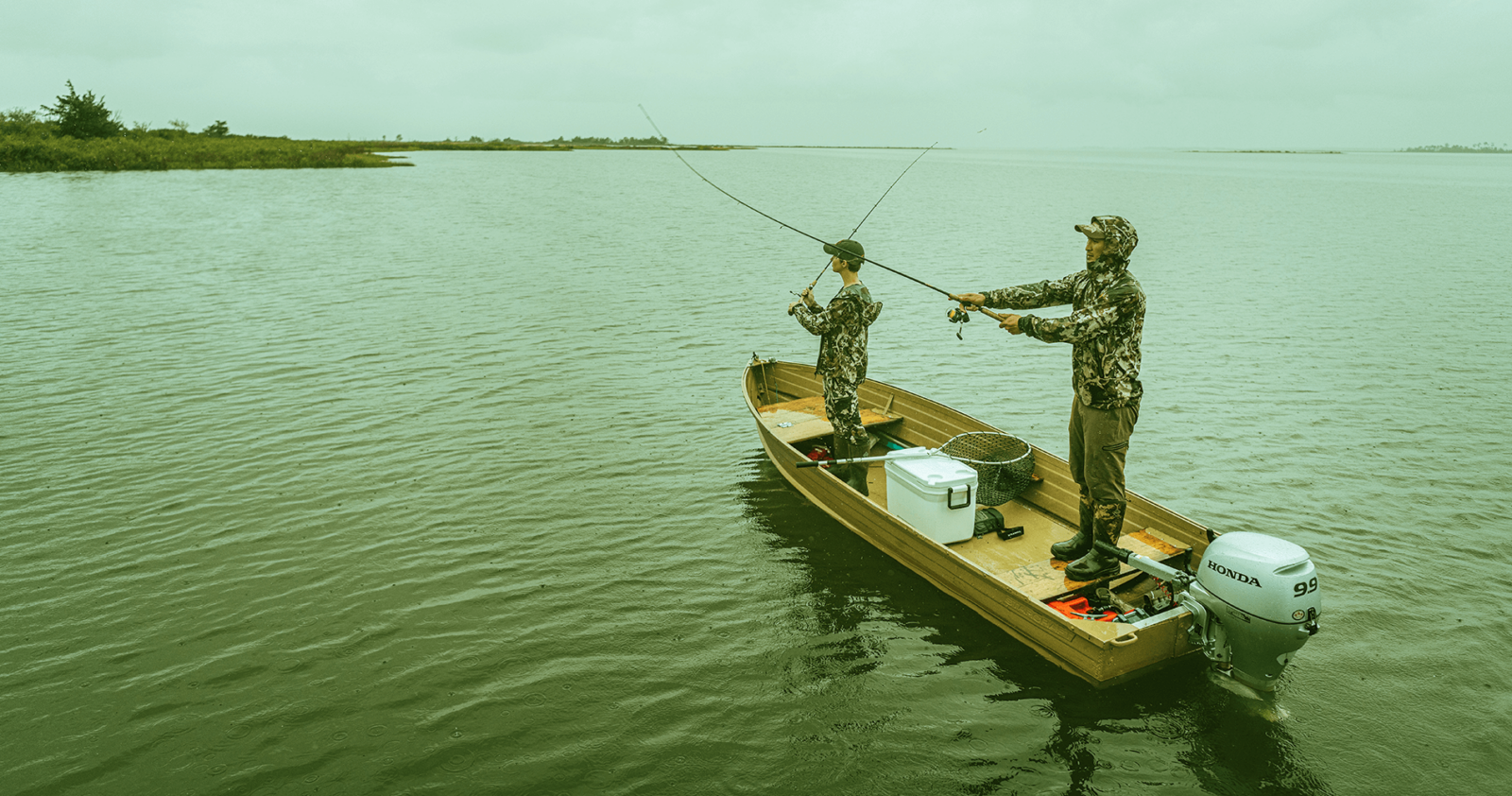

Get Your Line in the Right Water
Quickly find the best places to fish and plan your day right.
Top Fish Species
Striped Bass
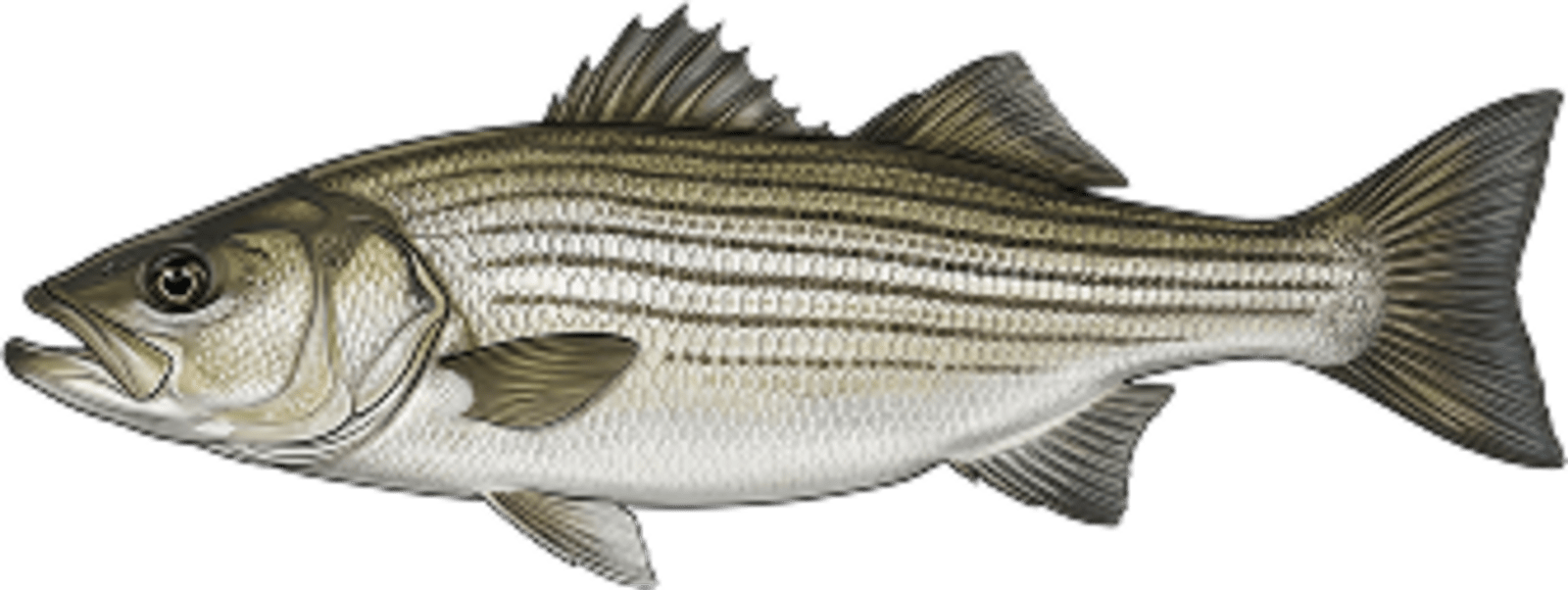
No survey data
Abundance (CPUE)
Understanding Abundance
Abundance ratings are based on Catch Per Unit Effort (CPUE) measurements conducted by the MN DNR, and represent a snapshot of a species population at a given point in time
Source: Minnesota Department of Natural Resources. Survey cadence may vary by state and water body.Species Lengths