Size
NA
Boat Launch
Carry-in Launch
Toilet
No
Boat Dock
Species in Long Prairie River
Overview
Long Prairie River Map
Features
The Alexandria Chain consists of five lakes totaling over 6,000 acres and are connected by navigable channels. The lakes of this chain include; Victoria, Geneva, Le Homme Dieu, Carlos and Darling. Navigation between the channels can be difficult during periods of low water. Access to Lake Cowdry and Jesse is possible, but is difficult because of shallow water and submerged structure. Much of the shoreline is residential development and private resorts. Its proximity to Alexandria, Minnesota makes the chain popular for a variety of recreational activities during summer. In early spring, the Minnesota Department of Natural Resources (MDNR) prohibits fishing in certain areas of the chain to protect spawning largemouth bass and crappie. The MDNR stocks all the lakes of the chain on an annual basis at a rate of 1 pound of fingerlings per acre of littoral area. One pound translates to 15 to 35 fish, depending on growth at the hatcheries. Private stockings do occur in addition to the MDNR. The Alexandria Chain consists of five lakes totally over 6,000 acres and are connected by navigable channels. The lakes of this chain include; Victoria, Geneva, Le Homme Dieu, Carlos and Darling. Navigation between the channels can be difficult during periods of low water. Access to Lake Cowdry and Jesse is possible, but is difficult because of shallow water and submerged structure. Much of the shoreline is residential development and private resorts. Its proximity to Alexandria, Minnesota makes the chain popular for a variety of recreational activities during summer. In early spring, the Minnesota Department of Natural Resources (MDNR) prohibits fishing in certain areas of the chain to protect spawning largemouth bass and crappie. The MDNR stocks all the lakes of the chain on an annual basis at a rate of 1 pound of fingerlings per acre of littoral area. One pound translates to 15 to 35 fish, depending on growth at the hatcheries. Private stockings do occur in addition to the MDNR. The Alexandria Chain consists of five lakes totally over 6,000 acres and are connected by navigable channels. The lakes of this chain include; Victoria, Geneva, Le Homme Dieu, Carlos and Darling. Navigation between the channels can be difficult during periods of low water. Access to Lake Cowdry and Jesse is possible, but is difficult because of shallow water and submerged structure. Much of the shoreline is residential development and private resorts. Its proximity to Alexandria, Minnesota makes the chain popular for a variety of recreational activities during summer. In early spring, the Minnesota Department of Natural Resources (MDNR) prohibits fishing in certain areas of the chain to protect spawning largemouth bass and crappie. The MDNR stocks all the lakes of the chain on an annual basis at a rate of 1 pound of fingerlings per acre of littoral area. One pound translates to 15 to 35 fish, depending on growth at the hatcheries. Private stockings do occur in addition to the MDNR. Recently, zebra mussels have been documented in the chain. As a result, strict regulations are in effect for people launching their boats. Be sure to check the regulations before launching.
Forage
Lake Victoria: Yellow perch, golden shiner, bluegill, sucker and chubs are common. A few tullibee may contribute to the forage base for larger gamefish. Lake Geneva: Yellow perch, golden shiner, bluegill, sucker and chubs are common. Lake Le Homme Dieu: Yellow perch, golden shiner, bluegill, sucker and chubs are common. Lake Carlos: Yellow perch, golden shiner, bluegill, sucker and chubs are common. Tullibee (cisco) are present in all the chains but appear to contribute more to the forage base on Carlos than any of the other lakes. Lake Darling: Yellow perch, golden shiner, bluegill, sucker and chubs are common.
Seasonal Movements
Lake Victoria: During periods of high water, northern pike move up the channel to Lake Geneva. Northern pike and a few walleye also migrate towards Jesse Lake during periods of high spring water.

Get Your Line in the Right Water
Quickly find the best places to fish and plan your day right.
Top Fish Species
Bluegill
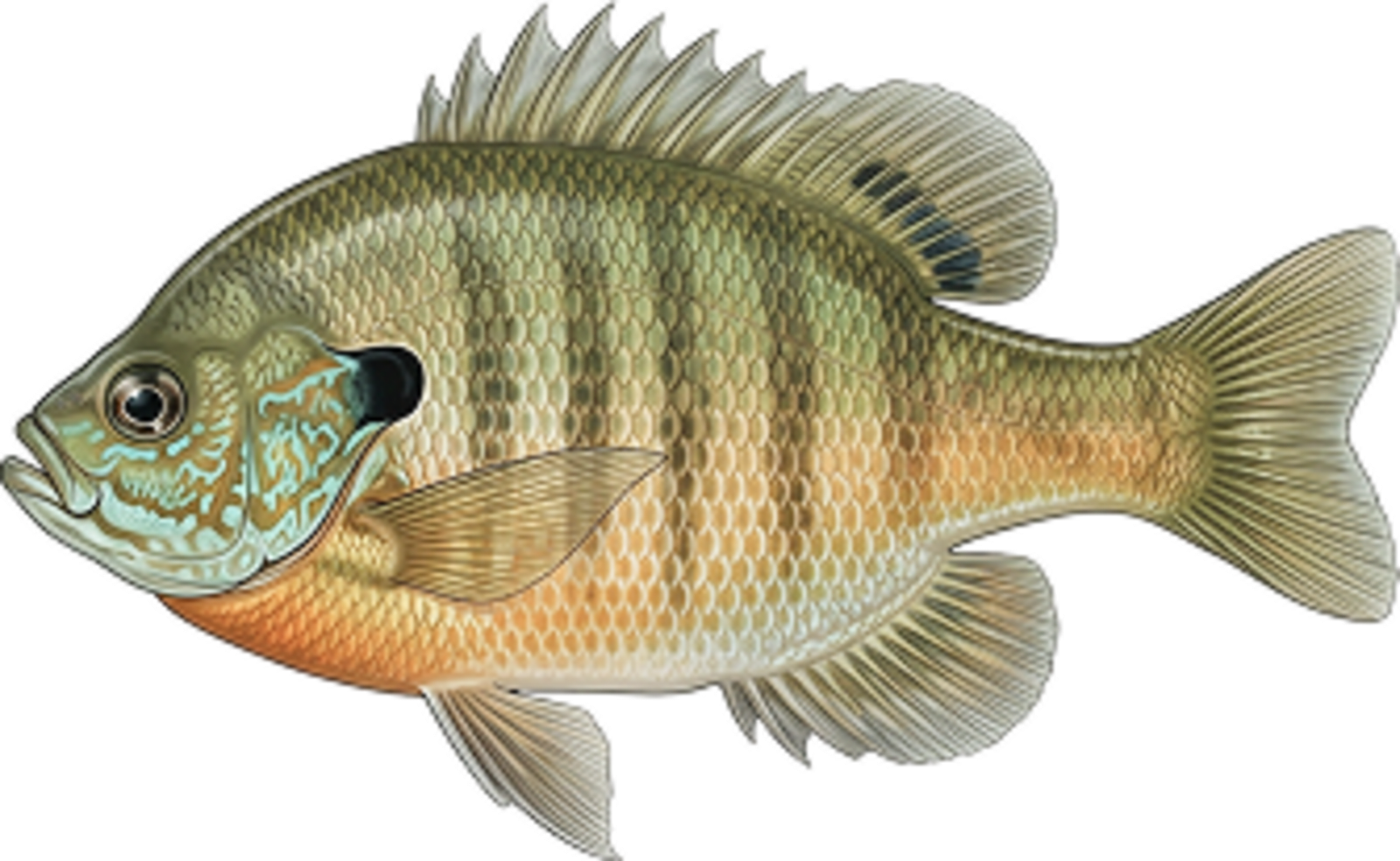
No survey data
Abundance (CPUE)

Understanding Abundance
Abundance ratings are based on Catch Per Unit Effort (CPUE) measurements conducted by the MN DNR, and represent a snapshot of a species population at a given point in time
Source: Minnesota Department of Natural Resources. Survey cadence may vary by state and water body.Species Lengths