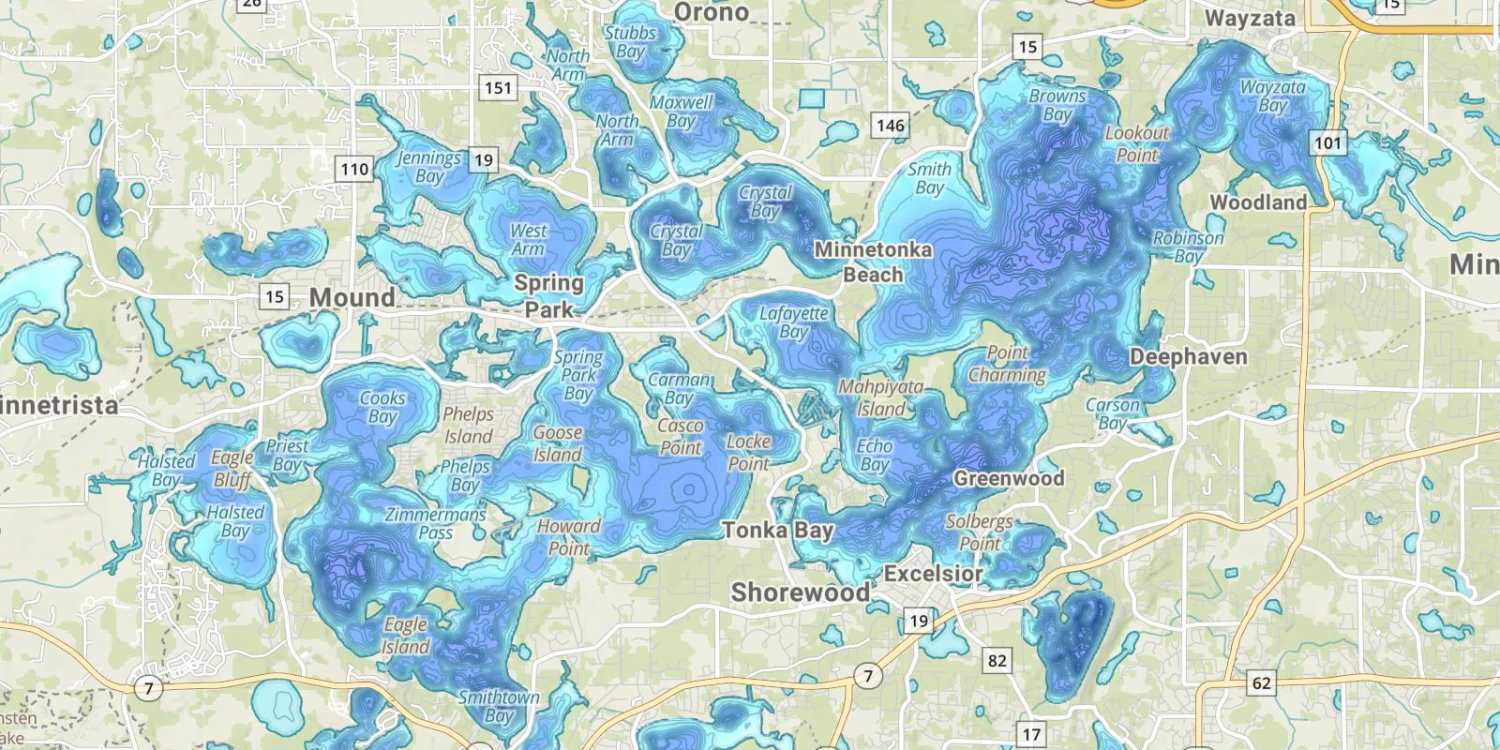
Size
13,858ac
Boat Launch
Carry-in Launch
Toilet
Yes
Boat Dock
Species in Lake Minnetonka
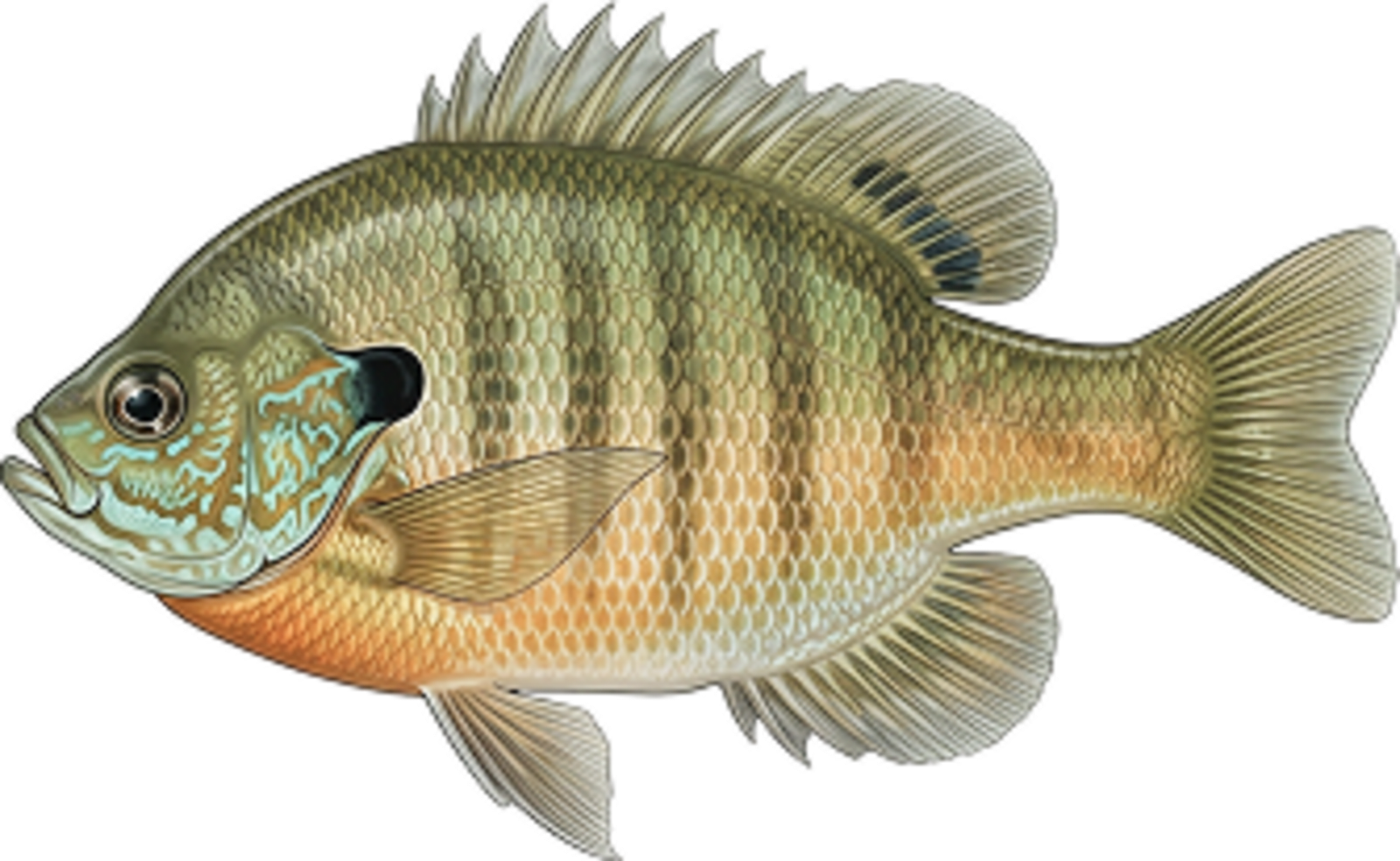
Bluegill
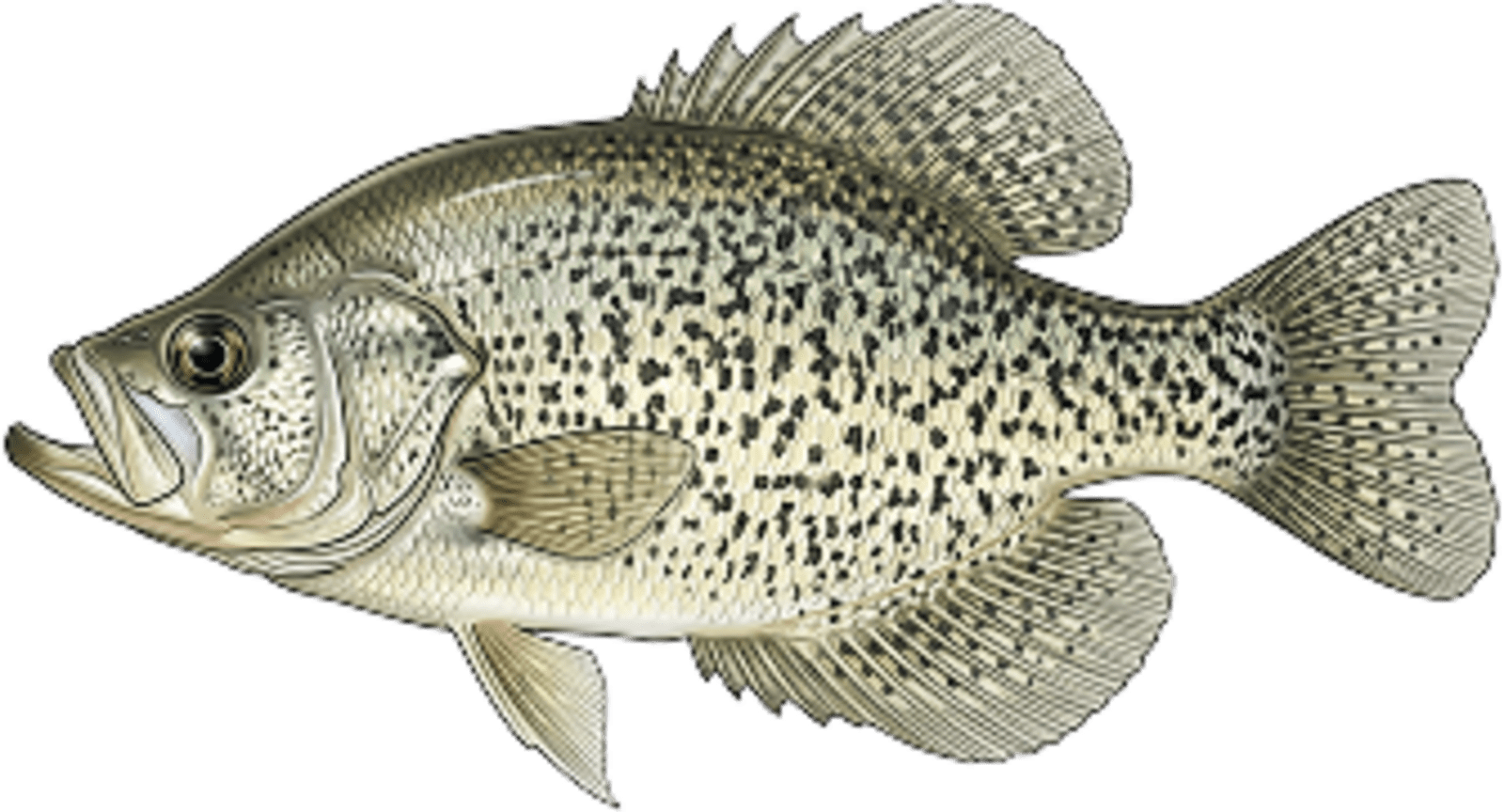
Crappie
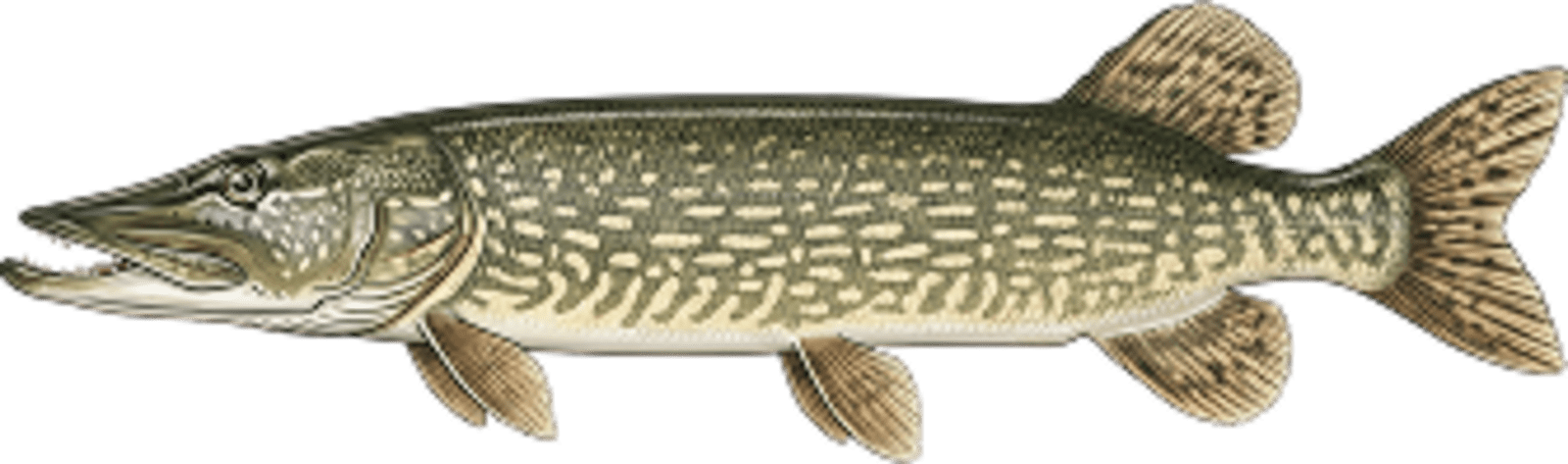
Northern pike
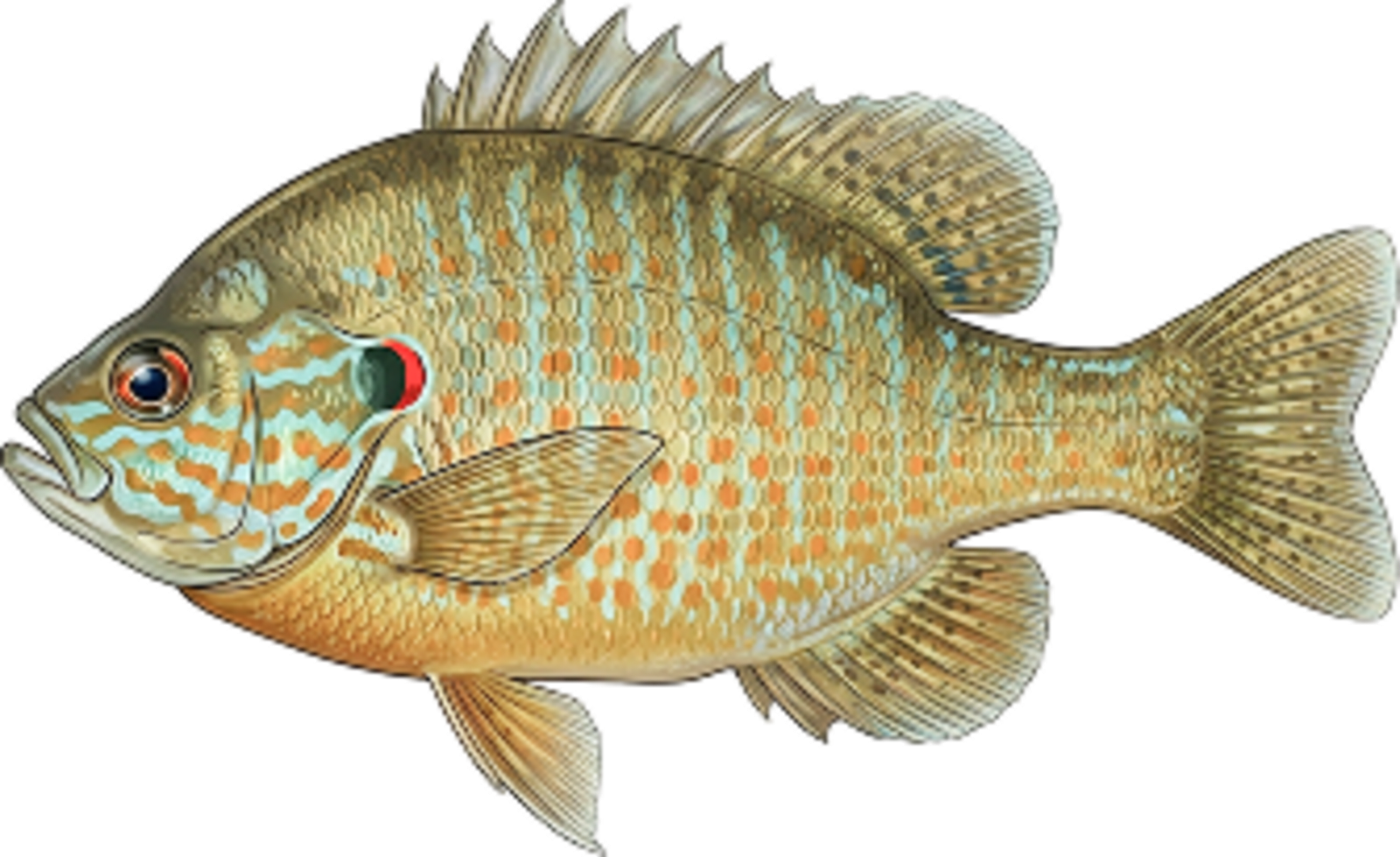
Pumpkinseed
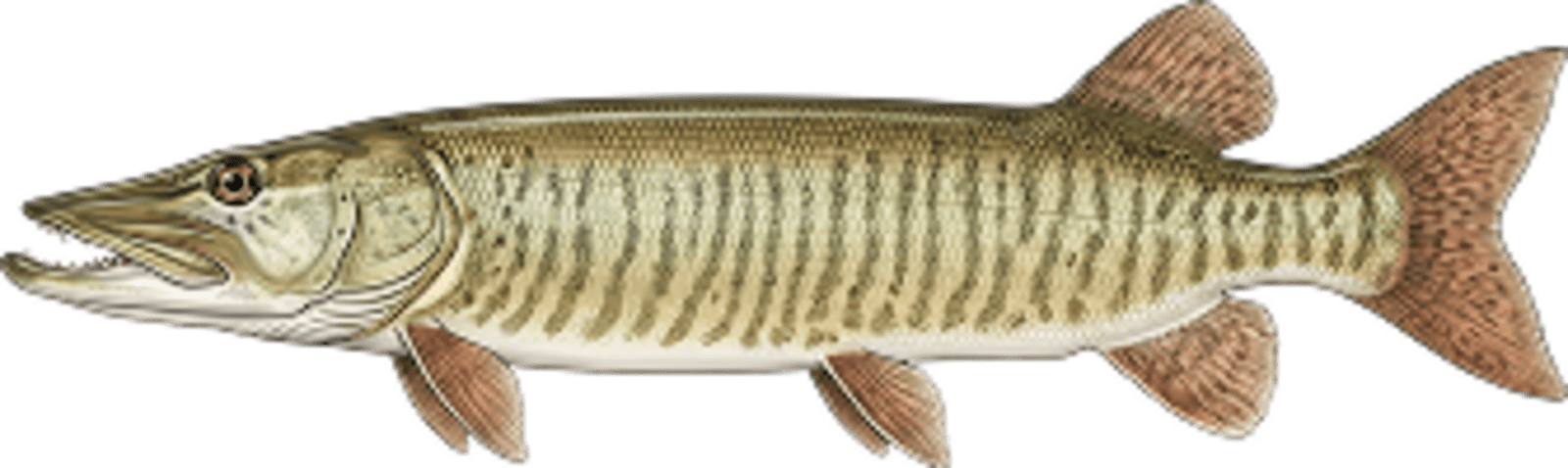
Muskellunge
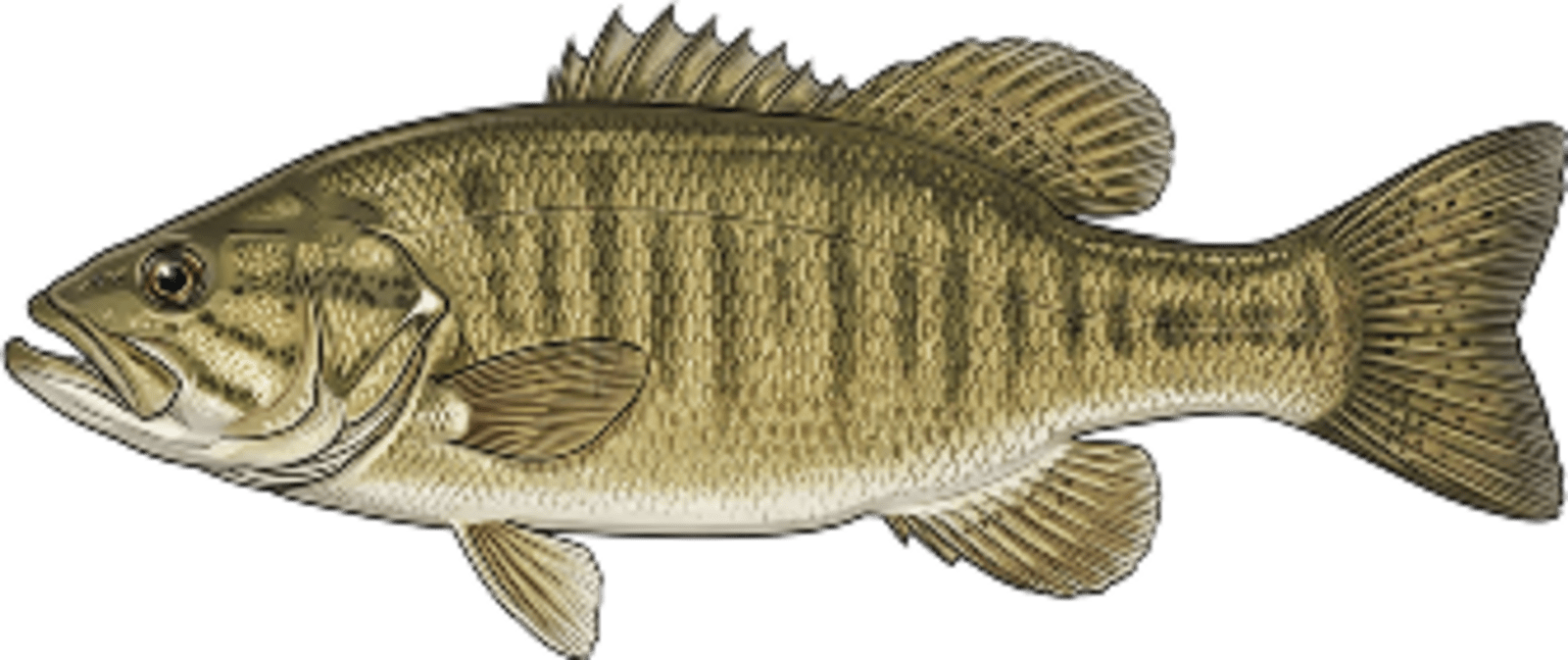
Smallmouth bass
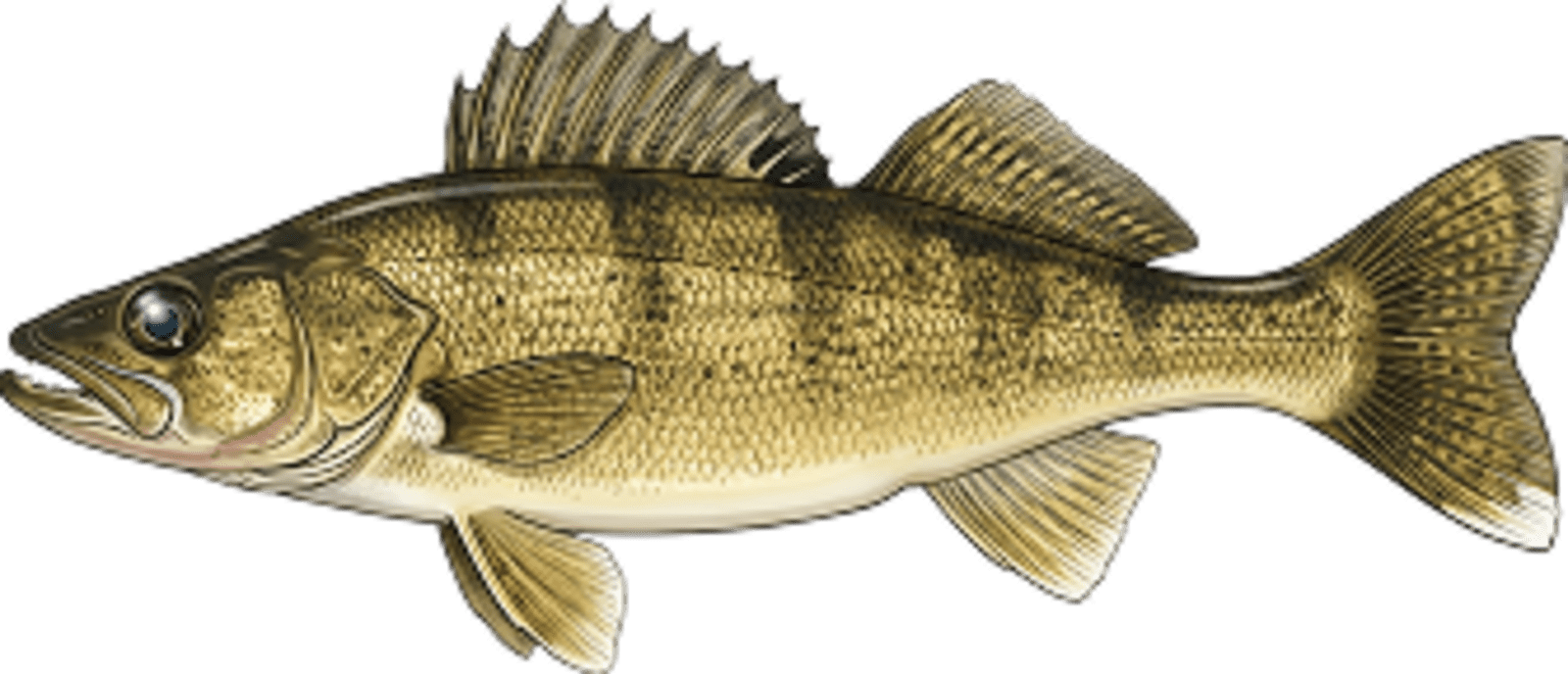
Walleye
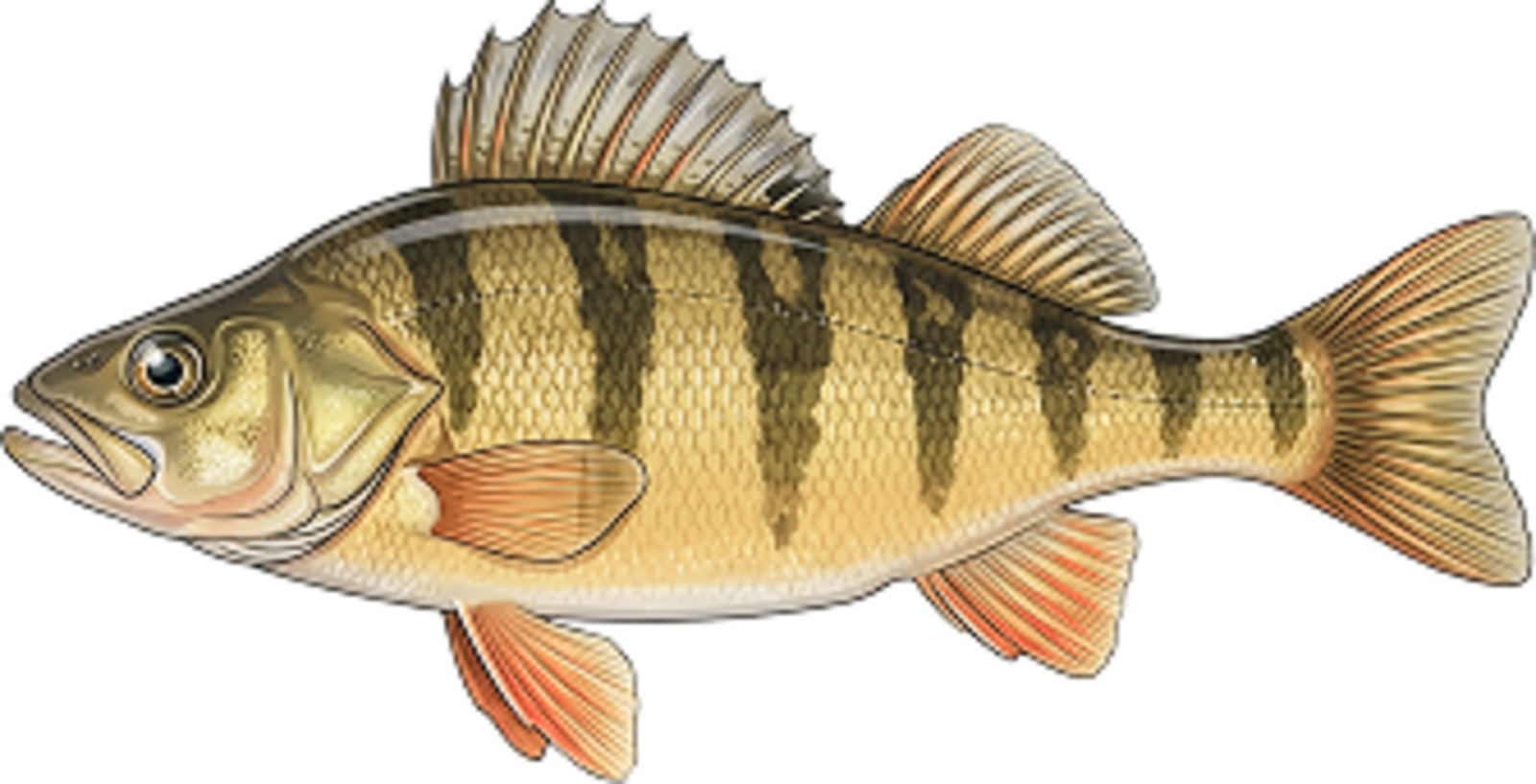
Perch
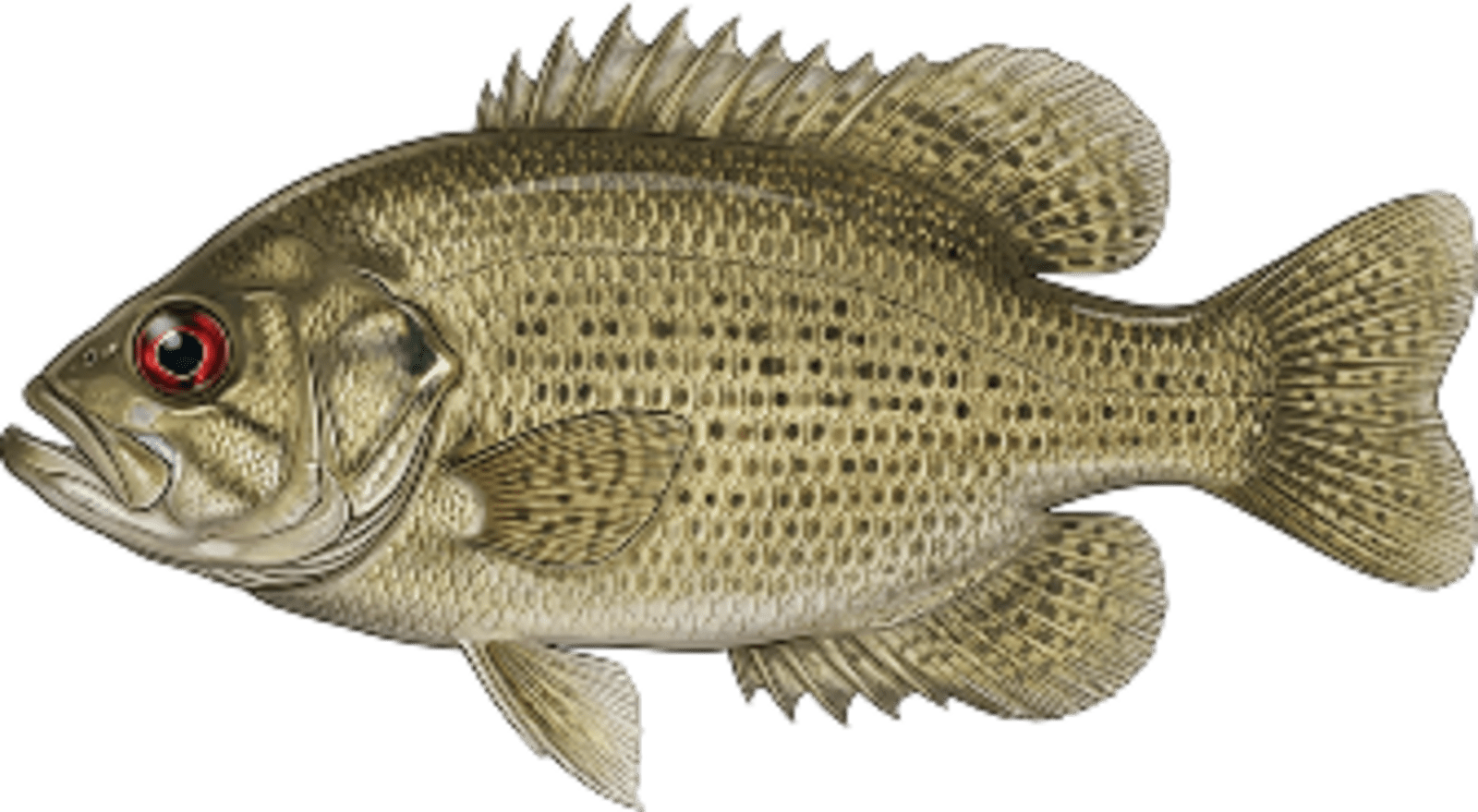
Rock bass
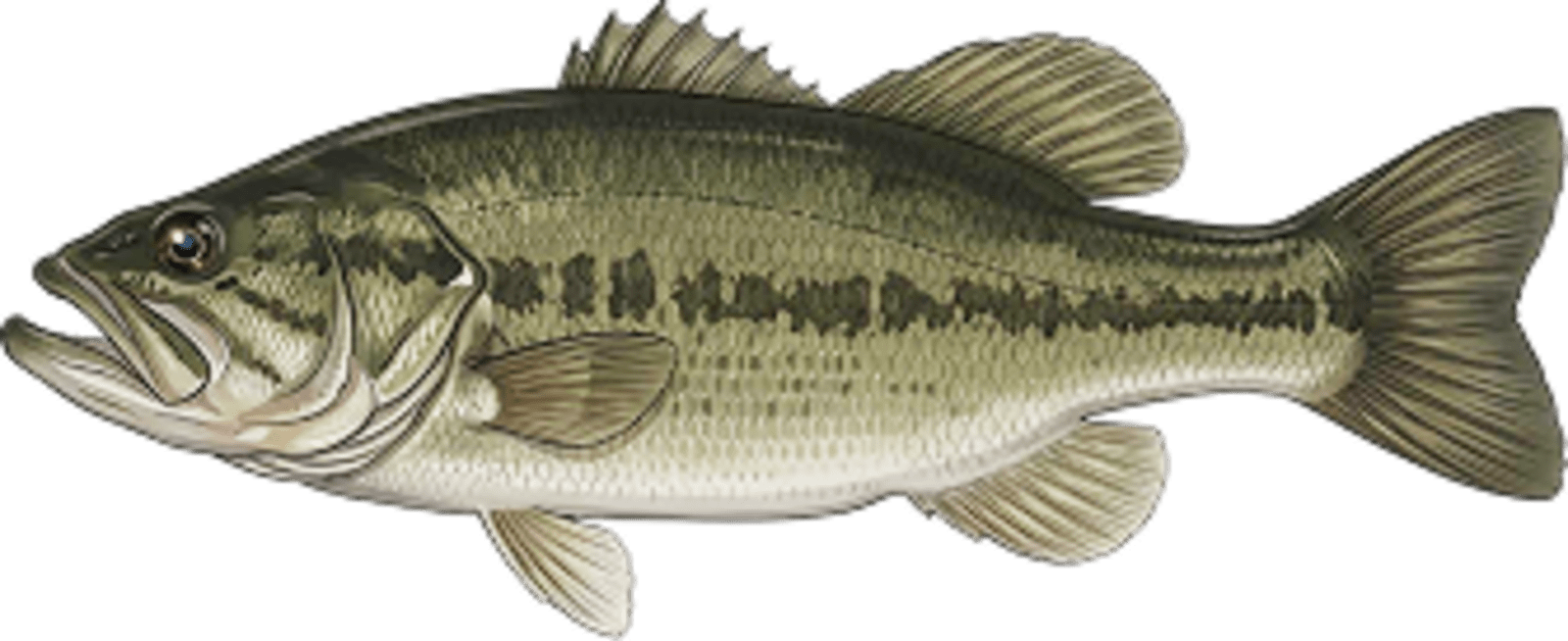
Largemouth bass
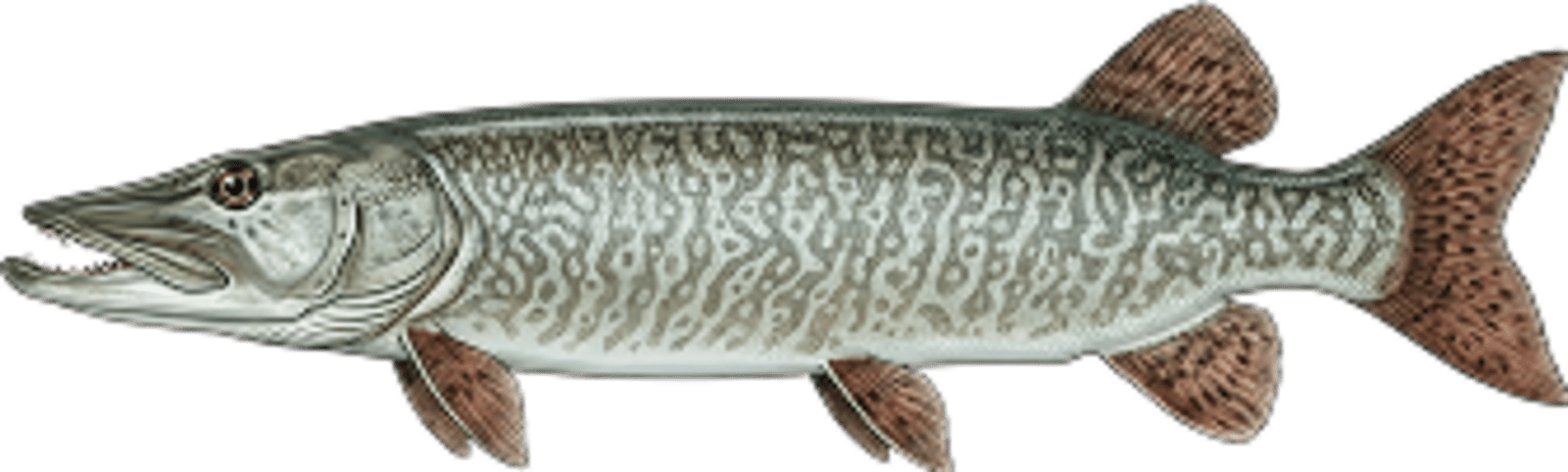
Tiger muskellunge
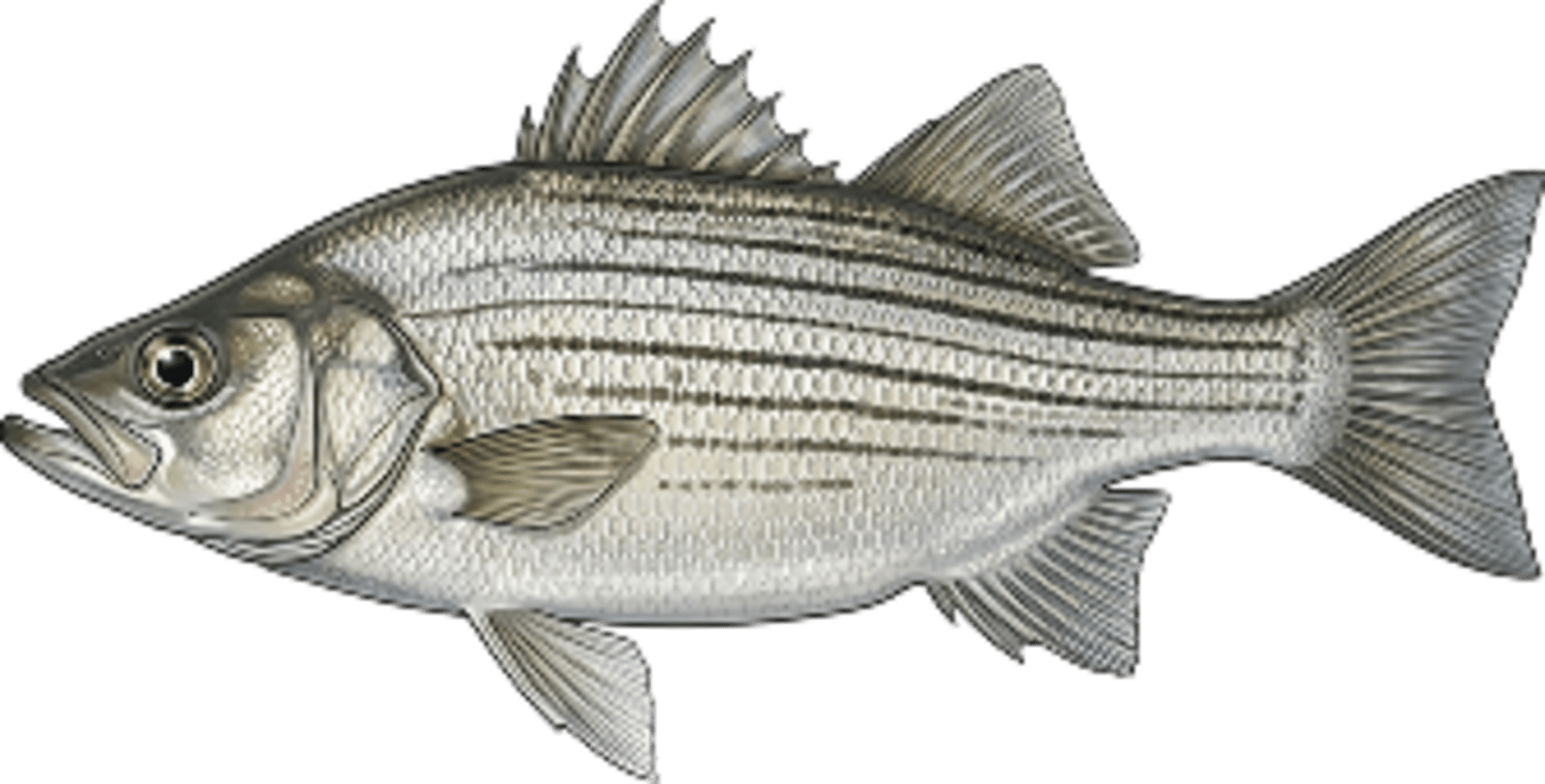
White bass
Overview
The bass population here offers both quality size and good numbers. This metropolitan lake is surrounded by 15 communities. Comprised of a series of smaller, interconnected lakes and bays that, when totaled, ranks as the 10th largest lake in Minnesota. 14,528 acres
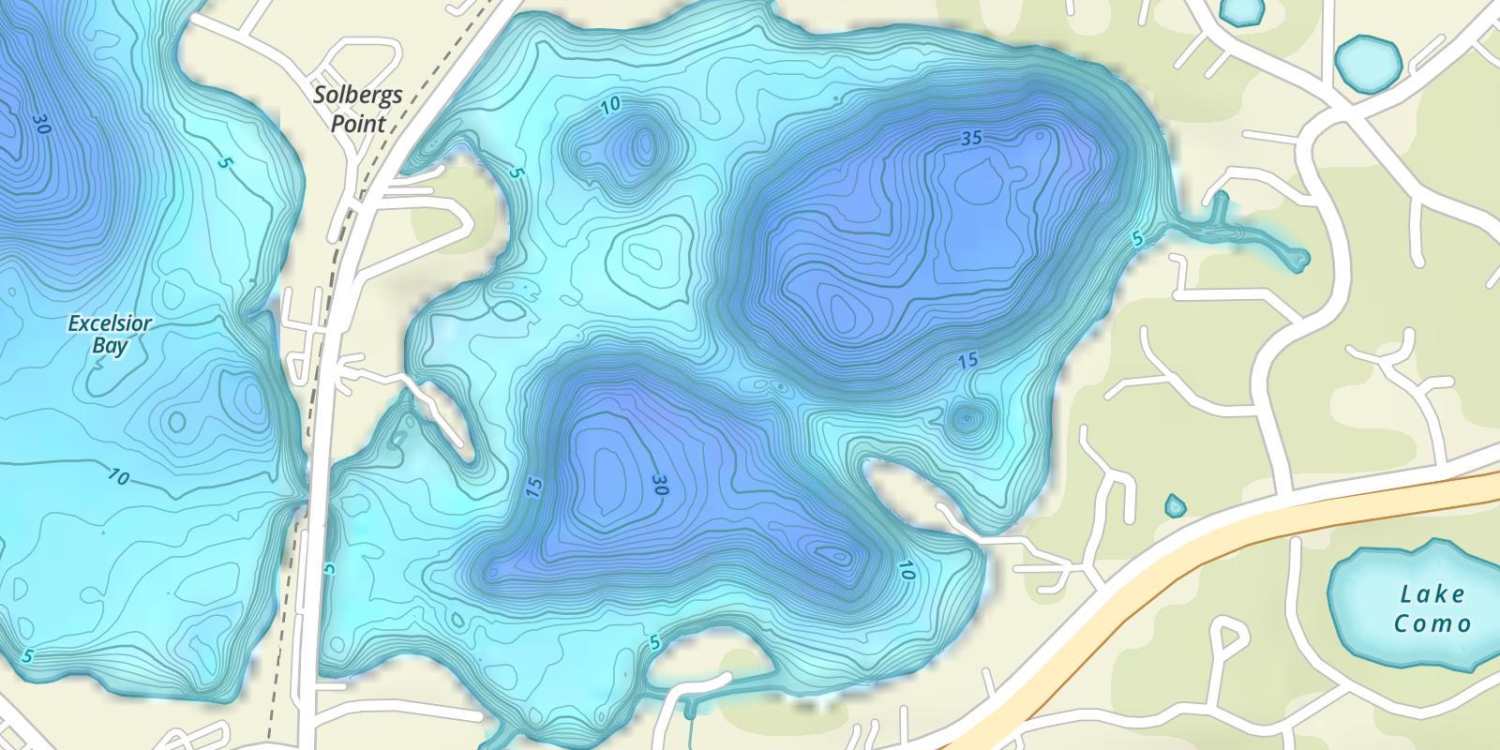
Lake Minnetonka Map
Features
Located just west of the Twin Cities, Lake Minnetonka offer something for everyone. There are 15 communities and plenty of nice houses that surround a series of interconnecting lakes and bays, that when totaled, is rank as the 10th largest lake in Minnesota. Recreational traffic can be extremely heavy during the summer. However, if you can handle the traffic, Lake Minnetonka offers one of the top fisheries in the country. High-quality largemouth bass, bluegills, walleyes, muskies, crappies, smallmouth bass and northern pike are all available. Largemouth bass being the most popular, attracts many local and national bass tournaments every year. Many of the largest bass caught during the year come from Minnetonka. Anglers can expect good populations and above average size for most species.
Forage
Many different species of minnows are present and include; golden shiner, common shiner, emerald shiner, bluntnose shiner, brook silversides and darters. Juvenile panfish, perch and bullhead are also a favorite forage for many gamefish. Crawfish and suckers are also present.
Seasonal Movements
During the spring, walleyes move into rocks, sand and shallow shorelines to spawn. Spawning usually takes place from early May to mid-June. During the summer fish will move throughout the lake. Smallmouth bass will also move into shallow gravel and rock areas during the spring to spawn. Look for areas with gravel and small boulders which are preferred by smallmouths. From ice out to early summer crappies and bluegills also head for the shallows to spawn. There are many different shore fishing areas located around the lake that offer fantastic fishing opportunities for anglers.

Get Your Line in the Right Water
Quickly find the best places to fish and plan your day right.
Top Fish Species
Bluegill
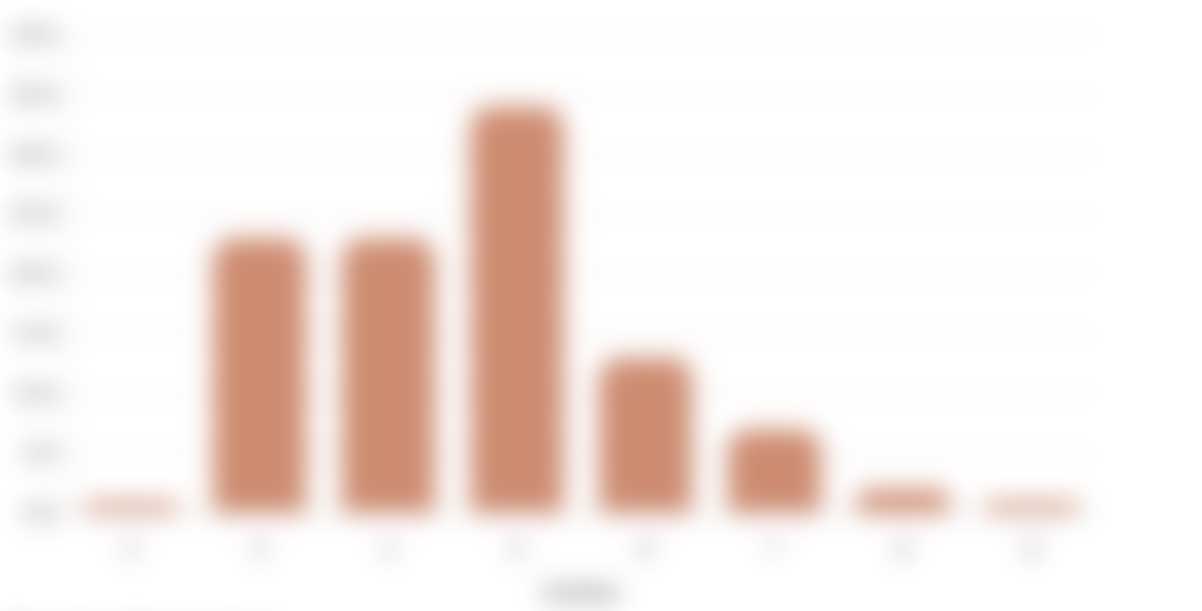
2-9 in
Length Range
6 in
Length Range
2022
Surveyed
Abundance (CPUE)

Understanding Abundance
Abundance ratings are based on Catch Per Unit Effort (CPUE) measurements conducted by the MN DNR, and represent a snapshot of a species population at a given point in time
Source: Minnesota Department of Natural Resources. Survey cadence may vary by state and water body.Species Lengths
2019
Jun
2022
Jun