Size
NA
Boat Launch
Carry-in Launch
Toilet
No
Boat Dock
Species in Locke Creek
Overview
The walleye population in Oahe is top-notch. Northern pike and white bass round out the primary species available on this Missouri River impoundment. Channel cats and Chinook salmon are a bonus!
Locke Creek Map
Features
This section of Lake is located in central South Dakota, between the City of Mobridge to the north and the City of Pierre to the south. The U.S. Army Corps of Engineers began construction of the Oahe Dam on the Missouri River in 1948 and completed the project in 1962. The dam was built to control flooding, provide hydroelectric power and supply water for irrigation. Oahe Dam is the world’s second largest rolled earth-filled dam.
The land from the water’s edge inland to the government boundary stakes is owned by the federal government and is open to public use. Locals refer to this area as the “take line.”
The Cheyenne River and Standing Rock Indian Reservations are located along the west shore. In addition to Oahe’s famed fishing, the adjacent public hunting grounds offer excellent waterfowl, upland game and big game hunting opportunities.
Weather conditions can change quickly on Oahe. Storm fronts often move with frightening speed- always be aware of the weather conditions. This can be an extremely rough lake, especially for smaller boats.
The Moreau River region of Lake Oahe offers anglers numerous opportunities for a variety of species. Although the quality walleye fishery dominates most angler’s attention, white bass and catfish should also be recognized for their excellent sporting qualities.
Forage
The primary forage for walleye is spottail shiner. Perch, goldeye, drum, emerald shiner and white bass are also utilized. In 1971, rainbow smelt were introduced into Lake Sakakawea in North Dakota. By 1977 they established in Lake Oahe and now provide the significant coldwater forage base for salmon and trout.
Seasonal Movements
During spring, walleye, northern pike and white bass move into the shallow creek and river arms to spawn. Northern Pike are first to spawn, usually from the last week of March to the second week of April. Walleye and white bass spawning generally occurs during April. The Moreau River, Swan Creek and Swift Bird Creek are major spawning sites.
Chinook salmon have two seasonal movements. From spring through summer, they migrate toward the cooler water near the dam. As fall approaches, some mature salmon move back to the Whitlocks Bay area where they were originally planted.
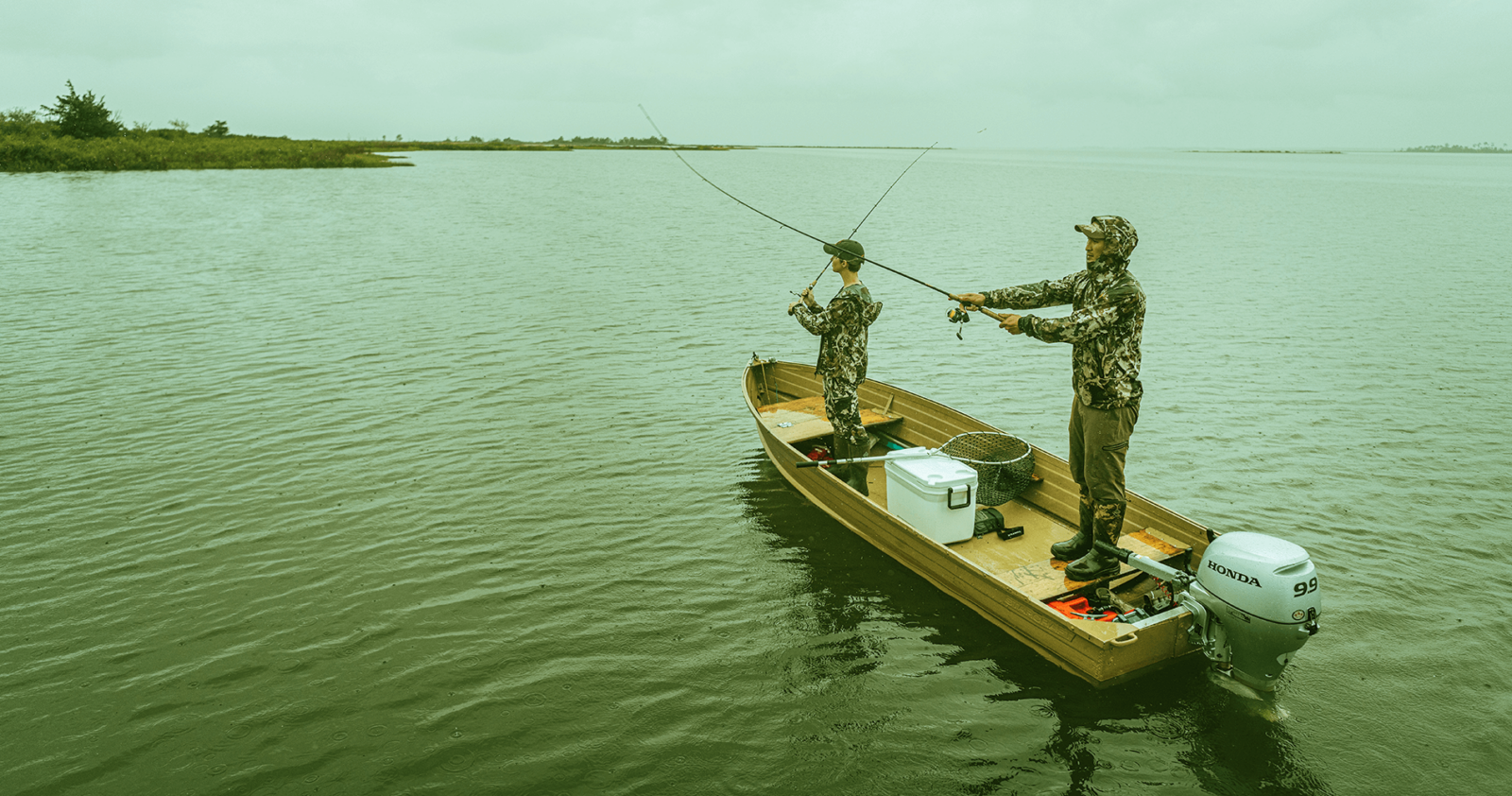

Get Your Line in the Right Water
Quickly find the best places to fish and plan your day right.
Top Fish Species
Northern pike
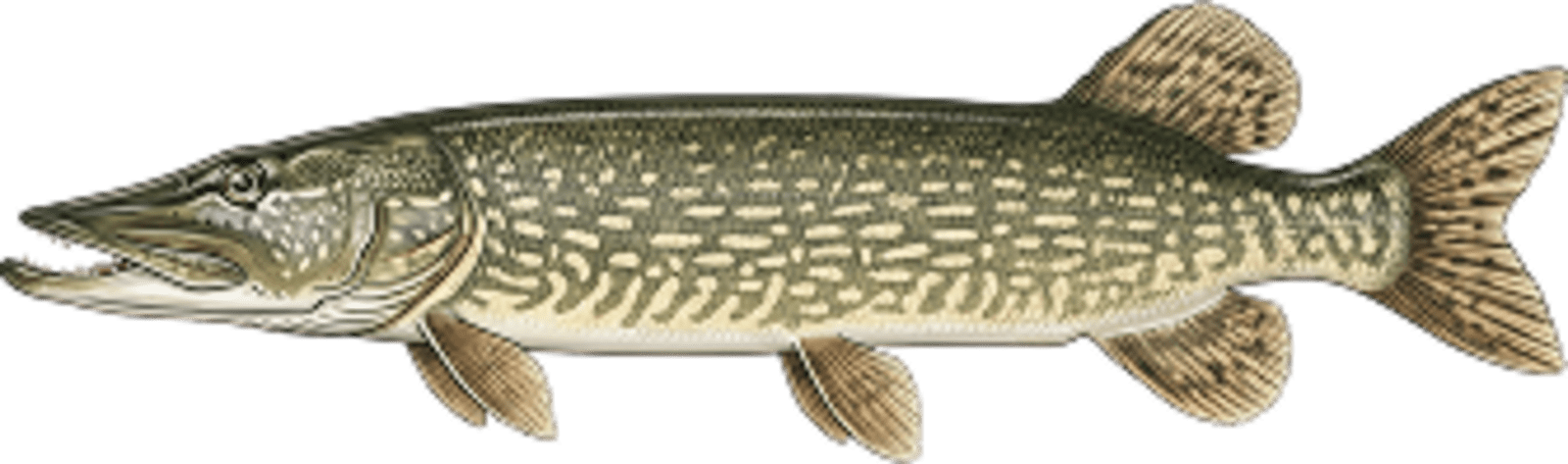
No survey data
Abundance (CPUE)

Understanding Abundance
Abundance ratings are based on Catch Per Unit Effort (CPUE) measurements conducted by the MN DNR, and represent a snapshot of a species population at a given point in time
Source: Minnesota Department of Natural Resources. Survey cadence may vary by state and water body.Species Lengths