Size
857ac
Boat Launch
Carry-in Launch
Toilet
No
Boat Dock
Species in Big Creek Lake
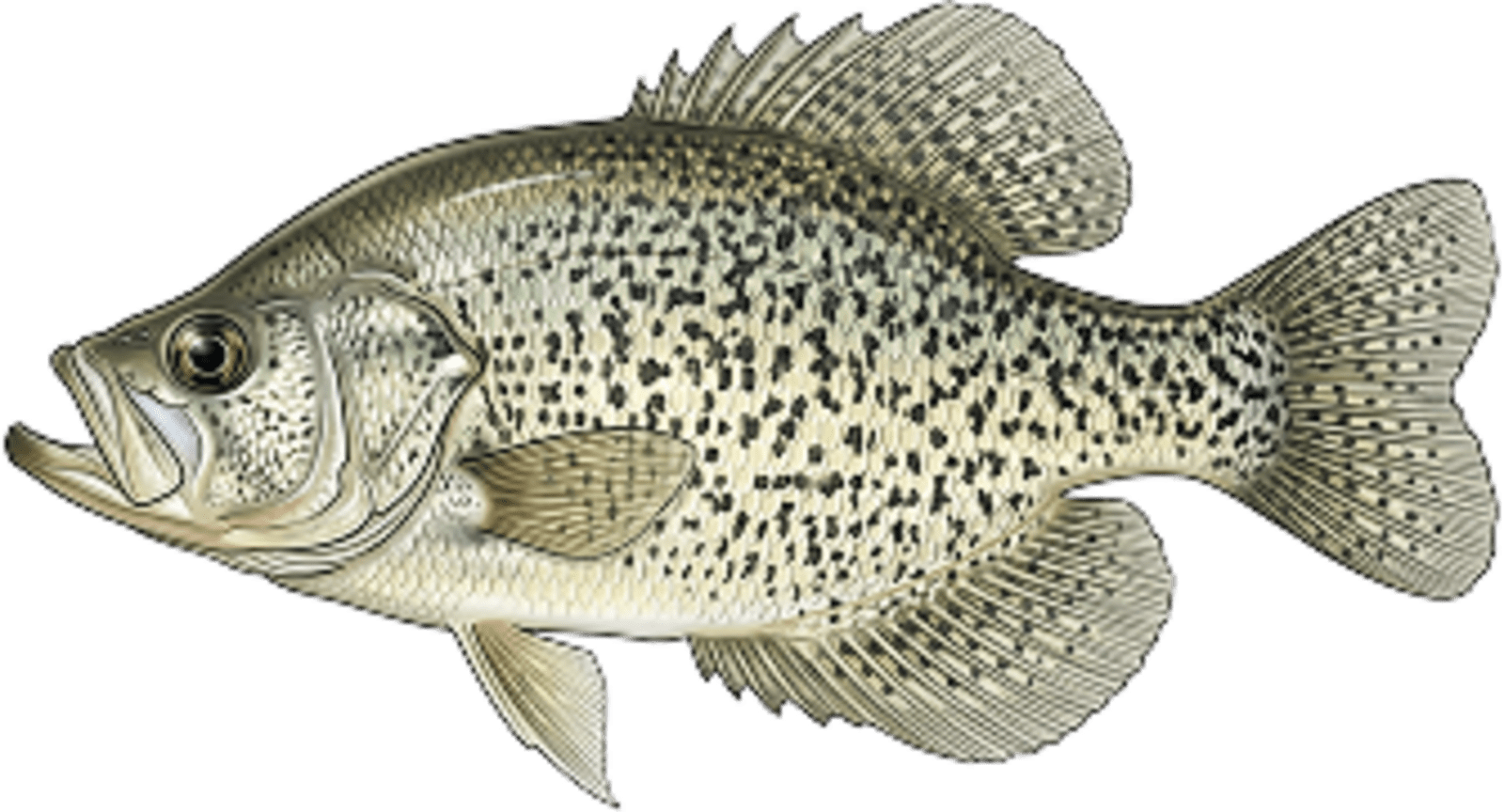
Crappie
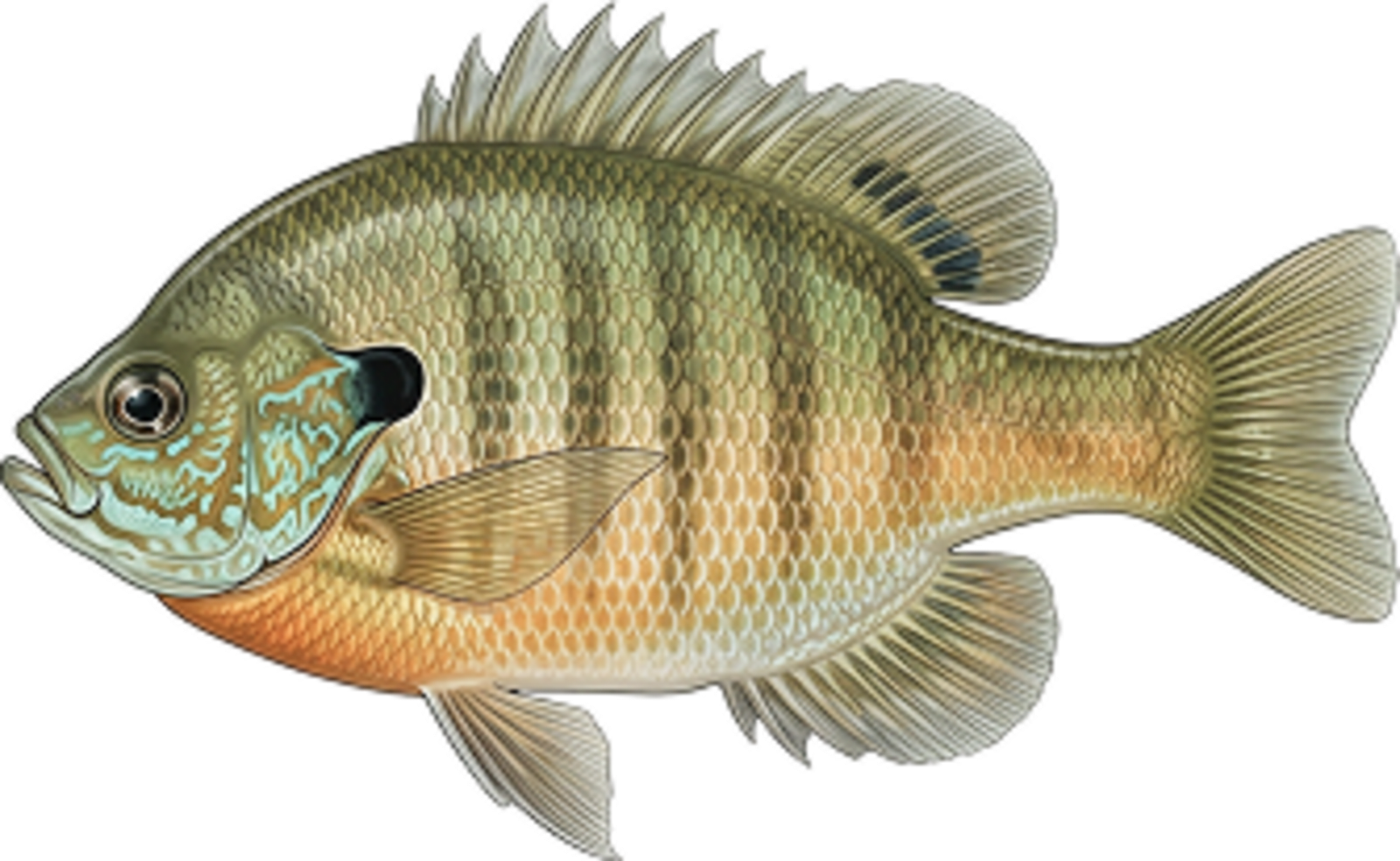
Bluegill
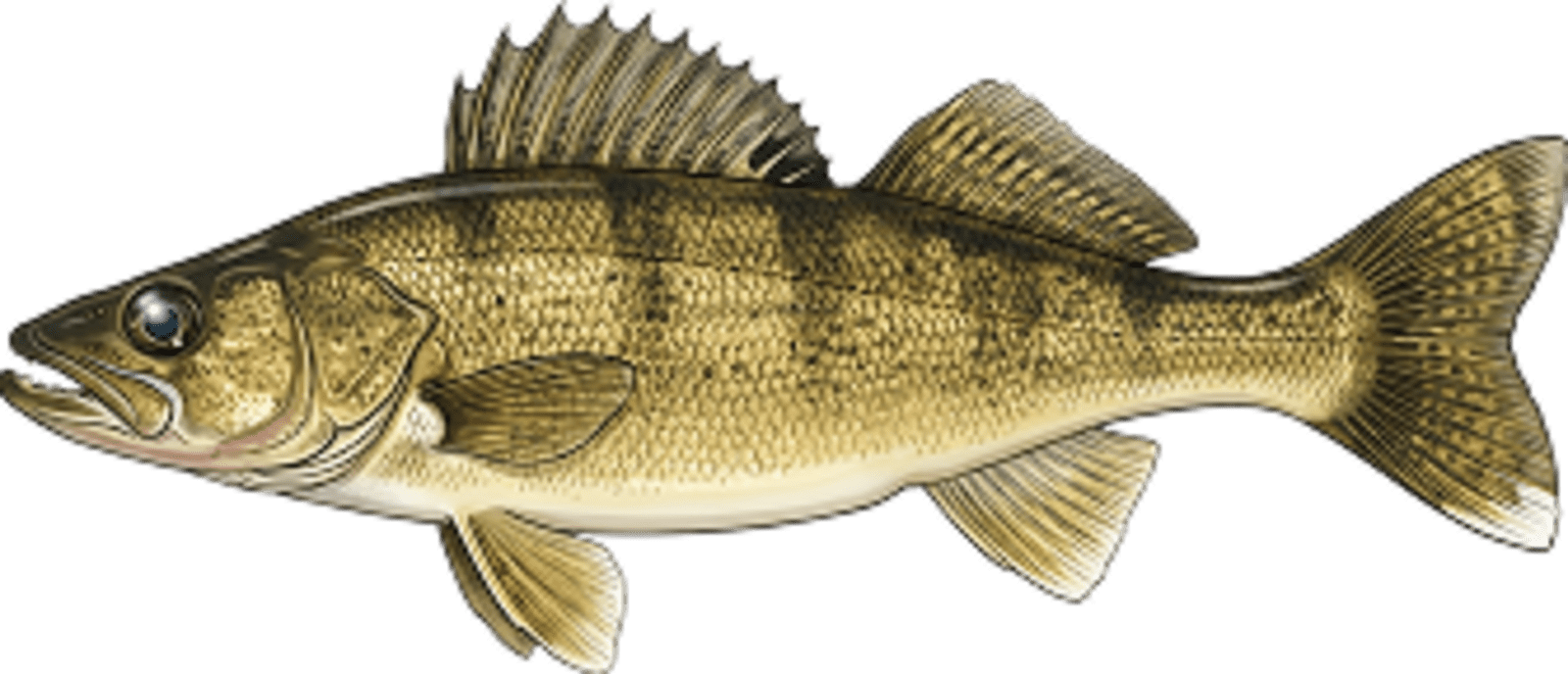
Walleye
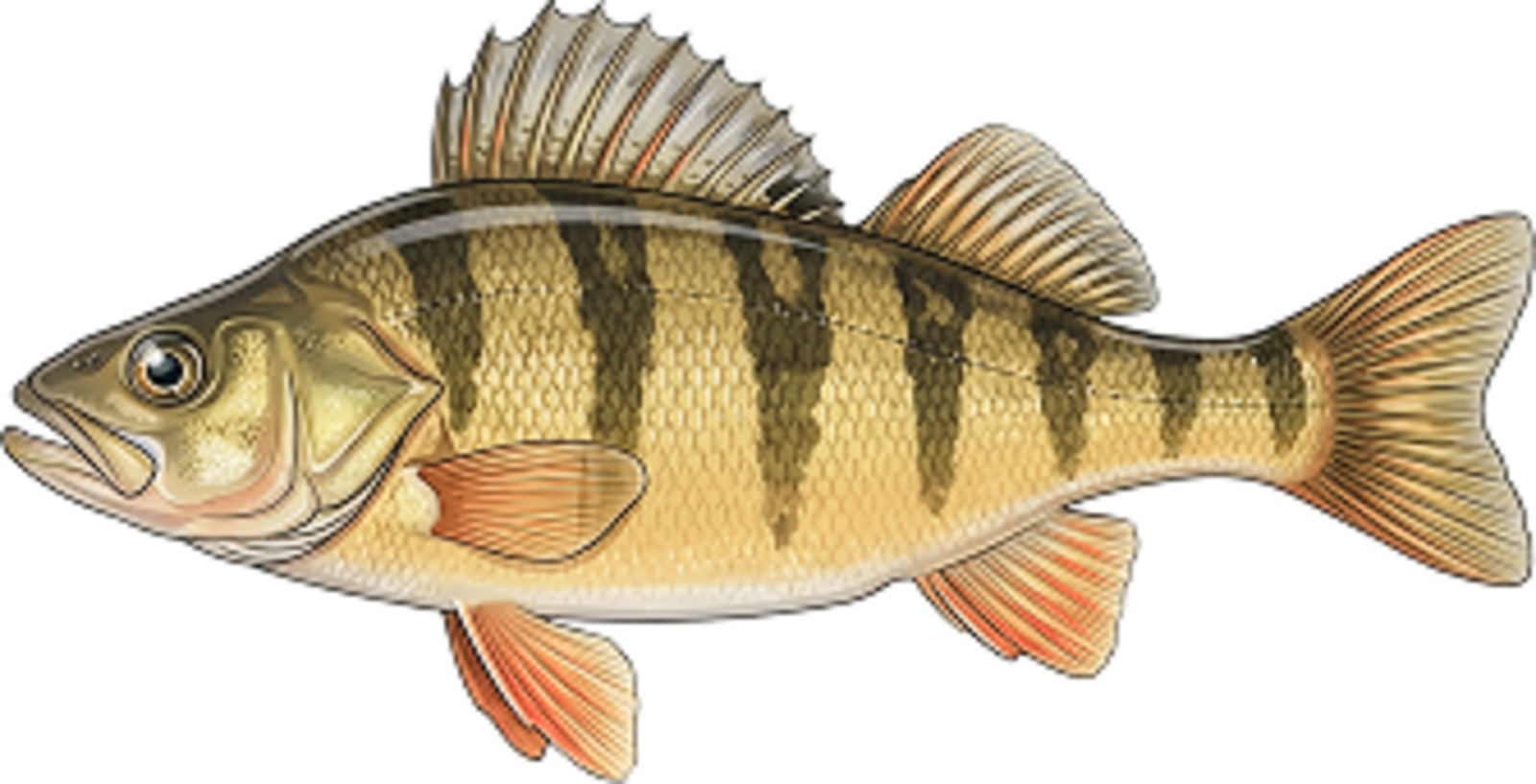
Perch
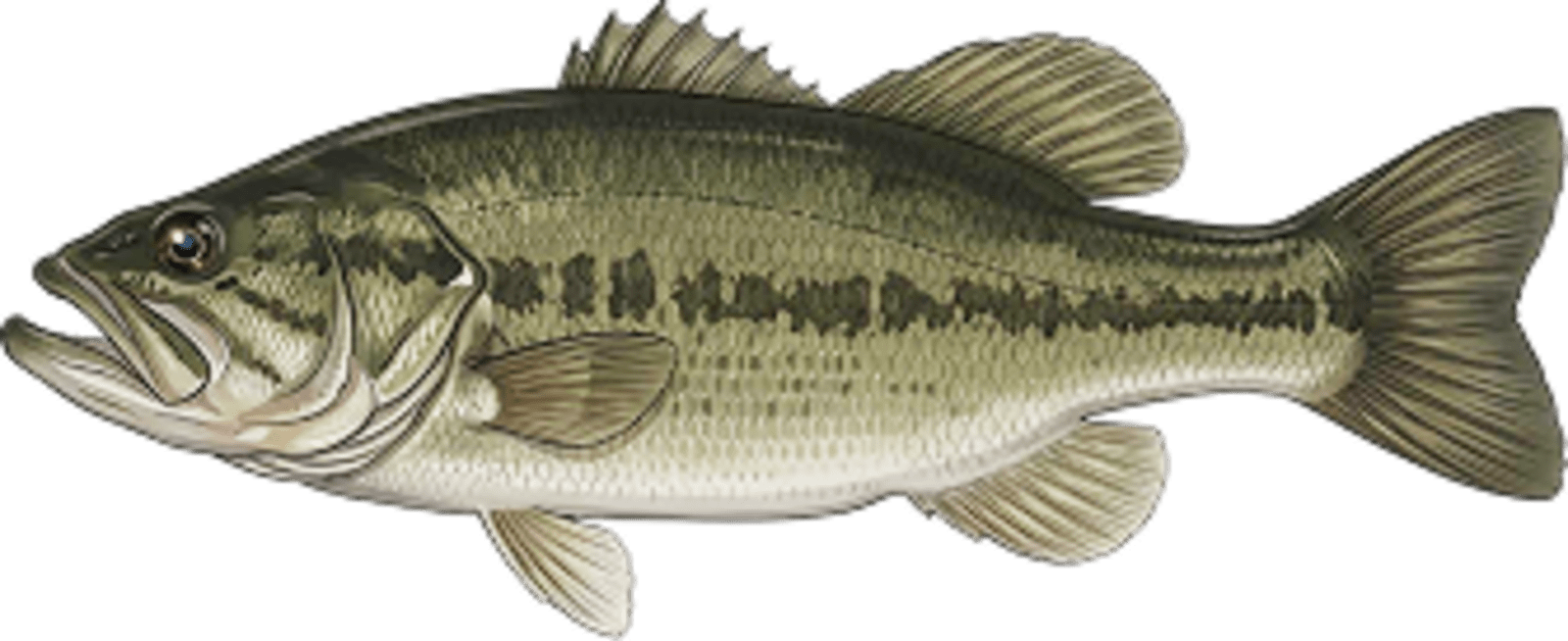
Largemouth bass
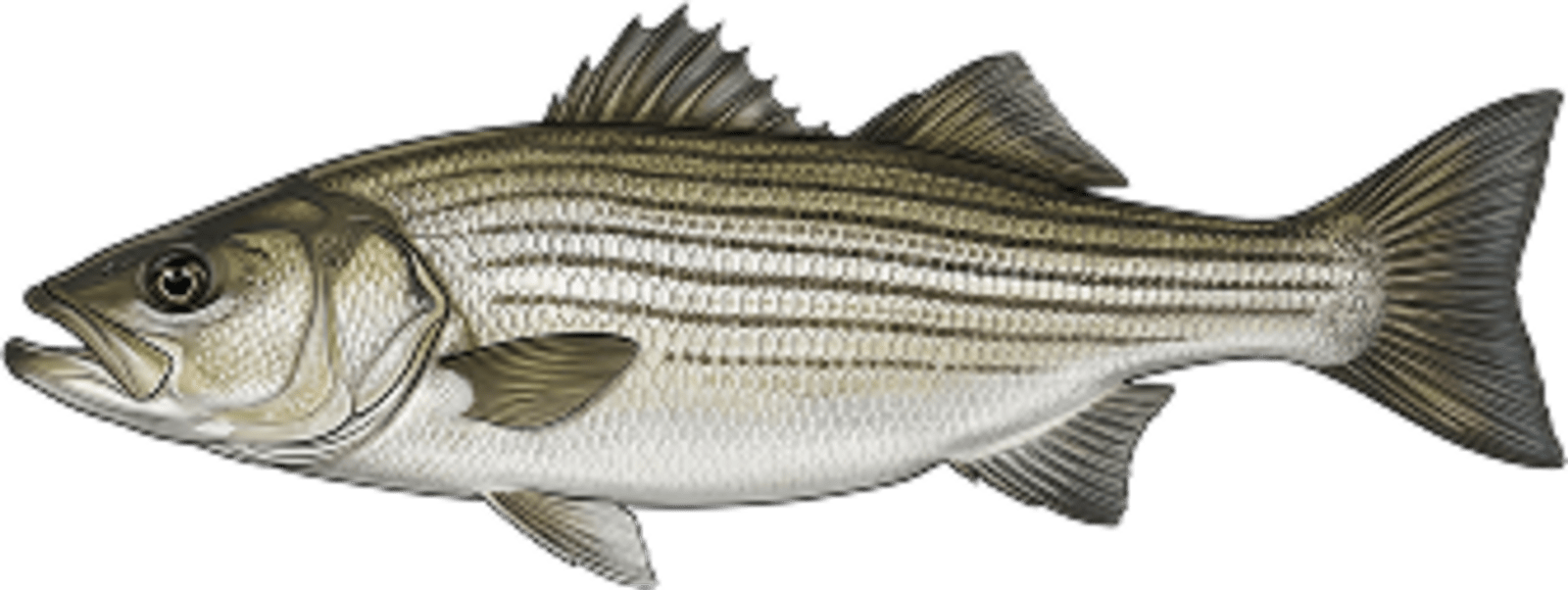
Striped Bass
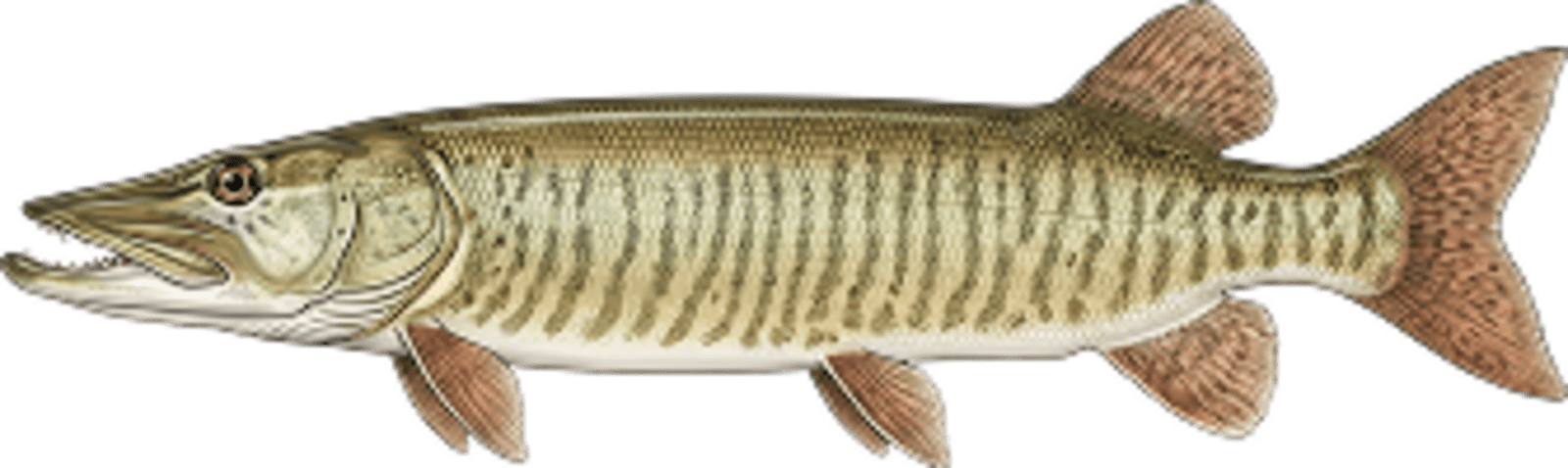
Muskellunge
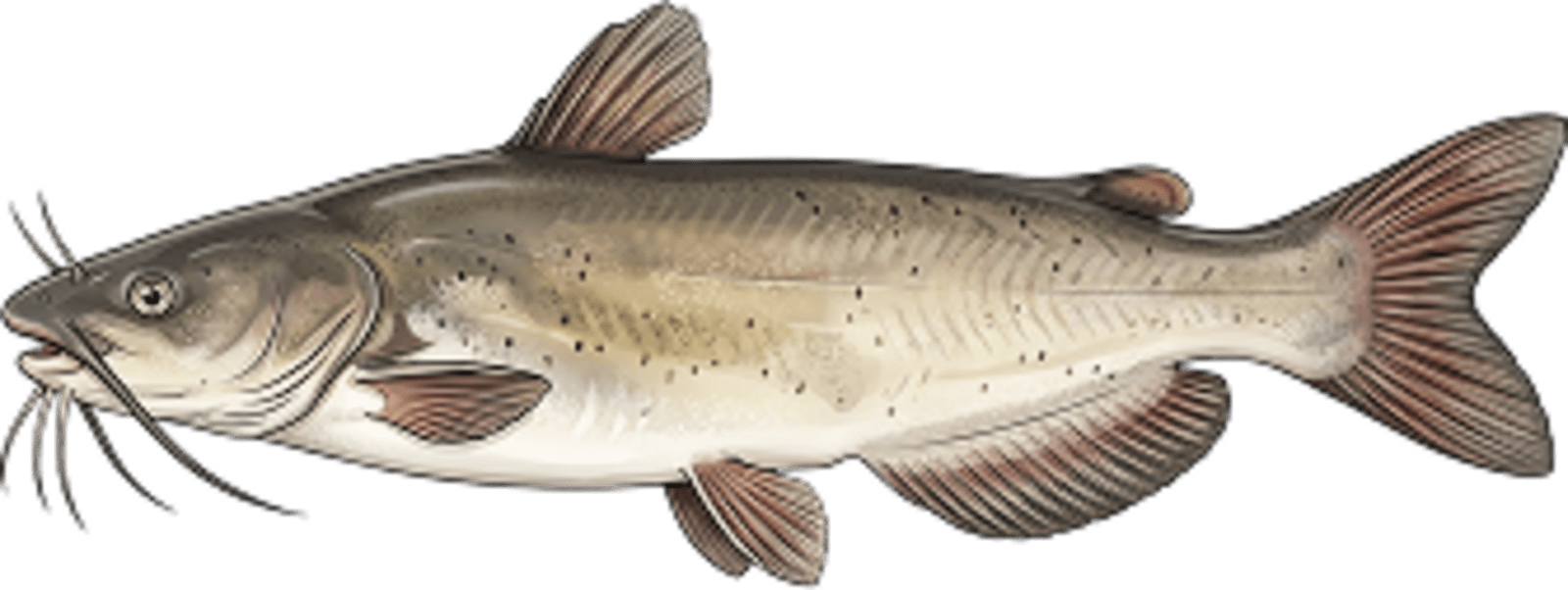
Channel catfish
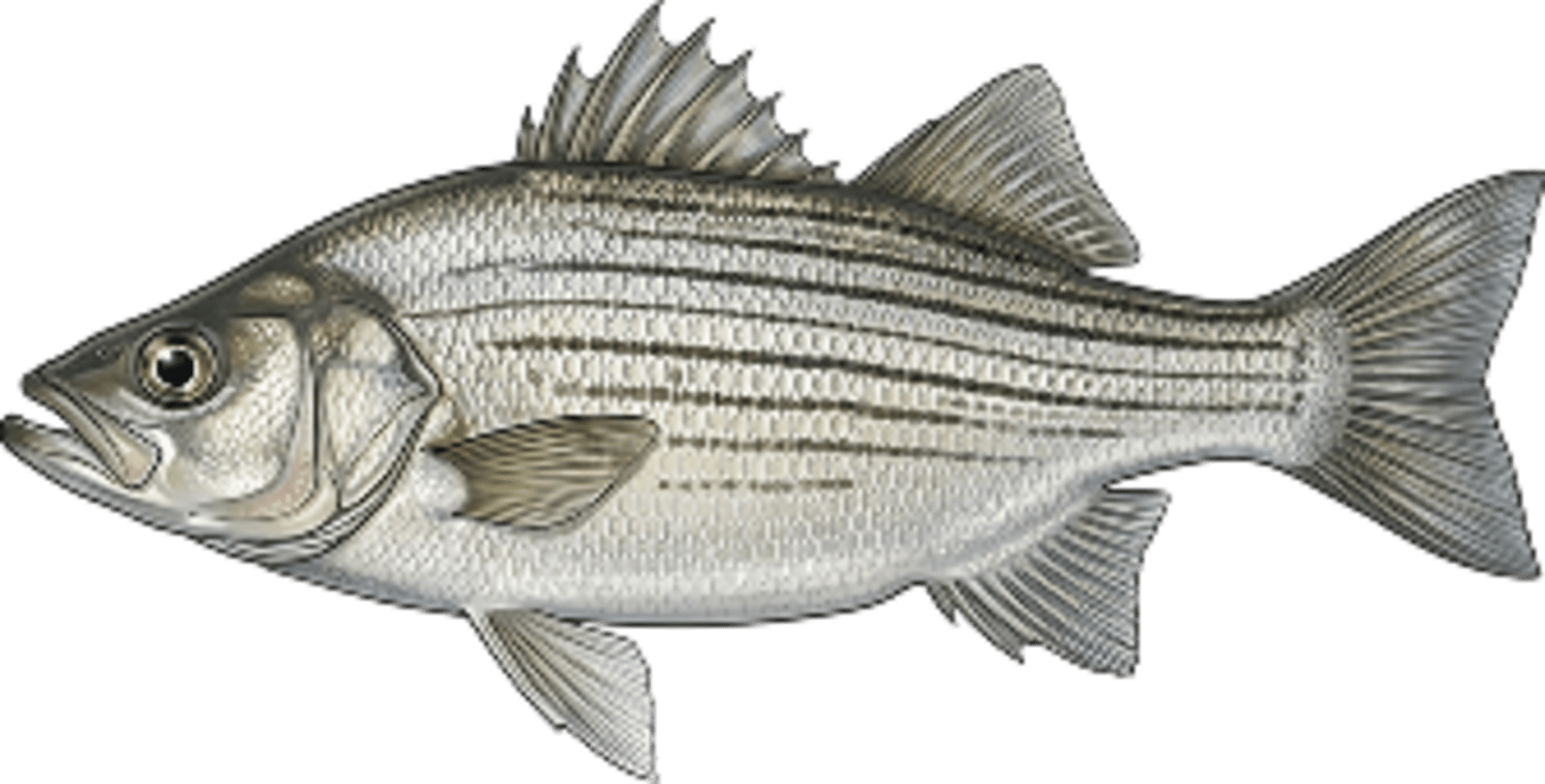
White bass
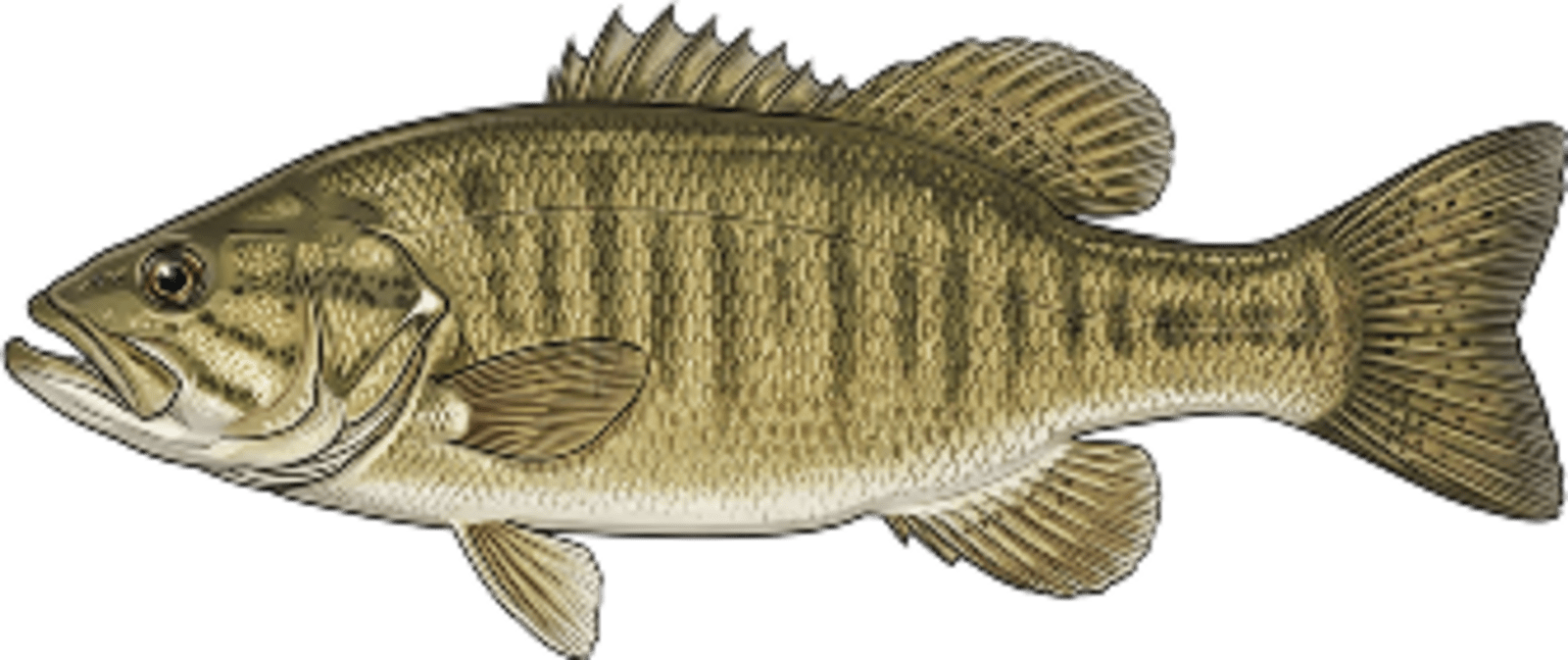
Smallmouth bass
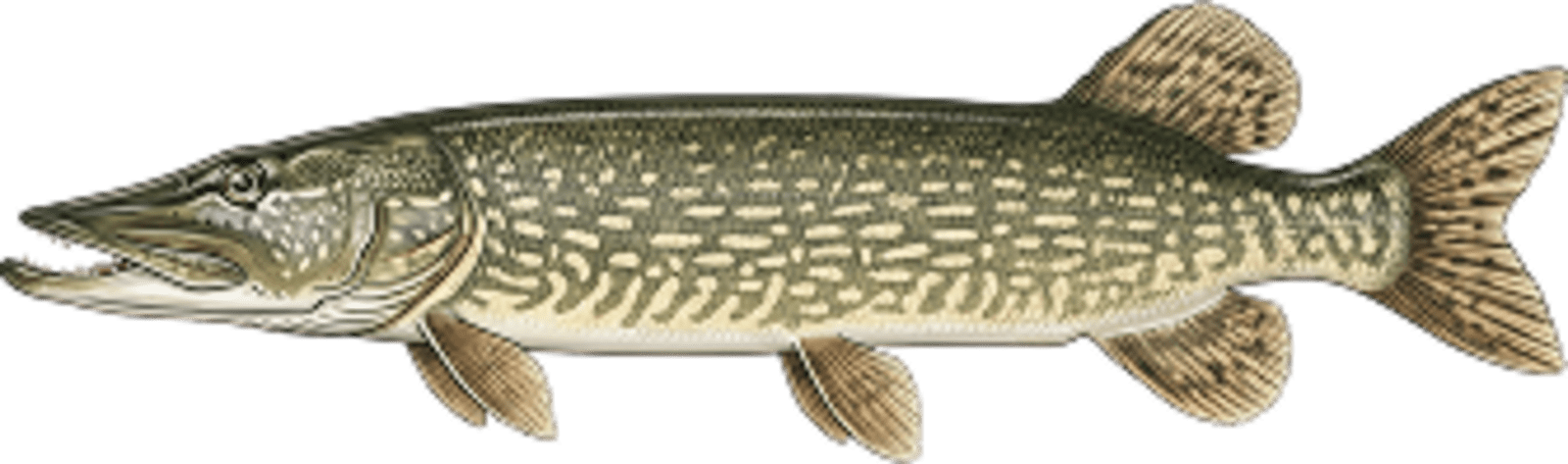
Northern pike
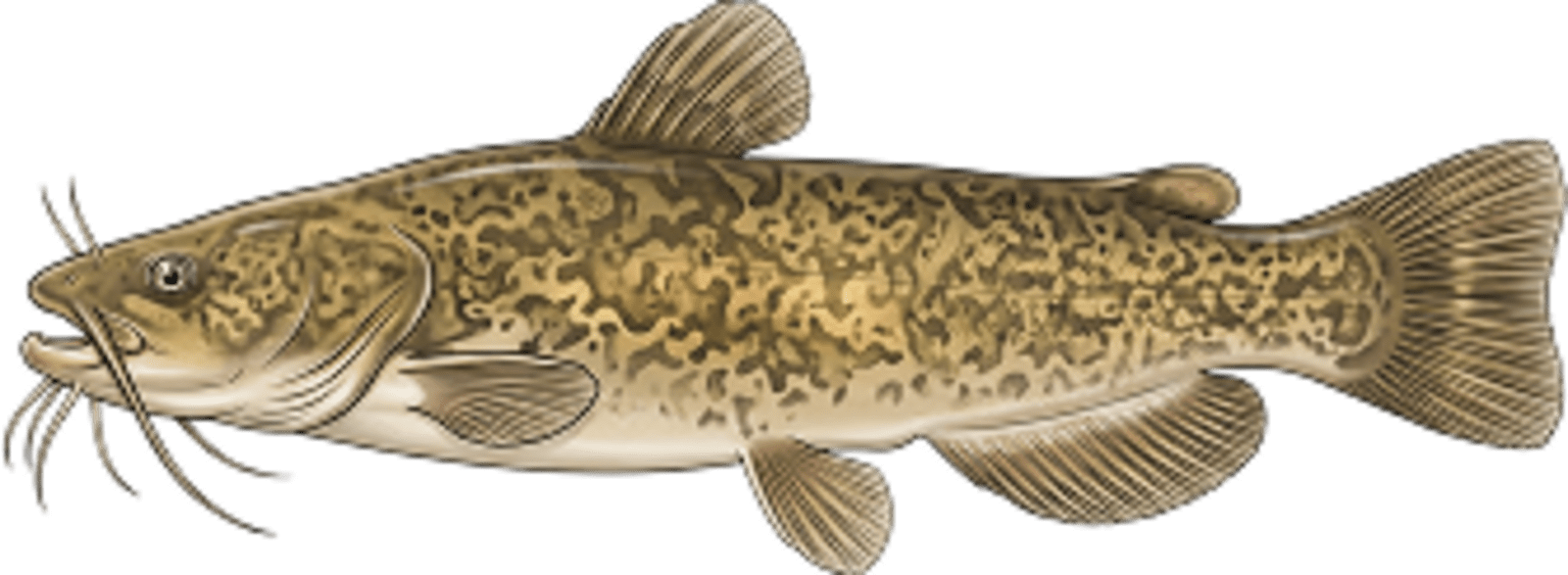
Flathead catfish
Overview
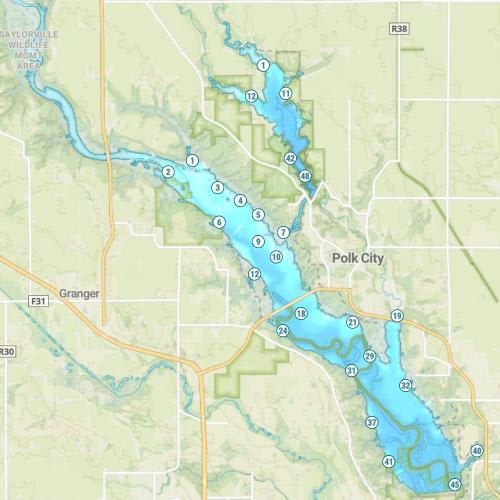
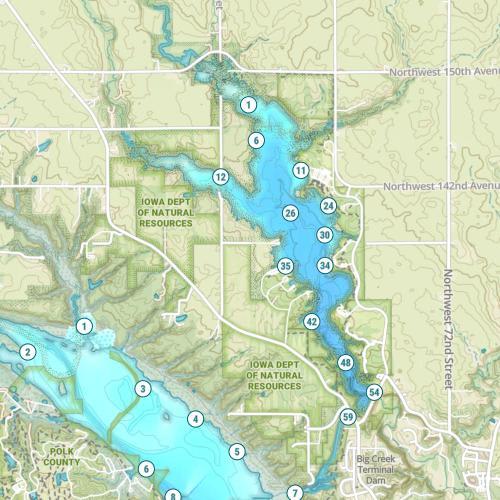
Big Creek Lake Map
Fishing Regulations
Special Fishing Regulations: This lake has special fishing regulations that differ from statewide or border water regulations for those species identified below and take precedence. Regulations listed below are currently in place. Visit the fishing regulations page for links to upcoming regulations for specific lakes.
Special Waterbody Regulations
- NULL
- No more than one walleye longer than 20 inches may be taken per day
Special Species Regulations
- Largemouth Bass: Continuous: Daily Bag Limit: combined black bass, 3 fish. Possession Limit: combined black bass, 6 fish. Length Limit: 18-inch minimum.
- Walleye: Continuous: Daily Bag Limit: 3 fish. Possession Limit: 6 fish. Length Limit: 15-inch minimum length limit.
Features
During summer, recreation use is heavy, with large powerboats, sailboats, jet skis and fishing rigs. Many anglers fish the early morning hours due to the high daytime use from June through September. There are no special boating restrictions except for the beaches that are marked with buoys. Boaters are reminded to stay 100 yards or more from the outlet tower. Water levels change drastically. “Low water” describes near normal conditions while “high water” indicates levels from 25 to 55 feet above normal. The U.S. Army Corps of Engineers offers an updated recorded telephone message on water levels, boat ramp accesses and flow rates. This information service, called “The Voice of Saylorville Lake” is reached by dialing 515-276-0433. The message does not include fishing reports.
Forage
Gizzard shad are the primary forage base. River shiner, emerald shiner, fathead minnow and bluntnose minnow comprise at to the diversity of the forage base. Juvenile panfish are also utilized.
Seasonal Movements
A small number of white bass and hybrid stripers (wipers) moving upstream in major tributaries during spring. White bass and wipers relate to long shallow points and sand flats during summer when spawning shad are available. Movements of all species can be considered seasonal and relate to river water level fluctuations.

Get Your Line in the Right Water
Quickly find the best places to fish and plan your day right.
Top Fish Species
Crappie
5-13 in
Length Range
9 in
Length Range
2025
Surveyed
Abundance (CPUE)

Understanding Abundance
Abundance ratings are based on Catch Per Unit Effort (CPUE) measurements conducted by the MN DNR, and represent a snapshot of a species population at a given point in time
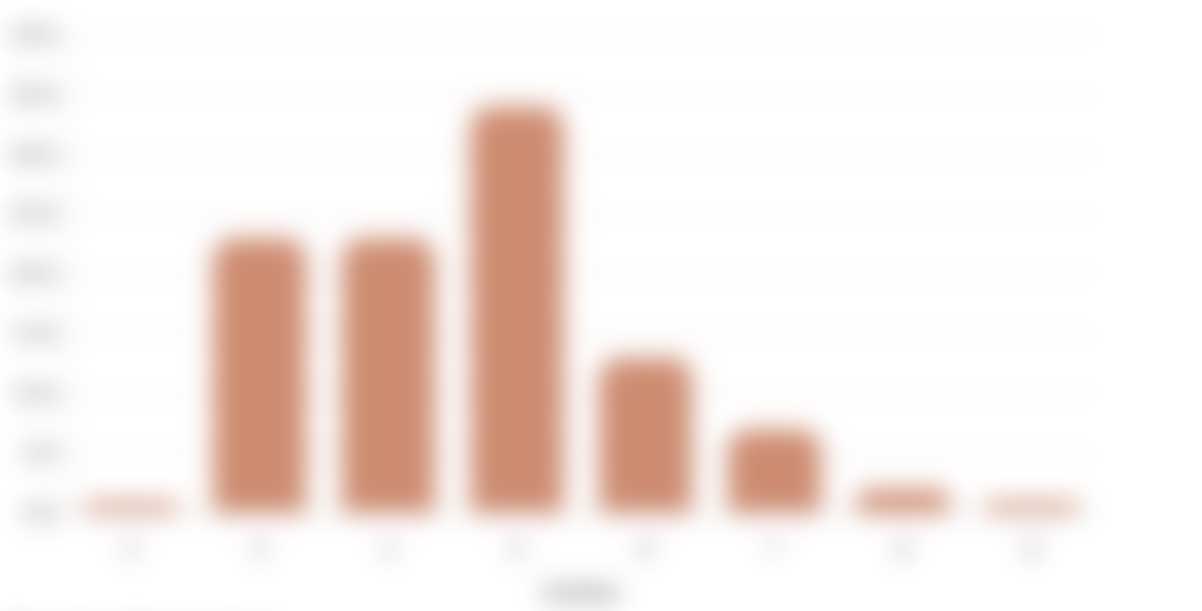
Source: Minnesota Department of Natural Resources. Survey cadence may vary by state and water body.Species Lengths
2025
Jul
2025
Sep