Size
2,136ac
Boat Launch
Carry-in Launch
Toilet
No
Boat Dock
Species in Lake Taneycomo
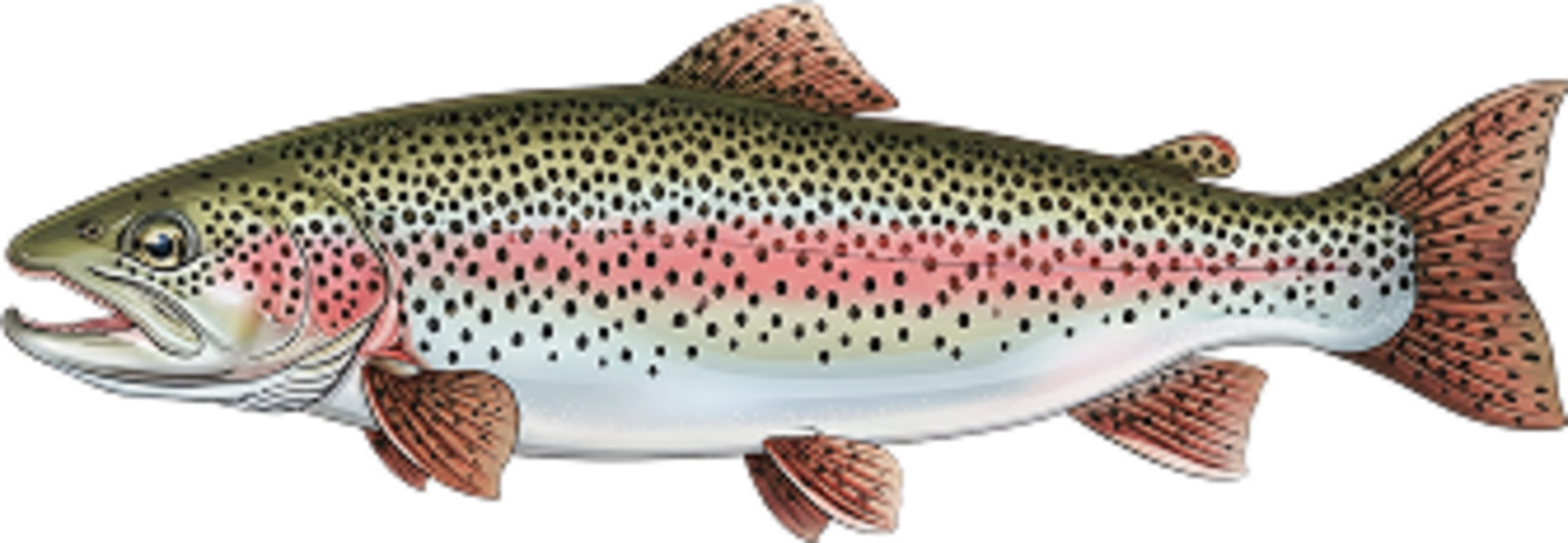
Rainbow trout
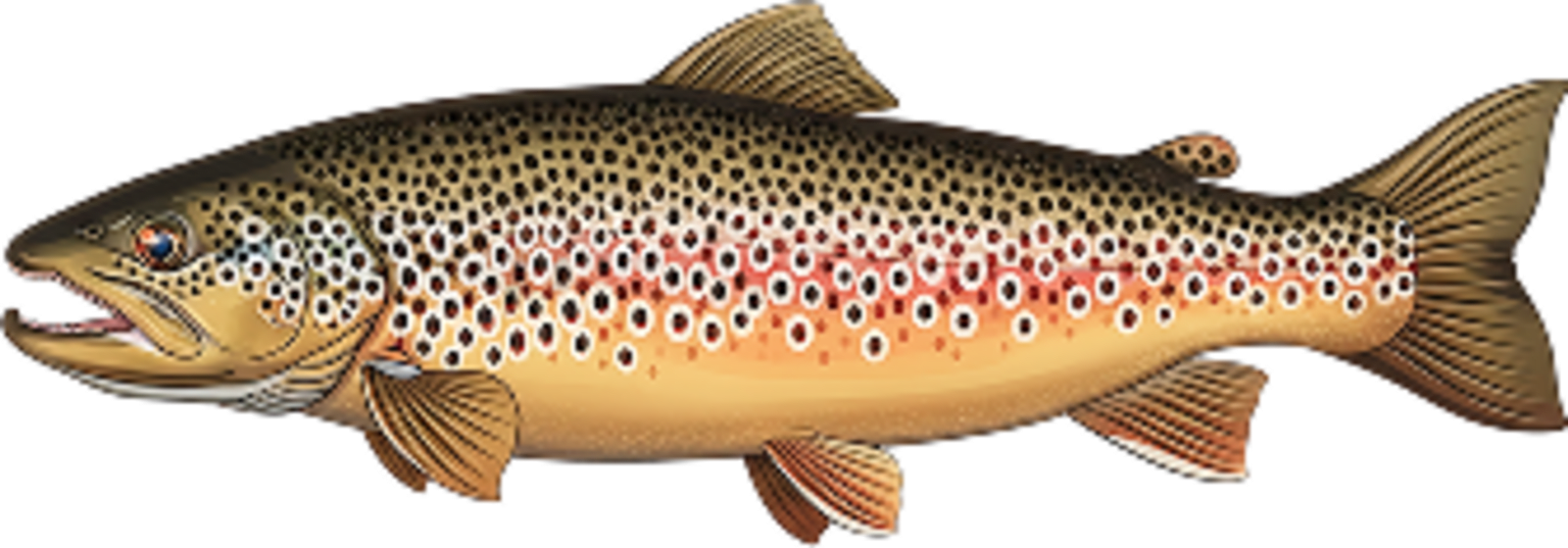
Brown trout
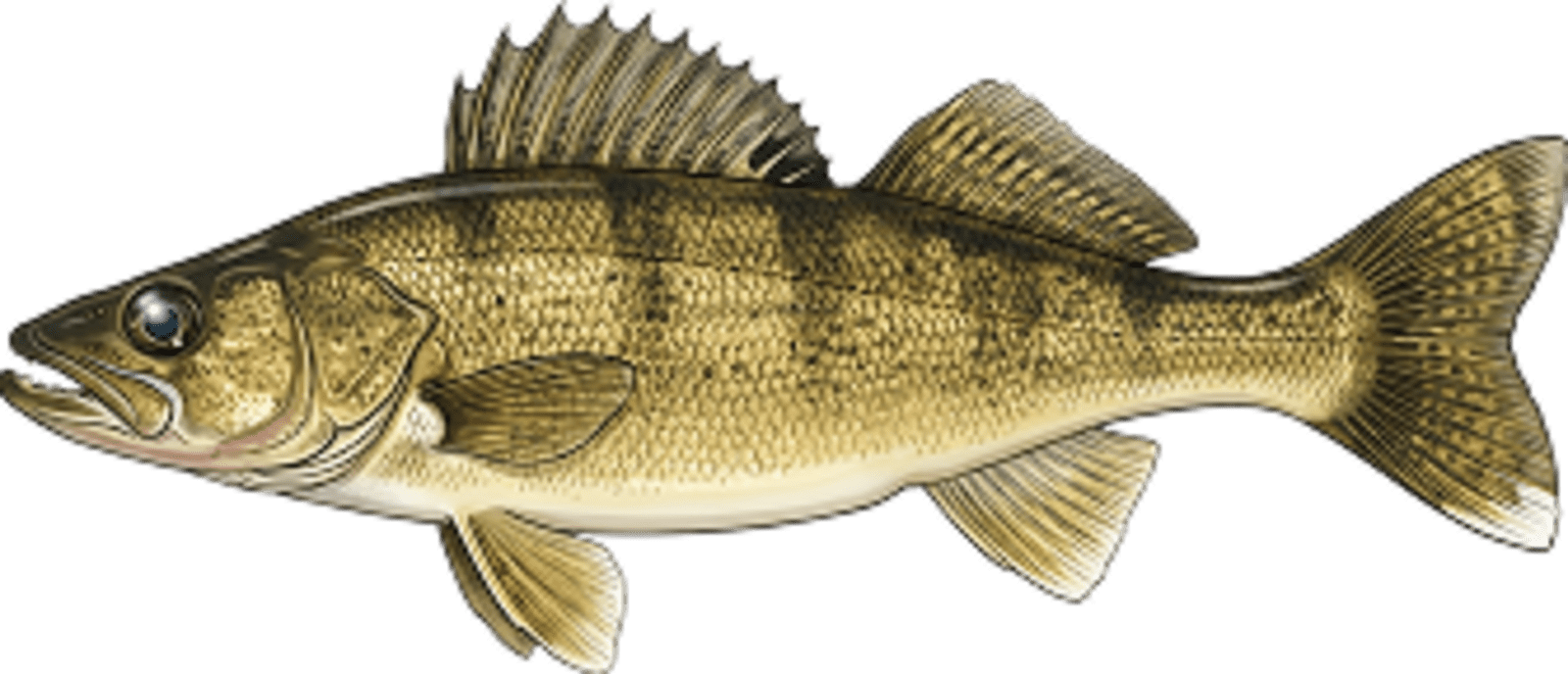
Walleye
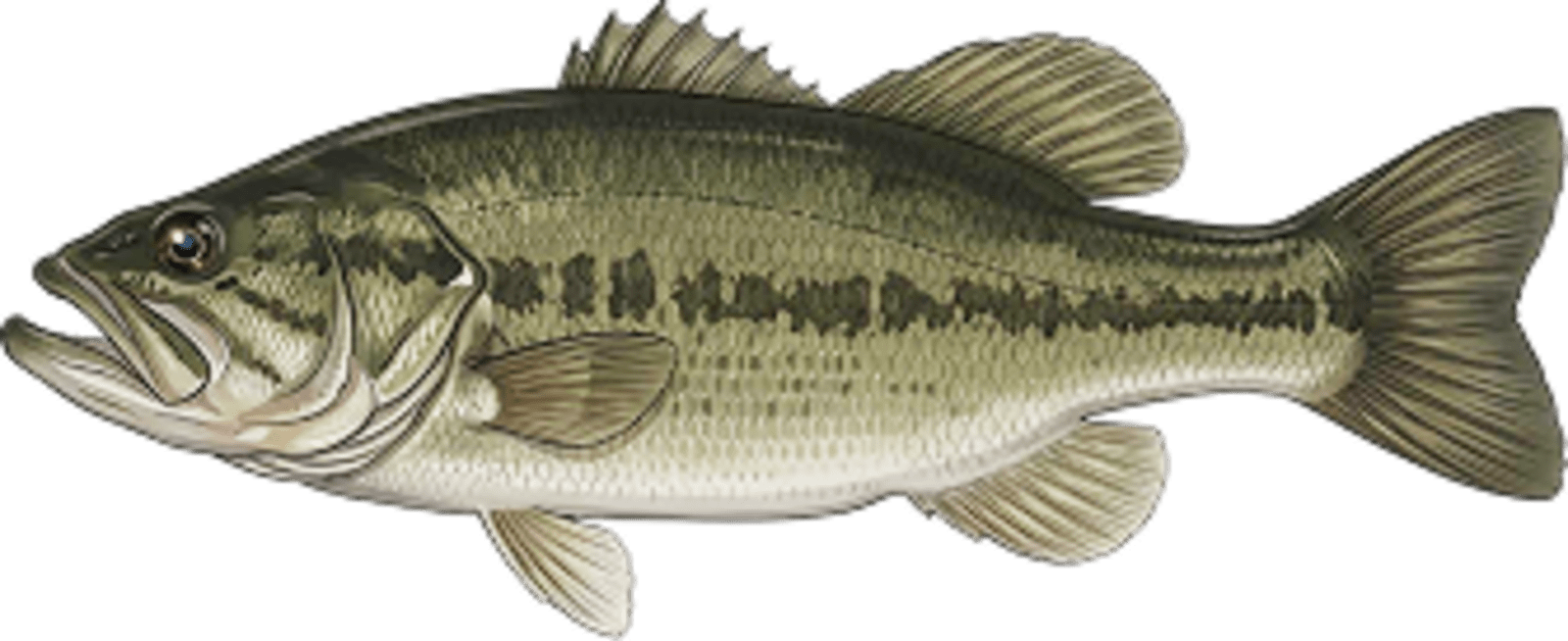
Largemouth bass
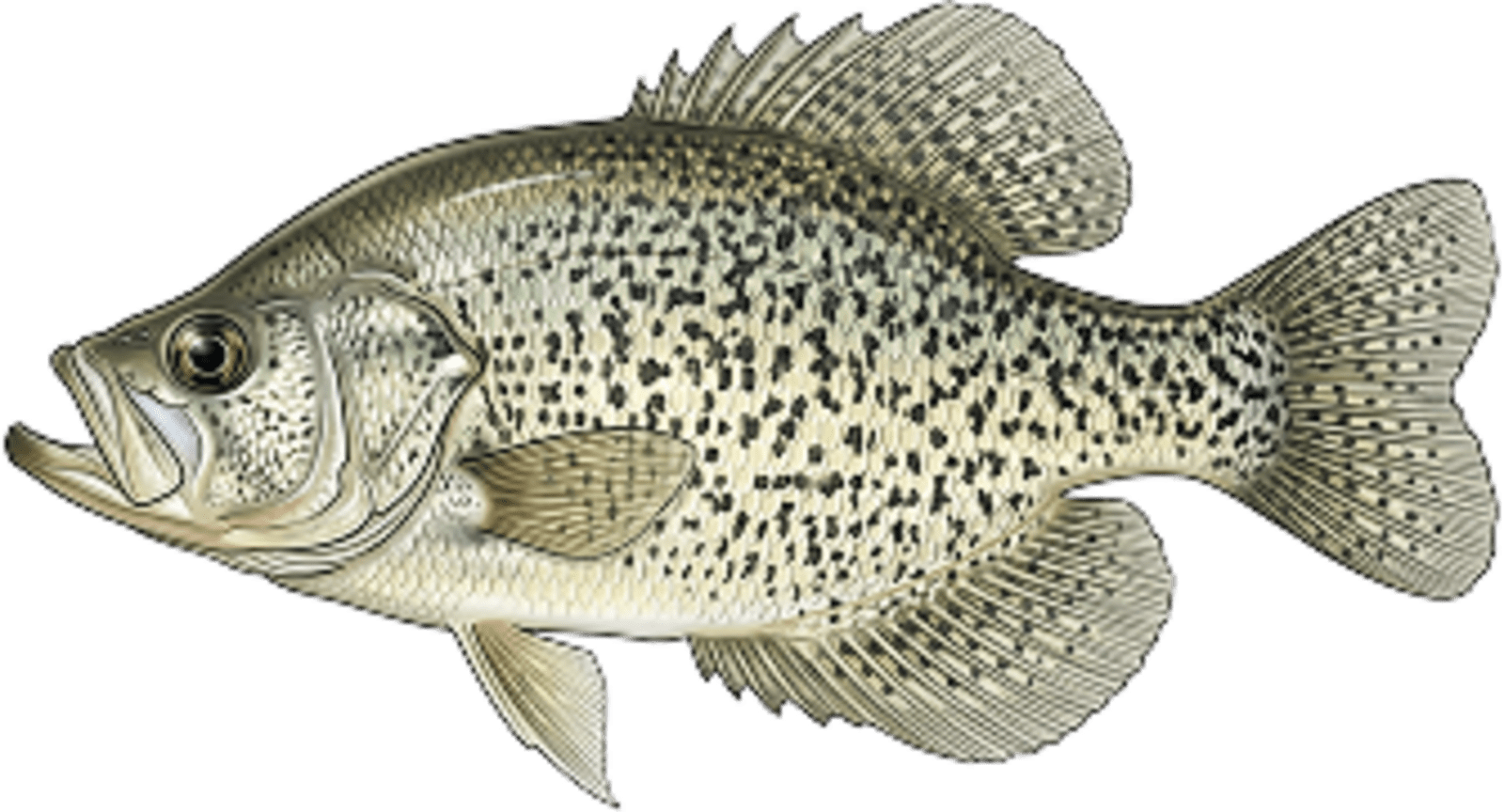
Crappie
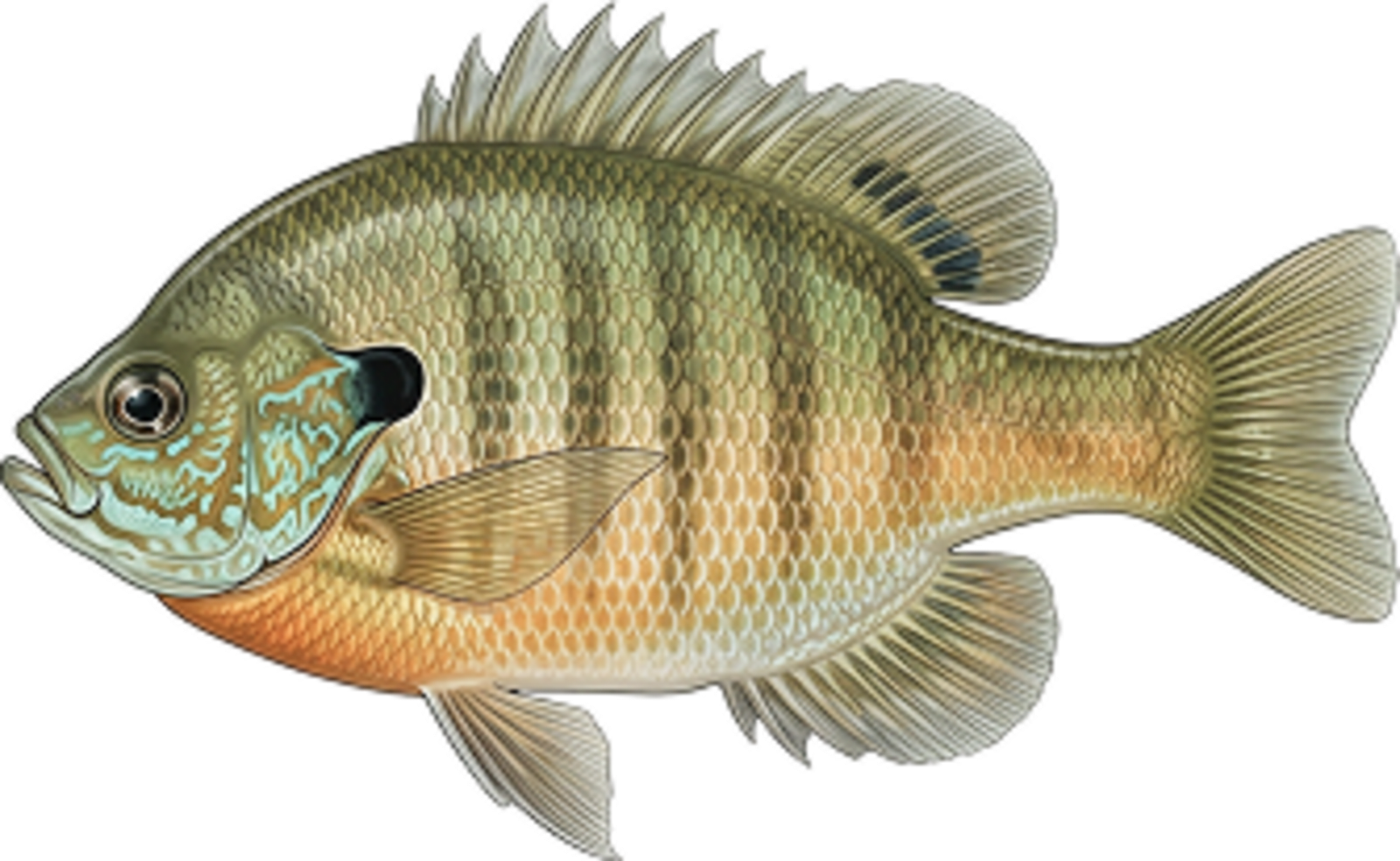
Bluegill
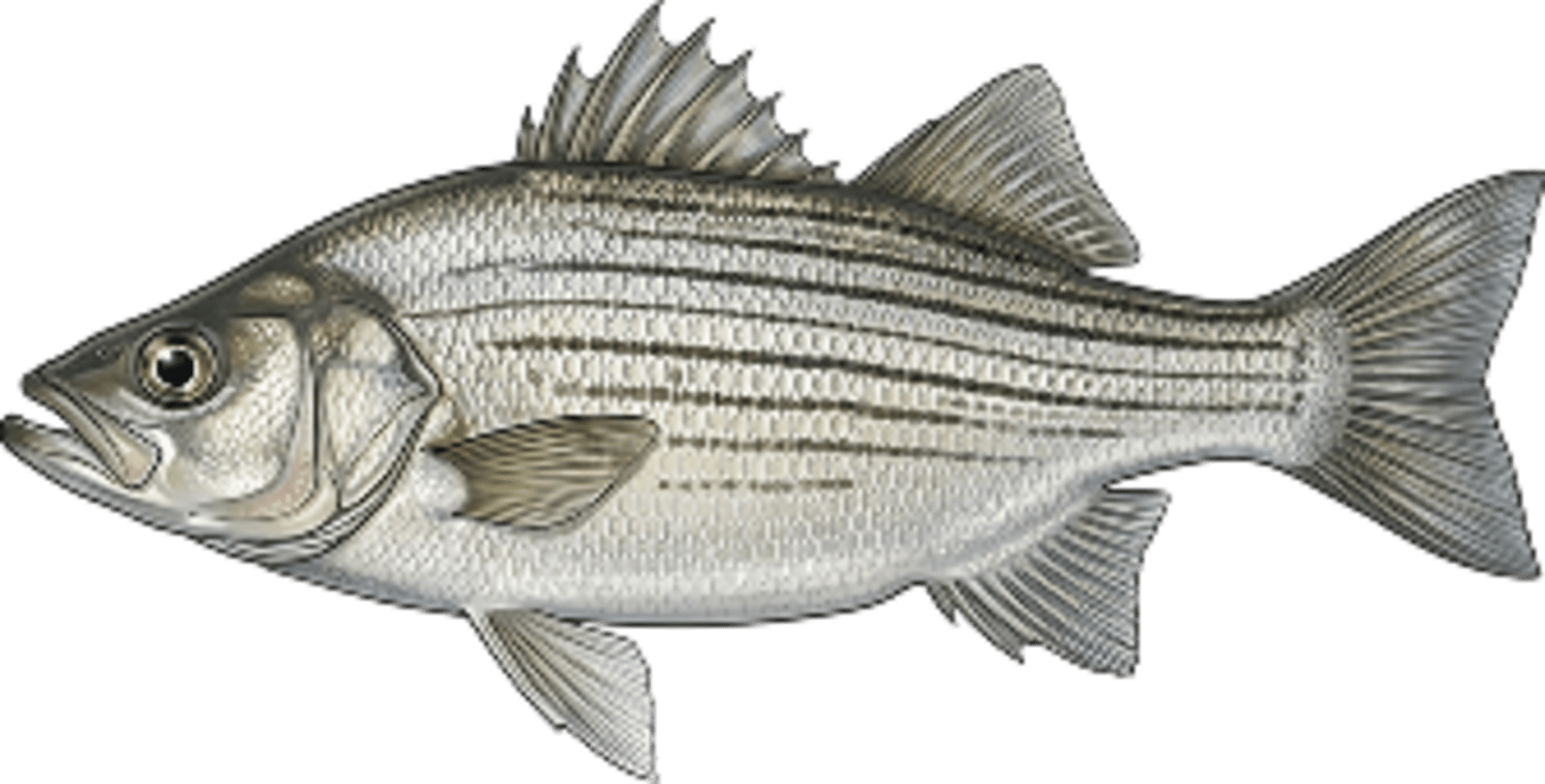
White bass
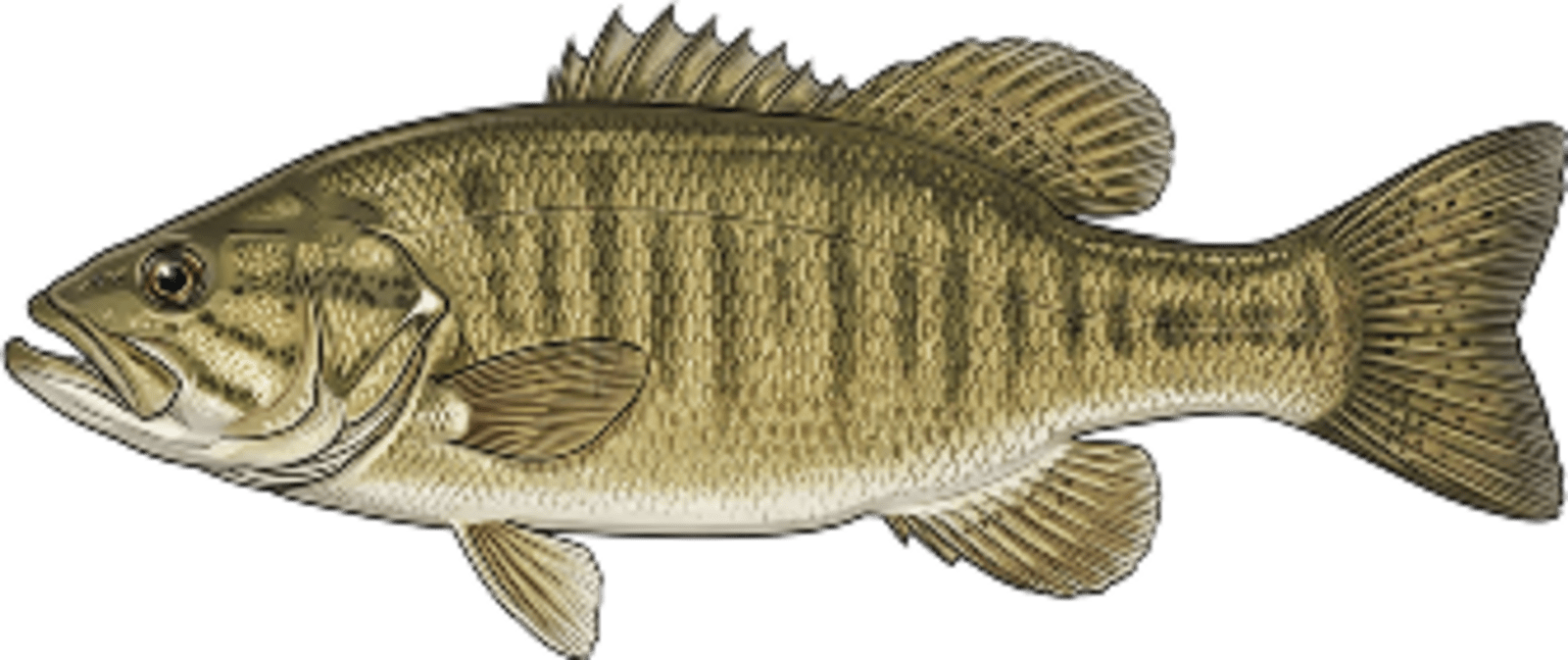
Smallmouth bass
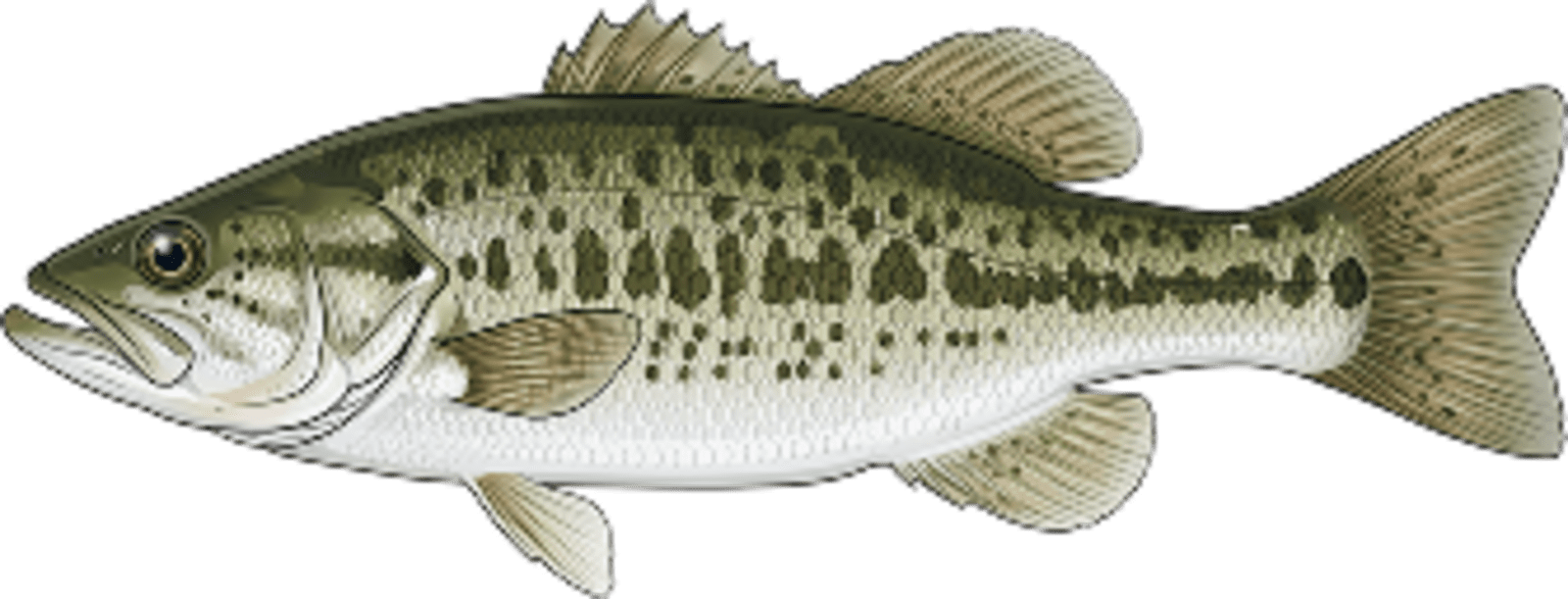
Spotted bass
Overview
This superb fishery continues to be one of the most famous resources in the nation. Outstanding aesthetics, water clarity and outdoor recreation opportunities account for the lake's popularity. This is not a flipping lake and heavy tackle is out of place. Long pitches or short casts are more effective. 45,440 acres
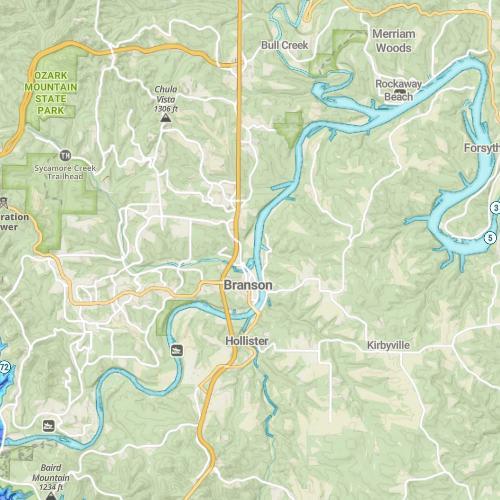
Lake Taneycomo Map
Features
This superb fishery continues to be one of the most famous resources in the nation. Outstanding aesthetics, water clarity and outdoor recreation opportunities accounts for the lake's popularity.
Forage
By abundance, gizzard shad comprise the bulk of the forage base. Threadfin shad, a smaller fish, are more important because of their size and usefulness as prey. Bluegill growth rates are slow and they remain an important component of the forage base. Other species includes bluntnose minnow, brook silversides, green sunfish, golden redhorse, various shiners and young-of-the-year of all species. Crayfish are abundant and heavily used by most game species. Aquatic insects and their larvae provide food for young-of-the-year fish.
Seasonal Movements
During February and March, walleye make spawning runs up the White River toward the Taneycomo Dam. Other runs up East and West Sugarloaf creeks and Bear Creek have been reported. In March and April, white bass move up Swan Creek, Beaver Creek, Spring Creek, Little North Fork, Bear Creek, Big Creek, Howard Creek, Jimmie Creek and both Sugarloafs.

Get Your Line in the Right Water
Quickly find the best places to fish and plan your day right.
Top Fish Species
Rainbow trout
4-22 in
Length Range
14 in
Length Range
2024
Surveyed
Abundance (CPUE)

Understanding Abundance
Abundance ratings are based on Catch Per Unit Effort (CPUE) measurements conducted by the MN DNR, and represent a snapshot of a species population at a given point in time
Source: Minnesota Department of Natural Resources. Survey cadence may vary by state and water body.Species Lengths
2024
Sep
2025
Apr