Size
218ac
Boat Launch
Carry-in Launch
Toilet
No
Boat Dock
Species in Unnamed
Overview
Excellent bluegill and crappie fishing. Largemouth, walleye and northern pike round out the featured species.
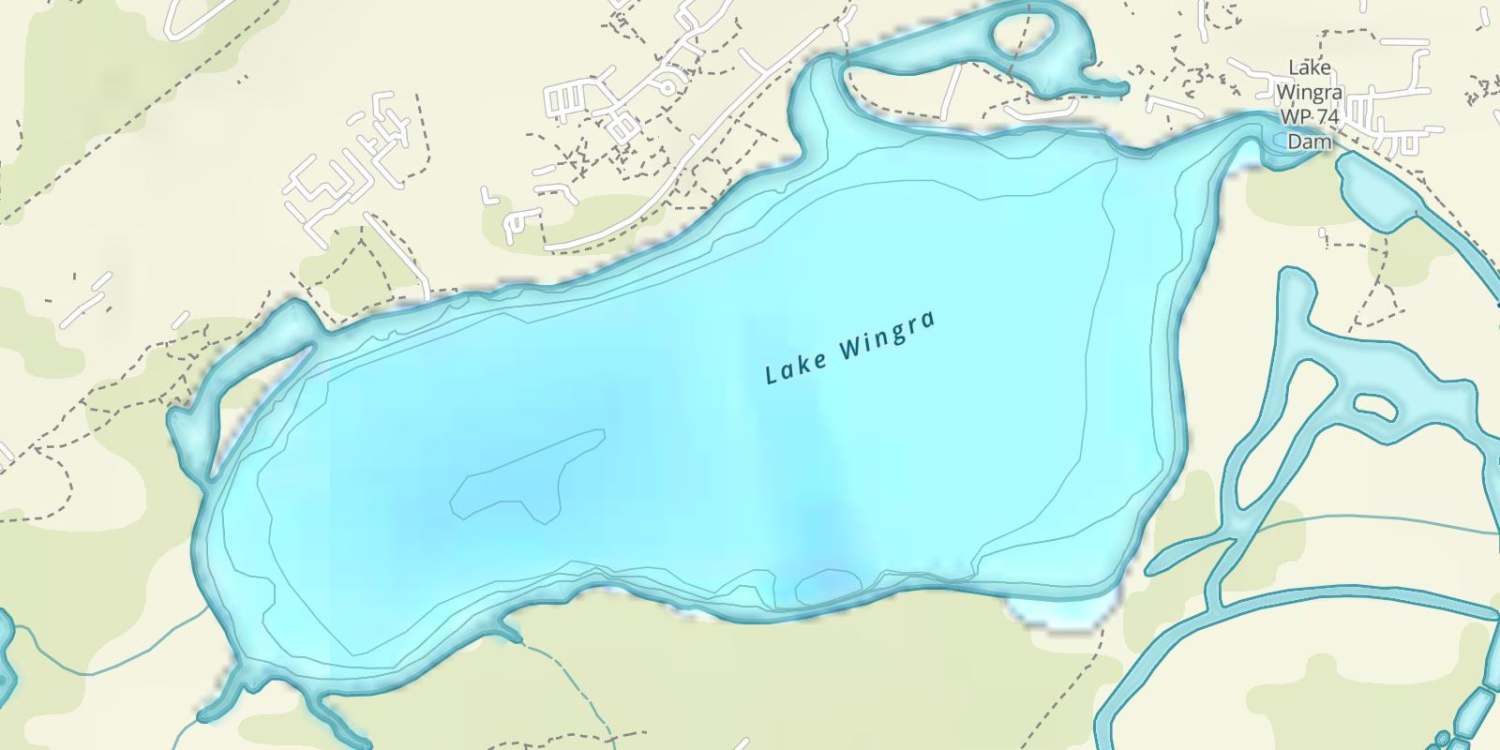
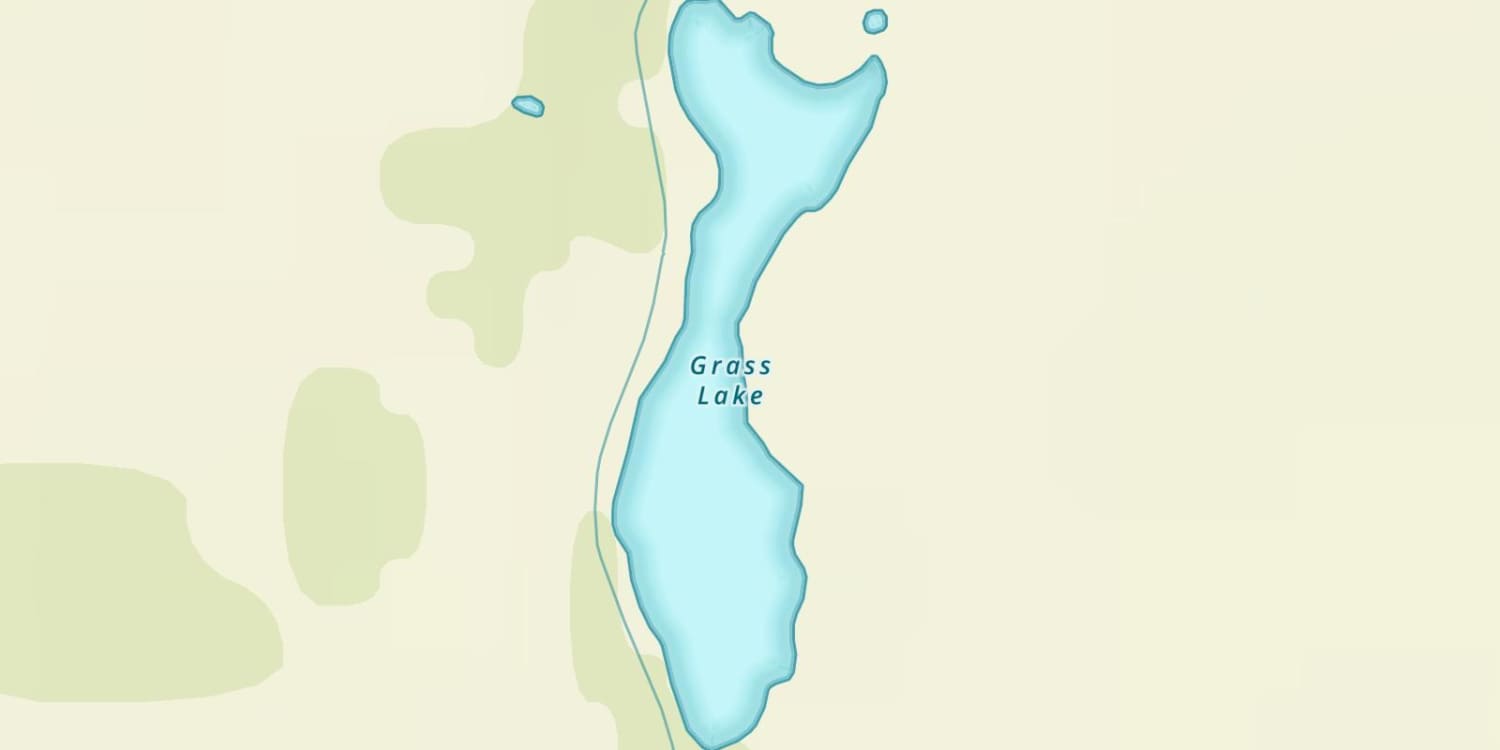
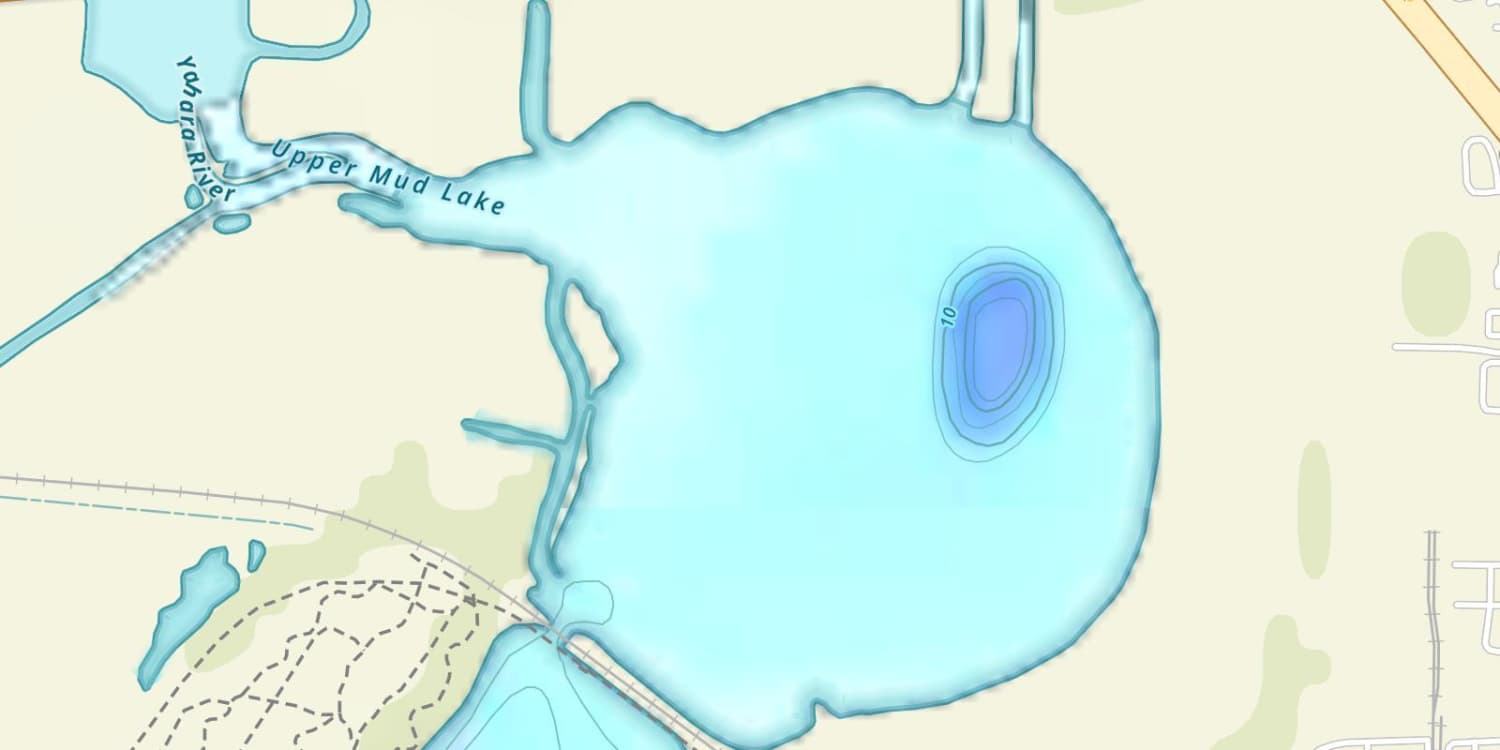
Unnamed Map
Features
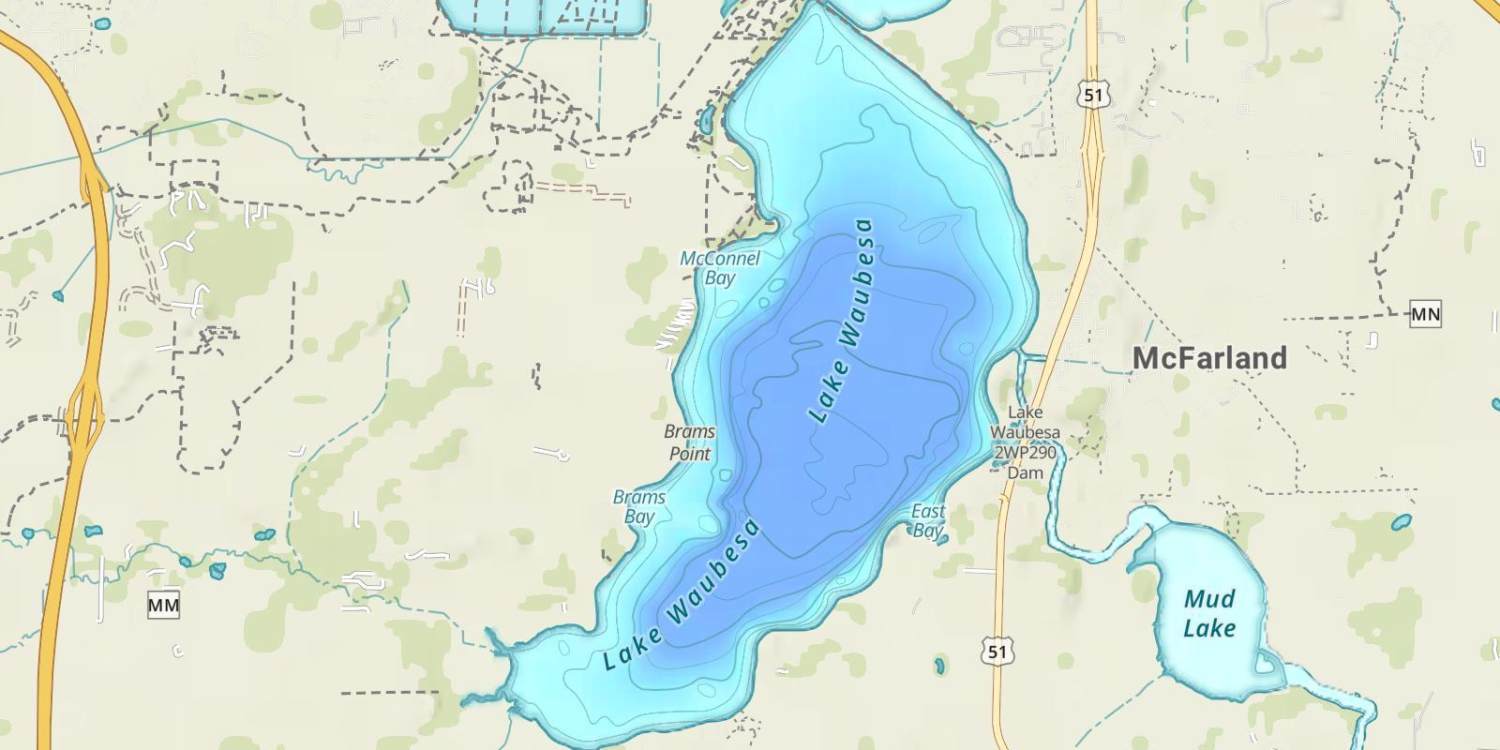
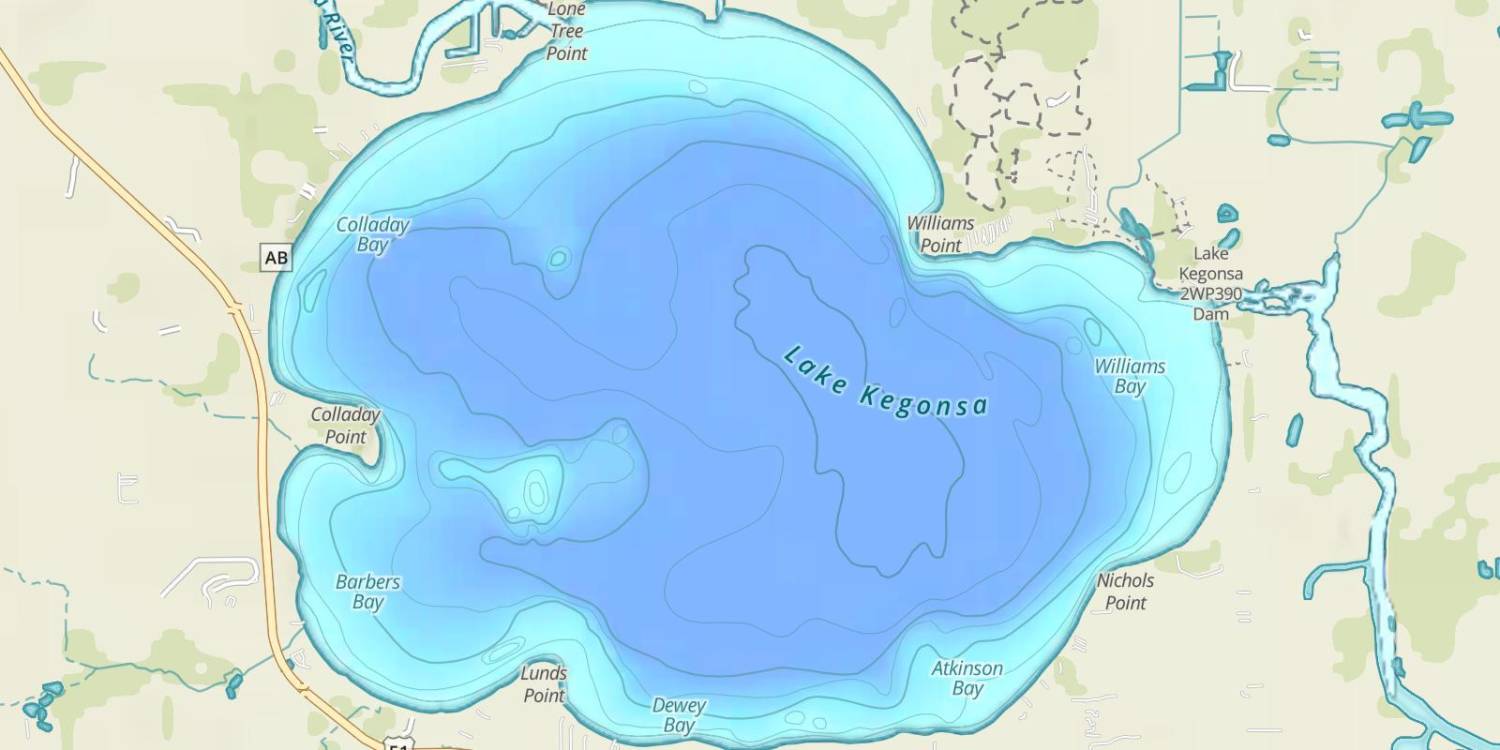
Waubesa and Kegonsa were created by glacers that left their debris which damned the melting glacers and created the lakes 12,000 to 15,000 years ago. The present day Yahara River connects these two lakes with the other two lakes of the Yahara Chain Mendota and Monona. Early settlers referred to Lake Kegonsa as “First Lake” beause it was the first of the four Madison lakes they entcountered traveling north up the Yahara River. The name Kegonsa is attributed to the Ho-Chunk Indians who once lived in this area. Kegonsa means “Lake of Many Fishes.” Today Lake Kegonsa and Lake Waubesa are two of the most productive lakes in Wisconsin. For fisherman looking for a mixed bag of fish these lakes offer the opportunity to catch everything from musky, bass, northern pike, crappie, perch and bluegill. In the summer Lake Waubesa sees a lot of fishing pressure due to tournaments being held on the lake. Lake Waubesa ranks 10th in the state as a fishing destination for its for such species as walleye.
Forage
The primary forage make up of forage in the lake is shiners, suckers and juvenile panfish species that allow for a healthy large population of fish species.
Seasonal Movements
Up stream migrations occur during the spring spawning period by walleye and, to a lesser extent, by northern and crappie.
Weather

66°Feels like 66° 69°
69° 57°
57°

69°57°7:04 AM
6:24 PM

2 mph
Southeast

0 in
Rain

30.09 inHg
Stable

FridayFr
69° / 57°

SaturdaySa
81° / 55°
SundaySu
76° / 57°
MondayMo
79° / 56°

TuesdayTu
68° / 48°
WednesdayWe
66° / 54°
Moon Phase

October 09, 2026
1% Illumination
waning crescent, getting dimmer


FridayFr10/09

SaturdaySa10/10

SundaySu10/11
MondayMo10/12
TuesdayTu10/13
WednesdayWe10/14
ThursdayTh10/15
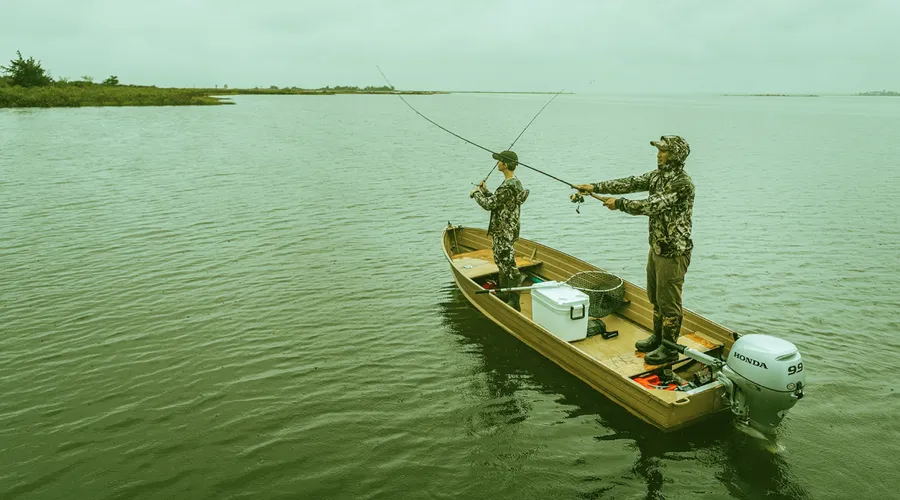
Get Your Line in the Right Water
Quickly find the best places to fish and plan your day right.
Top Fish Species
Bluegill
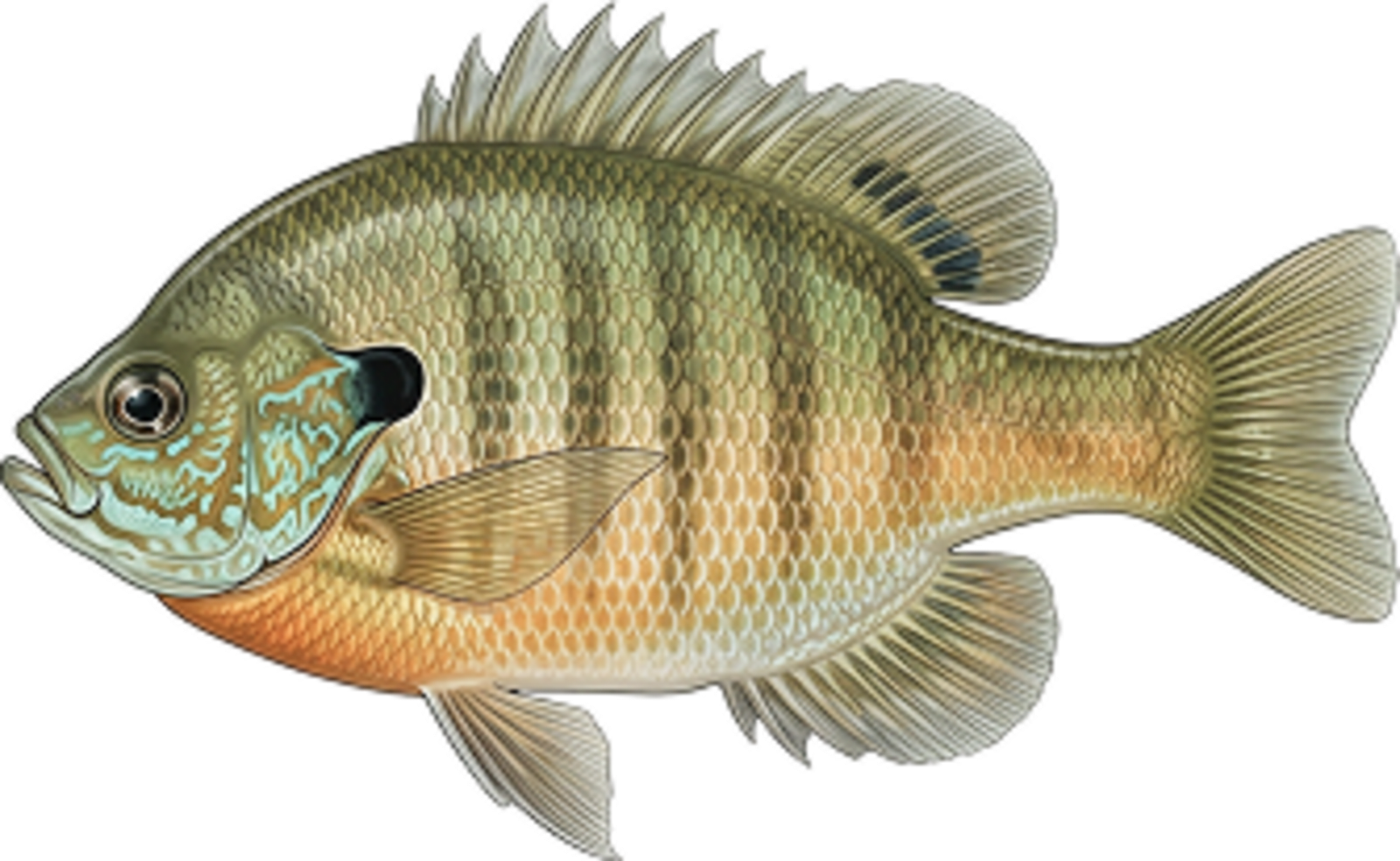
No survey data
Abundance (CPUE)
Understanding Abundance
Abundance ratings are based on Catch Per Unit Effort (CPUE) measurements conducted by the MN DNR, and represent a snapshot of a species population at a given point in time
Source: Minnesota Department of Natural Resources. Survey cadence may vary by state and water body.Species Lengths