Unnamed
Size
153ac
Boat Launch
No
Carry-in Launch
No
Toilet
No
Boat Dock
No
Species in Unnamed
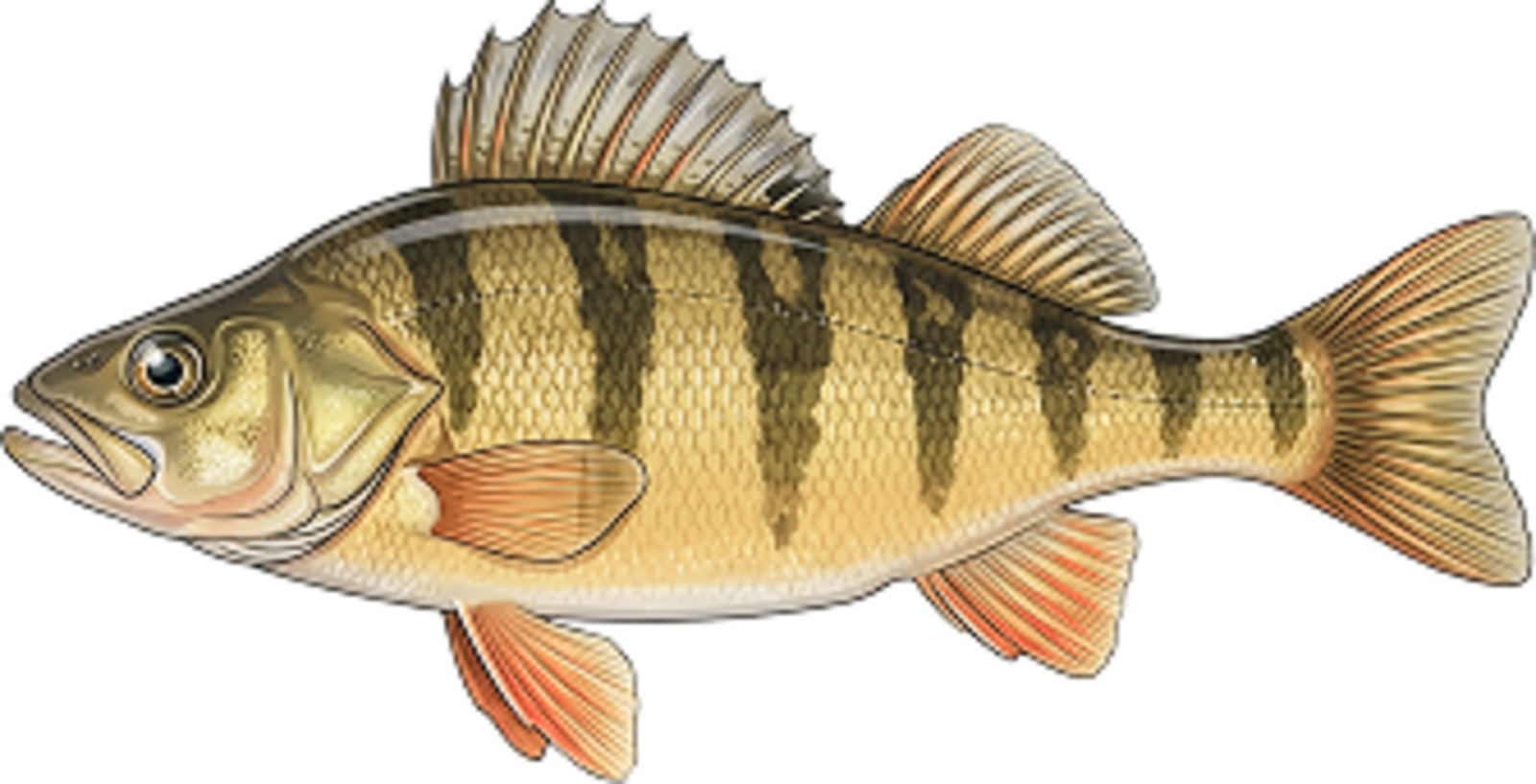
Perch
Perch
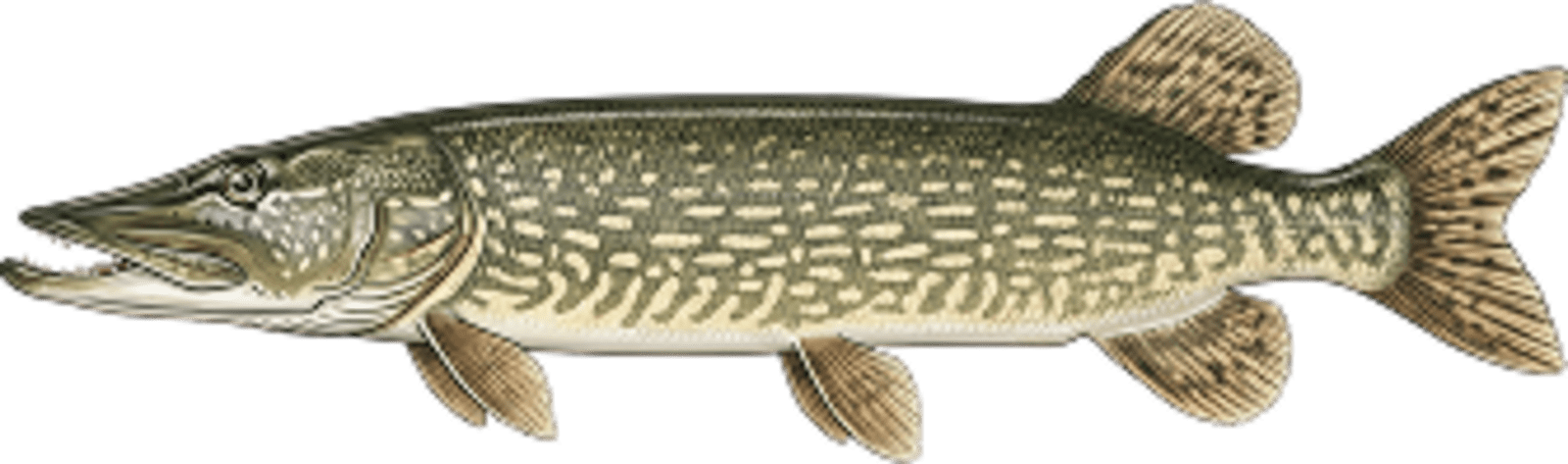
Northern pike
Northern pike
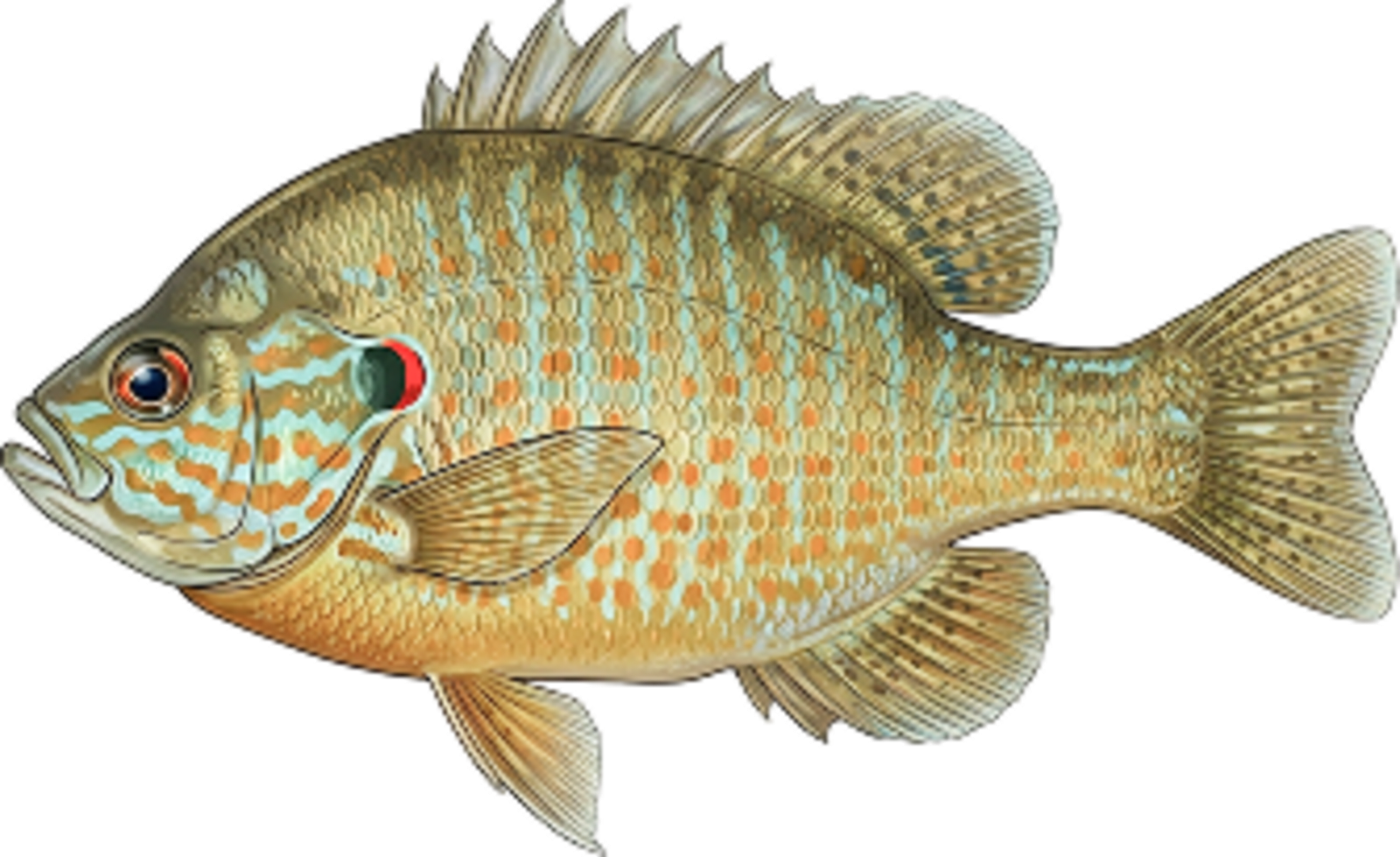
Pumpkinseed
Pumpkinseed
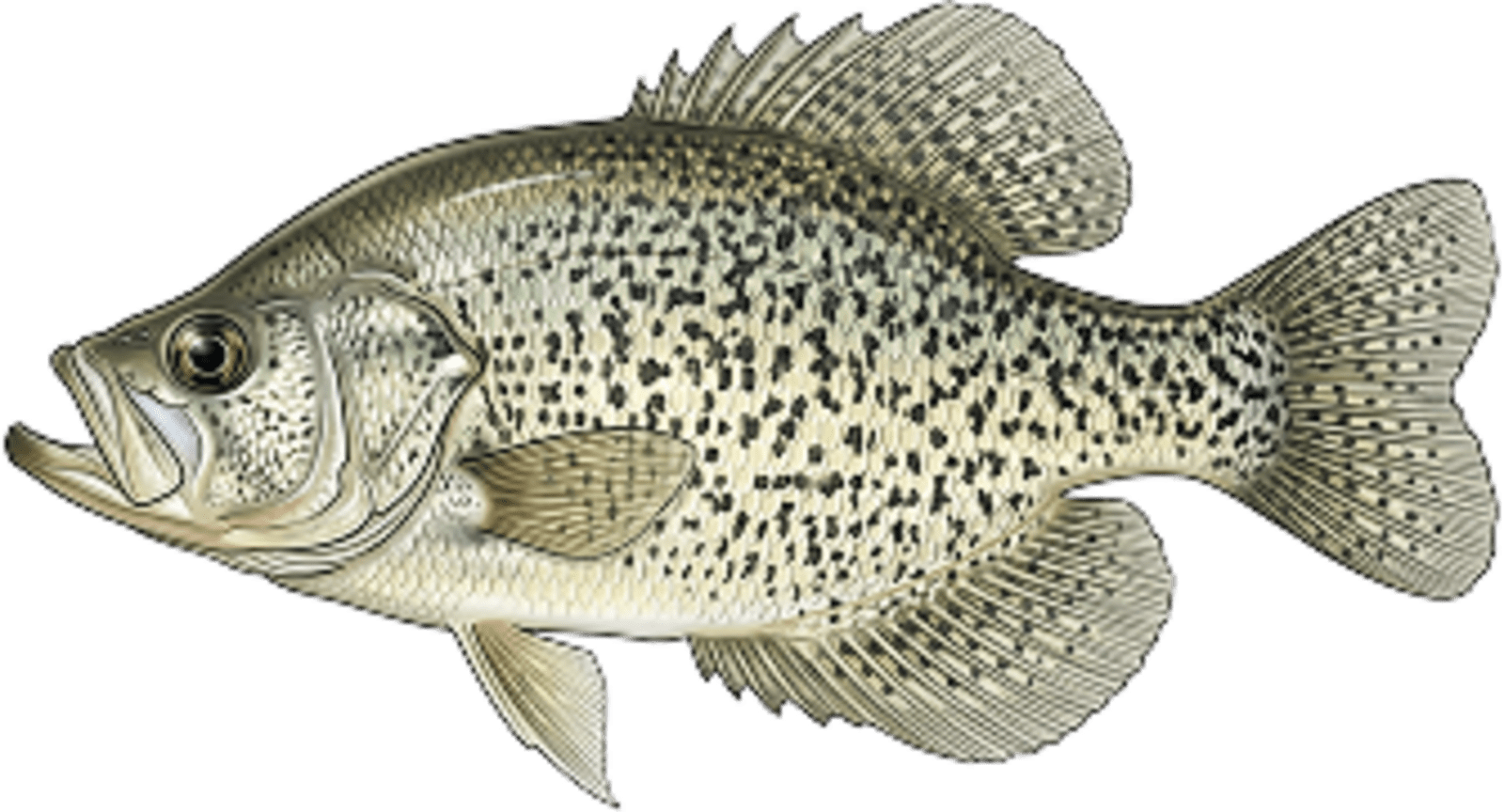
Crappie
Crappie
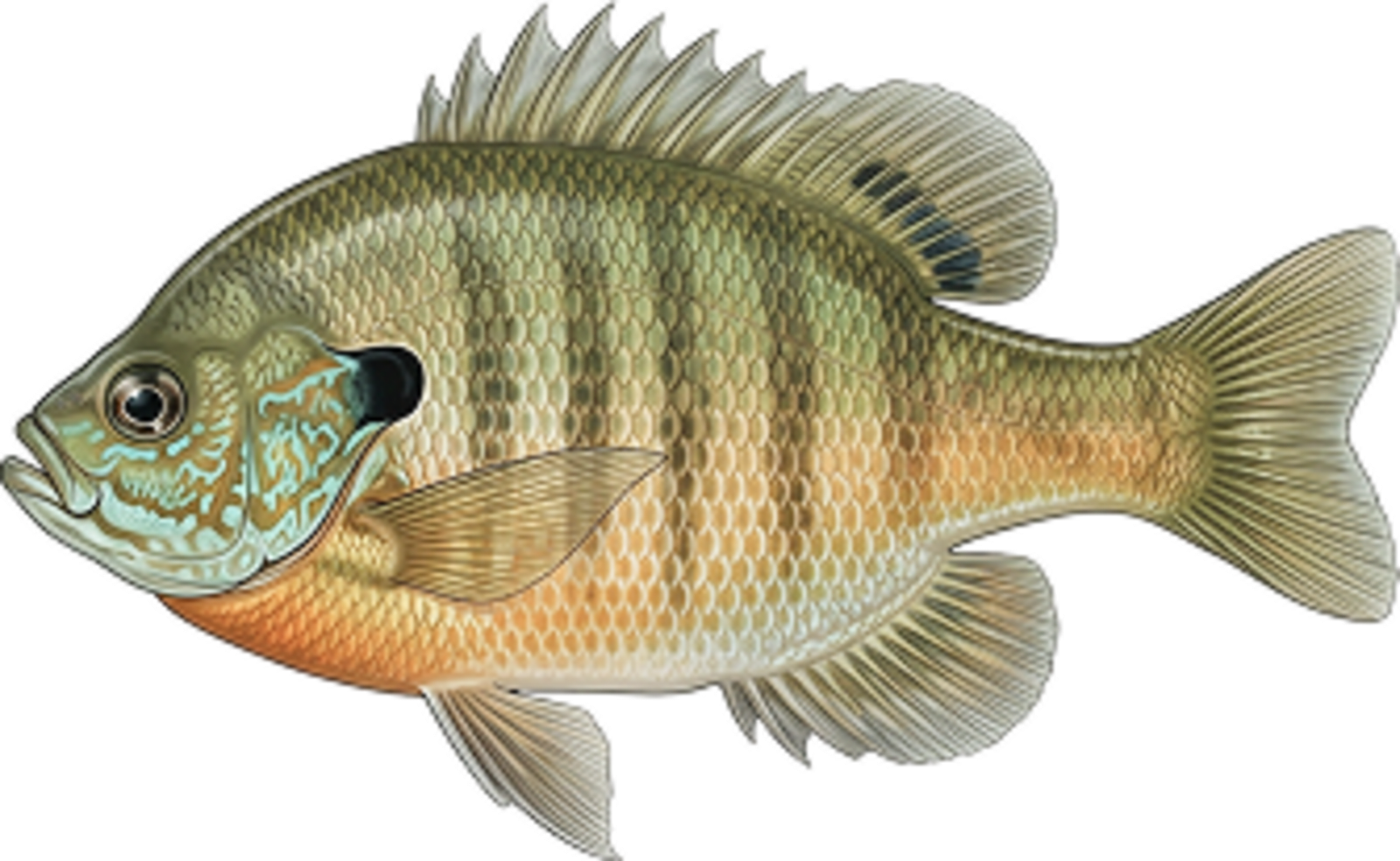
Bluegill
Bluegill
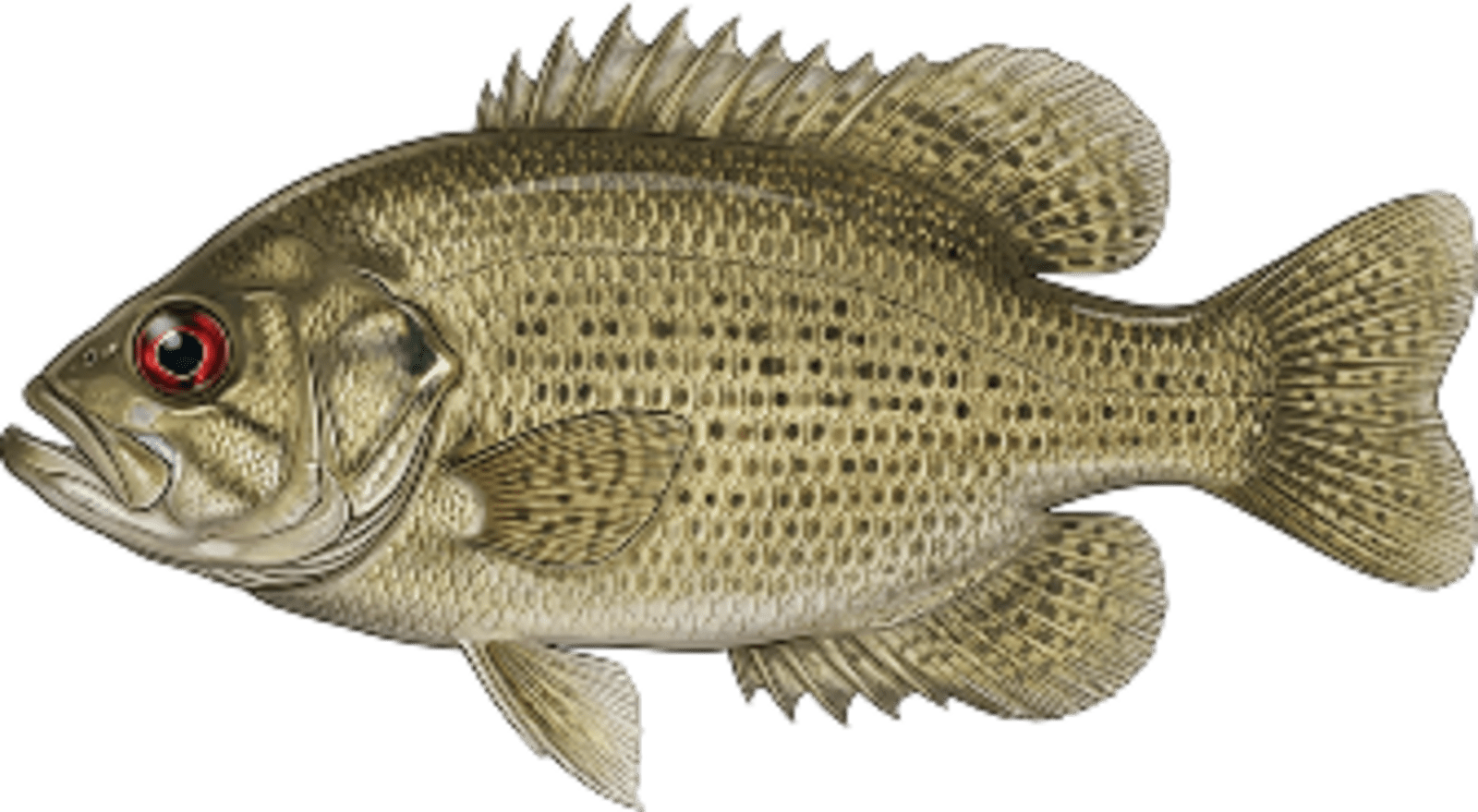
Rock bass
Rock bass
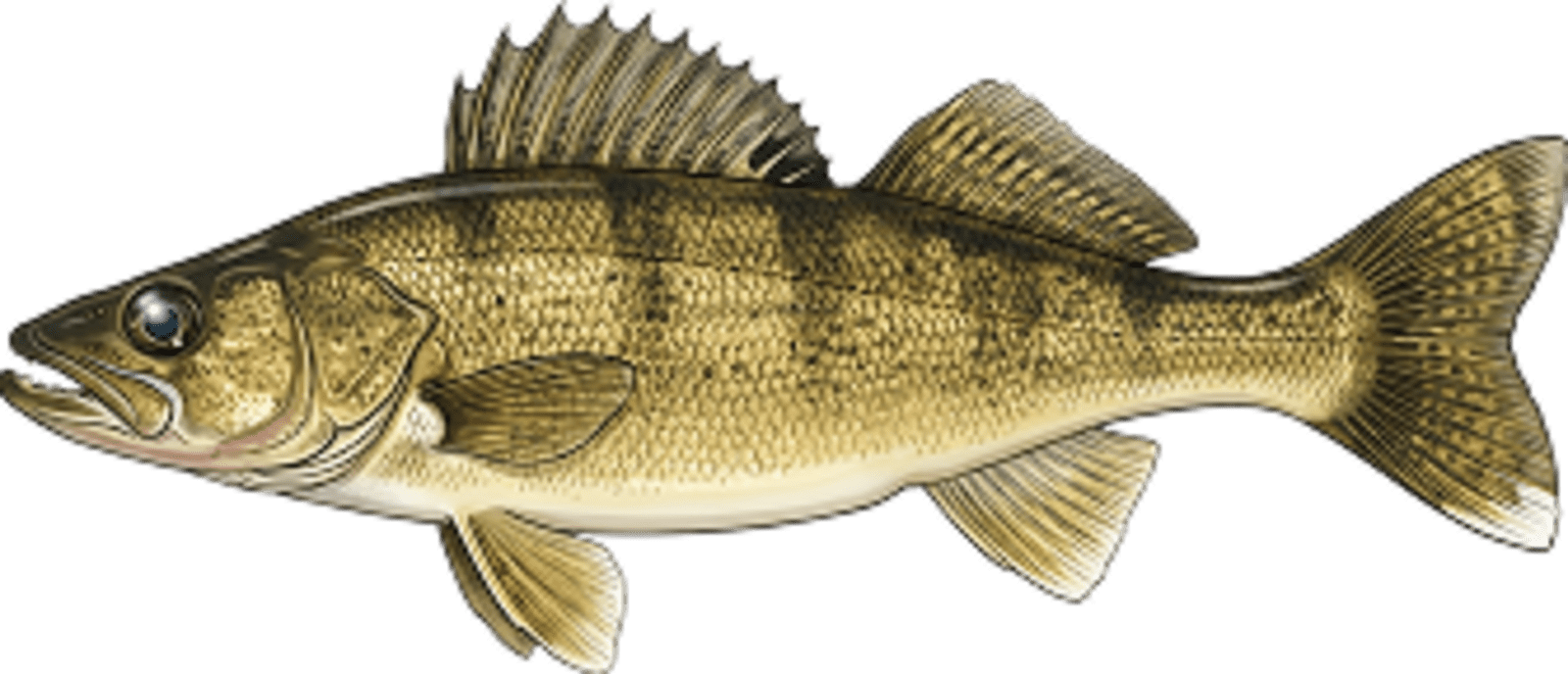
Walleye
Walleye
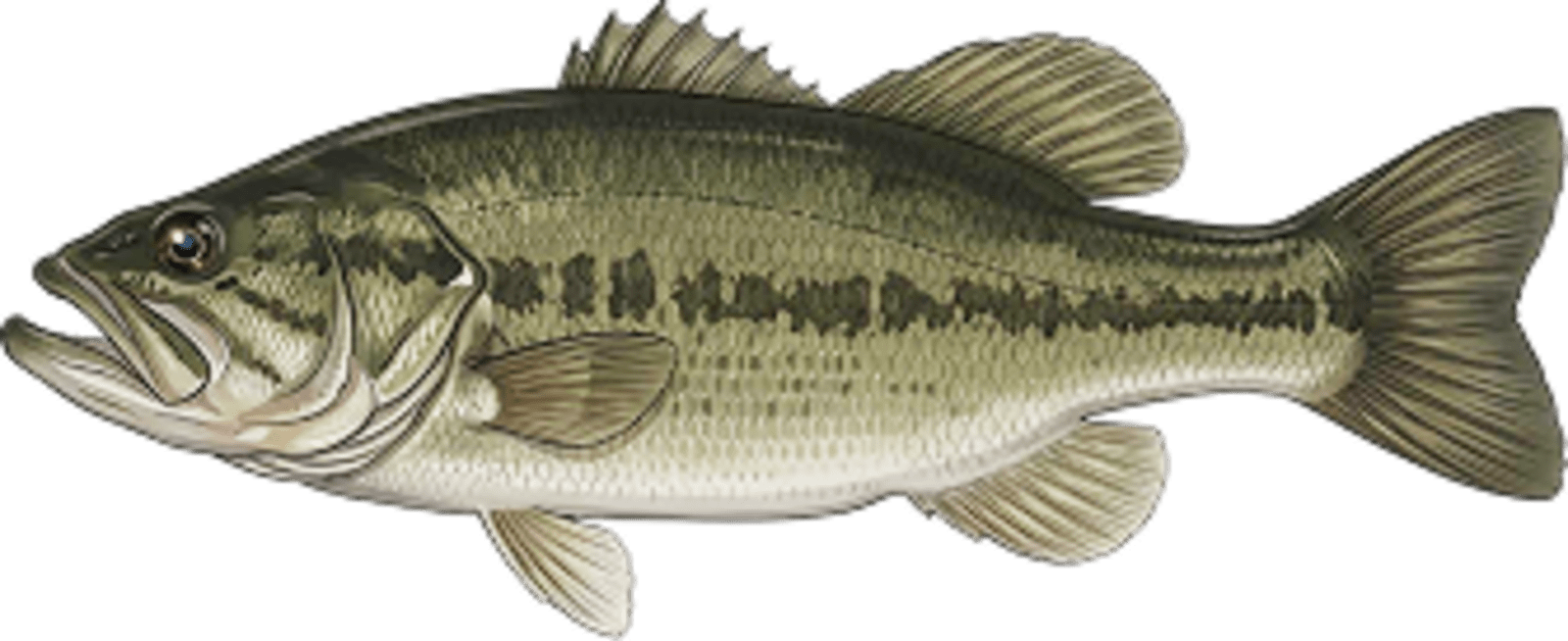
Largemouth bass
Largemouth bass
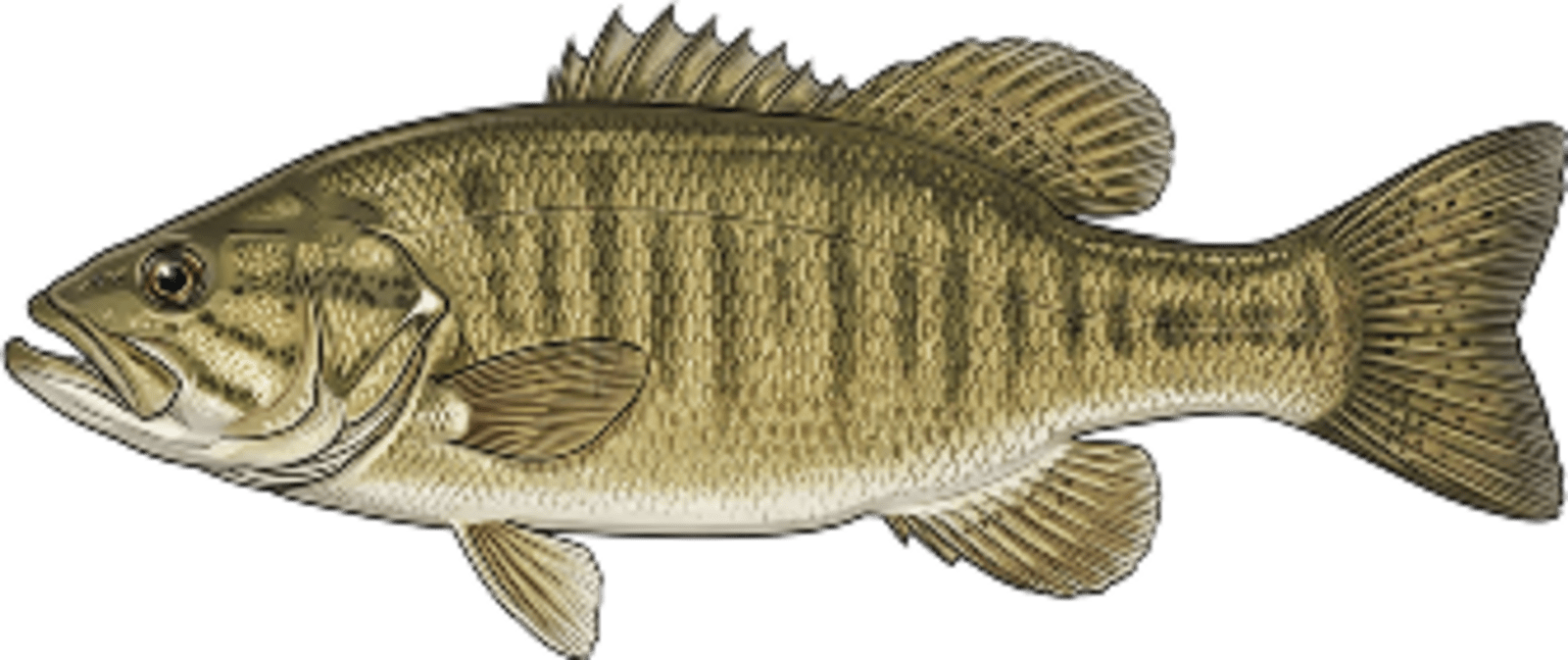
Smallmouth bass
Smallmouth bass
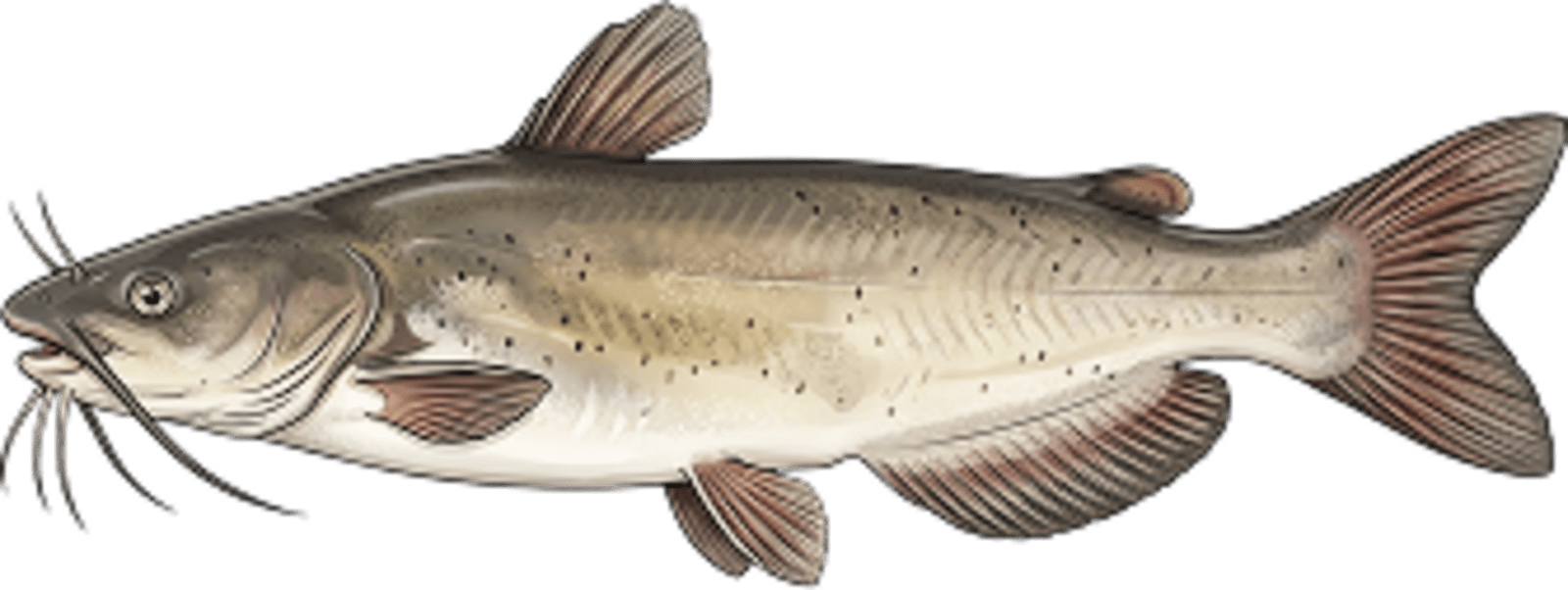
Channel catfish
Channel catfish
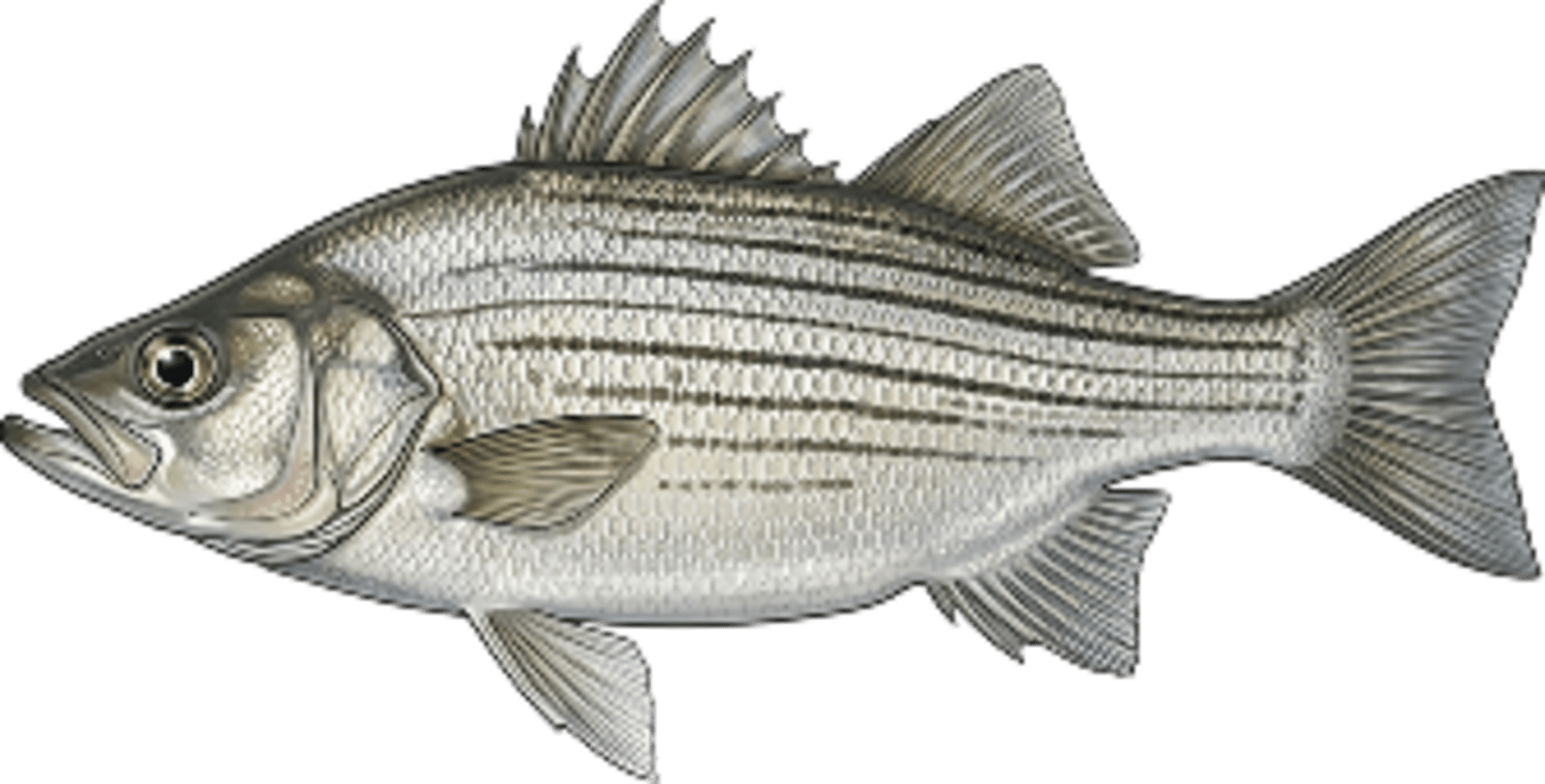
White bass
White bass

Overview

The upriver lakes of the vast Winnebago system. The annual spring runs of walleye and white bass are particularly famous and attract thousands of anglers each year. Fishery boasts nearly 20 species of gamefish and panfish. Featured species include, walleye, white bass, channel catfish. 27,466 acres

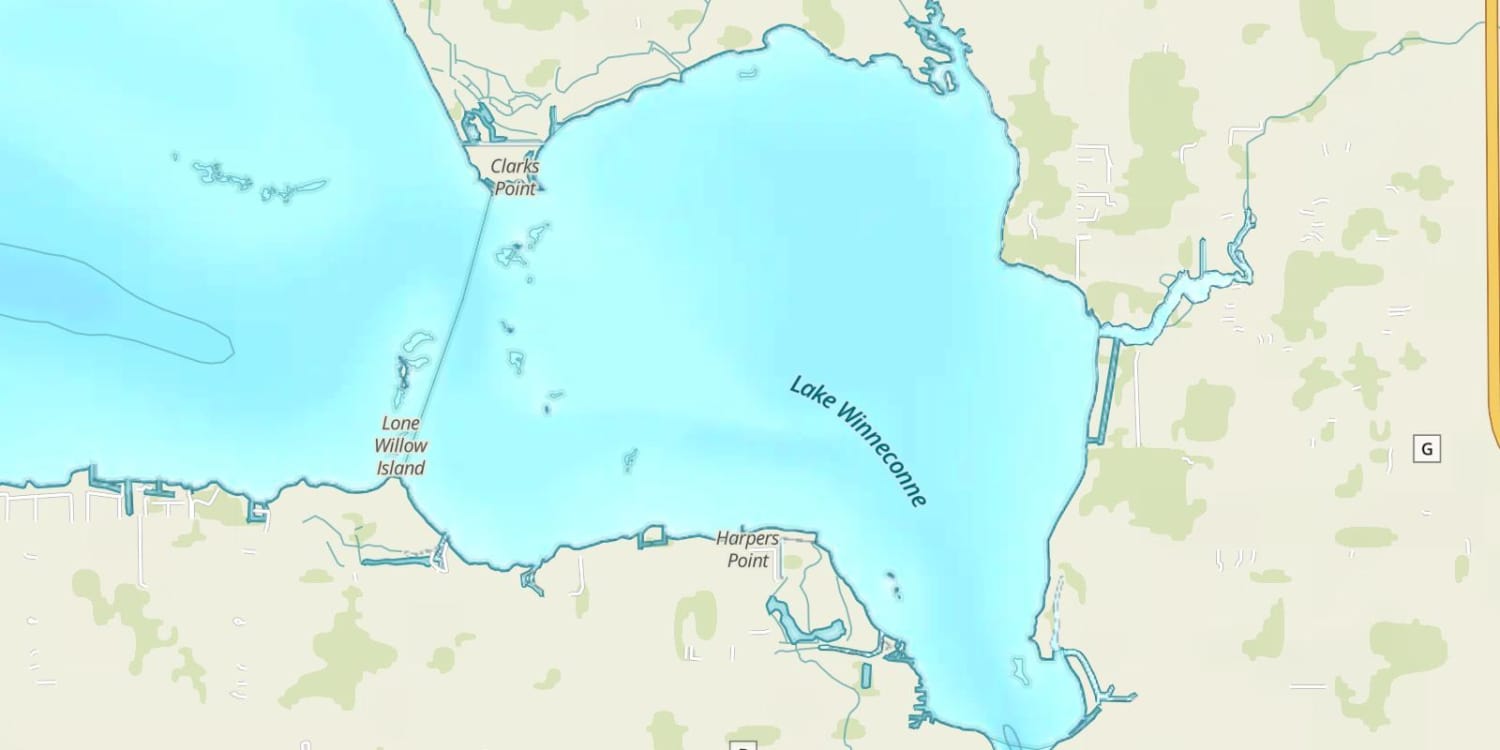
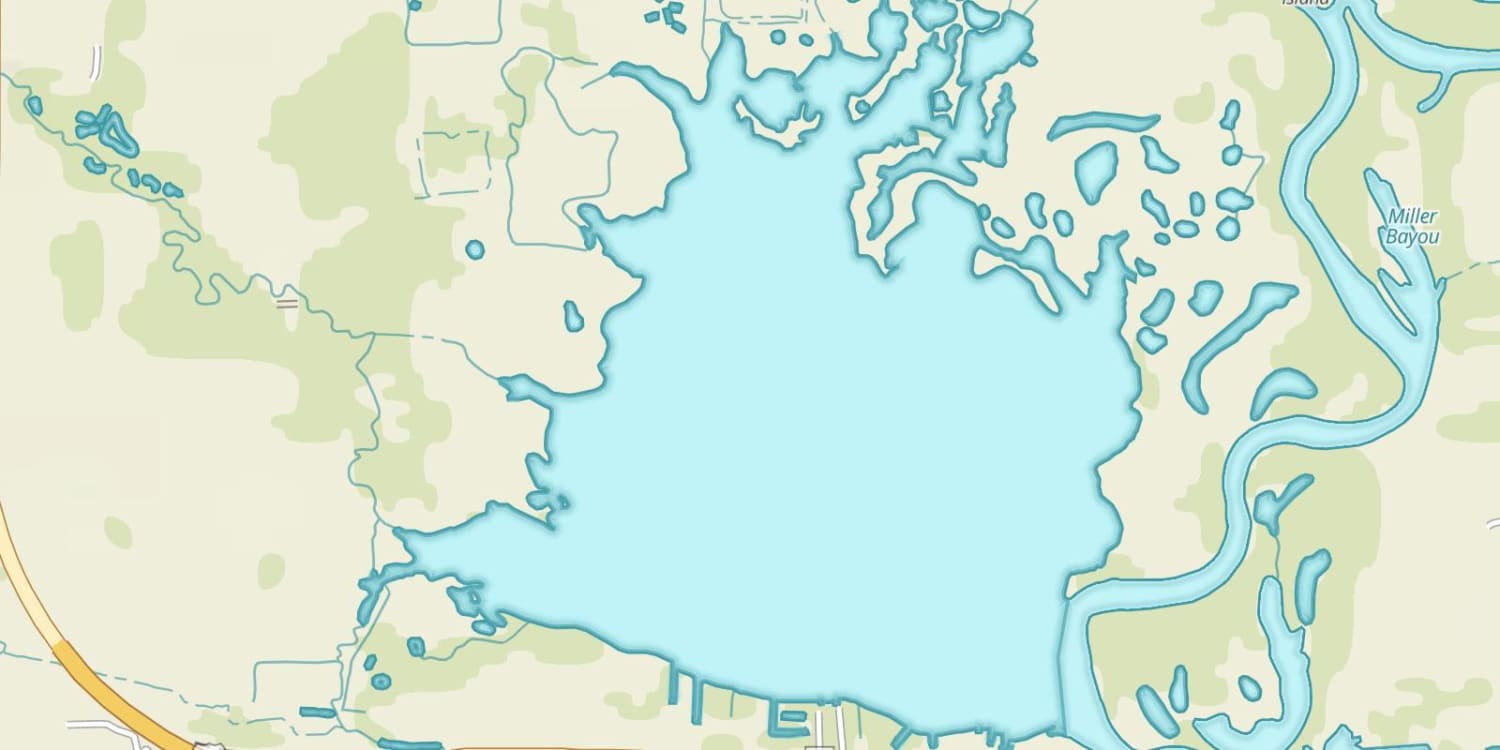
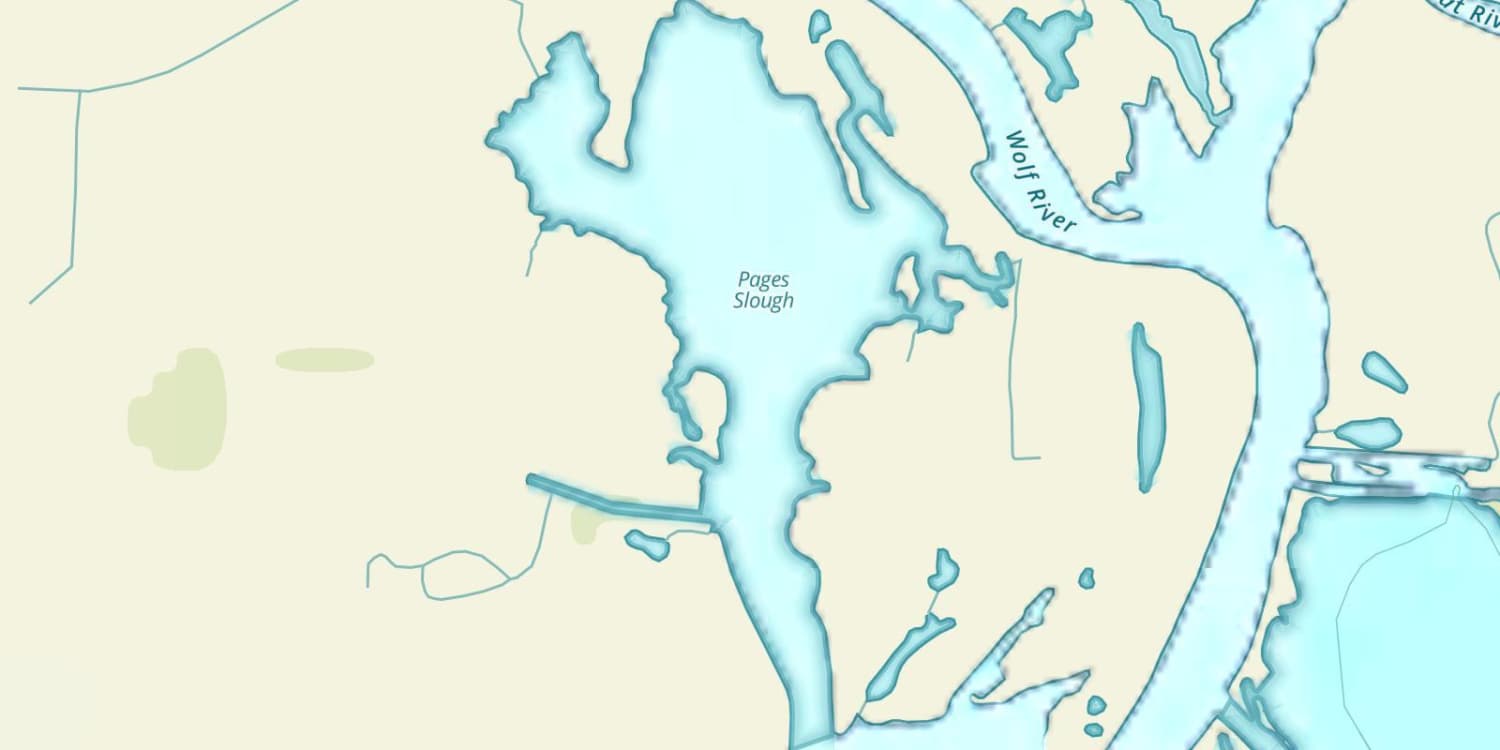
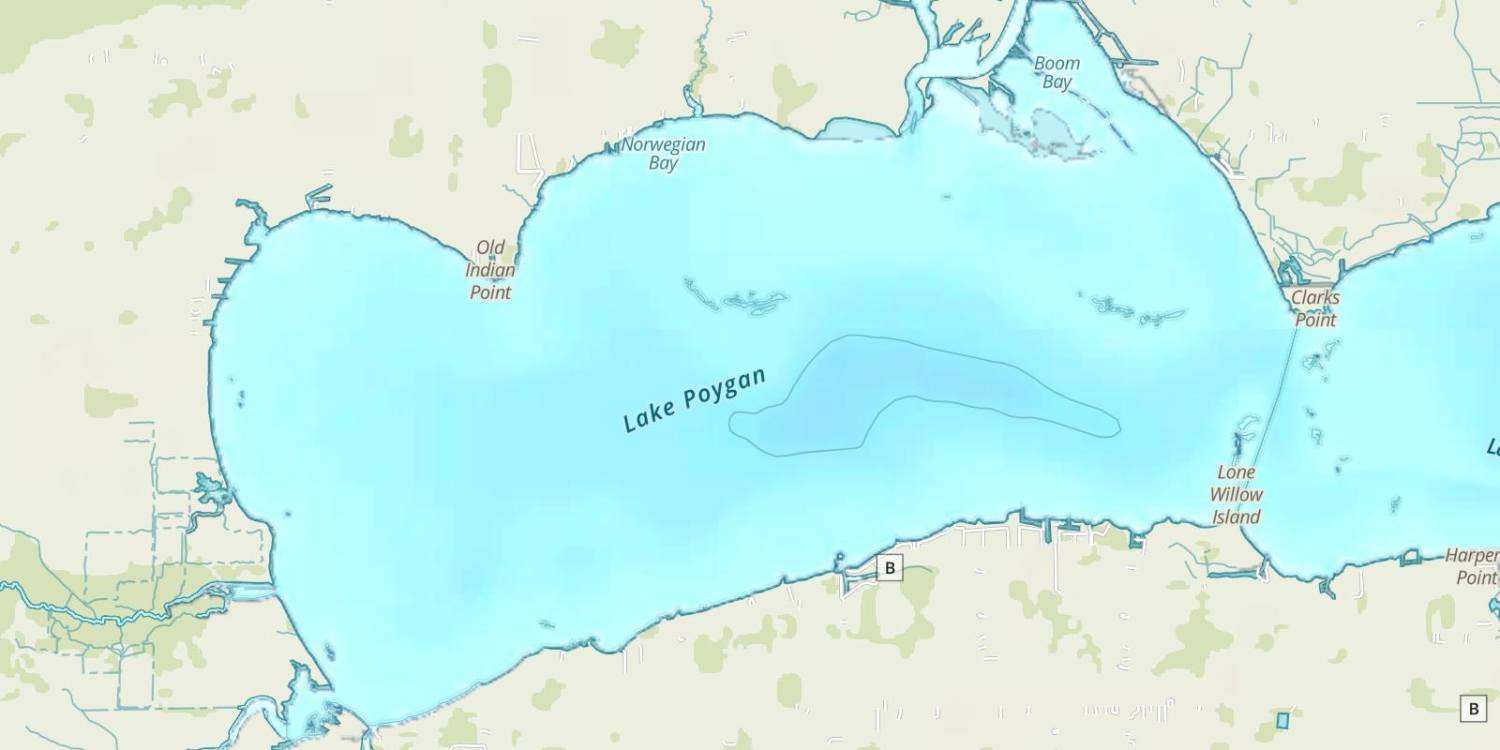
Unnamed Map

Fishing Regulations

Special Fishing Regulations: This lake has special fishing regulations that differ from statewide or border water regulations for those species identified below and take precedence. Regulations listed below are currently in place. Visit the fishing regulations page for links to upcoming regulations for specific lakes.

Special Species Regulations

  • Bullheads: Open All Year: No minimum length limit and the daily bag limit is unlimited.
  • Catfish: Open All Year: See specific species regulations in this group.
  • Channel Catfish: Open All Year: No minimum length limit and the daily bag limit is 25 in total, but only 24 if one flathead catfish is included.
  • Cisco And Whitefish: Open All Year: No minimum length limit and the daily bag limit is 10.
  • Flathead Catfish: May 2, 2026 to September 30, 2026: The minimum length is 30, but flathead catfish from 36” to 42” may not be kept.The daily bag limit is 1.
  • Lake Sturgeon: Closed: No fishing allowed.
  • Largemouth Bass And Smallmouth Bass: Open All Year: The minimum length limit is 14” and the daily bag limit is 5.
  • Muskellunge And Hybrids: May 2, 2026 to December 31, 2026 on open water: The minimum length limit is 50” and the daily bag limit is 1.
  • Northern Pike: May 2, 2026 to March 7, 2027: The minimum length limit is 26” and the daily bag limit is 2.
  • Paddlefish: Closed: No fishing allowed.
  • Panfish: Open All Year: No minimum length limit and the daily bag limit is 25.
  • Rock, Yellow, And White Bass: Open All Year: No minimum length limit and the daily bag limit is unlimited.
  • Rough Fish: Open All Year: No minimum length limit and the daily bag limit is unlimited.
  • Round Goby: Open All Year: The daily bag limit is 0. One may be killed and transported to a WDNR Office.
  • Ruffe: Open All Year: The daily bag limit is 0. One may be killed and transported to a WDNR Office.
  • Sauger And Hybrids: Open All Year: The daily bag limit is 1.
  • Shovelnose Sturgeon: Closed: No fishing allowed.
  • Trout: See specific regulations: See Trout Regulations
  • Walleye, Sauger, And Hybrids: Open All Year: No minimum length limit and the daily bag is 3, only one of which may be a sauger or hybrid.
  • White Perch: Open All Year: The daily bag limit is 0. One may be killed and transported to a WDNR Office.

Features

Lakes Poygan, Winneconne, and Butte des Morts are the “upriver lakes” of the vast Winnebago system. These “upriver lakes” cover 27,466 acres. The annual spring runs of walleye and white bass are infamous nationwide and draw thousands of anglers. These large, shallow lakes can become quite rough in windy conditions. Constant monitoring of weather conditions is advisable for anglers especially those with small boats. Navigation in off-channel areas of Lake Butte des Morts can be hazardous for larger boats due to shallow water areas and unmarked rock piles. Pay close attention to marker buoys which point out navigational routes.

Forage

Juvenile carp, redhorse, white sucker, golden shiner, emerald shiner, spottail shiner, log perch, trout perch and juvenile panfish are key species in an abundant forage base. Gizzard shad are significant although they tend to cyclically die-off and reemerge. Crayfish are also present. Aquatic insect hatches also have a great impact on the forage base.

Seasonal Movements

Lake Butte des Morts receives the entire run of Lake Winnebago walleye as they migrate up the Fox or Wolf Rivers. There is a tendency for spawning walleye to return to the same area, or at least their natal river, year after year. Lake Poygan walleye begin their upstream movement approximately one to two weeks before walleye move up from Lake Winnebago. In an average year, the walleye migration will be completed during the month of April. The Winneconne walleye movement up the Wolf River occurs after the Poygan movement because Winneconne lacks tributary streams flowing into it. Winneconne harbors a tremendous influx of walleye as they move up from Lake Winnebago. A significant number of white bass move through Lake Winneconne during the months of April and May. From June through August, white bass are loosely schooled in the open-water basins of the lake. Tighter schools are formed in the fall. The white bass migration through Poygan lasts the entire month of May.

Weather

Current Weather Icon
65°Feels like 65°
High Temperature--
Low Temperature56°
Sunrise
--
Sunset
--
Wind Direction
0 mph
South
Precipitation
0 in
Rain
Pressure
30.03 inHg
Rising
Mostly Clear
MondayMo
-- / 56°
Partly Cloudy
TuesdayTu
81° / 64°
Partly Cloudy with Showers
WednesdayWe
80° / 60°
Mostly Sunny
ThursdayTh
80° / 56°
Mostly Sunny
FridayFr
79° / 61°
Partly Cloudy with Showers and Isolated Storms
SaturdaySa
80° / 65°

Moon Phase

waxing gibbous
August 25, 2026
93% Illumination
waxing gibbous, getting brighter
Moon Rise and Set
Moon Rise 6:45 PM
Moon Set 3:13 AM
Moon Overhead Underfoot
Overhead 11:29 PM
Underfoot 11:05 AM
waxing gibbous
TuesdayTu08/25
waxing gibbous
WednesdayWe08/26
waxing gibbous
ThursdayTh08/27
full moon
FridayFr08/28
waning gibbous
SaturdaySa08/29
waning gibbous
SundaySu08/30
waning gibbous
MondayMo08/31
Waterbody poster background

Get Your Line in the Right Water

Quickly find the best places to fish and plan your day right.

Top Fish Species
Perch
Perch
5-11 in
Length Range
7 in
Length Range
2022
Surveyed
Abundance (CPUE)
Understanding Abundance

Abundance ratings are based on Catch Per Unit Effort (CPUE) measurements conducted by the MN DNR, and represent a snapshot of a species population at a given point in time

Source: Minnesota Department of Natural Resources. Survey cadence may vary by state and water body.
Species Lengths