Size
NA
Boat Launch
Carry-in Launch
Toilet
No
Boat Dock
Species in Little Bear Creek
Overview
Despite its age, Lake of the Ozarks remains one of the Midwest's most productive fisheries. National, regional and local bass tournaments have added to the lake's reputation. It's also recognized as the most developed lake in the nation. Most fishing is done in the early morning or late evening hours. 55,000 acres
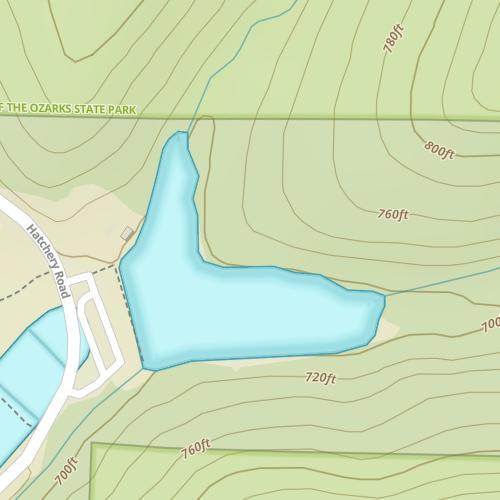
Little Bear Creek Map
Features
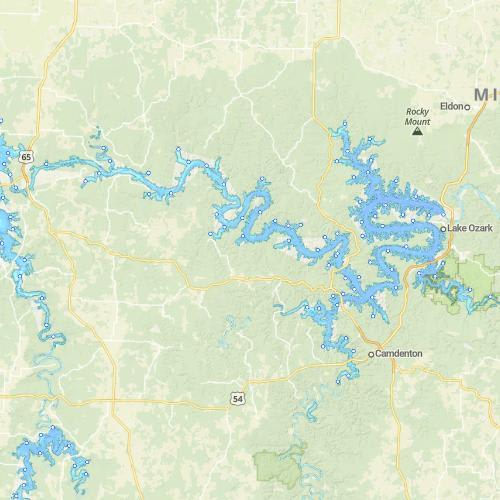
Nicknamed the “Magic Dragon,” Lake of the Ozarks is an impoundment of the Osage River, created in 1931 with the completion of the Bagwell Dam. Originally intended for power generation, the lake has grown into one of the most popular and well-developed lakes in the country. Though vacationers and boaters make up a large portion of the visitors, the lake has gained considerable renown among anglers, as well, leading to the lake hosting a large number of yearly fishing tournaments and inclusion in several editions of Bassmaster’s “Best Bass Lakes.”
Besides its popularity as a bass lake, the Magic Dragon supports a variety of strong fisheries. Anglers interested in crappie, catfish, white bass, walleye and hybrid striped bass and anglers interested in bowfishing can all find success. Because of the size and complexity of the lake, though, advice from local bait shops, marinas and fishing guides about current conditions can be key to a successful trip.
Due to heavy recreational traffic, daytime fishing can be difficult in the summer. To circumvent this, most anglers fish in the morning or evening during the peak of the tourism season.
Forage
A strong, stable gizzard shad population forms the foundation of the forage base. Crayfish, juvenile panfish, and various minnows are an important supplement to the shad.
Seasonal Movements
Walleye make a spawning run into the streams and tributaries in March, when water temperatures hit 40 degrees. White bass and hybrid striped bass head toward the streams for their spawning run when surface temperatures reach about 50 degrees—generally in April.
Largemouth bass, spotted bass and crappie follow similar seasonal patterns on the lake. In spring and fall, look for these fish to move into the sheltered coves, often keeping under the cover of docks in shallow water. Expect crappie and spotted bass to spawn first—as water temperatures hit the mid-to upper 50’s. When water temperatures reach the mid-60’s, largemouth bass will follow suite. During the summer and winter, look for all three species to be in deeper parts of the lake—often near points or steep drop-offs.
Weather

66°Feels like 66° 92°
92° 73°
73°

92°73°7:16 AM
6:36 PM

4 mph
South

0 in
Rain

29.94 inHg
Rising

MondayMo
92° / 73°
TuesdayTu
95° / 72°

WednesdayWe
81° / 66°
ThursdayTh
78° / 55°

FridayFr
65° / 43°

SaturdaySa
63° / 44°
Moon Phase

October 12, 2026
4% Illumination
waxing crescent, getting brighter


MondayMo10/12
TuesdayTu10/13
WednesdayWe10/14
ThursdayTh10/15
FridayFr10/16
SaturdaySa10/17

SundaySu10/18
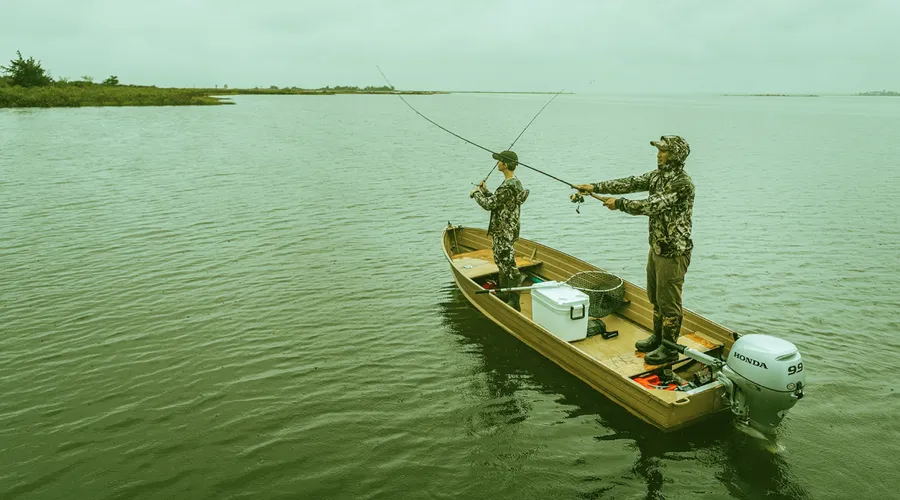
Get Your Line in the Right Water
Quickly find the best places to fish and plan your day right.
Top Fish Species
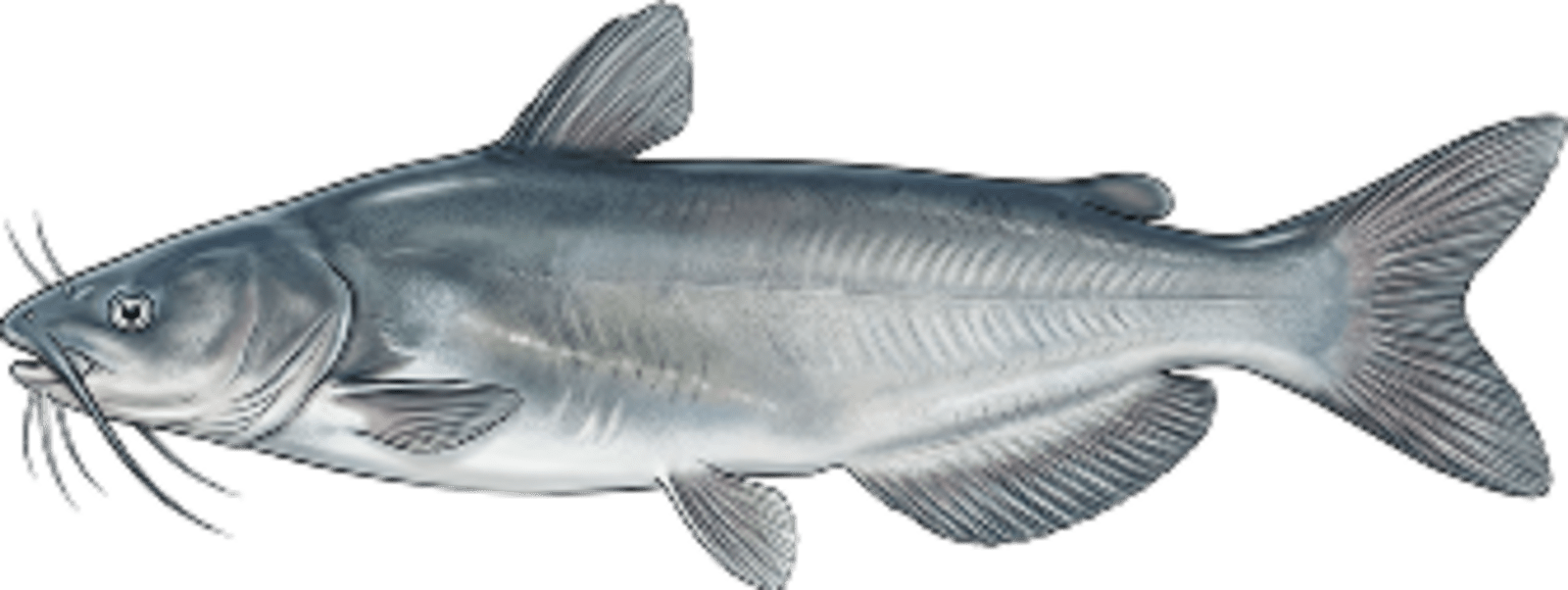
Blue catfish
No survey data
Abundance (CPUE)

Understanding Abundance
Abundance ratings are based on Catch Per Unit Effort (CPUE) measurements conducted by the MN DNR, and represent a snapshot of a species population at a given point in time
Source: Minnesota Department of Natural Resources. Survey cadence may vary by state and water body.Species Lengths