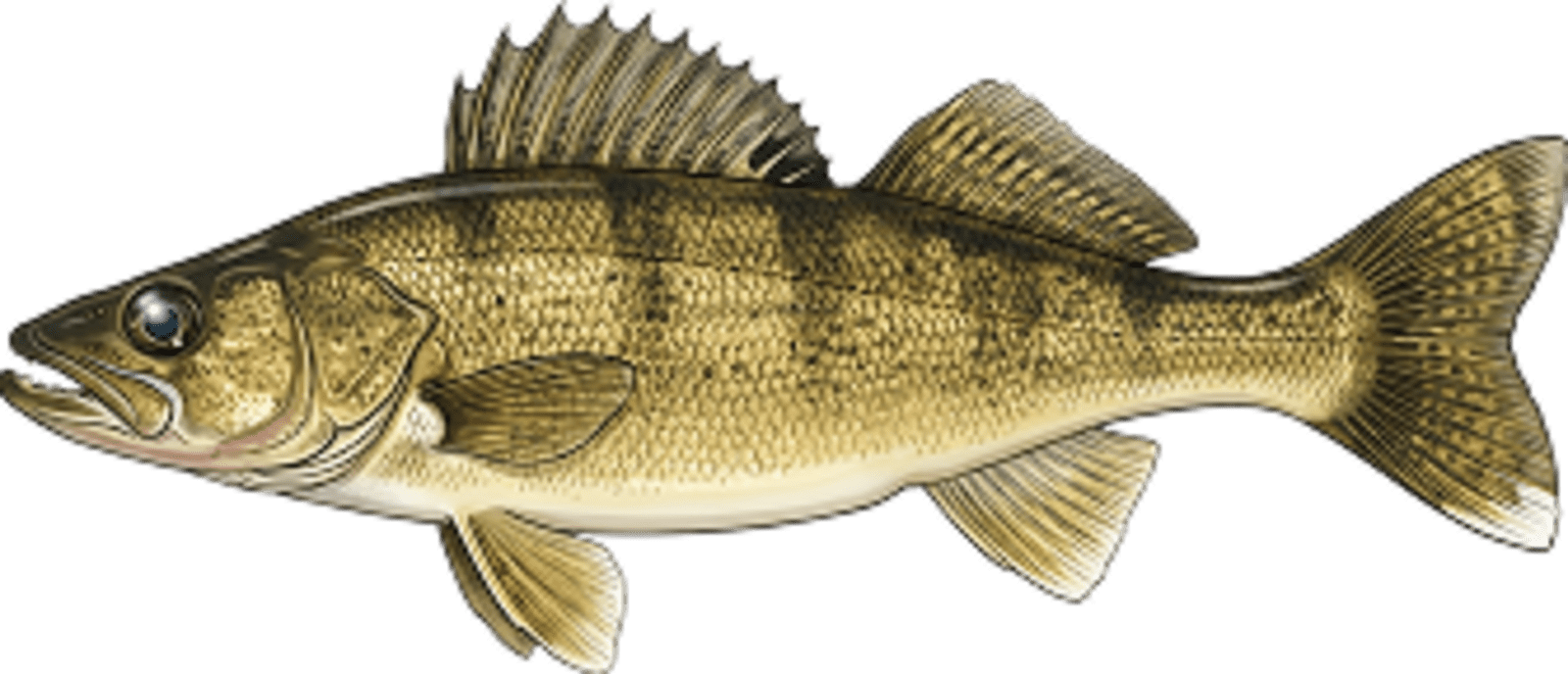
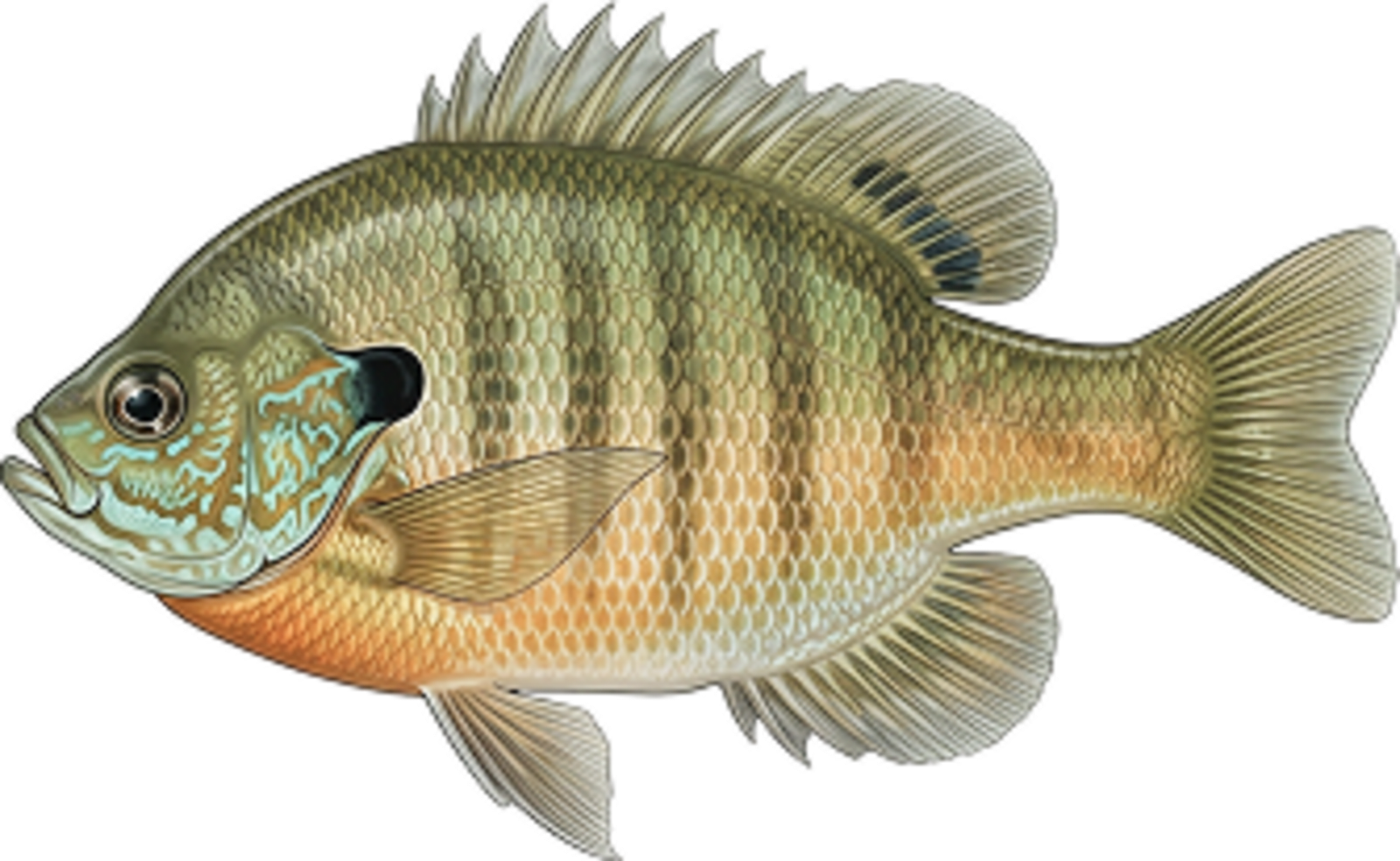
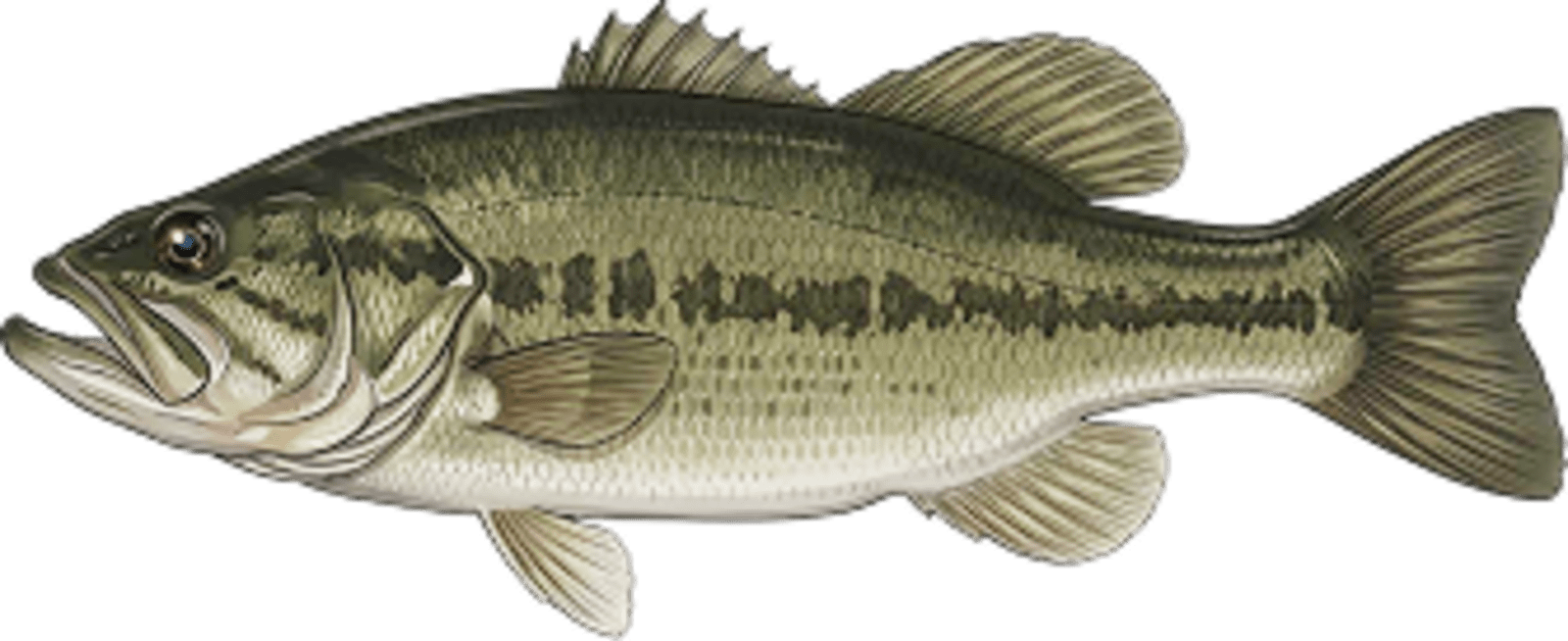
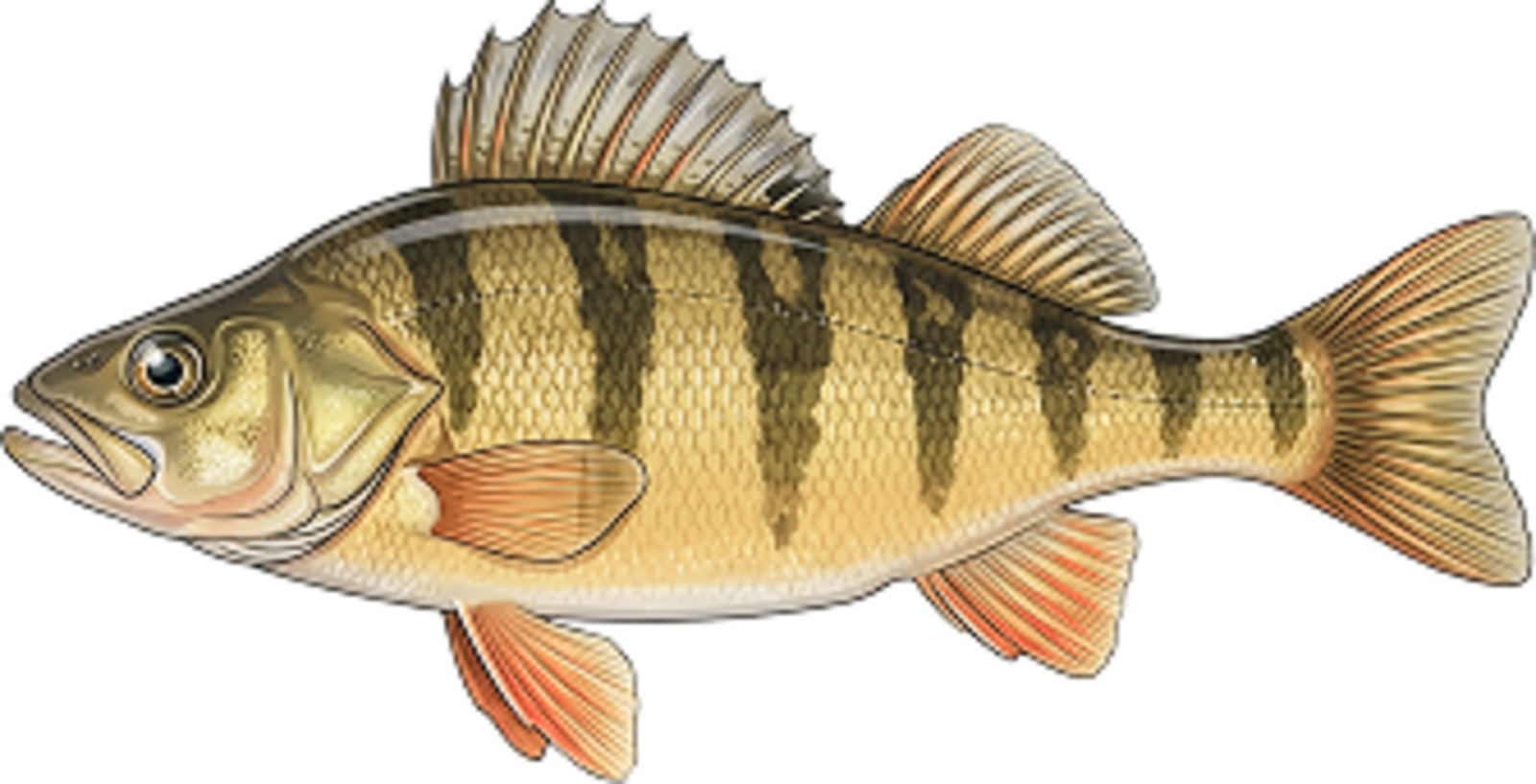
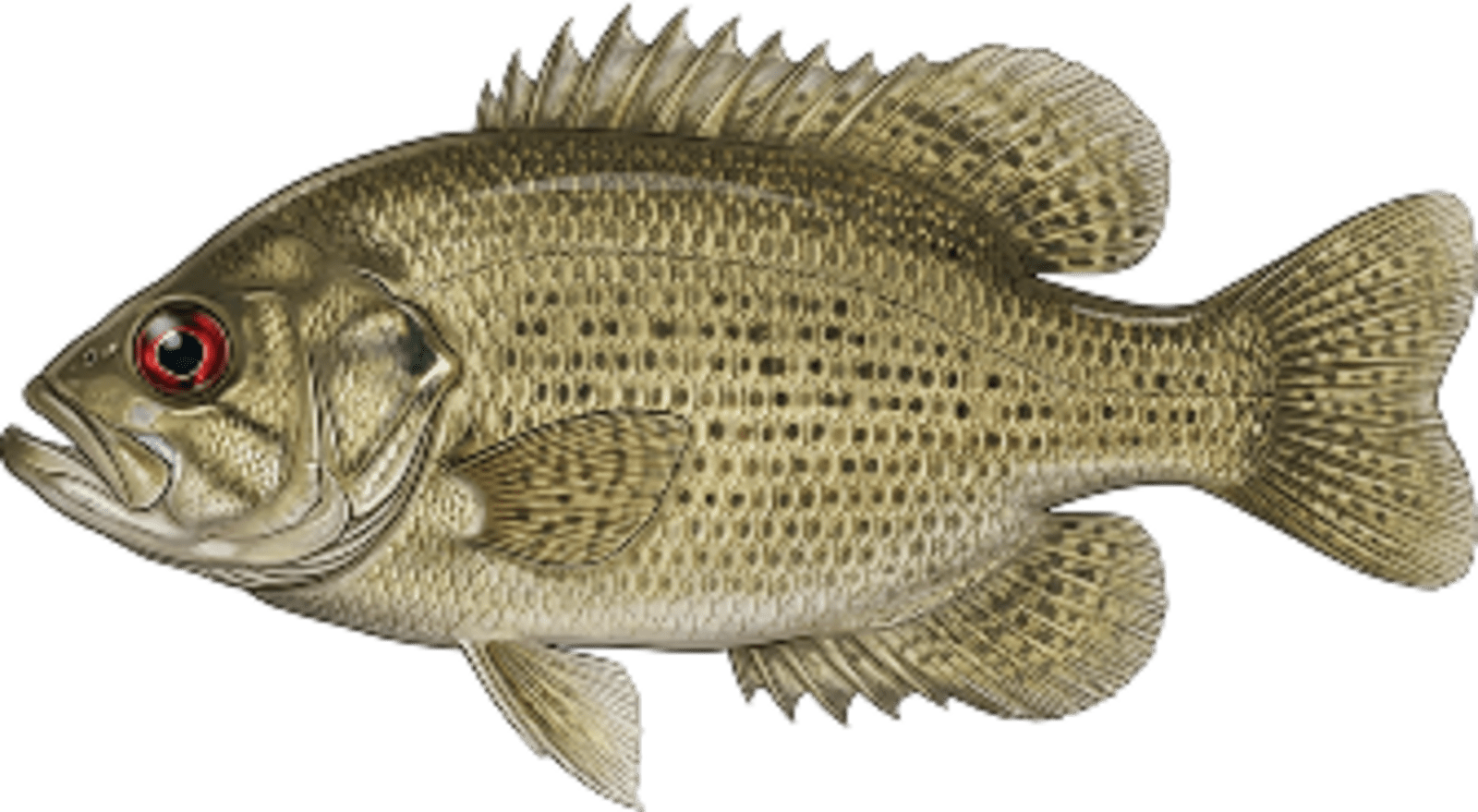
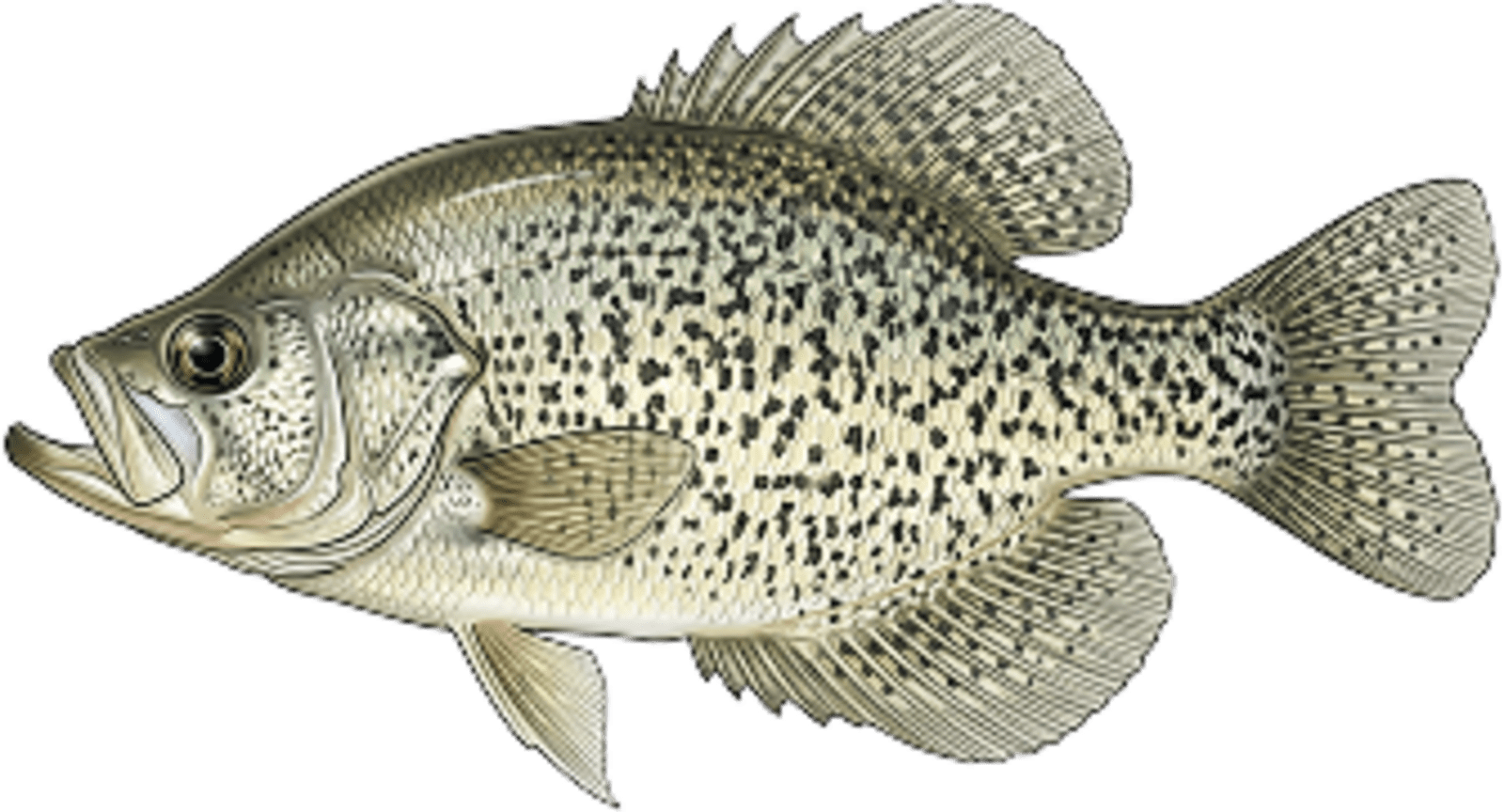
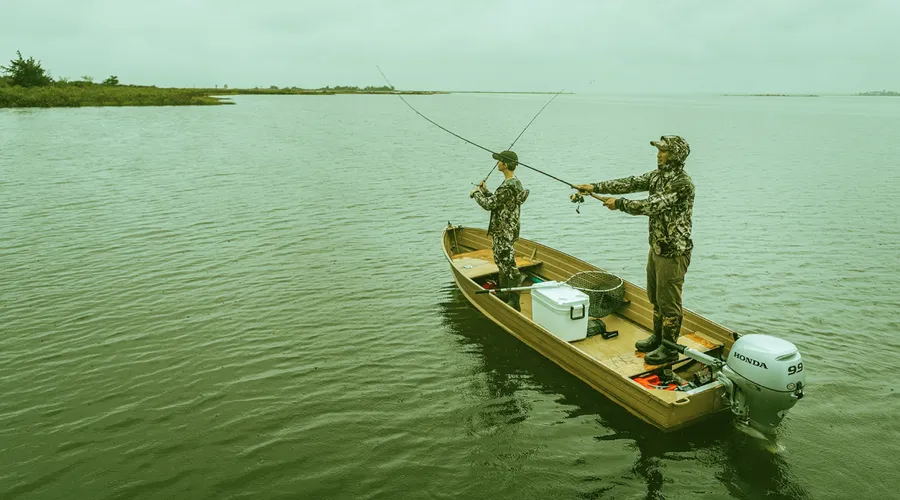
Often overshadowed by nearby Lake Winnibigoshish, these lakes provide great walleye action. Crappie, northern pike and perch also present. Weedlines concentrate Sand Lake walleye, while midlake structure holds many fish on Bowstring.
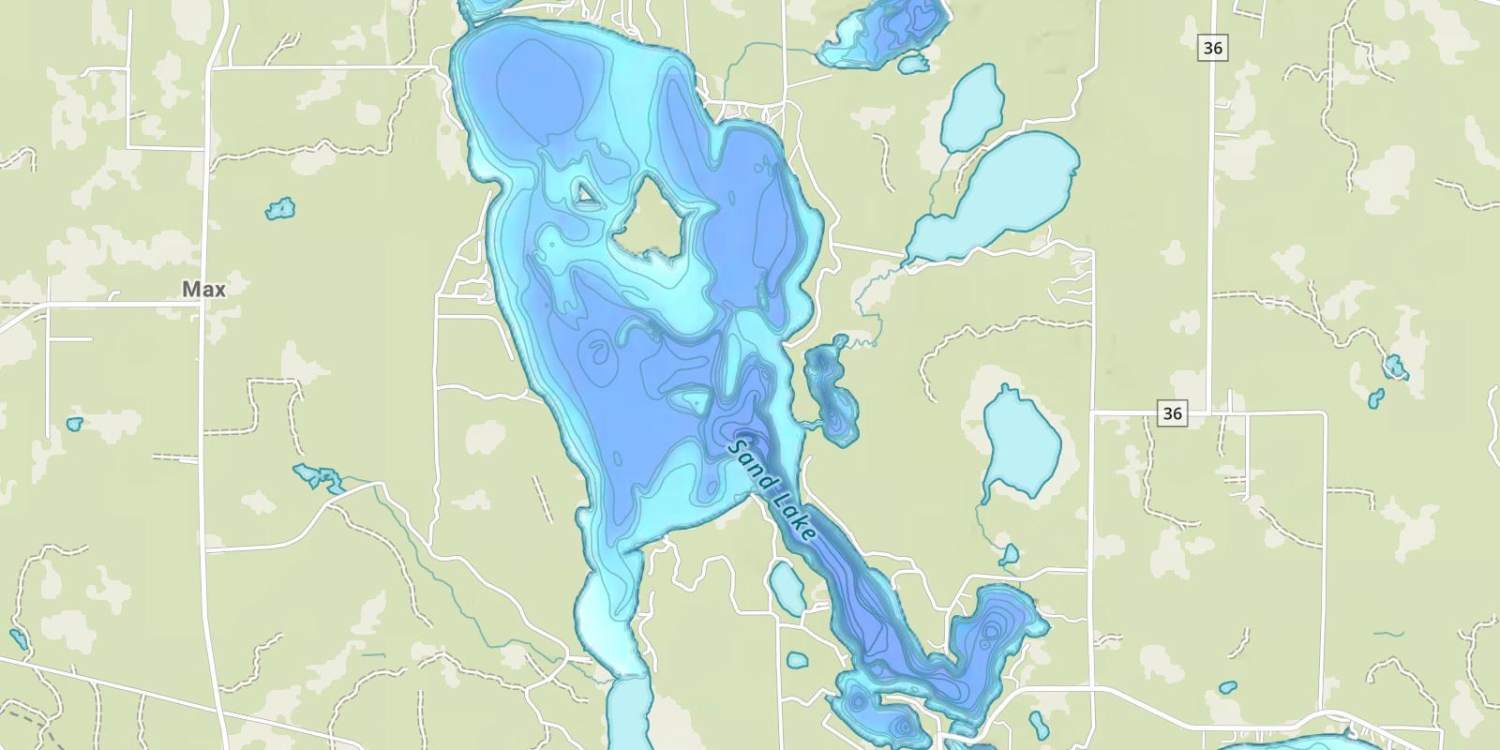
Sand Lake Map
Fishing Regulations
Special Fishing regulations: This lake has special fishing regulations that differ from statewide or border water regulations for those species identified below and take precedence. Regulations listed below are currently in place. Visit the fishing regulations page for links to upcoming regulations for specific lakes.
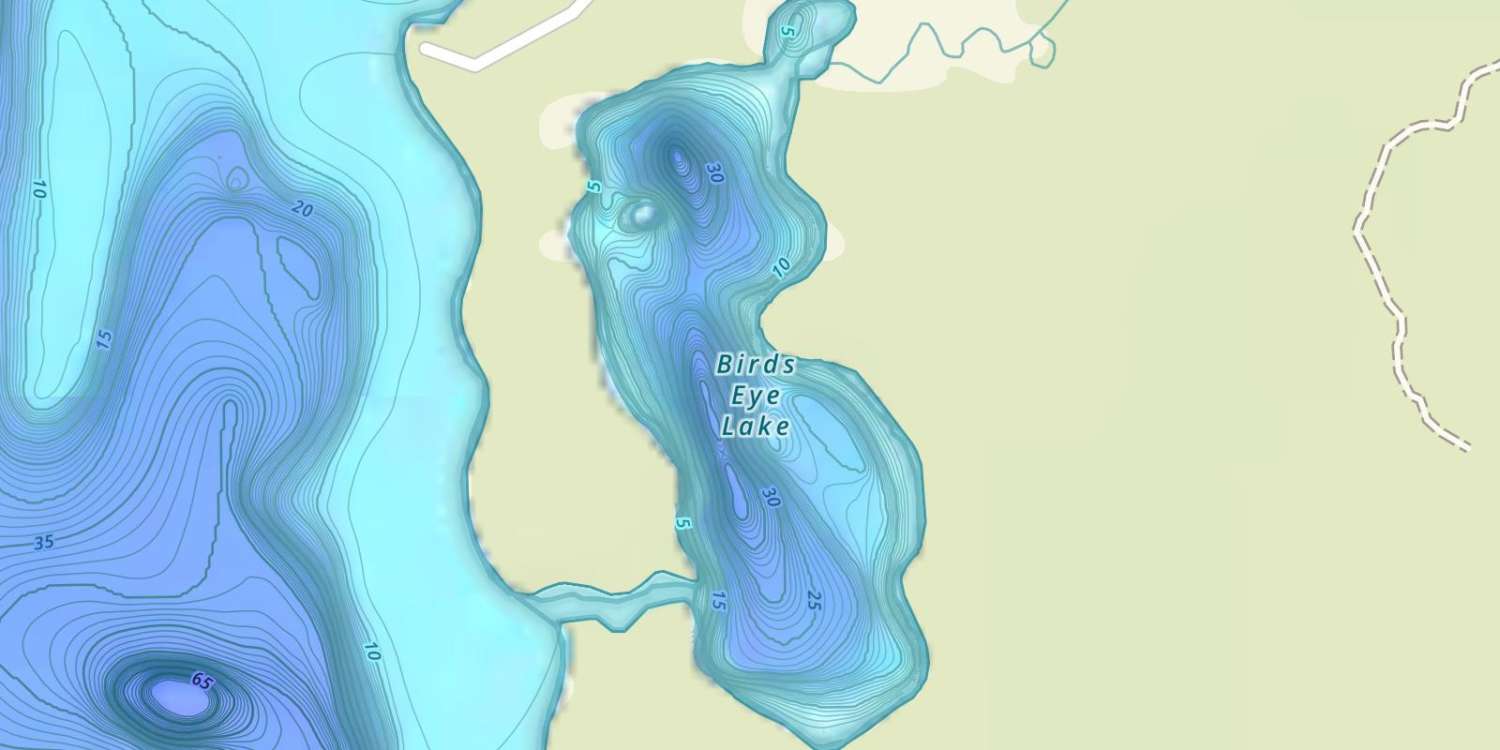
Location: Including connecting Birds Eye Lake, Little Sand Lake, Portage Lake, Rice Lake, and Bowstring River upstream to County Road 35 bridge and downstream to the County Road 145 bridge.
Walleye: All from 20-24” must be immediately released. Only one over 24” allowed in possession.
Location: Sand Lake and connected Portage, Birdseye, Little Sand, and Rice Lakes and the Bowstring River upstream to the CSAH 35 bridge and downstream to the County Road 145 bridge
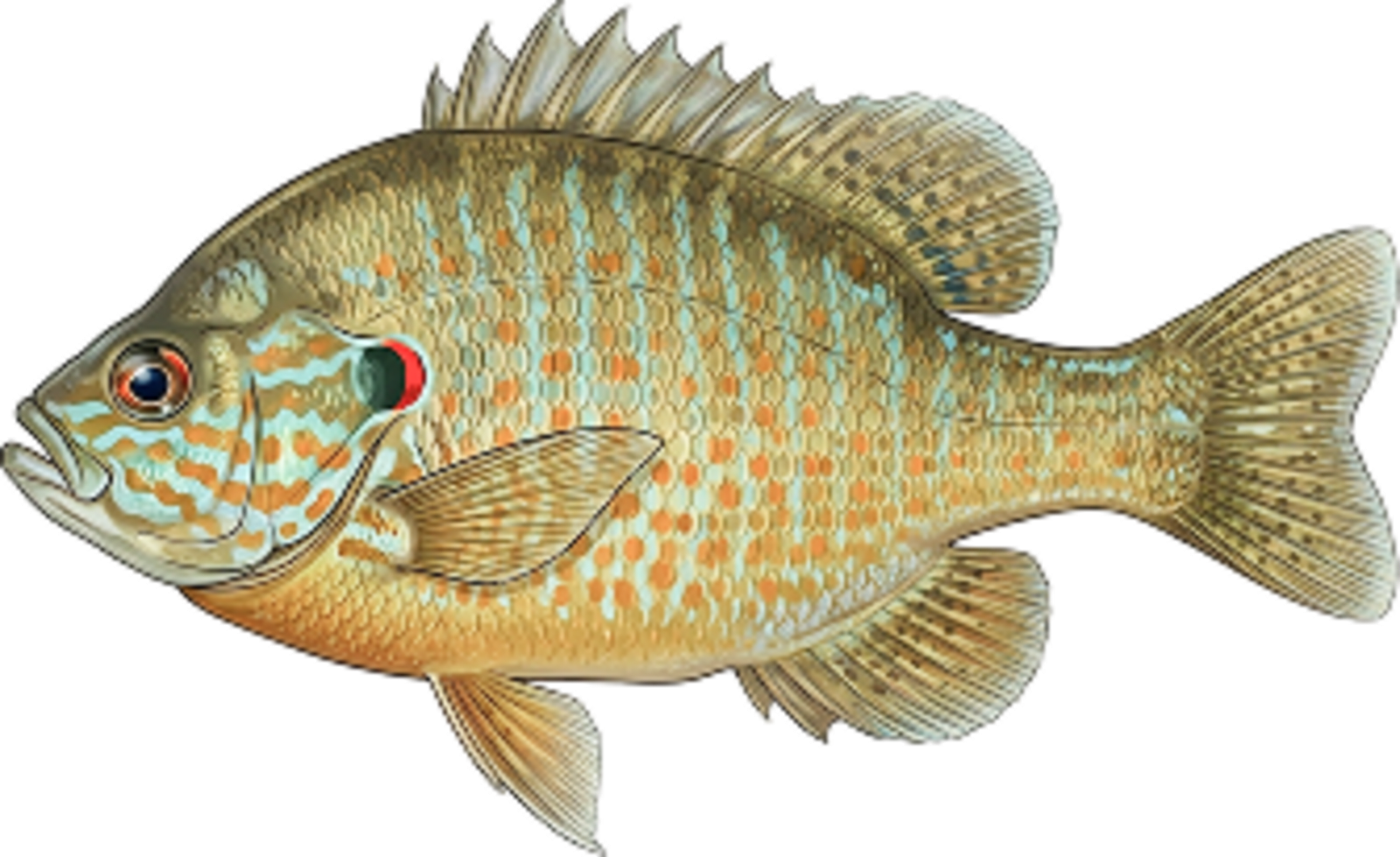
Sunfish: Daily limit five.
Features
Bowstring Lake is located within the Leech Lake Indian Reservation and is part of a chain of lakes on the Bowstring River. The lake is often windswept and can be rough. While fishing is generally best on the windward shore, the leeward side is safer during periods of high wind.
Fishing pressure on Bowstring is heavy in spring, but only moderate during summer because of its proximity to Lake Winnibigoshish.
Bowstring has abundant wild rice beds, but harvesting is restricted to Leech Lake Indian tribal members.
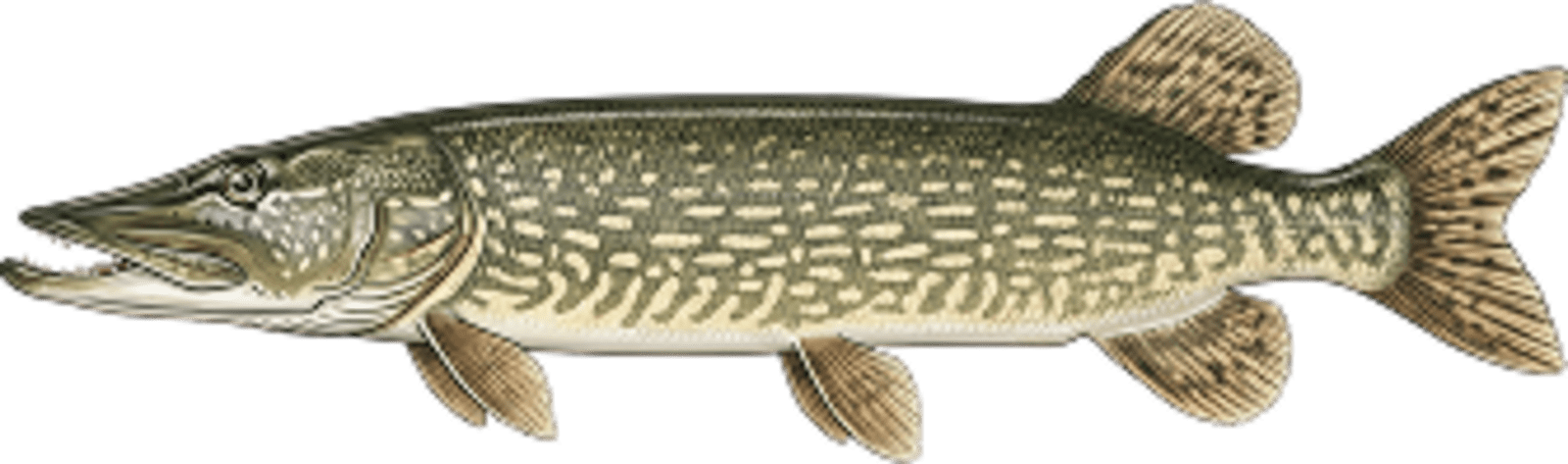
The Minnesota Department of Natural Resources has fish consumption advisories on walleye and northern pike. Check state advisory publication for details.
Sand Lake is located within the Leech Lake Indian Reservation and the Chippewa National Forest. It is part of a chain of lakes on the Bowstring River. Like Bowstring, Sand Lake can also become windswept and rough.
Forage
Bowstring Lake - Perch, mimic shiner and Spottail shiner are the most important forage species. White sucker, redhorse, common shiner, golden shiner, blacknose shiner, bluntnose minnow and tullibee are also utilized.Sand Lake - Perch and Spottail shiner are the primary forage species. Blacknose shiner, common shiner, golden shiner, bluntnose minnow, white sucker, Johnny darter and tullibee (cisco) are also present.
Seasonal Movements
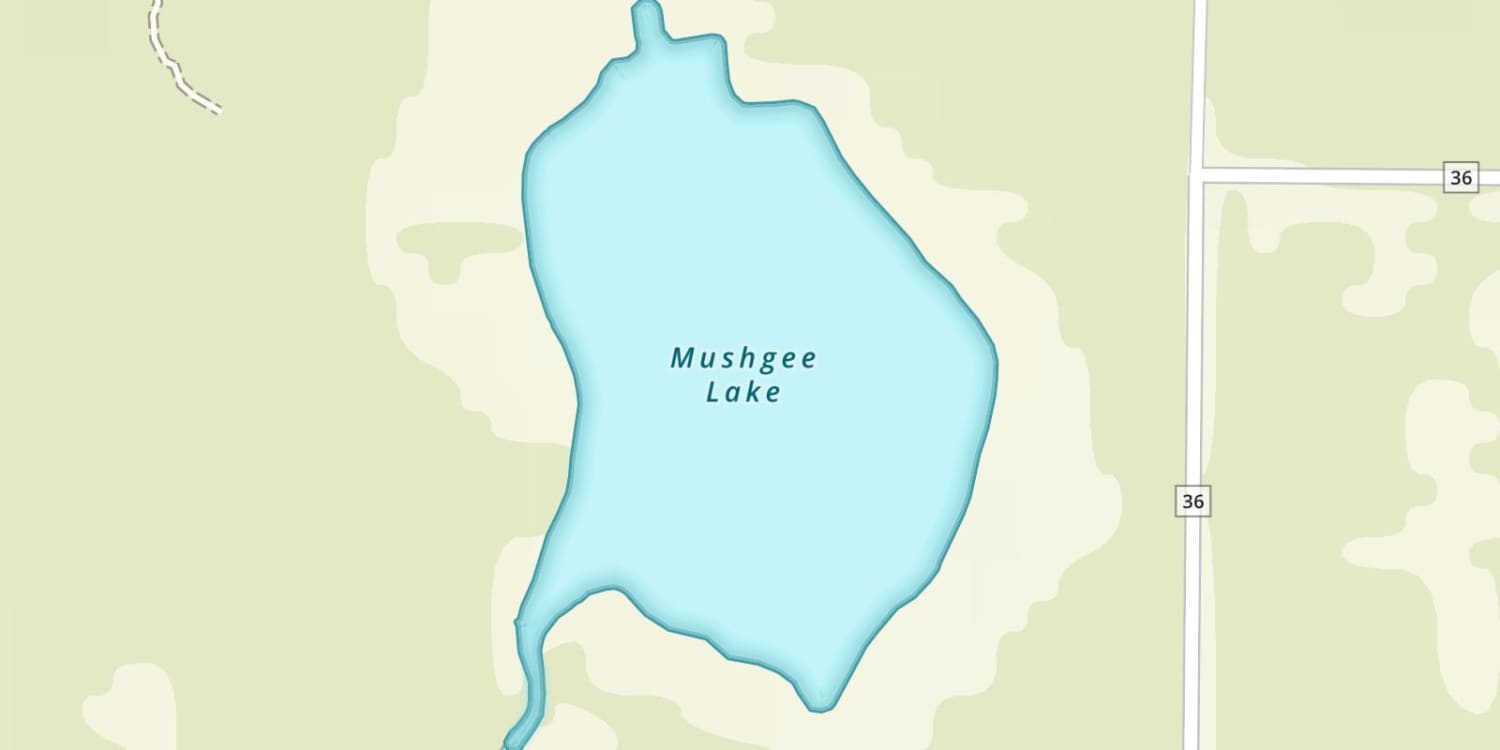
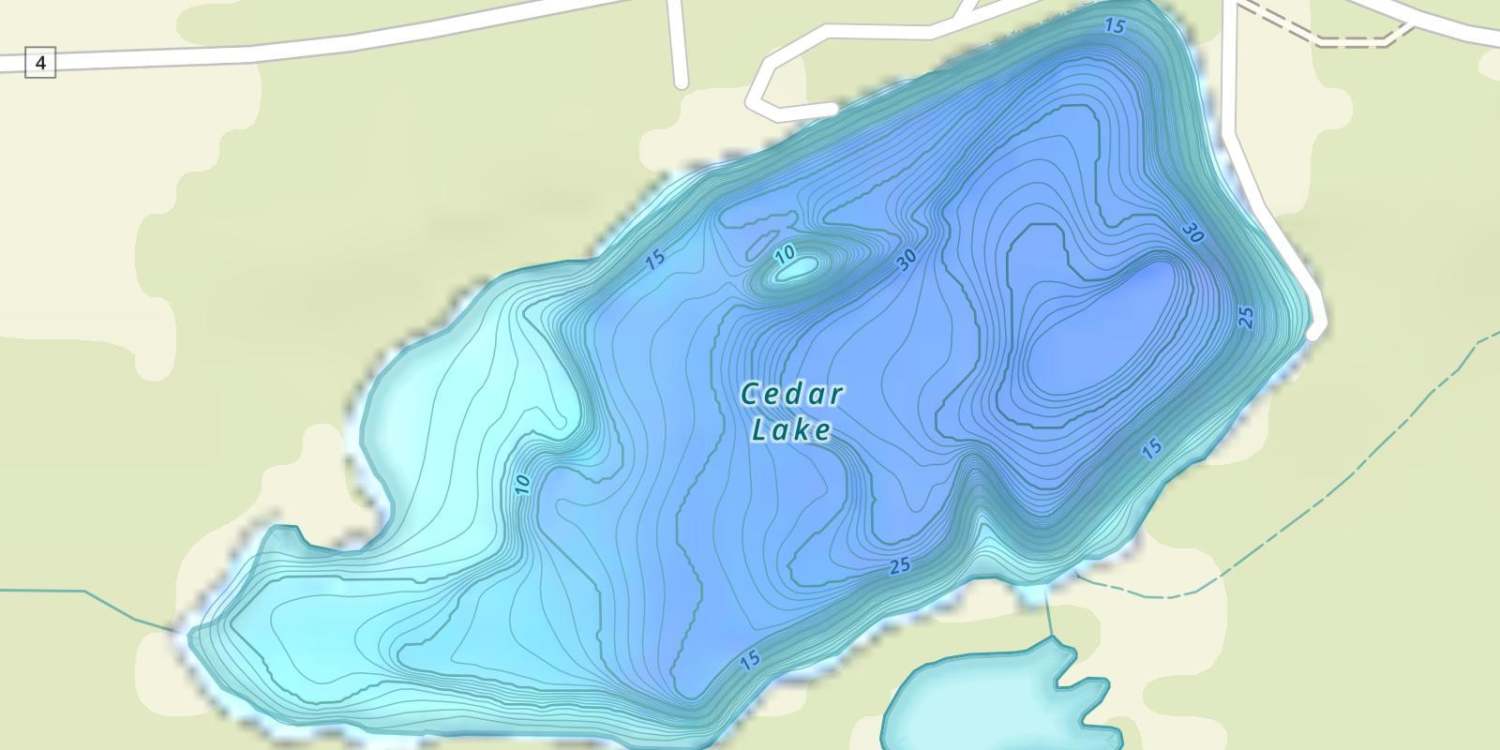
Bowstring Lake - Walleye move to the north shore in spring to spawn. Northern pike migrate to Grouse Bay and the Bowstring River inlet during March and April to spawn. Sand Lake - Northern pike move into the Bowstring River, Cedar Creek and the channel to Mushgee Lake to spawn during March and April.
Weather
Get Your Line in the Right Water
Quickly find the best places to fish and plan your day right.
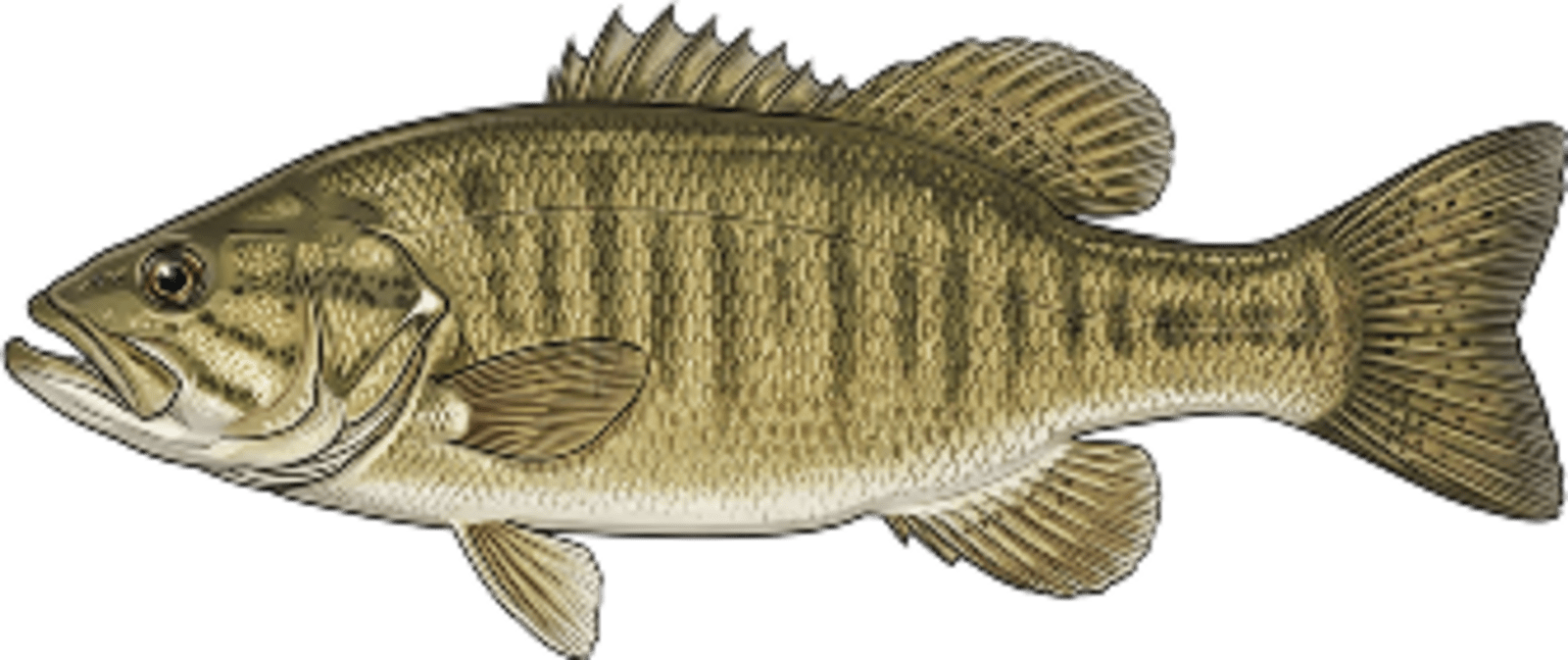
Abundance ratings are based on Catch Per Unit Effort (CPUE) measurements conducted by the MN DNR, and represent a snapshot of a species population at a given point in time
Source: Minnesota Department of Natural Resources. Survey cadence may vary by state and water body.