Size
NA
Boat Launch
Carry-in Launch
Toilet
No
Boat Dock
Species in Garrison Creek
Overview
Minnesota's walleye factory and second largest inland lake. Add to that a trophy muskie and smallmouth bass fishery. In winter the frozen water resembles a small town, complete with a road system. 132,516 acres
Garrison Creek Map
Features
Mille Lacs Lake is the second largest inland lake within the State of Minnesota, and is regarded as one of the premier walleye and perch destinations in the country. The term “walleye factory” is fitting for Mille Lacs considering the natural reproduction and the lakes biology. Nearly 1.1 million walleyes are available to anglers to catch yearly. Not only is Mille Lacs a great walleye destination, but the lakes muskie and smallmouth bass fishery is also outstanding. Since the mid-80’s, Mille Lacs has been designated as an experimental lake and has been managed for trophy fish with special regulations. A voluntary catch-and-release program is sponsored by the Mille Lacs Lake Advisory Association and the Minnesota DNR, along with new management and changing regulations are in place to help improve the fishery. There is also a six-week ban on night fishing which begins the first Monday after opening day. Maximum depths barely exceed 40 feet in Mille Lacs, and much of the main lake falls into the 20 to 38 foot depth ranges. While the north half of Mille Lacs contains most of the lake’s mud flats, the southern portion of the lake offers more gravel and rock bars. Deep-water angling takes place on the southern deep gravel and rocks as well as on dozens of mud flats in the north half of the lake. Shoreline break fishing occurs all around the lake. The weed line usually is around the 10 foot depths. Mille Lacs is also an outstanding winter fishery for perch, walleyes and northern pike. It is one of Minnesota’s most popular winter fishing lakes, ice fishing shanty huts can number in the thousands. Many of the resorts will offer ice house rentals and maintain plowed roads. It is always a good idea to stop into a resort or bait shop to check the ice conditions before venturing out on the ice.
Forage
Juvenile perch, cisco, spottail shiner, mimic shiner, trout perch, pearl dace, bluntnose minnows, darters and logperch. Mayflies, midge larvae and crayfish also provide forage. Perch is the primary forage for walleyes, while ciscoes and trout perch offer forage for muskies and northern pike.
Seasonal Movements
Walleyes and perch will move to rocks, sand and shallow shorelines early in the year to spawn. Spawning usually takes place from early May to mid-June. As summer progresses fish will move throughout the lake. Smallmouth bass will also move into shallow gravel and rock areas during the spring to spawn.
Weather

76°Feels like 76° 82°
82° 57°
57°

82°57°7:27 AM
6:36 PM

4 mph
Southeast

0 in
Rain

29.68 inHg
Stable
SundaySu
82° / 57°

MondayMo
68° / 47°

TuesdayTu
57° / 42°
WednesdayWe
59° / 41°
ThursdayTh
57° / 38°

FridayFr
50° / 33°
Moon Phase

October 11, 2026
1% Illumination
waxing crescent, getting brighter


SundaySu10/11
MondayMo10/12
TuesdayTu10/13
WednesdayWe10/14
ThursdayTh10/15
FridayFr10/16
SaturdaySa10/17
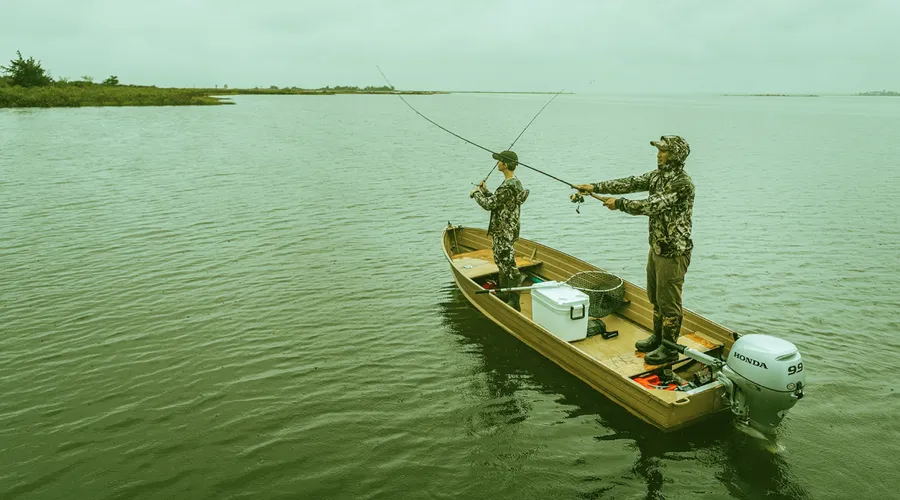
Get Your Line in the Right Water
Quickly find the best places to fish and plan your day right.
Top Fish Species
Largemouth bass
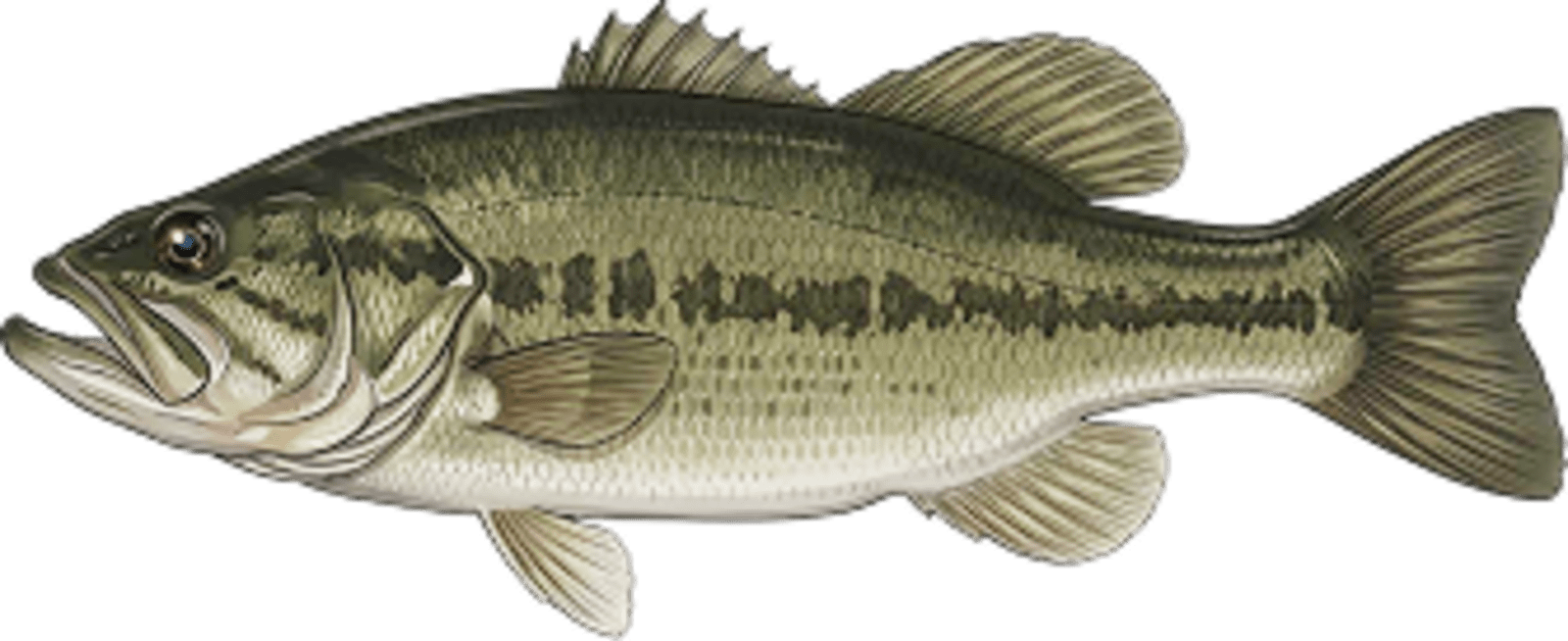
No survey data
Abundance (CPUE)

Understanding Abundance
Abundance ratings are based on Catch Per Unit Effort (CPUE) measurements conducted by the MN DNR, and represent a snapshot of a species population at a given point in time
Source: Minnesota Department of Natural Resources. Survey cadence may vary by state and water body.Species Lengths