Size
NA
Boat Launch
Carry-in Launch
Toilet
No
Boat Dock
Species in Camp Ninety Creek
Overview
Camp Ninety Creek Map
Features
Lake Kabetogama is located within Voyageurs National Park and is part of the chain of four boundary-area lakes that border the U.S. and Canada border. However, Kabetogama is different than the rest of the lakes on the chain. Lake Kabetogama is the only border lake that is not on the border at all. The 25,000 plus acres of Kabetogama is entirely with the Minnesota borders. Still considered as a Canadian Shield lake, Kabetogama offers beautiful scenery, excellent wildlife and an outstanding fishery. There is plenty of habitat that hold fish such as rocks, humps, sandbars, reefs and weeds. The lake is known for its abundant walleyes and jumbo perch, trophy northern pike, plenty of hard-fighting smallmouth bass and black crappies.
The lake is surrounded by the Voyageurs National Park and is open to the public for camping. There are campsites along the shoreline as well as on the hundreds of islands that litter the lake. The National Park Service offers campsites with amenities, boat tours and other services to the public. Camping on the lake requires a camping permit. Contact Voyageurs National Park Headquarters at (218)-283-6600 for any questions you might have.
To help boaters get around the lake safely, red and green navigational buoys have been placed throughout the lake to mark the channel that runs east to west. Boaters should use caution when boating since there are many hazards that lie just under the surface of the water. There is also a “No-Wake” zone along the Ash River just upstream from Sullivan Bay.
Whether you are looking for outstanding fishing, beautiful scenery, or just a relaxing getaway, Lake Kabetogama has something for everyone.
Forage
Bluntnose minnow, spottail shiner and darters are just a few of the vast variety of minnow species that can be found throughout the lake. Rainbow smelt, ciscoes a juvenile perch also provide forage for many of the larger fish. Ciscoes populations fluctuate due to high summer water temps.
Seasonal Movements
In early spring, the west end of the lake and numerous shallow water bays throughout the lake will attract walleyes, perch and northern pike. From mid-May to mid-June, new weed growth, warm water and areas of current should be targeted. The inlet of the Ash River and water flow through the channel leading to Lake Namakan can also hold spawning fish. In the fall, areas of current will again attract fish following schools of baitfish.
Weather
Get Your Line in the Right Water
Quickly find the best places to fish and plan your day right.
Top Fish Species
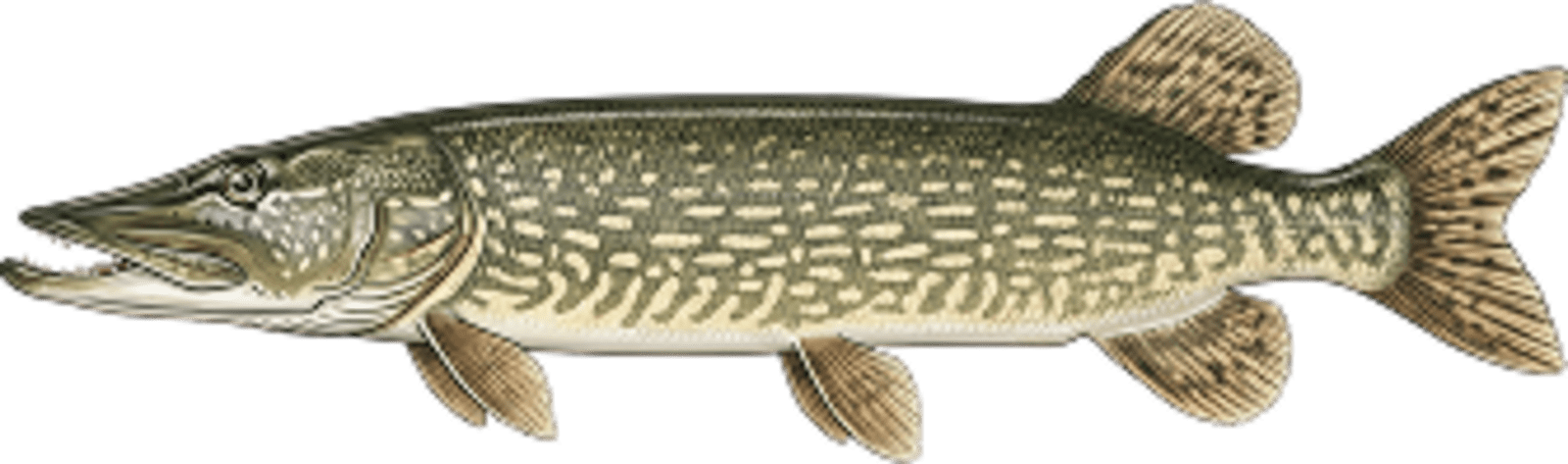
Northern pike
No survey data
Abundance (CPUE)

Understanding Abundance
Abundance ratings are based on Catch Per Unit Effort (CPUE) measurements conducted by the MN DNR, and represent a snapshot of a species population at a given point in time
Source: Minnesota Department of Natural Resources. Survey cadence may vary by state and water body.Species Lengths