Patoka Lake

Patoka Lake

Size
8,761ac
Boat Launch
Yes
Carry-in Launch
Yes
Toilet
Yes
Boat Dock
No
Species in Patoka Lake
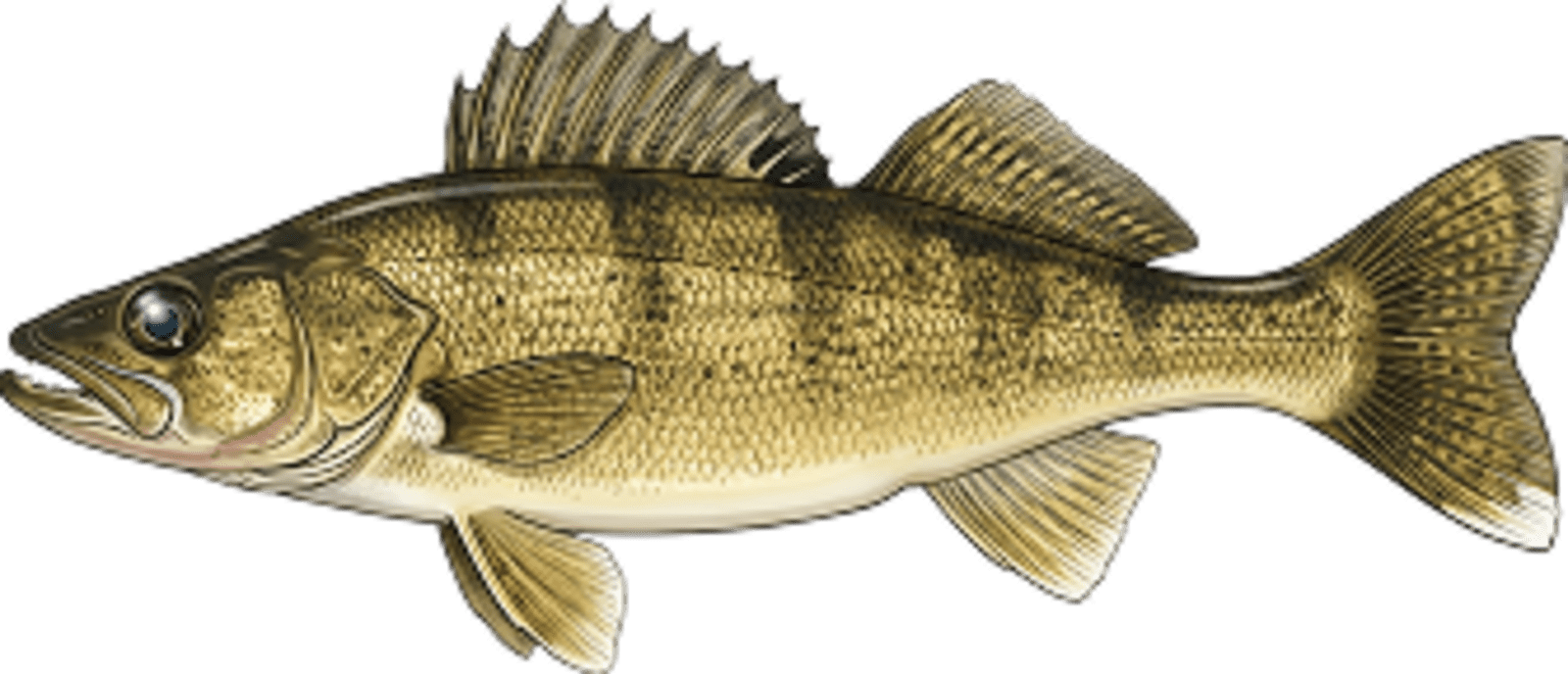
Walleye
Walleye
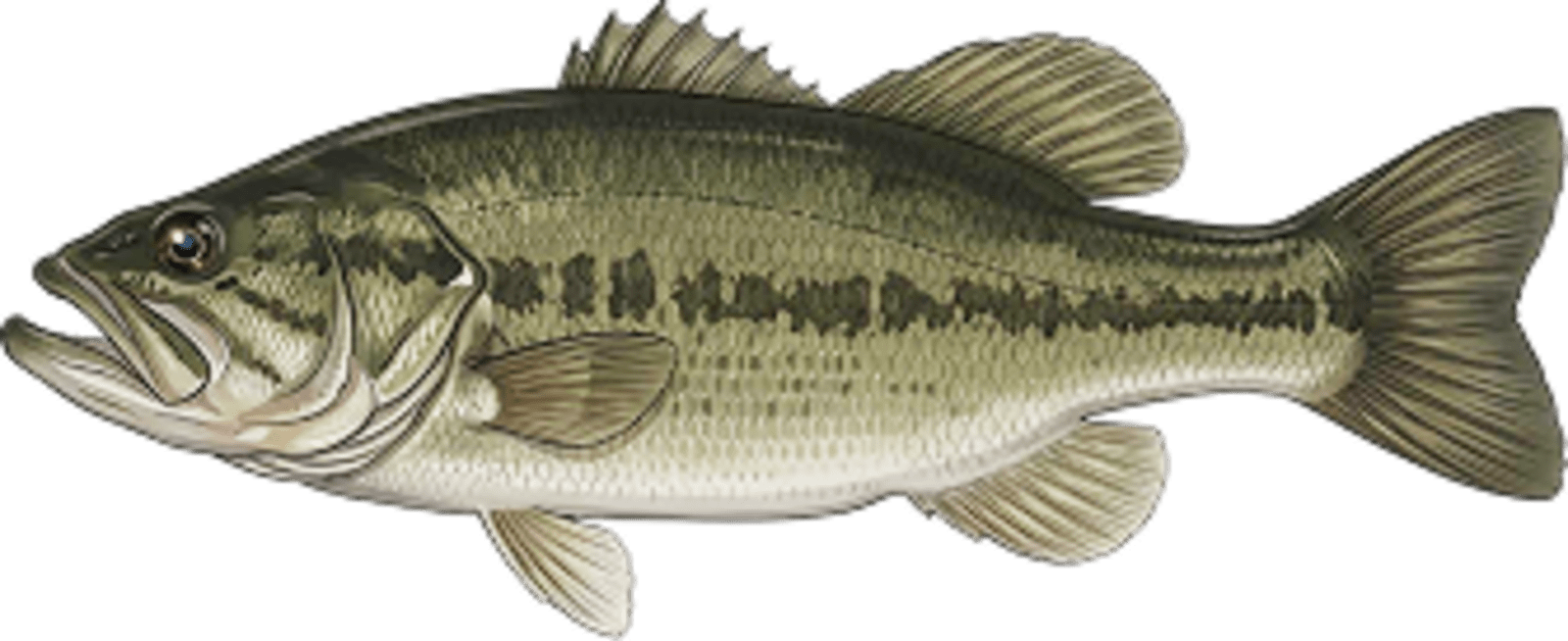
Largemouth bass
Largemouth bass
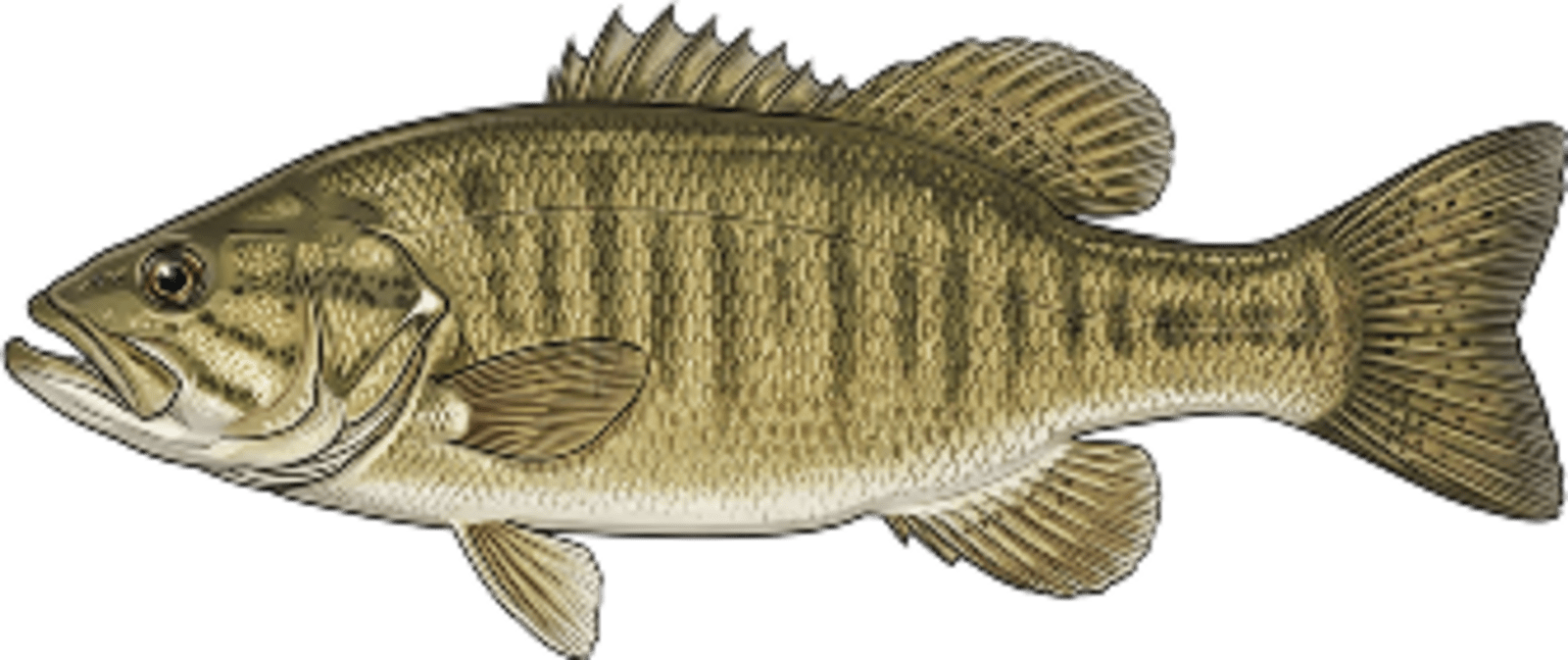
Smallmouth bass
Smallmouth bass
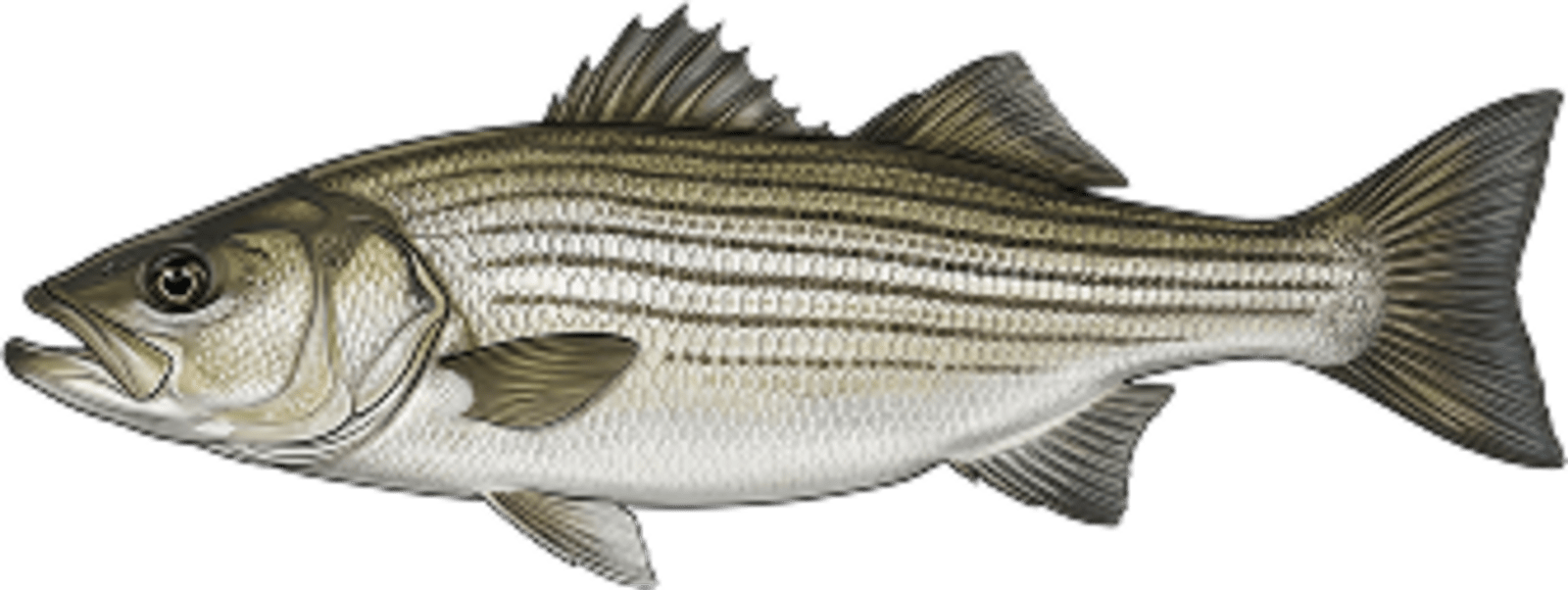
Striped Bass
Striped Bass
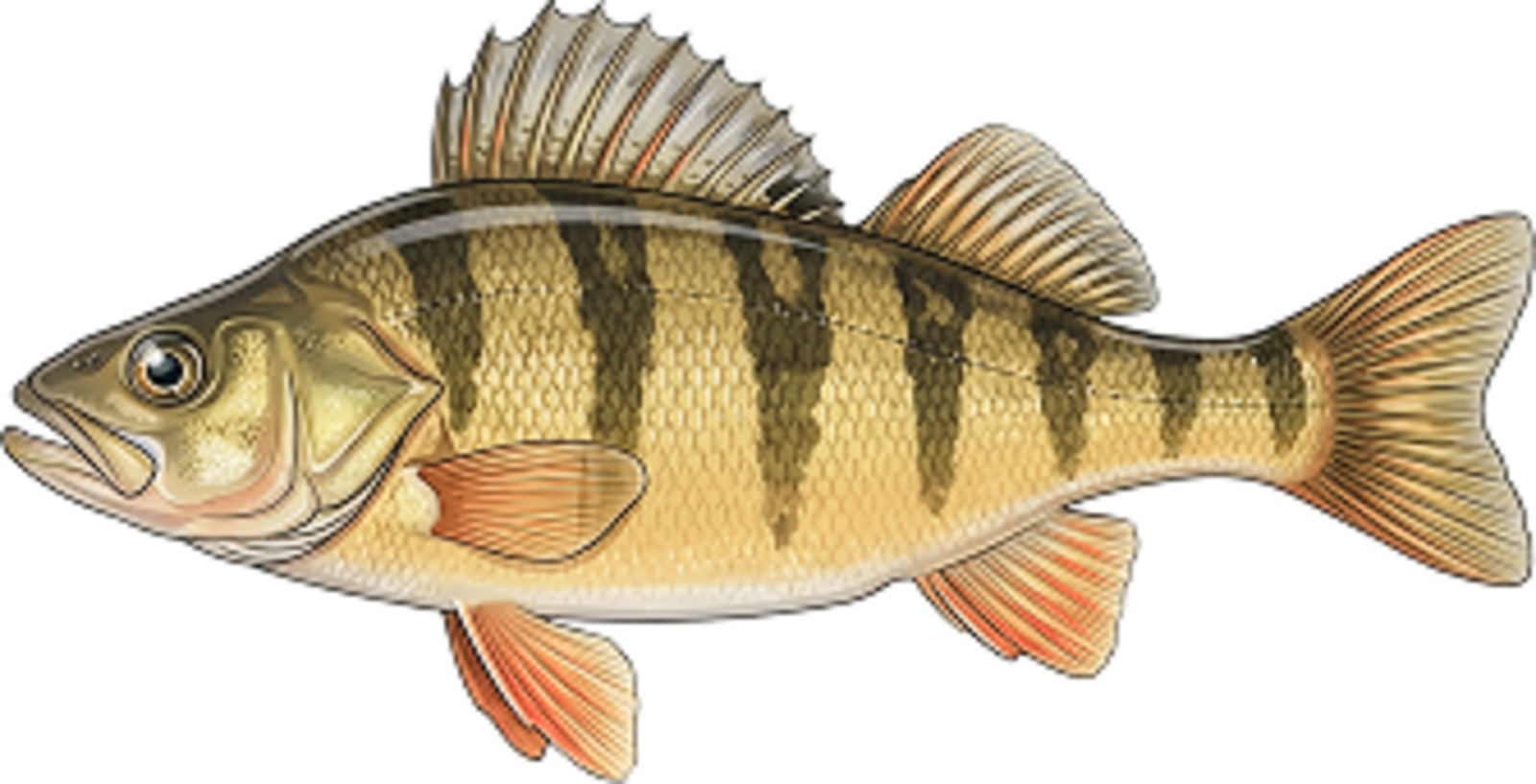
Perch
Perch
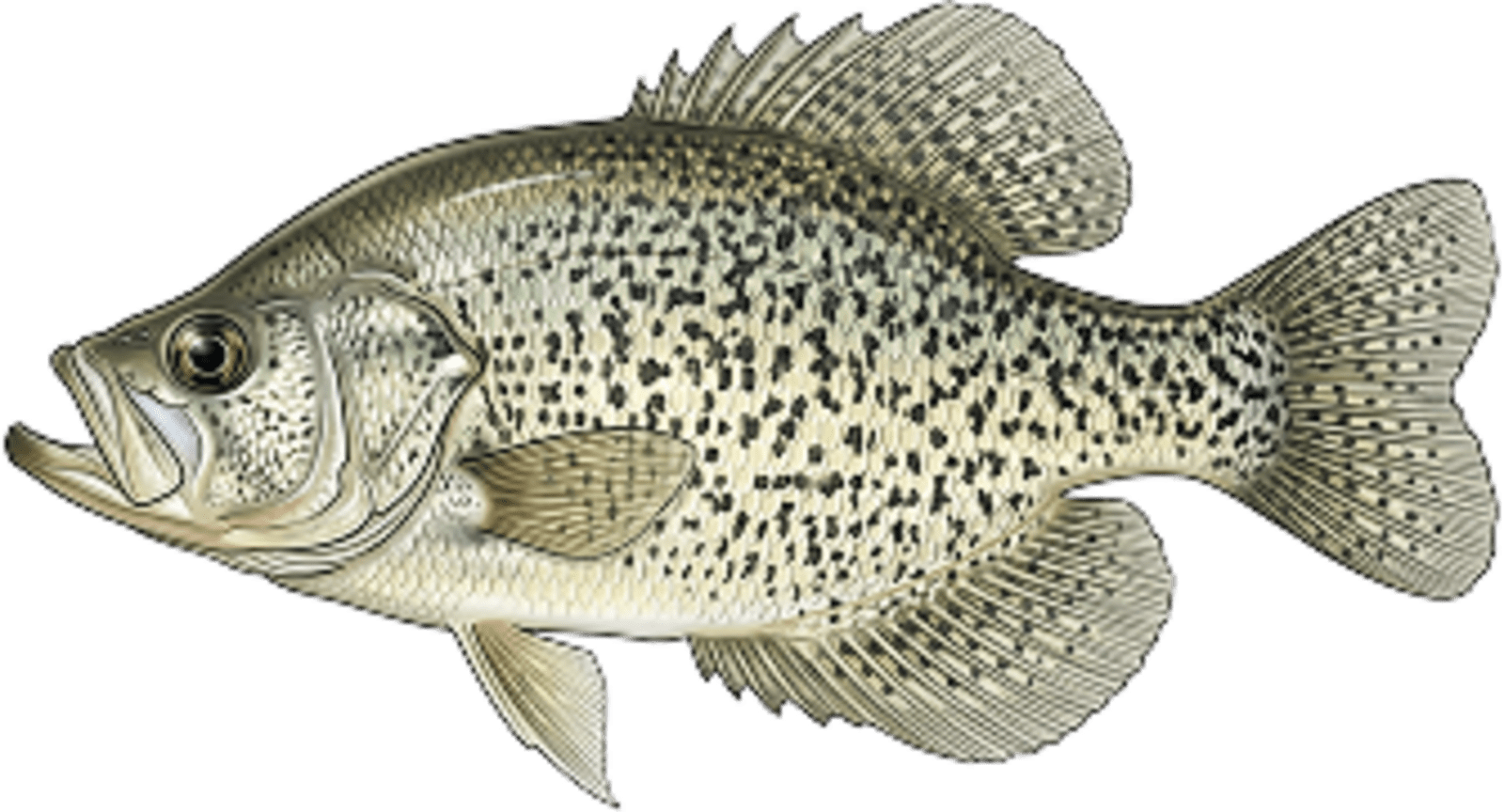
Crappie
Crappie
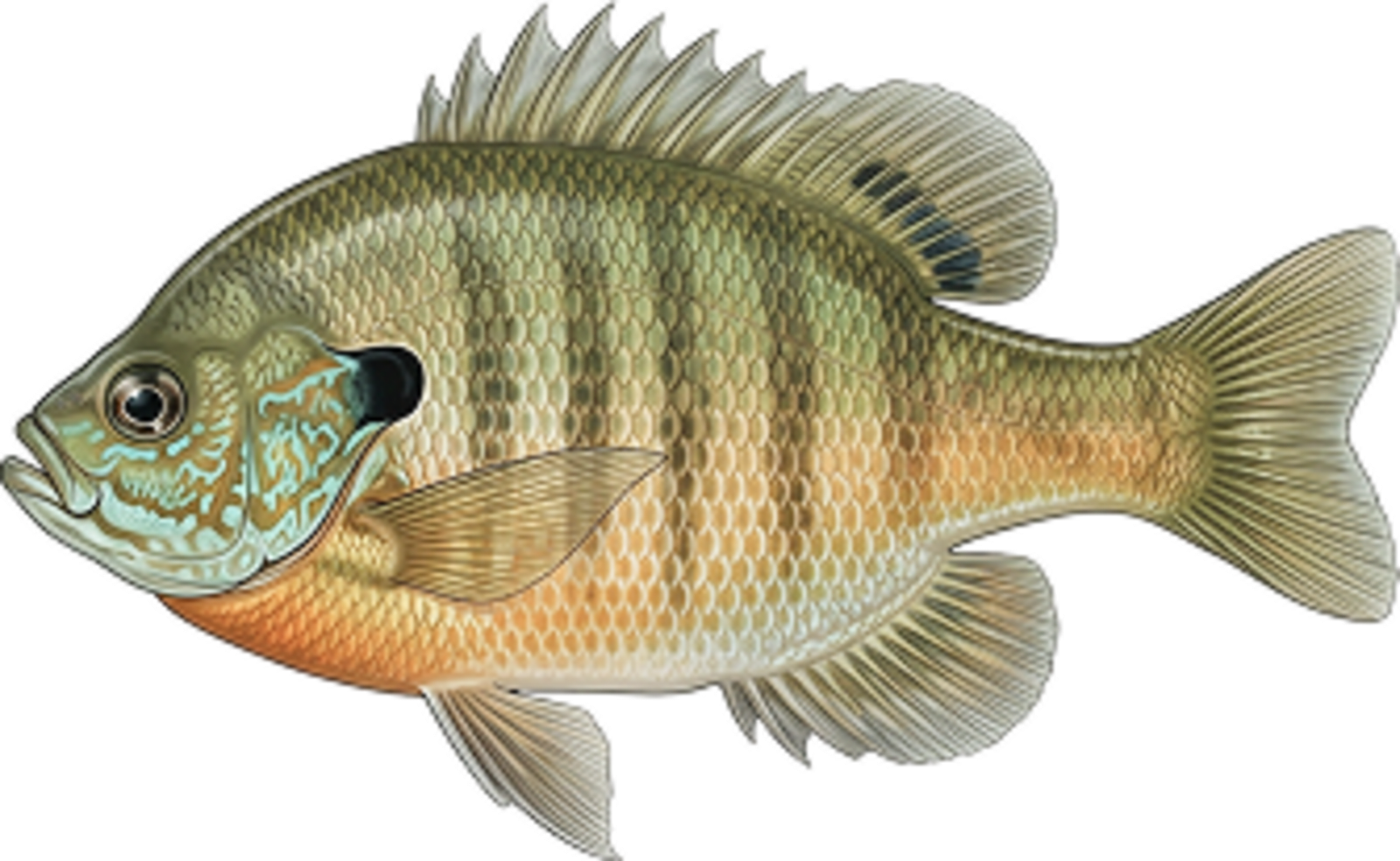
Bluegill
Bluegill
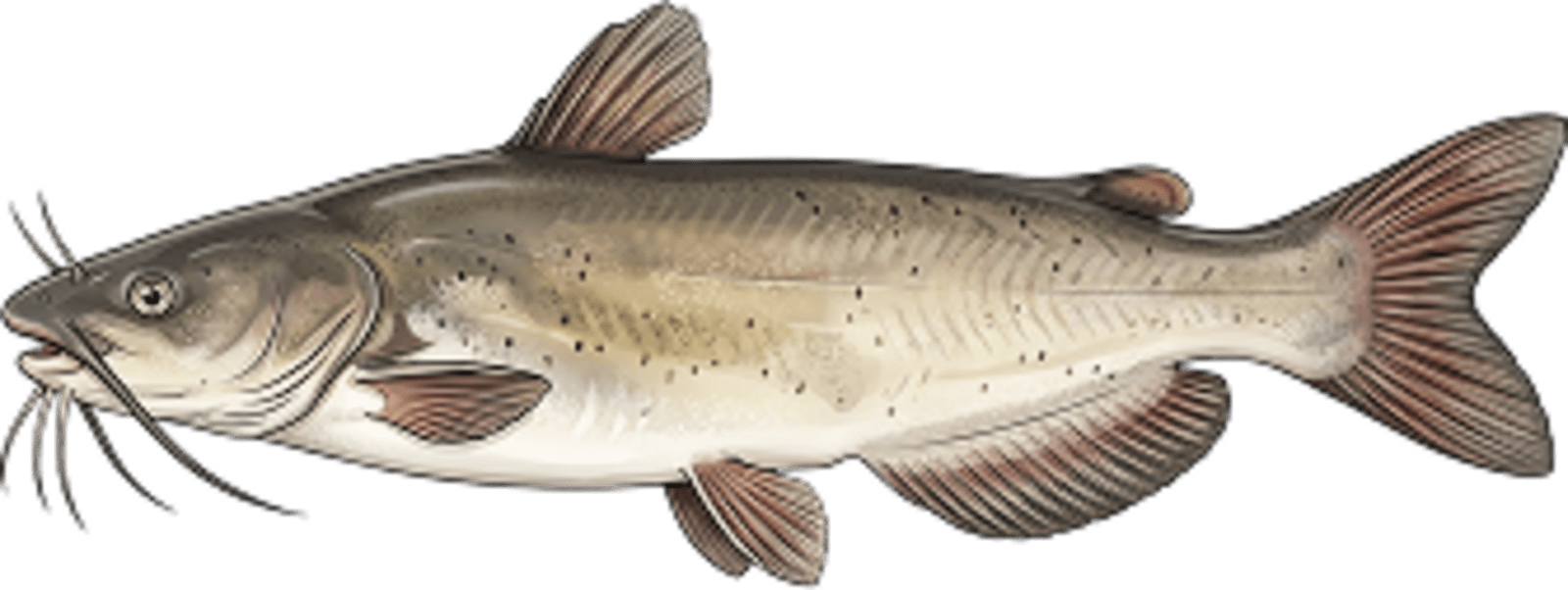
Channel catfish
Channel catfish
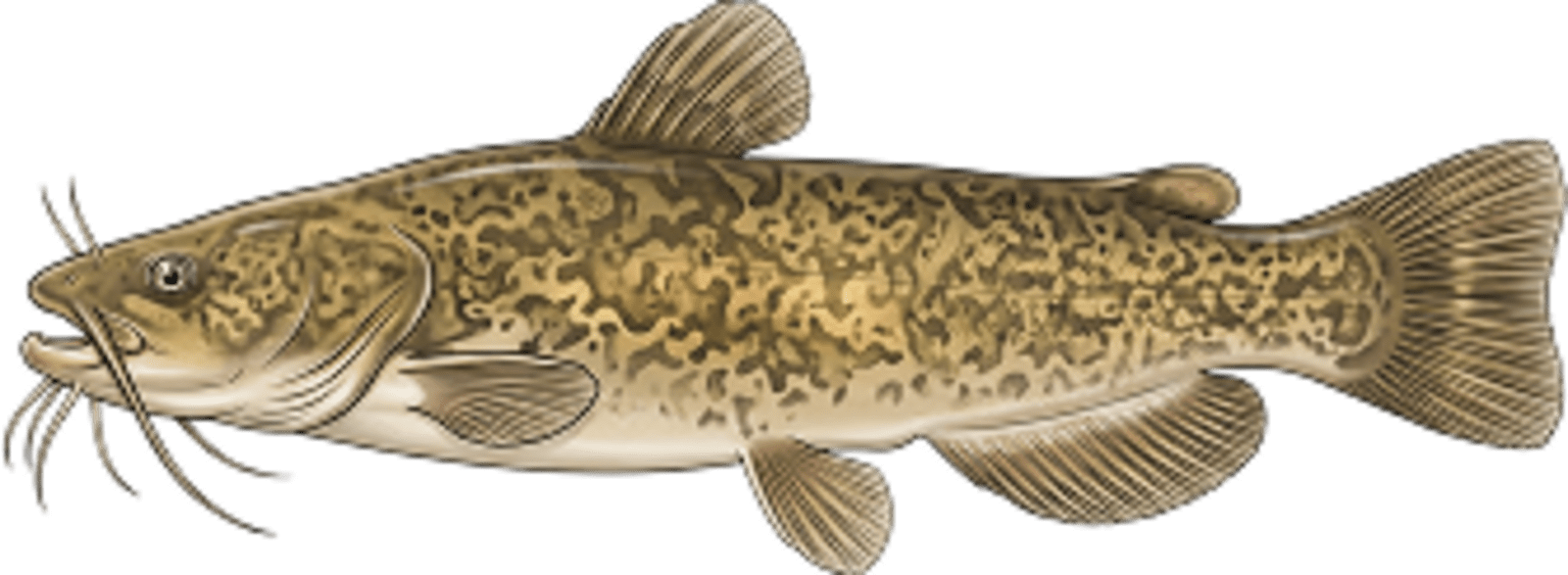
Flathead catfish
Flathead catfish
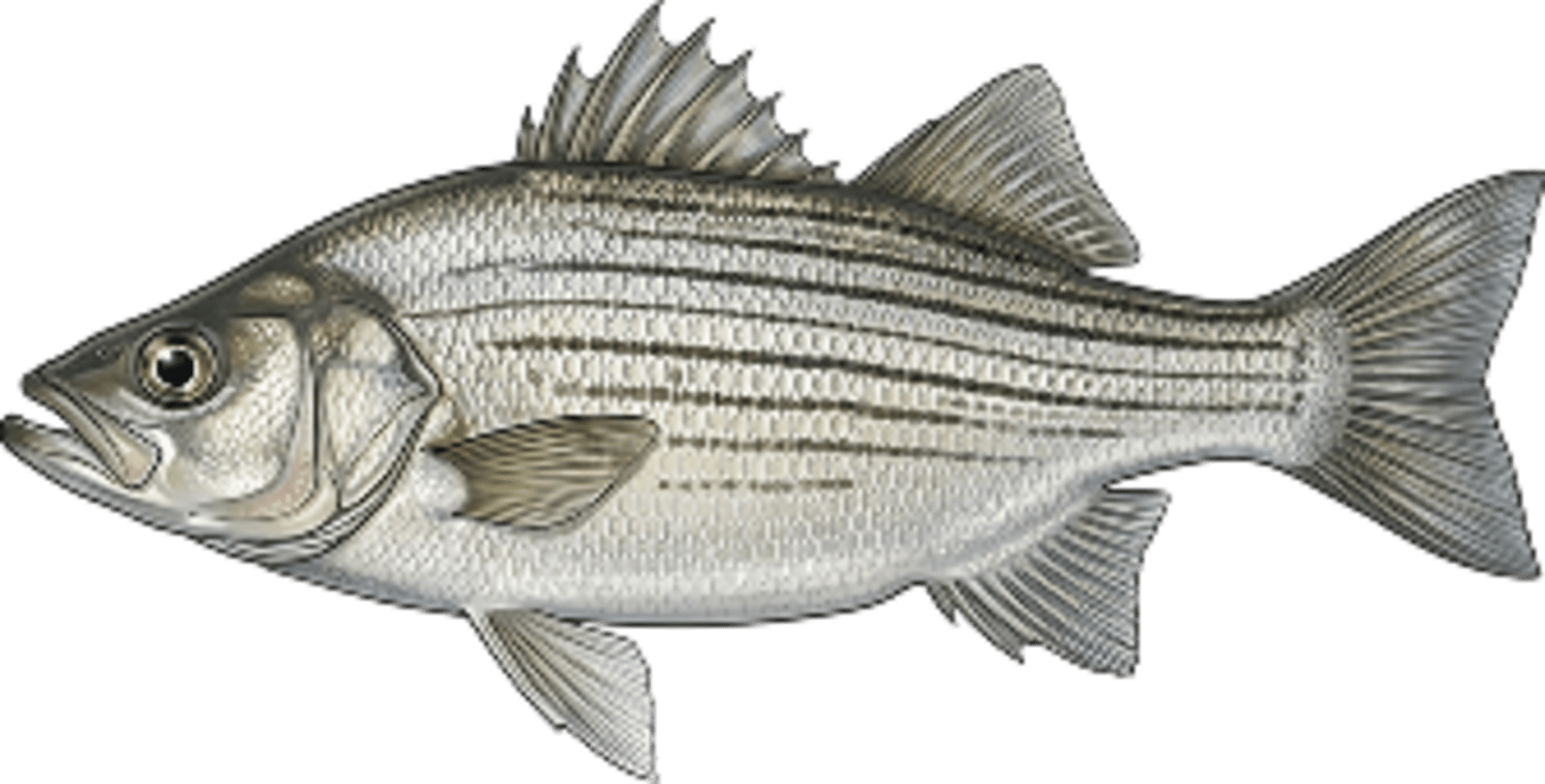
White bass
White bass

Overview

The second largest lake in the state is loaded with largemouth bass and bluegill. Standing timber provides acres of cover and countless angling opportunities. 8,880 acres

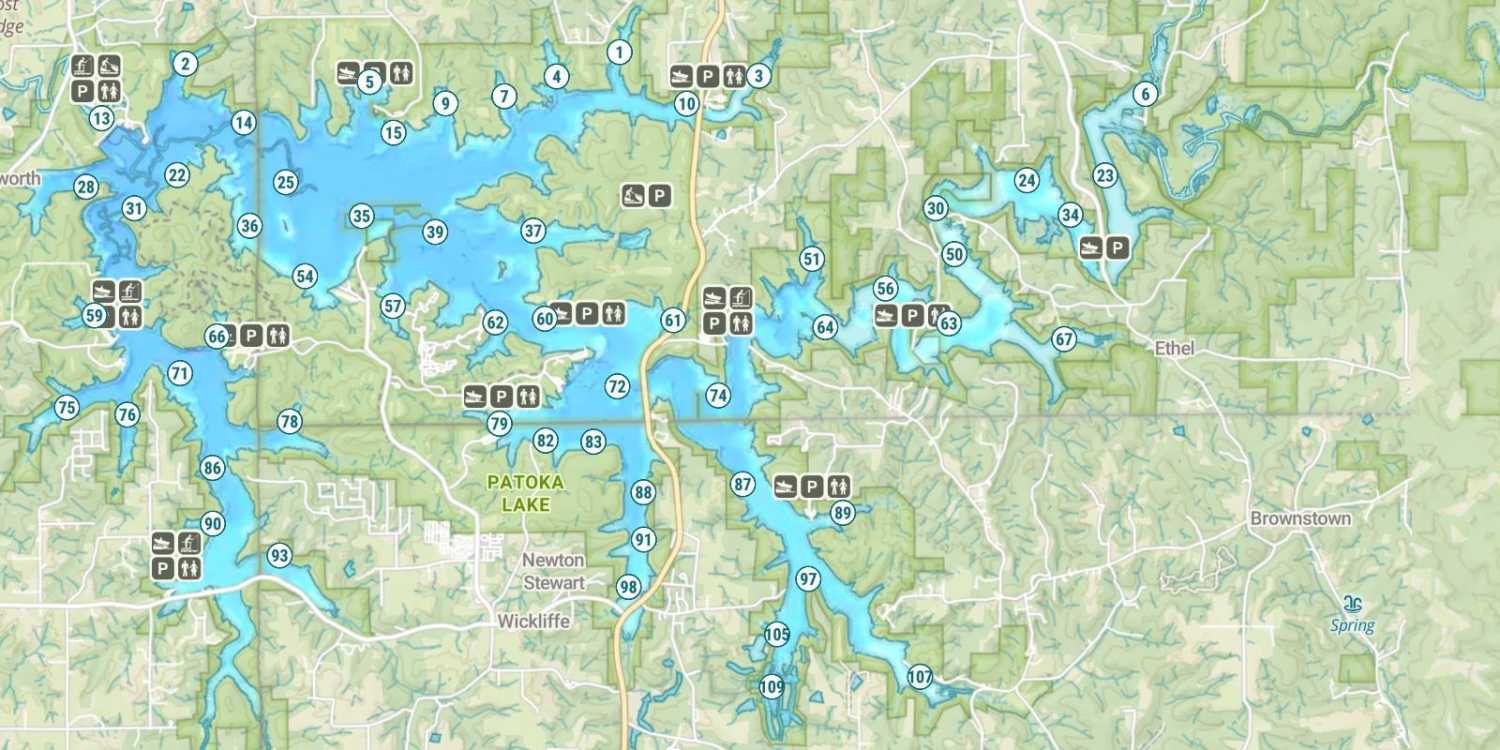
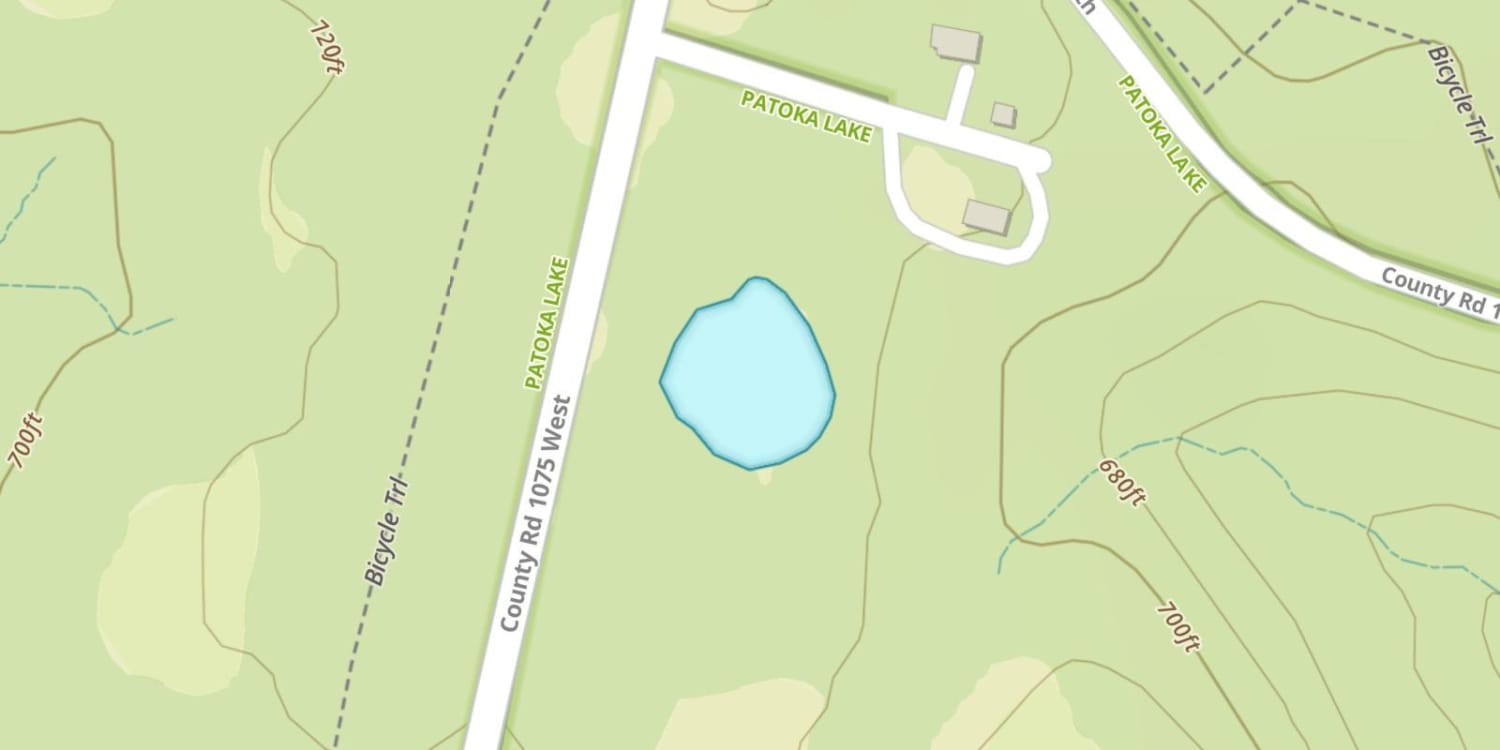
Patoka Lake Map

Fishing Regulations

Special Fishing Regulations: This lake has special fishing regulations that differ from statewide regulations for those species identified below and take precedence. Regulations listed below are currently in place. Visit the fishing regulations page for links to upcoming regulations for specific lakes.

  • Largemouth bass must be at least 15 inches, with the daily bag limit of 5 (any combination of largemouth, smallmouth, or spotted bass).

  • Gizzard shad and threadfin shad can be collected and used as live bait. Cast nets with a maximum mesh size of 2

Features

Completed in 1978, Patoka Lake is the second largest reservoir in Indiana. The lake was constructed by the U.S. Army Corps of Engineers to control flooding on the Patoka and Ohio River systems, and to provide a safe and adequate supply of drinking water for surrounding communities. More than 17,000 acres of public land surround the lake, providing excellent recreational opportunities, including hiking, camping, swimming and hunting. When the reservoir was being constructed, trees in many of the creek arms and shoreline areas were uncut, leaving large areas of flooded timber. Boat lanes were cleared to provide safe navigation into the larger creek arms. Because Patoka Lake receives heavy fishing and recreational boating pressure, certain areas are posted with speed and skiing restrictions. Buoys designate water skiing areas and speed limits.

Forage

Gizzard shad, juvenile bluegill and redear sunfish are the primary forage for largemouth bass. Stripers utilize the gizzard shad. Other forage species include golden shiner, bluntnose minnow and brook silverside.

Seasonal Movements

White bass make annual spring movements up the Patoka River. The migration peaks by mid-March or early-April.

Weather

Current Weather Icon
84°Feels like 92°
High Temperature91°
Low Temperature69°
Sunrise
7:31 AM
Sunset
7:50 PM
Wind Direction
0 mph
Northeast
Precipitation
0 in
Rain
Pressure
30.15 inHg
Stable
Partly Cloudy with Showers
FridayFr
91° / 69°
Partly Cloudy with Showers and Isolated Storms
SaturdaySa
91° / 71°
Partly Cloudy
SundaySu
91° / 68°
Partly Cloudy with Showers and Chance of Storms
MondayMo
85° / 62°
Partly Cloudy with Scattered Showers and Isolated Storms
TuesdayTu
76° / 58°
Partly Cloudy with Showers
WednesdayWe
73° / 57°

Moon Phase

first quarter
September 18, 2026
47% Illumination
first quarter, getting brighter
Moon Rise and Set
Moon Rise 3:15 PM
Moon Set --
Moon Overhead Underfoot
Overhead 7:44 PM
Underfoot 7:18 AM
first quarter
FridayFr09/18
waxing gibbous
SaturdaySa09/19
waxing gibbous
SundaySu09/20
waxing gibbous
MondayMo09/21
waxing gibbous
TuesdayTu09/22
waxing gibbous
WednesdayWe09/23
waxing gibbous
ThursdayTh09/24
Waterbody poster background

Get Your Line in the Right Water

Quickly find the best places to fish and plan your day right.

Top Fish Species

Walleye
Walleye
8-26 in
Length Range
14 in
Length Range
2024
Surveyed
Abundance (CPUE)
Understanding Abundance

Abundance ratings are based on Catch Per Unit Effort (CPUE) measurements conducted by the MN DNR, and represent a snapshot of a species population at a given point in time

Source: Minnesota Department of Natural Resources. Survey cadence may vary by state and water body.
Species Lengths