Size
2,333ac
Boat Launch
Carry-in Launch
Toilet
Yes
Boat Dock
Species in Kinkaid Lake
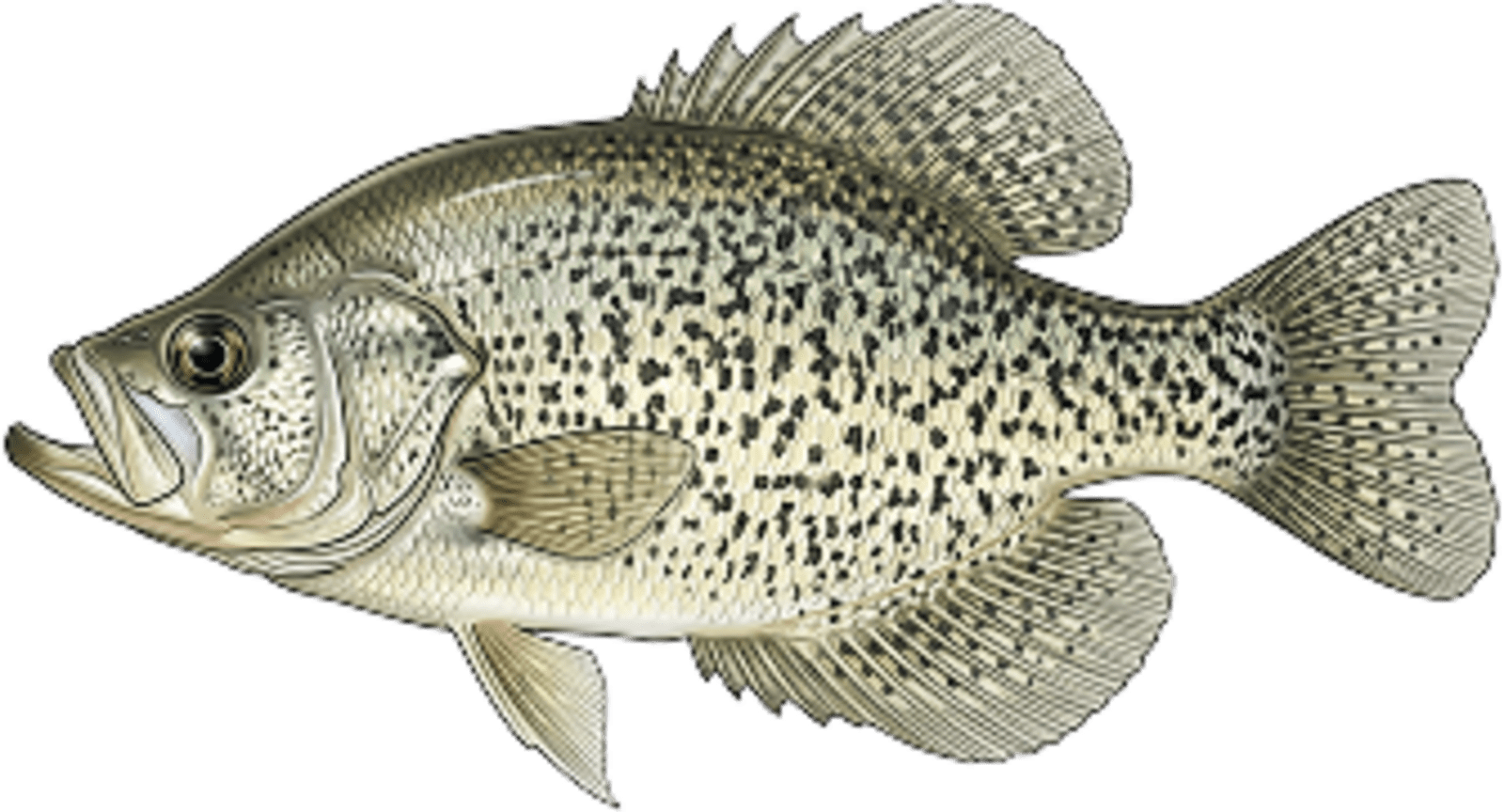
Crappie
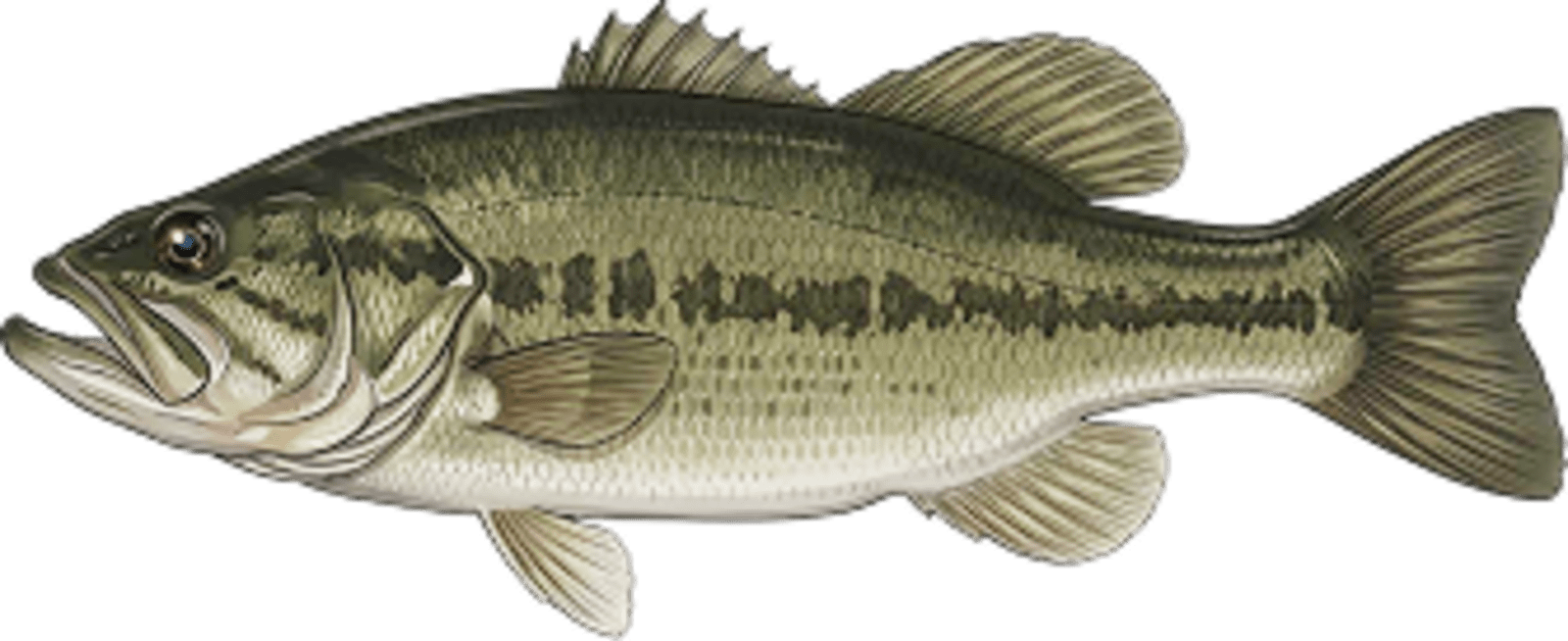
Largemouth bass
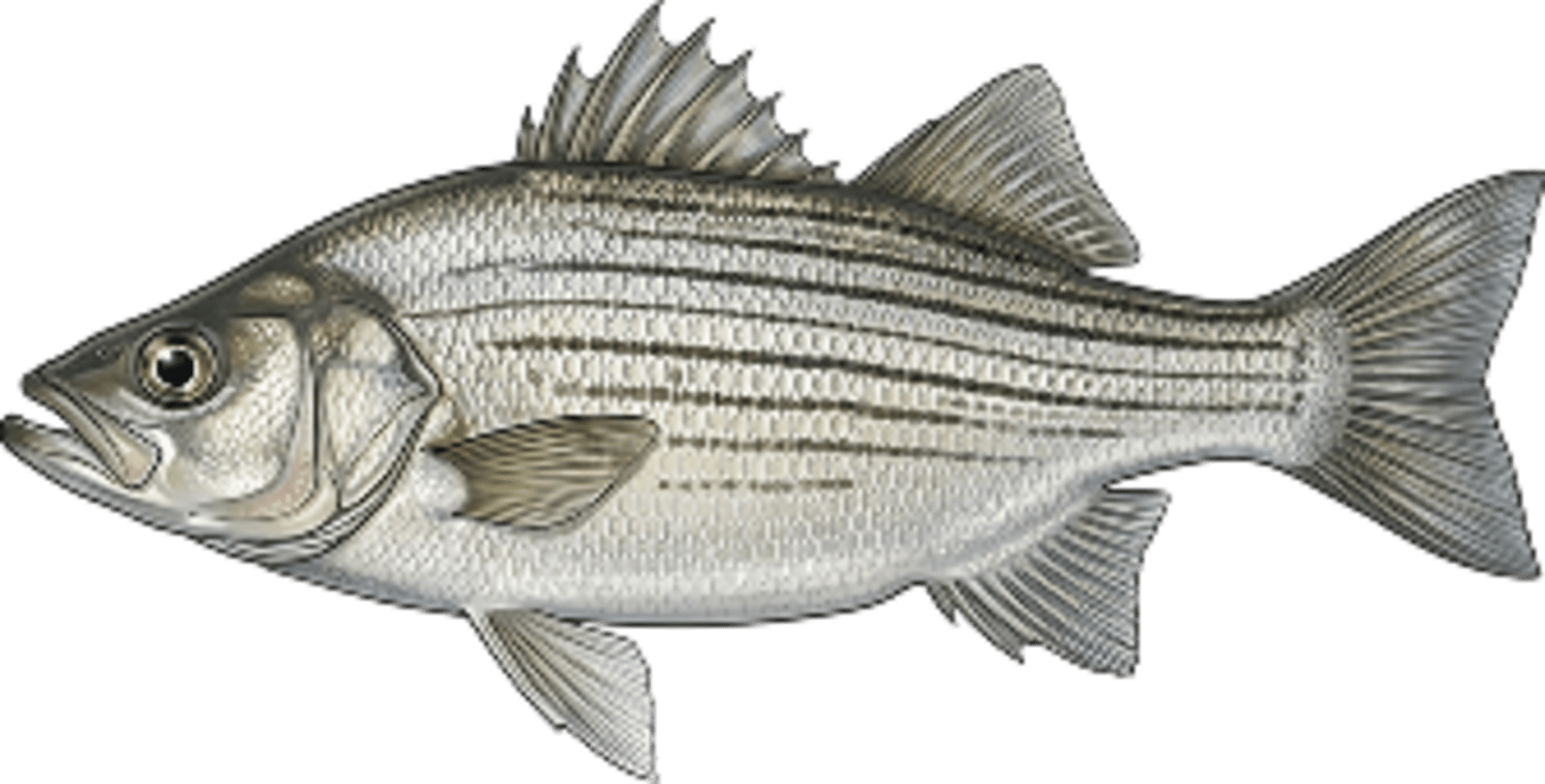
White bass
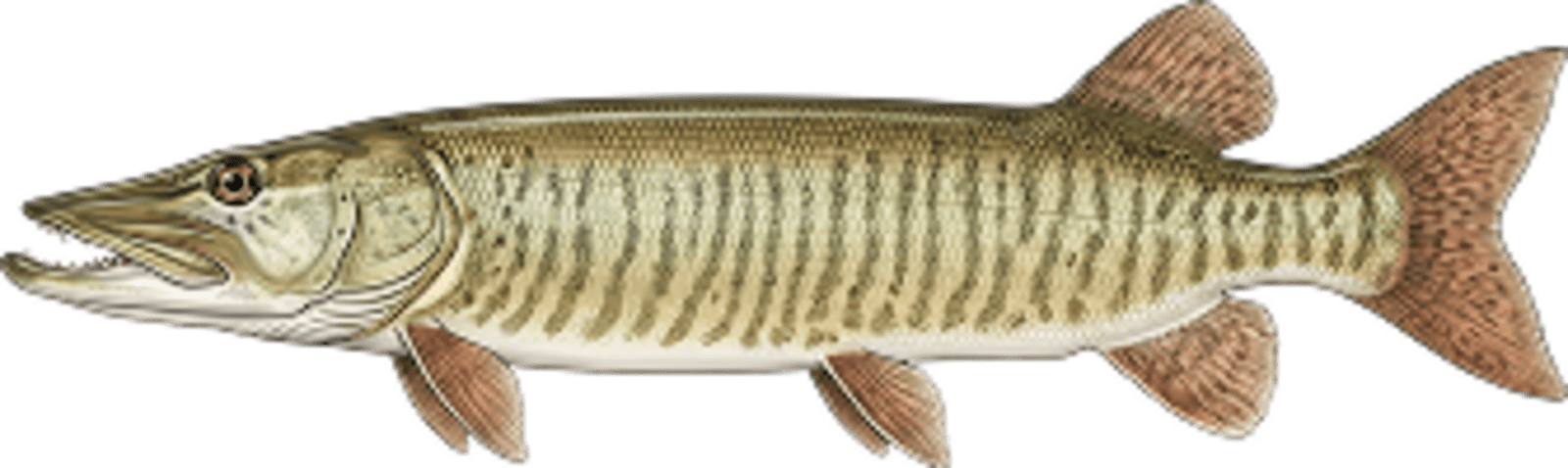
Muskellunge
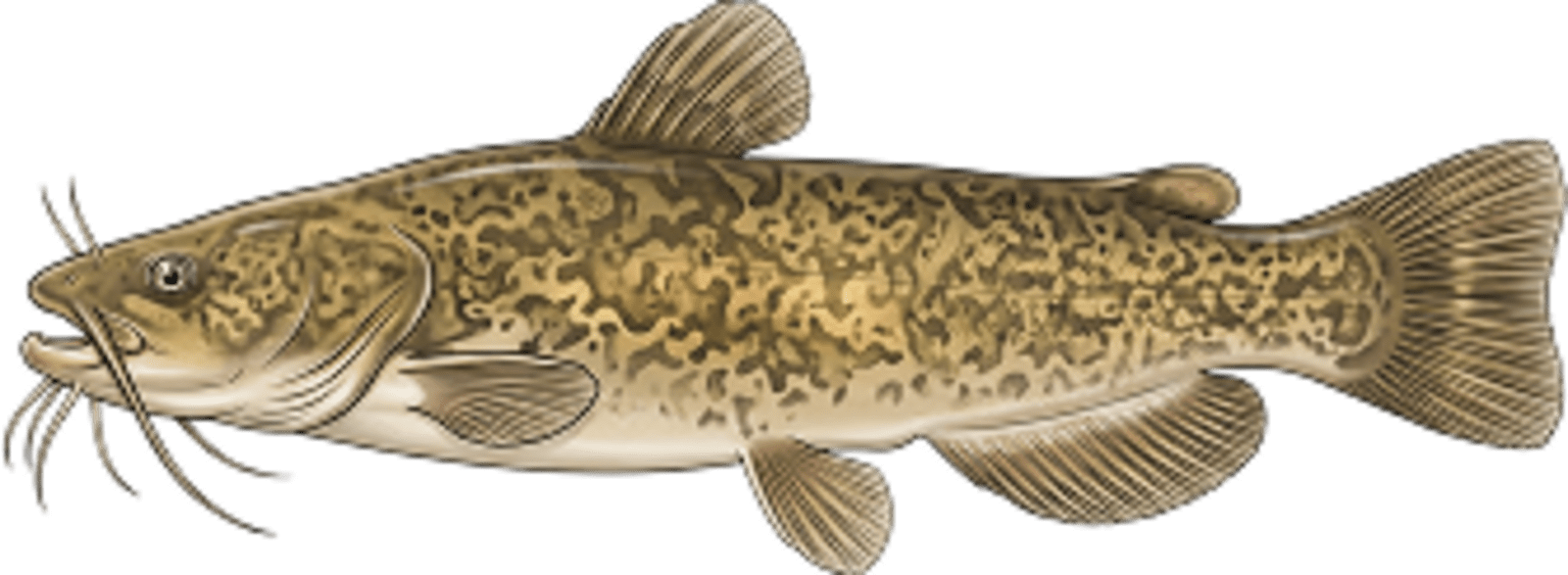
Flathead catfish
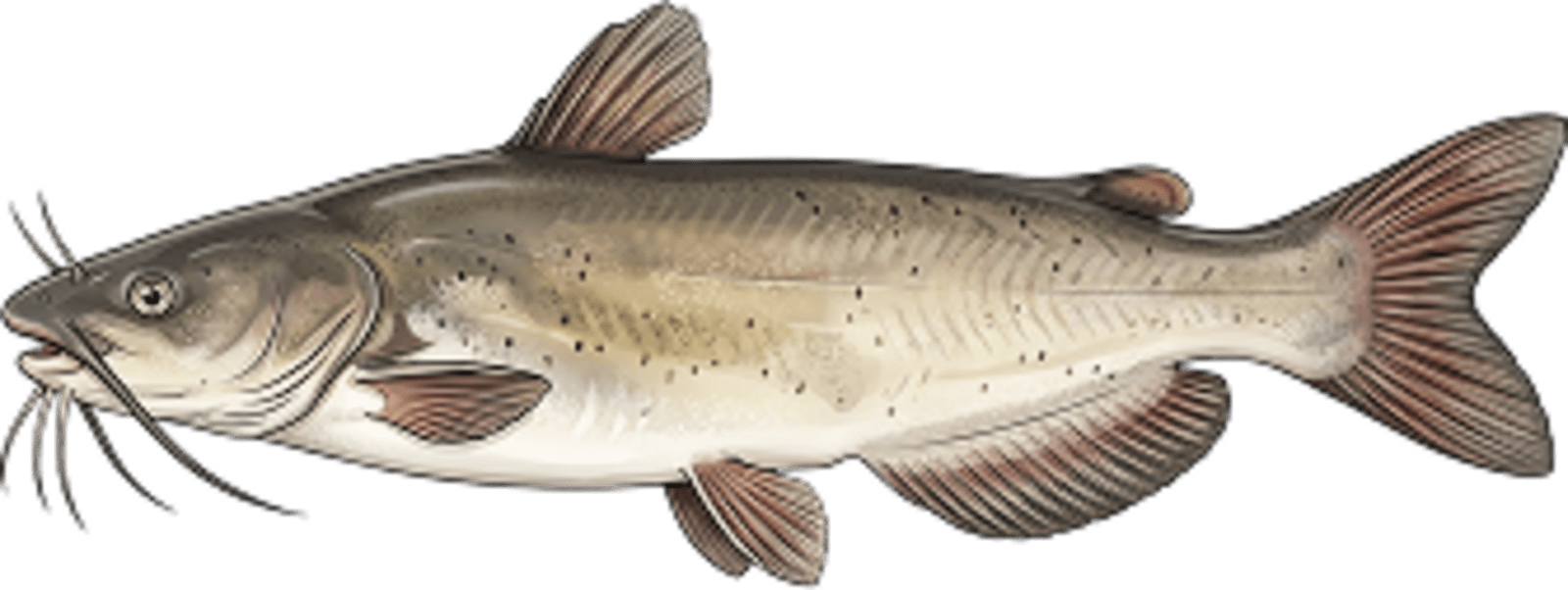
Channel catfish
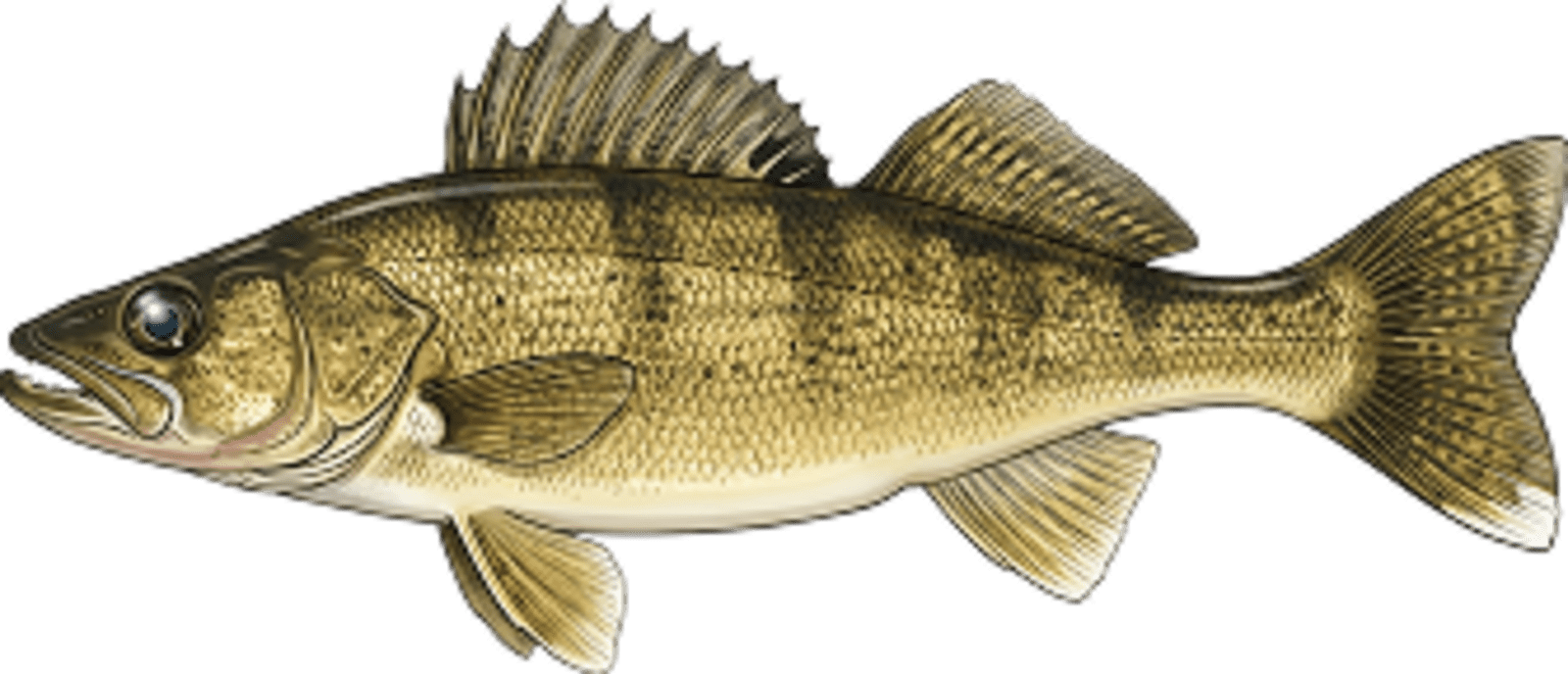
Walleye
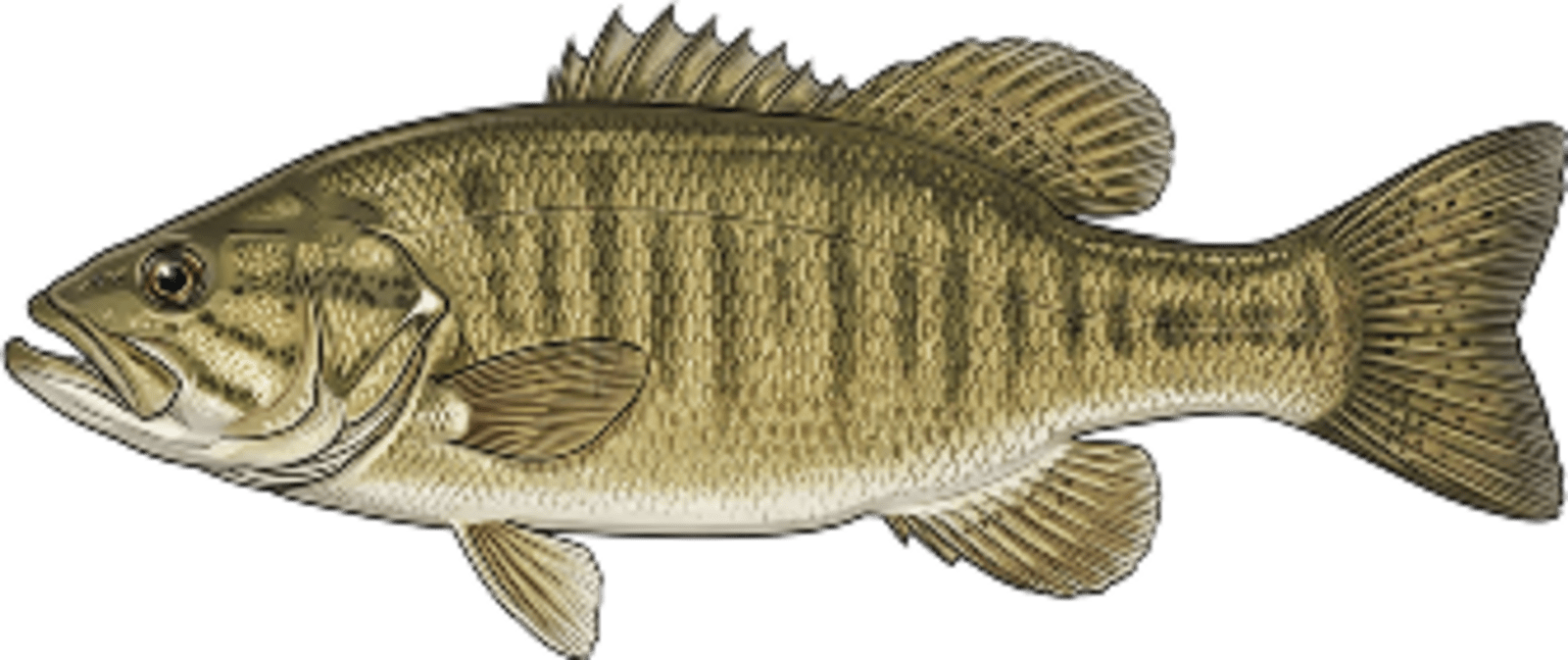
Smallmouth bass
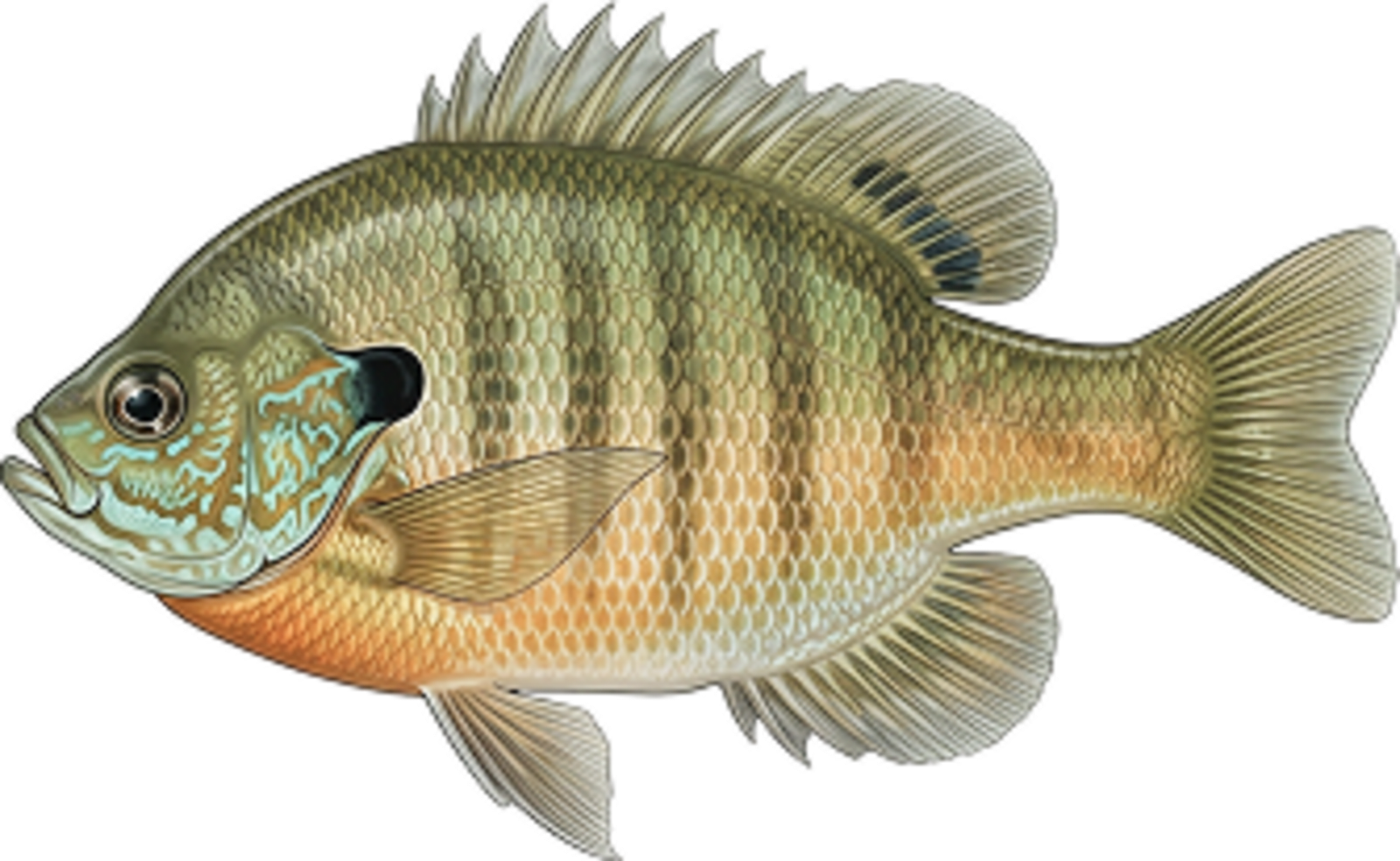
Bluegill
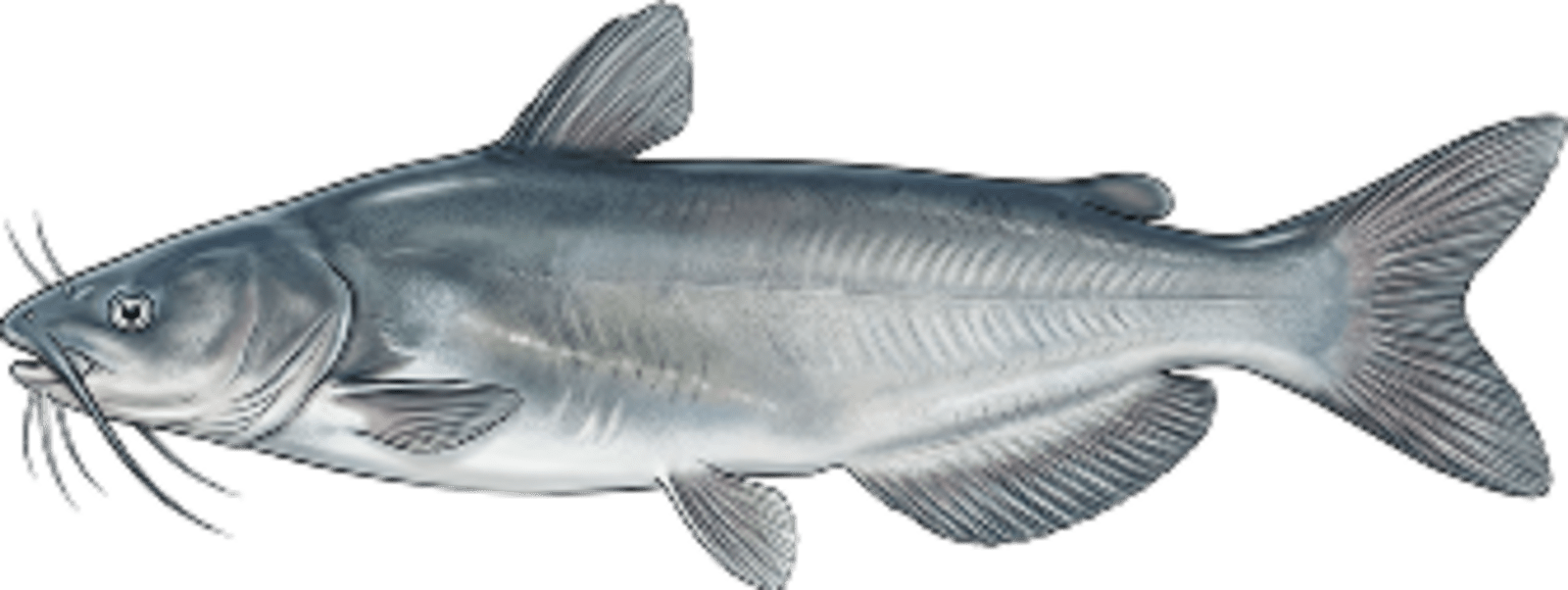
Blue catfish
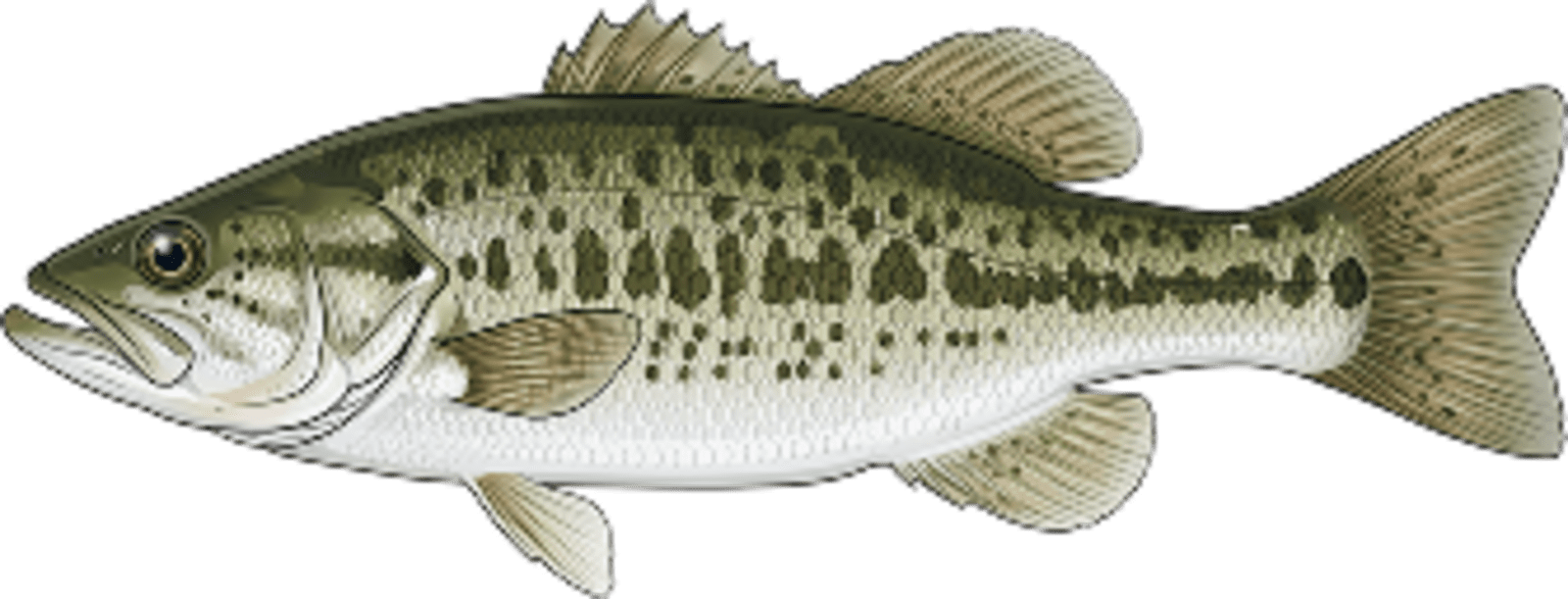
Spotted bass
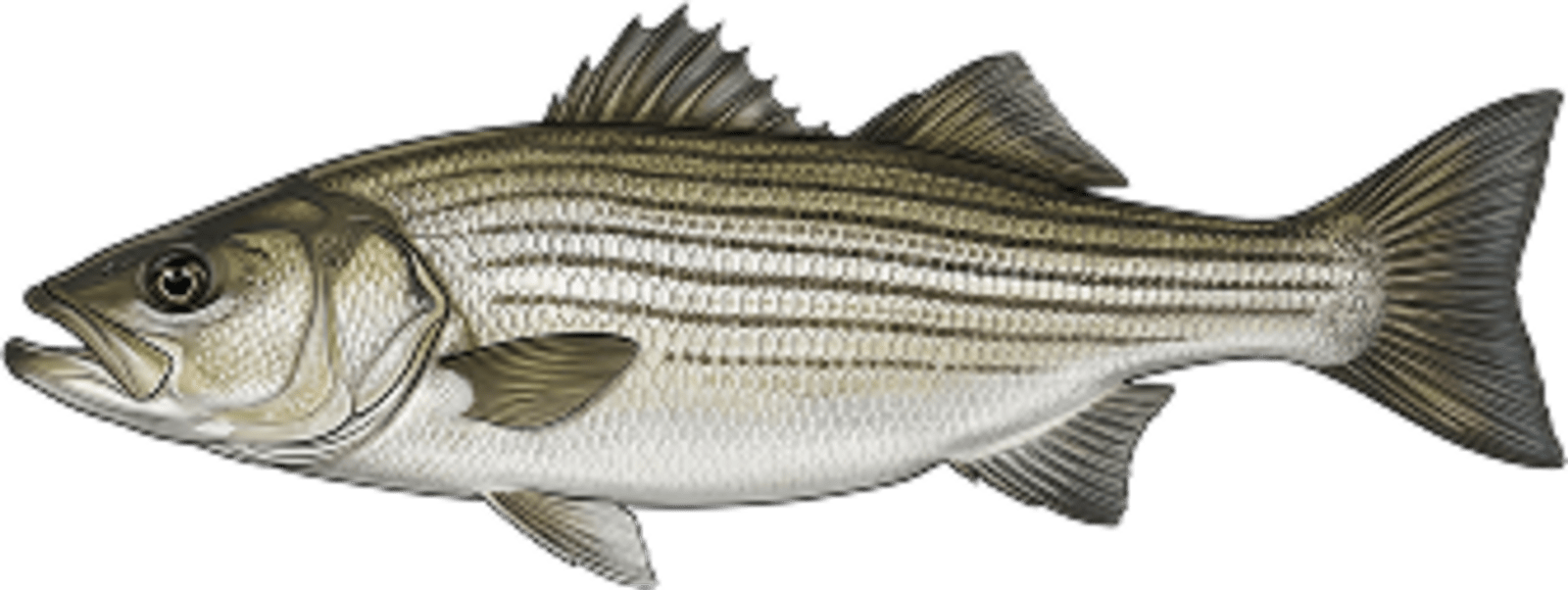
Striped Bass
Overview
Deep, clear water surrounded by sandstone bluffs makes this one of the most scenic lakes in Illinois. Largemouth and muskie are the primary quarry. Deep weedlines are key targets for anglers. 2,750 acres
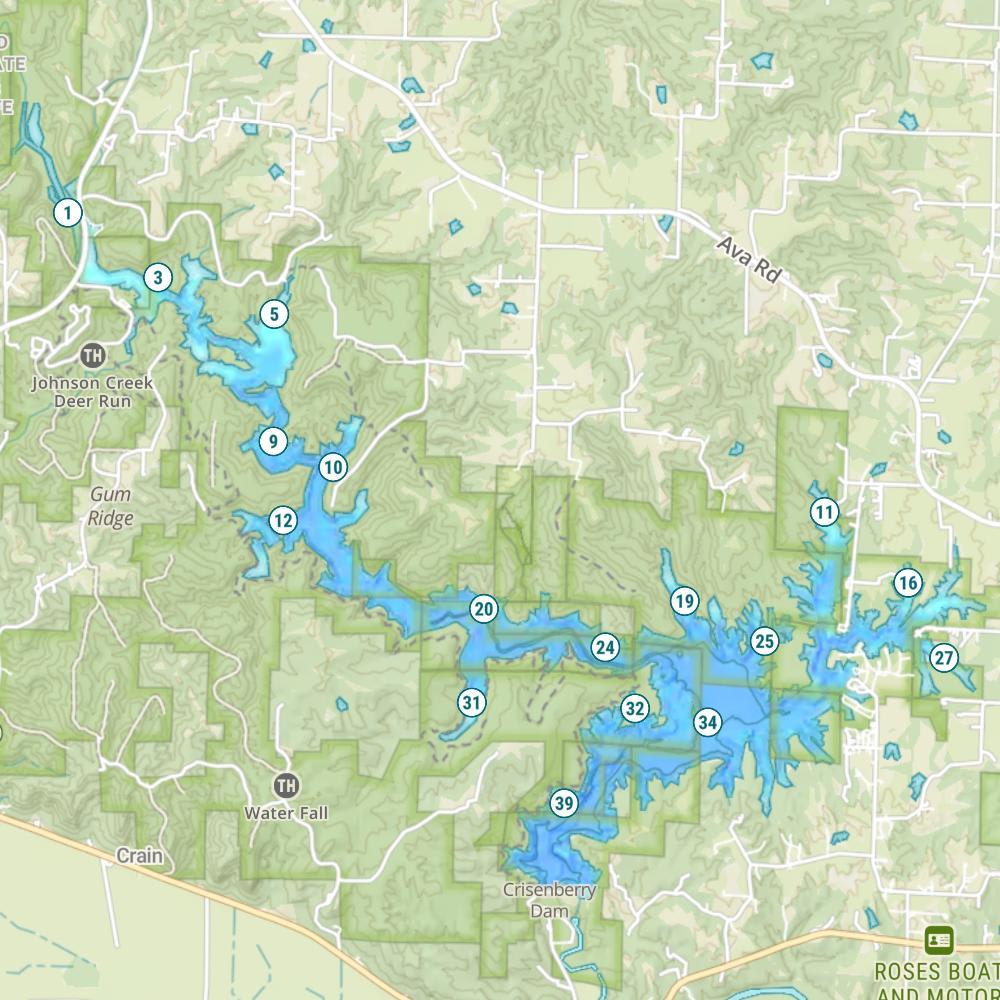
Kinkaid Lake Map
Features
Kincaid Lake is a superb fishing resource for several species, including largemouth bass, channel catfish, crappie, walleye, and muskie. It is a popular bass tournament lake and crappie angling pressure is high. The installation of a retention barrier to prevent fish from going over the spillway is an exciting development that will benefit gamefish and panfish populations alike.--Muskie anglers are urged to avoid targeting fish during the summer months, mid-June to mid-September, because of high water temperatures. Fish caught and released in temperatures in the 80's and low 90's are doomed to die because of stress. They are unable to recover in warm water temperatures.--Special size and bag limits are imposed for several species; check the current Illinois fishing information booklet for details.--Two no-wake areas include Raymond Neck (east of Paul Ice Access) and the main lake west of Thompson Neck. Kinkaid Village Harbor is protected with a wave reduction boom that also indicates a no-wake area. No-boat buoys are placed near beaches and the spillway. All of the main lake bays and coves are marked with no-wake buoys.--Siltation has occurred on the northwest side as far south as Allen Island. Depths are shallower than shown on hydrographic charts.
Forage
Gizzard shad are the most abundant forage, but can grow beyond a usable size. As other reservoirs with a shad prey base, they drive the entire ecosystem. Threadfin shad have been stocked in recent years because they remain small in size and are used by gamefish and panfish. Young-of-the-year panfish and brooks silversides are important components. Gizzard shad and spotted sucker are important forage components for muskie. Mayflies are used by nearly all species at times of abundance. Crayfish are abundant.
Weather
Get Your Line in the Right Water
Quickly find the best places to fish and plan your day right.
Top Fish Species
Crappie
5-14 in
Length Range
9 in
Length Range
2025
Surveyed
Abundance (CPUE)

Understanding Abundance
Abundance ratings are based on Catch Per Unit Effort (CPUE) measurements conducted by the MN DNR, and represent a snapshot of a species population at a given point in time
Source: Minnesota Department of Natural Resources. Survey cadence may vary by state and water body.Species Lengths